Quick Navigation
- Nature's Toothbrush: Foods That Are Surprisingly Good for Teeth Whitening
- Your Daily Routine: Habits That Are Quietly Good for Teeth Whitening
- The Product Aisle: What's Actually Good for Teeth Whitening at Home?
- When to Go Pro: In-Office Teeth Whitening Treatments
- Managing the Inevitable: Teeth Sensitivity
- Your Questions, Answered (The Stuff You're Really Searching For)
Let's be honest, we've all scrolled past those ads promising a Hollywood smile in three days. You know the ones. And maybe you've even bought a product or two, only to be left with sensitive teeth and a lighter wallet. I've been there. The quest for whiter teeth can feel overwhelming, filled with conflicting advice and expensive promises. But what if getting a brighter smile wasn't about magic potions, but about understanding what actually works with your biology?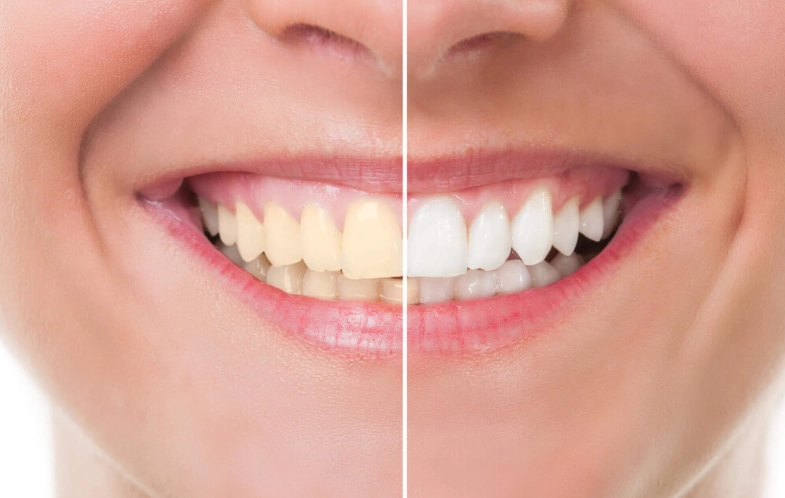
This guide isn't about pushing a single miracle product. Instead, we're going to dig into everything that's genuinely good for teeth whitening, from the food on your plate to the habits in your daily routine. We'll separate science from social media trends, and I'll even share a few things I tried that I wouldn't recommend. By the end, you'll have a clear, practical plan that fits your life and your budget.
Think of your teeth like a wall. Some things stain the surface (extrinsic stains), and some discoloration comes from within (intrinsic stains). What's good for teeth whitening often tackles both, but in very different ways.
Nature's Toothbrush: Foods That Are Surprisingly Good for Teeth Whitening
You wouldn't use a dirty cloth to clean a window, right? The same logic applies to your teeth. Some foods act as natural cleansers or provide minerals that strengthen your enamel, making it more resistant to stains. This is the most natural path to a brighter smile.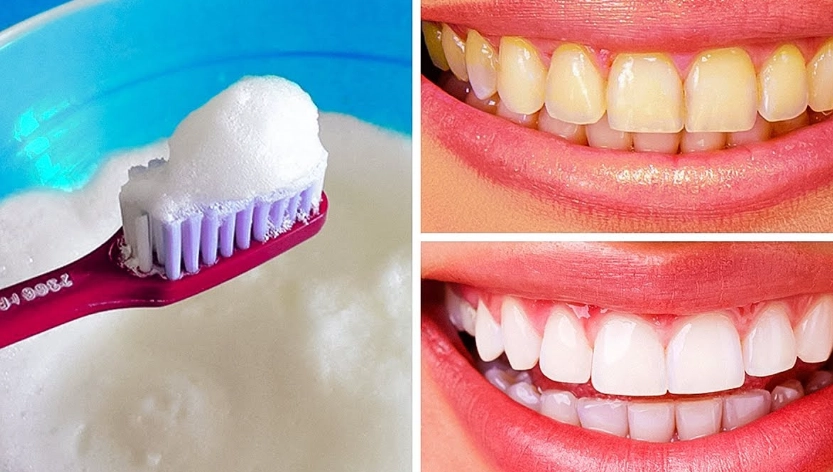
Crunchy fruits and vegetables are the classic examples. Apples, celery, carrots—when you chew them, their fibrous texture acts as a mild abrasive, scrubbing away surface plaque and stains. They also stimulate saliva production, which is your mouth's built-in cleaning and neutralizing system. Saliva washes away food particles and acids. It's simple, but effective.
Then there are the more interesting ones. Strawberries contain malic acid, a natural astringent that can help remove surface discoloration. Don't go rubbing them on your teeth for minutes, though—the acid is mild, but overdoing it isn't smart. Pineapple contains bromelain, an enzyme that some studies suggest has stain-removing properties. A 2012 study published in the International Journal of Dental Hygiene looked at bromelain's effect, noting its potential as a natural cleansing agent.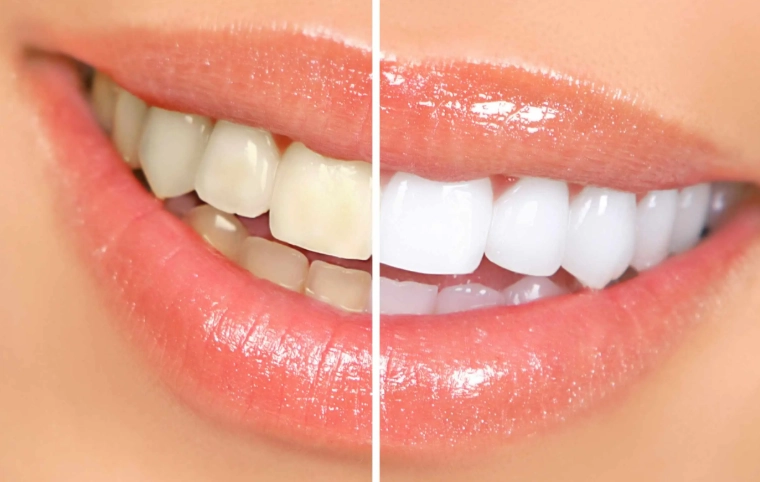
Dairy products like cheese, milk, and yogurt are also in the club. They're rich in calcium and phosphorous, which help remineralize and strengthen tooth enamel. Stronger enamel is smoother and less porous, so it's harder for stain-causing particles from coffee or tea to latch on. It's a defensive strategy, and a tasty one.
But here's a personal note: don't expect miracles from food alone.
The Dark Side: Foods and Drinks That Work Against You
It's only fair we talk about the culprits. This isn't about eliminating them entirely—life's too short to give up coffee—but about strategy.
- Chromogens: These are intensely pigmented molecules that love to stick to tooth enamel. Think coffee, tea, red wine, cola, and dark berries like blueberries.
- Tannins: Found in tea, coffee, and red wine, these plant compounds make it easier for stains to adhere to your teeth. They're like a sticky landing pad for color.
- Acids: Citrus fruits, sodas (even clear ones), and sports drinks. They erode and soften enamel, making it more vulnerable to staining from other sources.
The trick isn't necessarily to avoid, but to manage. Using a straw for dark drinks can help bypass your front teeth. Swishing with water after consuming them helps dilute and wash away pigments. And please, don't brush your teeth immediately after having something acidic—you'll brush away the softened enamel. Wait at least 30 minutes.
Your Daily Routine: Habits That Are Quietly Good for Teeth Whitening
This is where the real, long-term magic happens. Whitening isn't just an event; it's a consequence of consistent, good oral care. If your baseline oral hygiene is poor, even the best whitening treatment won't have a great canvas to work on.
Brushing and flossing are non-negotiable, but are you doing them effectively? Plaque is a soft, sticky film of bacteria. If it's not removed, it hardens into tartar (calculus), which is stained easily and has a rough surface that attracts more stains. Tartar can only be removed by a dental professional. So, effective daily removal of plaque is the first and most crucial step in preventing new stains from setting up shop.
Your toothbrush matters. A soft-bristled brush is best to avoid gum recession and enamel wear. Electric toothbrushes with oscillating-rotating heads are generally shown to remove plaque more effectively than manual brushing. The American Dental Association (ADA) maintains a list of accepted products, which is a good resource to check if you're considering a new brush.
Now, let's talk toothpaste. This is a crowded field.
Choosing a Toothpaste: Whitening vs. Stain Removal
Most "whitening" toothpastes don't bleach teeth. Instead, they contain mild abrasives (like hydrated silica) and chemicals (like pyrophosphates) to polish teeth and break down or prevent surface stains. They're good for maintenance and tackling minor, fresh stains.
Toothpastes that contain hydrogen peroxide or carbamide peroxide are actual bleaching agents. They can change the intrinsic color of your teeth, not just clean the surface. These are stronger and can cause sensitivity. The concentration is lower than in professional treatments, so results are slower and more subtle.
My take? For daily use, a good fluoride toothpaste with mild stain-removing properties is perfect. If you want a bit more kick, alternate with a peroxide-based whitening toothpaste a few times a week, but listen to your teeth. If they get sensitive, scale back.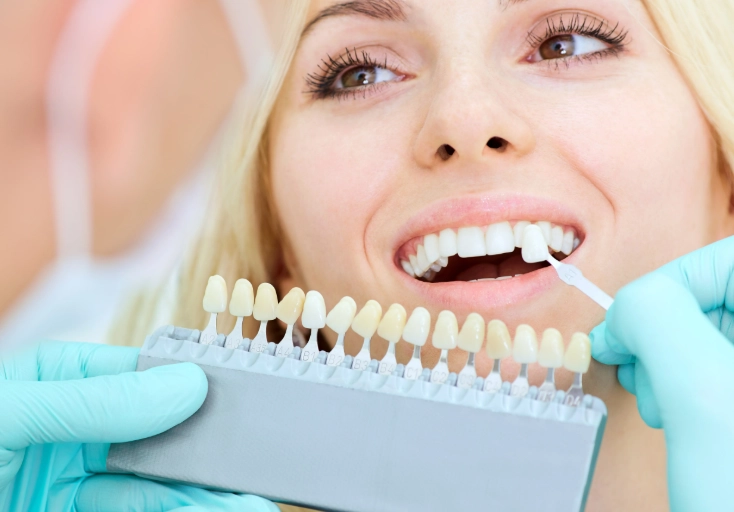
The Product Aisle: What's Actually Good for Teeth Whitening at Home?
This is the part everyone searches for. The market is flooded with strips, pens, lights, and trays. It's confusing. Let's break down the common types and see what they really do.
| Product Type | How It Works | Best For | Realistic Expectations & Notes |
|---|---|---|---|
| Whitening Strips | Thin, flexible strips coated with a peroxide-based gel (hydrogen or carbamide peroxide). Adhere to teeth. | Convenience, treating front teeth, mild to moderate staining. | Results in 3-14 days. Can cause gum irritation if placed poorly. Uneven application can lead to spotty results. A solid, well-researched option. |
| Whitening Trays (OTC) | One-size-fits-all or boil-and-bite trays filled with peroxide gel. | Those wanting more coverage than strips. | Fit is often poor, leading to gel leakage and gum sensitivity. Less effective and more messy than custom trays from a dentist. |
| Whitening Pens & Gels | Brush-on peroxide gel. | Touch-ups, targeting specific teeth, travel. | Very easy to apply saliva and wash away the gel quickly. Requires multiple daily applications for modest results. Compliance is key. |
| Whitening Toothpaste | Abrasives and/or low-dose peroxide. Daily use. | Maintenance, preventing new stains, subtle brightening. | Will not produce dramatic shade changes. Essential for maintaining any whitening results you get from other methods. |
| Charcoal & Alternative Powders | Extreme abrasion to scrub stains away. | ...Not much, honestly. | Use with extreme caution. Can be highly abrasive, wearing down precious enamel. Once enamel is gone, it's gone for good, leading to permanent yellowness (dentin shows through) and sensitivity. The ADA does not recommend them due to a lack of evidence on safety and efficacy. |
Looking at that table, the clear winners for at-home, drugstore-level whitening are the strips and the consistent use of a proper toothpaste. The trays are okay but finicky. The pens are convenient for touch-ups. As for charcoal... I tried a popular brand a few years ago. My teeth felt slick, but also oddly rough in a way I didn't like. A week later, my dentist pointed out increased wear on my canines. Never again. The risk isn't worth the murky benefit.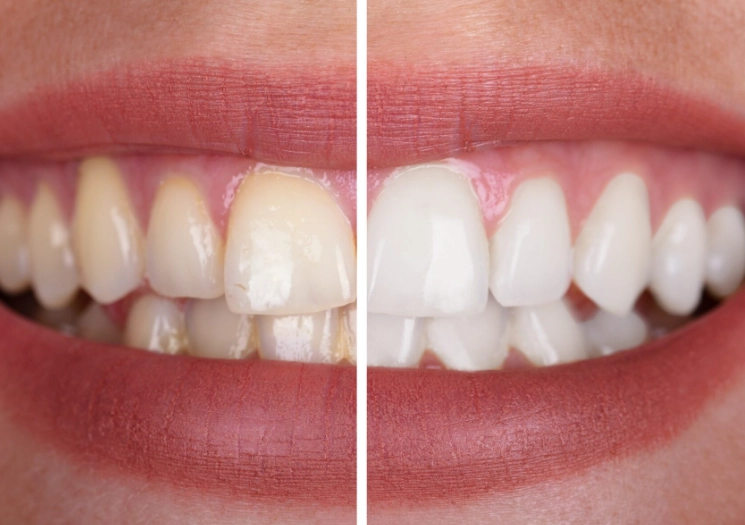
The key with any peroxide product is consistency and patience. They don't work instantly. And nothing you do at home will be as fast or as controlled as a professional treatment. That's just the reality.
When to Go Pro: In-Office Teeth Whitening Treatments
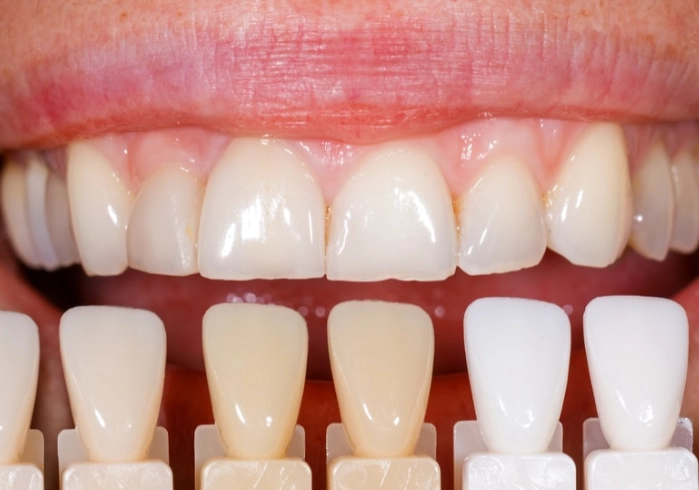
So, when does it make sense to see a dentist? If you have deep, set-in stains (especially from tetracycline antibiotics or fluorosis), if your teeth are naturally very yellow, or if you want significant, fast results for a specific event, professional treatment is the gold standard.
In-office whitening uses much higher concentrations of hydrogen peroxide (sometimes up to 40%). Your gums and soft tissues are meticulously protected with a barrier. A special light or laser is often used to activate the gel and accelerate the process. You can see results of several shades lighter in about an hour.
The major benefits are speed, dramatic results, and supervision. A dentist can assess why your teeth are discolored in the first place. Is it stains? Is it thinning enamel? Is it a dead tooth? They can also manage sensitivity much better. The downside is cost—it's the most expensive option.
Take-home professional kits are a great middle ground. Your dentist takes impressions of your teeth to make custom-fitted trays. The fit is perfect, so the bleaching gel contacts your teeth evenly and doesn't leak onto your gums. They provide a professional-strength gel (stronger than OTC, weaker than in-office). You wear the trays for a specified time each day (e.g., 30 minutes to a few hours) over a couple of weeks. This is often my recommended path for people who want great, controlled results without the single-session price tag.
Managing the Inevitable: Teeth Sensitivity
This is the number one complaint with whitening, and it's a real buzzkill. Peroxide bleaches can temporarily increase the permeability of your enamel, allowing stimuli (hot, cold) to reach the nerve more easily.
What can you do?
- Use toothpaste for sensitive teeth: Formulas with potassium nitrate or stannous fluoride can help block the tiny tubules in your dentin. Start using it a couple of weeks before you begin a whitening treatment.
- Space out treatments: Don't whiten every day if you're feeling sensitive. Do it every other day or every two days.
- Shorter application times: If using strips or trays, wear them for a shorter period.
- Ask your dentist: They can provide desensitizing gels or use in-office fluoride treatments after whitening to help "seal" the teeth.
Sensitivity is usually temporary, but listening to your body is key. Pushing through pain is a bad idea.
Your Questions, Answered (The Stuff You're Really Searching For)
Is oil pulling good for teeth whitening?
Swishing coconut or sesame oil in your mouth for 10-20 minutes. The evidence for whitening is anecdotal at best. A review article in the Journal of Traditional and Complementary Medicine noted that while some small studies show a reduction in plaque (which can make teeth look cleaner), there is no strong scientific proof it bleaches or removes significant stains. It's likely harmless and might improve gum health, but don't count on it for whitening.
Is baking soda good for teeth whitening?
Baking soda (sodium bicarbonate) is a mild abrasive and can help scrub away surface stains. Many whitening toothpastes include it. The key word is mild. Using it straight from the box is too abrasive for frequent use and lacks fluoride to protect your teeth. If you want to try it, do so sparingly—once a week at most—and mix it with your regular fluoride toothpaste. Personally, I think a good toothpaste with baking soda in it is a safer, more effective delivery system.
How long do whitening results last?
This is the million-dollar question. Results are not permanent. Your teeth are constantly exposed to staining agents. With good habits (using a whitening toothpaste, drinking staining drinks through a straw, excellent hygiene), you might maintain results for 6 months to 2 years. Most people need a touch-up with strips or a dentist-provided gel every 6-12 months. Think of it like coloring your hair—maintenance is part of the deal.
Does activated charcoal work?
We touched on this, but it deserves its own spot. The theory is that charcoal's porosity binds to stains and pulls them off. The reality, according to dental research, is that it's primarily a harsh abrasive. A study in the Journal of the American Dental Association concluded that there is insufficient data to support its safety and efficacy for whitening. The abrasiveness is a real concern for enamel loss. I'd steer clear.
Can yellow teeth become white again?
It depends on the cause. Surface stains from food/drink? Almost always, yes. Natural yellow dentin showing through thin, translucent enamel? Whitening can still help, but there may be a limit. Whitening works on natural tooth structure, not on restorations. If you have white fillings, crowns, or veneers, they will not change color. This can lead to mismatched shades, which is another reason to consult a dentist for a comprehensive plan.
Remember, the goal isn't necessarily unnaturally white, fluorescent teeth. The goal is a clean, bright, healthy-looking smile that you feel confident about. And that is absolutely within your reach.
Leave a Reply