Quick Guide
- Why “Safe” Should Be Your #1 Priority (It’s Not Just Hype)
- The Ingredient Decoder: What to Look For and What to Avoid
- How to Choose Your Safest Match: A Step-by-Step Filter
- Navigating Common Questions & Concerns
- A Few Products That Get Mentioned (And My Take)
- The Bigger Picture: Safe Whitening Isn't Just About the Paste
- Final Thoughts: Trust the Process, Not the Hype
Let's be honest, scrolling through Amazon or the drugstore aisle looking for a whitening toothpaste is overwhelming. Every box promises a Hollywood smile, but then you see the fine print about sensitivity or read a review saying it made someone's gums feel weird. That's the moment you stop looking for the "strongest" and start searching for the safest teeth whitening toothpaste you can actually use every day without fear.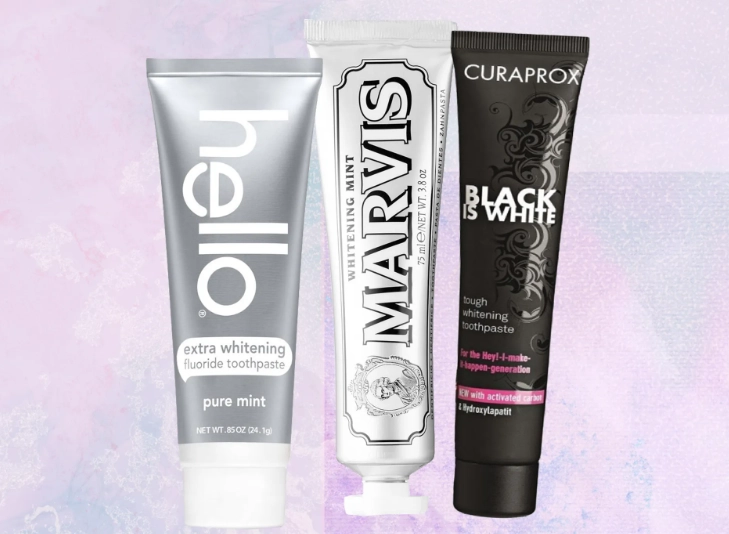
I've been there. A few years back, I grabbed a popular whitening paste because it was on sale. Big mistake. After a week, my teeth felt like they'd scream every time I drank something cold. It sent me down a rabbit hole of research—talking to my dentist, reading dental journals (yes, really), and testing products more carefully. The goal wasn't just a brighter smile, but a healthier one.
So, what does "safe" even mean in the world of whitening toothpaste? It's not just a marketing word. True safety balances effective stain removal with protecting your tooth enamel and gum tissue. It means the product does its job without creating new problems. This guide is everything I wish I'd known back then. We're going to look past the flashy ads and dig into the science, the ingredients, and the real-world performance to help you find a genuinely safe option.
Why “Safe” Should Be Your #1 Priority (It’s Not Just Hype)
You might think all toothpaste is basically the same, just with different flavors. But whitening formulas are a different beast. Their job is to tackle tough stains from coffee, wine, and tobacco. To do that, they use active ingredients that can be abrasive or chemically active. Used incorrectly or in a poorly formulated product, these can do more harm than good.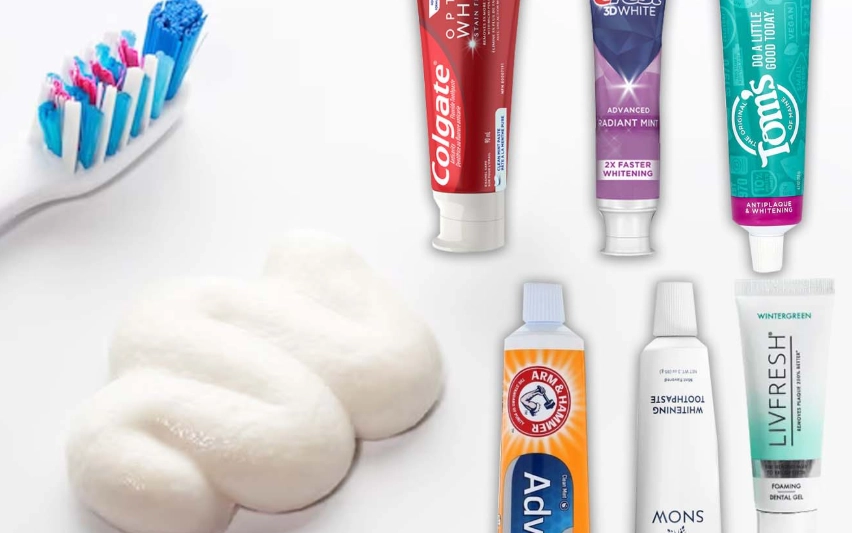
The biggest risks? Enamel wear and increased sensitivity. Your enamel is the hard, protective outer layer of your tooth. Once it's gone, it doesn't come back. Some whitening pastes use harsh physical abrasives that can scratch and thin this layer over time, making teeth look duller and more yellow in the long run (the opposite of what you want!). Others use bleaching agents like hydrogen peroxide. While effective and generally safe at low concentrations, they can irritate soft gum tissue or trigger sensitivity in people with already thin enamel.
Finding the safest teeth whitening toothpaste is about avoiding these pitfalls.
It's about choosing a formula that lifts stains gently and relies on ingredients with a proven safety profile. Think of it like skincare for your teeth. You wouldn't use a harsh scrub on your face every day, right? The same logic applies here. A gentle, consistent approach is what leads to sustainable, healthy whitening.
A quick but important note: No toothpaste can change the natural color of your teeth like a professional bleaching treatment can. What the safest teeth whitening toothpaste does is remove surface stains and prevent new ones from forming, revealing your teeth's brightest possible natural shade. Managing expectations is part of a safe approach too.
The Ingredient Decoder: What to Look For and What to Avoid
This is the heart of the matter. Turning the tube around and understanding the label is your superpower. Let's break down the common players.
The Good: Safe & Effective Whitening Agents
These ingredients get the job done with minimal risk.
- Hydrated Silica: This is a gentle polishing agent. It's a much finer and softer abrasive than some others (like calcium carbonate, which is basically chalk). It works by physically polishing away surface stains without being overly harsh on enamel. Most dentists consider it a safe choice for daily use in a well-formulated paste.
- Hydrogen Peroxide or Carbamide Peroxide: These are the actual bleaching agents. In over-the-counter toothpaste, the concentration is legally limited to be low (usually under 1-2% for hydrogen peroxide). At these levels, they can safely help break down surface stains. The key is the low concentration. If you have severe sensitivity, you may still want to approach with caution or use it every other day.
- Papain or Bromelain: These are enzyme-based whiteners. Derived from papaya and pineapple, respectively, they work by breaking down the protein pellicle layer on teeth that holds stains. It's a very gentle, non-abrasive method. I find these formulas are fantastic for people with sensitive teeth who still want a whitening boost.
The “Proceed with Caution” Ingredients
These aren't automatically bad, but they require a smarter approach.
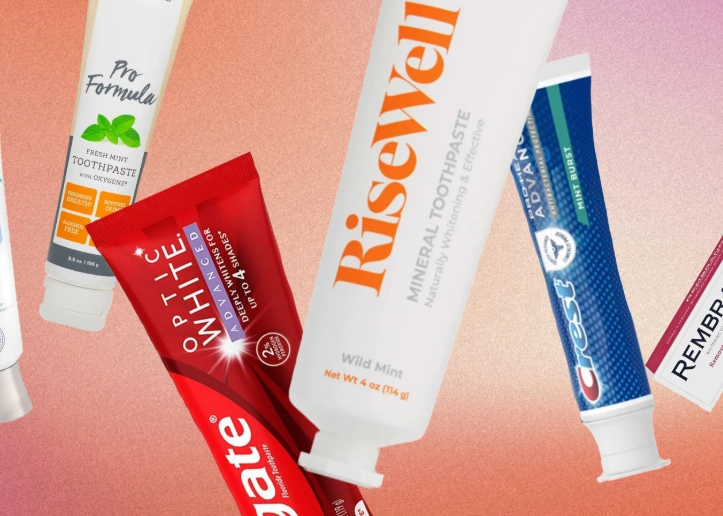
- Charcoal: Oh, the trendy black toothpaste. The problem with many charcoal pastes is that they are often very abrasive. A review in The Journal of the American Dental Association (JADA) noted that charcoal-based dentifrices often lack fluoride and may have high abrasivity. If you love the idea, your mission is to find one specifically formulated to be low-abrasion (the RDA number, which we'll discuss next, is key here).
- High RDA Abrasives: RDA stands for Relative Dentin Abrasivity. It measures how abrasive a toothpaste is. For daily use, the American Dental Association (ADA) recommends an RDA below 250. Many safe whitening pastes sit comfortably between 70 and 120. The issue? Most brands don't list the RDA on the box. You often have to dig for it online or contact the manufacturer.
The Safety Hallmark: The ADA Seal of Acceptance
This is your biggest shortcut to finding a genuinely safe product. The ADA Seal of Acceptance isn't just a sticker. To earn it, a company must provide scientific evidence to the ADA Council on Scientific Affairs that their product is safe and effective for its intended use. This includes data on abrasivity, fluoride bioavailability (if it contains fluoride), and overall safety.
When you see that Seal, you know an independent panel of experts has vetted it.
It takes the guesswork out. So, one of the most reliable answers to "what is the safest teeth whitening toothpaste?" is often: one that carries the ADA Seal. You can search their accepted product database directly.
My Personal Rule: If I'm trying a new brand and feeling uncertain, I always check for the ADA Seal first. It's my safety net. For example, I know Sensodyne's Pronamel Gentle Whitening has it, which immediately tells me its abrasivity is within a safe range for my enamel.
How to Choose Your Safest Match: A Step-by-Step Filter
With the ingredient knowledge in hand, how do you apply it? Think of it as building a profile for your ideal toothpaste.
First, assess your own mouth. Be brutally honest. Do your teeth or gums get sensitive easily? Do you have any dental work like crowns or composites on your front teeth? (Whitening agents don't work on these, so a gentle stain-removing paste is a better bet). Are your stains mostly from daily coffee, or are they deeper, older stains?
Second, decide on your mechanism. Do you prefer the idea of gentle polishing (hydrated silica) or a mild chemical action (low-dose peroxide)? If sensitivity is a major concern, enzyme-based or peroxide-free formulas might be your safest teeth whitening toothpaste starting point.
Third, look for the supporting cast. The safest formulas don't just whiten; they protect. Fluoride is non-negotiable for strengthening enamel and preventing cavities. Potassium nitrate or stannous fluoride are great for combating sensitivity. A good whitening paste should be a multi-tasker.
Here’s a quick comparison table to help visualize the trade-offs:
| Whitening Ingredient Type | How It Works | Best For | Potential Drawback |
|---|---|---|---|
| Gentle Abrasives (e.g., Hydrated Silica) | Polishes away surface stains physically. | Daily maintenance, mild surface stains, sensitivity-prone users. | May not tackle deeper, set-in stains as effectively. |
| Low-Dose Peroxide (e.g., 1% H2O2) | Breaks down stain molecules chemically. | Moderate surface stains, those wanting a bleaching effect. | Can cause irritation or sensitivity in some individuals. |
| Enzymes (e.g., Papain) | Dissolves the protein layer that binds stains. | Extremely sensitive teeth, a non-abrasive/non-bleaching approach. | Effects can be more subtle and take longer to notice. |
| Activated Charcoal (Low-Abrasion Form) | Adsorption theory to bind stains; primarily polishing. | Those attracted to the concept, seeking a natural aesthetic. | Many formulas are high-abrasion; must research RDA carefully. |
Navigating Common Questions & Concerns
Is whitening toothpaste safe for enamel?
This is the million-dollar question. The direct answer is: a properly formulated one is. The danger to enamel comes from high abrasivity (a high RDA) or overly strong acids. The safest teeth whitening toothpastes use mild abrasives like hydrated silica at safe levels and often include fluoride to actually *remineralize* and strengthen enamel. The ADA Seal is your best guarantee here. If you're using an unregulated, overly gritty paste, then no, it's not safe long-term.
Can it make sensitivity worse?
It can, but it doesn't have to. If you already have sensitive teeth, jumping straight into a peroxide-based whitener might trigger it. The smarter play is to start with a toothpaste designed *for* sensitive teeth that also has whitening properties. These use ingredients like potassium nitrate to calm the nerve pathways while gently whitening. Use it for a few weeks to build a foundation before considering anything stronger.
My experience: I switched to Sensodyne Extra Whitening for a month before trying anything else. The sensitivity from my old paste calmed down, and I still saw a gradual brightness improvement. Sometimes, the safest teeth whitening toothpaste is the one that fixes a problem first.
How long until I see results?
Manage those expectations! With a safe, daily-use paste, you're looking at 2 to 6 weeks for noticeable results. It's a marathon, not a sprint. The changes are gradual. If a product promises dramatic whitening in 3 days, I'd be very skeptical about its abrasiveness or ingredient claims.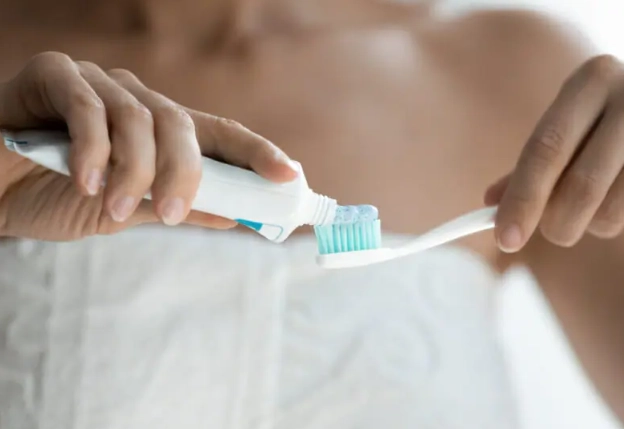
Is it safe for daily use?
Again, the ADA-accepted ones are formulated specifically for twice-daily use. That's their purpose. The key is using the right amount—a pea-sized dab—and not scrubbing aggressively. Brushing too hard with any toothpaste can cause gum recession.
"The goal of a whitening toothpaste should be to provide a modest improvement in tooth color with minimal risk. Patients should look for products with the ADA Seal and understand that these are for surface stain removal." – This reflects the general consensus you'll find in dental advisories, like those from the ADA.
A Few Products That Get Mentioned (And My Take)
I won't give you a rigid “top 3” because your needs are unique. But here are some frequently recommended brands that often come up in the safest teeth whitening toothpaste conversation, along with some real talk.
- Sensodyne Pronamel Gentle Whitening: This is a powerhouse for safety. It's designed to protect enamel (Pronamel's whole thing), has a low-abrasion formula, contains fluoride, and has the ADA Seal. The whitening is subtle but very safe. Perfect if enamel protection is your #1 fear.
- Colgate Optic White Renewal: This uses 1% hydrogen peroxide (so it's a bleach). It has the ADA Seal, which means its peroxide level and formulation are deemed safe. It's more effective on stains but might be a bit much for very sensitive teeth. A good middle-ground option for many.
- Tom's of Maine Antiplaque & Whitening: A popular natural brand option. It uses hydrated silica and zinc citrate. It's fluoride-free (a deal-breaker for some, a requirement for others), so be aware of that. It doesn't have the ADA Seal, which always makes me pause a bit for a whitening claim, but its ingredient list is straightforward and avoids harsh chemicals.
- Hello Oral Care Naturally Whitening Fluoride Toothpaste: Another natural aisle favorite. Uses hydrated silica and has fluoride. No peroxide. The packaging is transparent about ingredients, which I appreciate. Like Tom's, it lacks the ADA Seal, but the formula appears gentle based on its components.
Personally, I cycle between Sensodyne Pronamel Gentle Whitening for everyday and use Colgate Optic White (the peroxide one) a few times a week for a bit more punch. This "mixed schedule" works for me and keeps sensitivity at bay. You might find a different rhythm.
The Bigger Picture: Safe Whitening Isn't Just About the Paste
Calling something the safest teeth whitening toothpaste is only part of the story. Your habits complete it.
Brushing Technique Matters More Than the Paste. Seriously. Using a soft-bristled brush, gentle pressure, and brushing for two minutes is crucial. Scrubbing hard with a safe paste can still cause problems. Let the paste do the work.
Diet Plays a Massive Role. You can't out-brush a constant stream of staining foods and drinks. Rinsing your mouth with water after coffee or red wine helps a ton. Using a straw for dark beverages isn't silly—it's strategic.
Regular Dental Cleanings are Non-Negotiable. Even the best toothpaste can't remove tartar (calculus). A professional cleaning every six months removes the hardened gunk that traps stains, making your at-home whitening efforts far more effective. It's also your chance to ask your dentist for their personalized recommendation for the safest teeth whitening toothpaste for *your* specific dental history.
Think of your toothpaste as a key player on a team, not the sole superstar.
Final Thoughts: Trust the Process, Not the Hype
Finding the safest teeth whitening toothpaste isn't about finding a magic bullet. It's about making an informed, cautious choice that aligns with your dental health. Ignore the dramatic before-and-after photos that promise the impossible. Focus instead on the ingredient panel, look for trusted validations like the ADA Seal, and listen to your own mouth.
Start gentle. Be patient. A product that brightens your smile slowly while strengthening your enamel is infinitely better than one that gives you quick results but leaves your teeth thin and sensitive. That’s the core of what makes a whitening toothpaste truly safe—it improves your smile's appearance without compromising its health. And really, that's the only kind of whitening worth having.
Leave a Reply