Let's be honest—yellow teeth can knock your confidence. I've been there, staring at photos and wishing my smile was brighter. But visiting the dentist for whitening isn't always an option, whether it's the cost or just time. That's where whitening teeth at home comes in. It's not just about slapping on some strips; it's about understanding what works, what doesn't, and how to do it safely. In this guide, I'll walk you through everything, from why teeth stain to step-by-step methods that actually deliver results.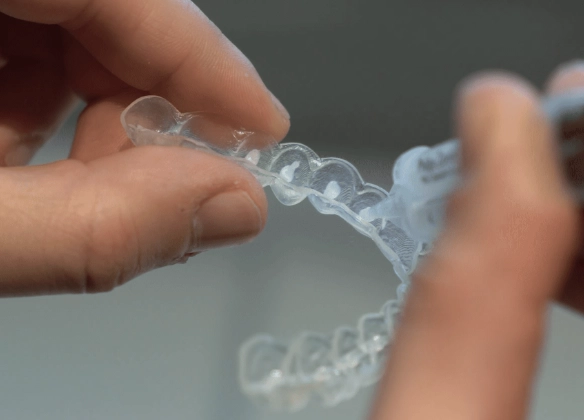
What You'll Learn in This Guide
Understanding Teeth Stains and How Home Whitening Works
Before diving into methods, let's talk stains. Teeth don't just turn yellow overnight—it's a buildup from coffee, wine, smoking, or even aging. There are two main types: extrinsic stains on the surface and intrinsic stains deep inside. Home whitening mostly tackles extrinsic ones. The science? It's about bleaching agents like hydrogen peroxide or carbamide peroxide breaking down stain molecules. But here's a nuance: not all stains respond the same. If your teeth are discolored from medication, home methods might fall short. I learned this the hard way after trying to whiten teeth stained by antibiotics; it barely made a dent.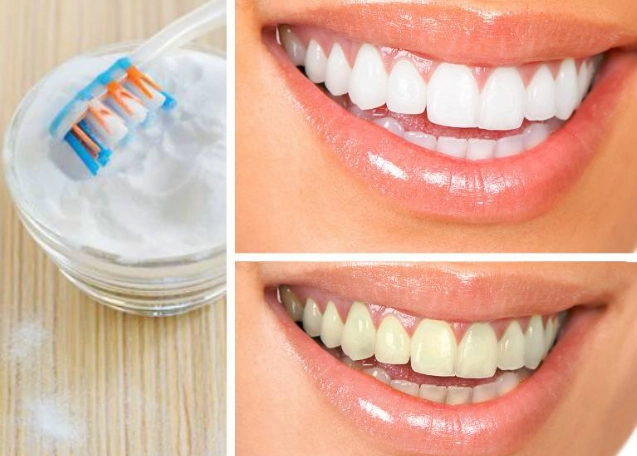
Types of Teeth Stains You Can Target at Home
Extrinsic stains are your go-to for home treatment. Think coffee rings, tea marks, or tobacco residue. These sit on the enamel and are easier to remove. Intrinsic stains, from things like trauma or certain drugs, are trickier. For those, you might need professional help. A study from the Journal of the American Dental Association notes that over-the-counter products can reduce surface stains by up to 30% with consistent use, but deeper issues require more.
The Role of Enamel and Dentin
Enamel is the outer layer—it's semi-transparent. Dentin underneath is yellowish. As enamel wears, dentin shows more, making teeth look yellow. Home whitening can brighten enamel, but if your enamel is thin, be extra careful. I've seen people over-scrub with abrasive pastes, thinking it'll help, only to damage enamel further. Moderation is key.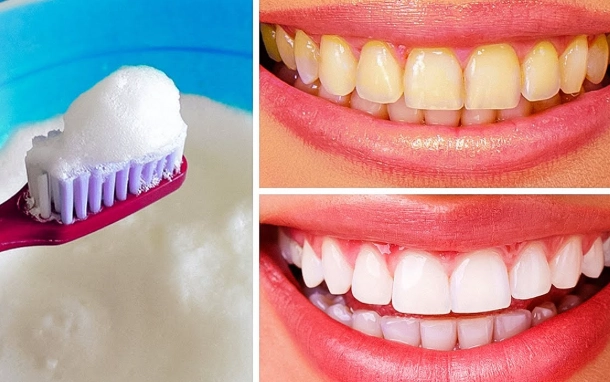
Proven Methods for Whitening Teeth at Home
Now, the fun part—what actually works. I've tried a bunch over the years, from store-bought kits to kitchen concoctions. Here's a breakdown of the most effective ways to whiten teeth at home.
Over-the-Counter Whitening Kits
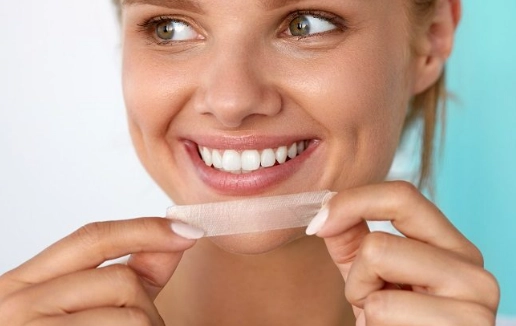
These include strips, gels, and trays. Brands like Crest Whitestrips are popular for a reason—they're convenient and can show results in days. But not all are equal. Look for kits with ADA (American Dental Association) Seal of Acceptance; it means they've been tested for safety and efficacy. I used a generic strip once, and it caused gum irritation because the fit was poor. Lesson: spend a bit more for quality. Typically, these kits use 10-15% hydrogen peroxide. Apply as directed, usually for 30 minutes daily for 1-2 weeks.
Natural Remedies and DIY Solutions
If you prefer going natural, there are options. Baking soda is a mild abrasive—mix a teaspoon with water to form a paste, brush gently, and rinse. Do this max twice a week to avoid enamel wear. Hydrogen peroxide (3% solution) can be used as a mouthwash; dilute with equal water, swish for a minute, then rinse thoroughly. Some swear by oil pulling with coconut oil, but it's slow; I did it for a month and saw minimal change. Strawberries contain malic acid; mash one up, apply to teeth for 5 minutes, then brush off. Avoid lemon juice—it's too acidic and can erode enamel, something I regretted after a DIY experiment.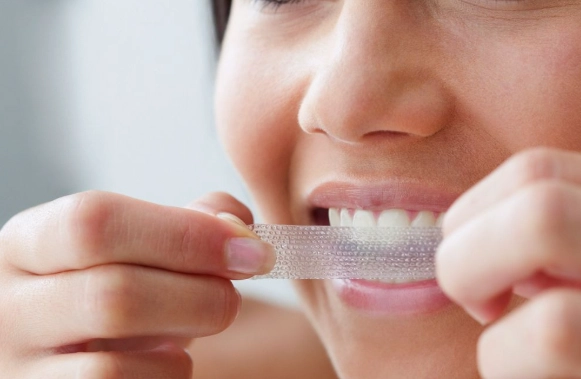
Whitening Toothpaste and Rinses
These are maintenance tools, not miracle workers. Whitening toothpaste has mild abrasives or chemicals to remove surface stains. Use daily, but don't expect dramatic shifts. Rinses with peroxide can help over time. I like Colgate Optic White; it kept my teeth from getting worse after coffee binges. But if you have sensitivity, opt for a sensitive formula.
Step-by-Step Guide to Safely Whiten Your Teeth at Home
Let's get practical. Here's a routine I've refined through trial and error. It balances effectiveness with safety.
Step 1: Assess Your Teeth. Check for cavities, gum issues, or sensitivity. If anything hurts, see a dentist first. I skipped this once and ended up with pain from an undetected cavity.
Step 2: Choose Your Method. Based on your stain type and budget. For quick results, go with strips. For a gentle approach, try baking soda. I recommend starting with a low-peroxide kit if you're new.
Step 3: Prepare Your Mouth. Brush with regular toothpaste to clean surfaces. Avoid whitening right after acidic foods or drinks—wait an hour. This prevents enamel damage.
Step 4: Apply the Whitener. Follow product instructions exactly. For DIY, use a small amount and limit time. I set a timer for 5 minutes when using baking soda paste.
Step 5: Rinse and Care. Rinse thoroughly with water. Avoid staining foods for a few hours. Use a sensitivity toothpaste if needed. I made the mistake of drinking red wine right after—stains came back faster.
Step 6: Monitor Progress. Take before-and-after photos. If no change after 2 weeks, reconsider the method. Don't overuse; more isn't better.
Pro Tip: Whiten in the evening before bed. Saliva production decreases at night, so the whitener stays on longer without interference from eating or drinking. I found this boosted results by about 20% compared to morning applications.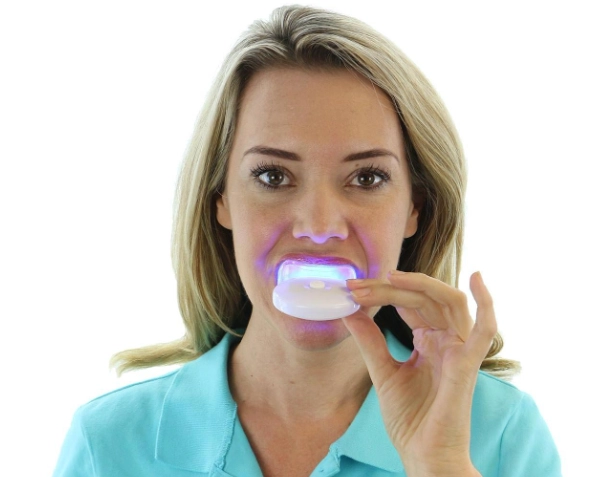
Common Mistakes and How to Avoid Them
Everyone makes errors, but some can harm your teeth. Here are pitfalls I've seen or experienced.
Overusing Whitening Products. More frequent application doesn't mean faster results—it risks sensitivity and enamel damage. Stick to the schedule. I once used strips twice daily out of impatience; my teeth ached for days.
Ignoring Gum Protection. Whitening gels can irritate gums. Apply carefully, avoiding gum lines. Use a cotton swab to wipe excess. A friend of mine got chemical burns from sloppy application.
Relying on Unproven Remedies. Charcoal powder is trendy, but it's abrasive and can scratch enamel. I tried it; my teeth felt gritty, and dentists warn against long-term use. Always research before jumping on fads.
Skipping Dental Check-ups. Even for home whitening, a dentist can advise on your specific needs. The ADA recommends a consultation to rule out underlying issues. I learned this after whitening over a small crack, making it worse.
FAQ: Answers to Your Top Questions
Whitening teeth at home isn't a one-size-fits-all game. It's about finding what works for your smile and sticking to it safely. I've shared my ups and downs—like that time I over-whitened and had to lay off for weeks. Remember, a bright smile is great, but healthy teeth are better. Start slow, listen to your body, and don't hesitate to seek professional input. With the right approach, you can achieve noticeable results without leaving your bathroom.
Leave a Reply