Quick Guide to Sections
So you’ve just gotten your teeth whitened, or you’re thinking about it. That mirror check reveals a brighter, more confident smile. It feels fantastic. But then, almost immediately, a little voice in your head pops the big question: is teeth whitening permanent? How long do I get to keep this?
I remember when my friend did an at-home kit. She was over the moon for a week, posting selfies like crazy. Then, after a couple of months and a few too many coffees, she turned to me and said, "It’s already fading. Did I just waste my money?" That's the moment we're all trying to avoid, right?
Let’s cut straight to the chase. If you're looking for a simple yes or no, the answer is a definitive no, teeth whitening is not permanent. I wish it were that easy, but dentistry, like most things in life, doesn't offer many forever fixes. Calling it permanent would be misleading, and any clinic that promises that is one you should walk away from.
But—and this is a huge but—that doesn't mean the results are fleeting or not worth it. Far from it. Understanding that teeth whitening isn't permanent is actually the first and most important step toward making your results last as long as humanly possible. It shifts your mindset from "one-time treatment" to "ongoing maintenance," which is the key to a lasting bright smile.
Why Isn't Whitening Permanent? The Science of Stains
To really grasp why the effects fade, you need to picture your tooth enamel. It's not a smooth, solid sheet of plastic. Under a microscope, it looks more like a densely packed bundle of rods. Over time, microscopic pores and fissures develop on the surface.
Staining molecules from food, drink, and tobacco—chromogens, if you want the technical term—are tiny. They seep into these microscopic openings in your enamel. Whitening gels (usually containing peroxide) work by creating a chemical reaction that breaks these large, dark-staining molecules into smaller, colorless fragments. The stain is still there, but you can't see it anymore.
Here’s the catch. Those pores in your enamel don't just seal up forever after whitening. They remain open for a period. And new, smaller staining particles from your daily life will find their way back in. It’s not that your teeth "return" to their old color overnight; it's that they slowly accumulate new stains over time. This is the fundamental reason why asking "is teeth whitening permanent?" gets a no. Your teeth are in a dynamic environment.
Your saliva plays a role here too, which is something people rarely talk about. Saliva is nature's mouthwash. It constantly bathes your teeth, helping to rinse away some staining agents and neutralize acids. People with drier mouths (xerostomia) often see stains build up faster because they lack this natural cleansing mechanism.
The Big Factors: What Makes Your Whitening Fade Faster (or Slower)?
Okay, so it's not permanent. The next logical question is: how long *does* it last? This is where it gets personal. Saying "6 months to 2 years" is the standard, utterly useless brochure answer. It's like saying a car's gas mileage is "somewhere between 10 and 50 MPG." Not helpful.
The real timeline for you depends on a cocktail of factors. Let's break down the major players.
Your Diet & Lifestyle: The Stain Champions
This is the heavyweight category. What you consume directly dictates the stain traffic into your enamel.
- The Usual Suspects: Coffee, tea (especially black tea), red wine, cola, and soy sauce. These are the Olympic athletes of staining. If your day starts and ends with a large black coffee, manage your expectations.
- The Sneaky Ones: Berries (blueberries, blackberries), curries (turmeric is a notorious yellow dye), balsamic vinegar, and even some brightly colored sports drinks. They're healthy but chromogen-rich.
- Tobacco: Whether smoked or chewed, tobacco is a double-whammy. It delivers deep, tar-based stains and also reduces saliva flow, creating the perfect environment for stains to set in.
I'm not saying you have to give these up forever. That's unrealistic. But being aware is half the battle. Drinking staining beverages through a straw can help bypass your front teeth. Swishing with water immediately after consuming them helps dilute and wash away the pigments before they settle in.
The Whitening Method You Chose
Not all whitening is created equal, and the initial results can set the stage for longevity.
| Method | Typical Initial Result | Impact on Longevity | My Realistic Take |
|---|---|---|---|
| In-Office Professional | Dramatic, several shades lighter in one visit. | Often lasts longest because it achieves a deeper, more uniform lift, creating a bigger "buffer" before fading is noticeable. | The gold standard for a reason. You're paying for expertise, stronger regulated gels, and often light/heat activation. The results feel more solid from the start. |
| Professional Take-Home Trays | Excellent, gradual lightening over 1-2 weeks. | Very good longevity, similar to in-office. Custom trays ensure even gel coverage and protect gums. | This is what many savvy patients do. Get the trays from your dentist, then use them for a initial period and occasional touch-ups. It offers great control. |
| Over-the-Counter Trays/Strips | Moderate, noticeable lightening. | Good, but may fade a bit quicker as the peroxide concentration is lower and fit is generic. | A solid, affordable entry point. The one-size-fits-all trays can lead to patchy application, meaning some teeth may re-stain unevenly. |
| Whitening Toothpastes & Rinses | Very subtle, surface stain removal. | Minimal impact on longevity of a professional treatment, but great for maintenance. | Don't expect miracles here. They're polishers and mild chemical agents, best used to *keep* teeth white, not to *make* them white. |
Here's a personal opinion: the kits you see on social media with crazy blue lights? I'm skeptical. The light is often more for show than efficacy. The real work is done by the peroxide gel making contact with your tooth surface for a sufficient time. A well-fitted tray from your dentist is almost always more effective than a gimmicky light.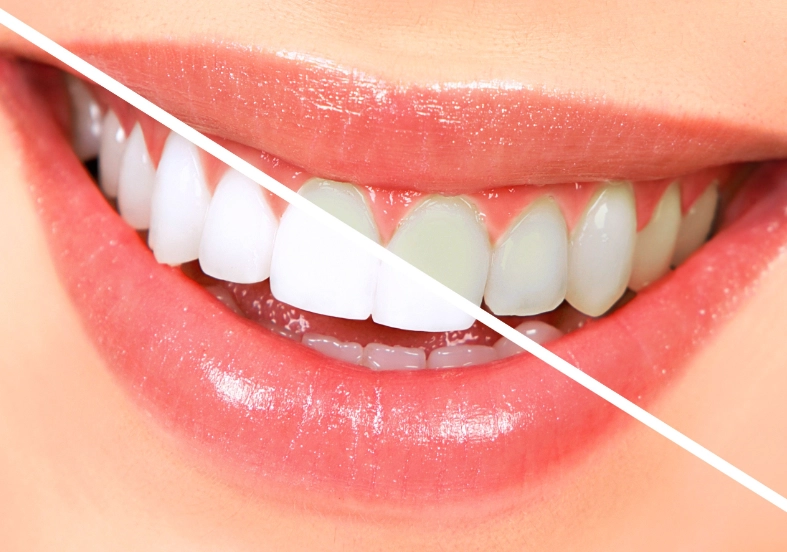
Your Biology: It's Not Fair, But It's Real
Some of this is just the genetic lottery.
- Natural Tooth Color: We all have a baseline. Teeth have a dentin layer under the enamel that's naturally yellow. If your enamel is thinner or more translucent, that underlying yellow shows through more. Whitening can only lighten your teeth from their natural baseline, and they will always want to settle back toward that shade.
- Enamel Porosity: Some people naturally have more porous enamel than others. It's like having a stain-resistant fabric versus a regular cotton shirt. More porous teeth grab stains faster and hold them tighter, making the question "is teeth whitening permanent?" even more pointed.
- Age: As we age, enamel wears down, dentin thickens, and teeth naturally darken. Whitening an older tooth might require more effort, and the results may not reach the same peak brightness or last as long as on a younger tooth.
The Maintenance Playbook: How to Make It Last (The Real Secret)
This is the part most articles gloss over. They tell you it's not permanent and leave you hanging. Not here. If you want to extend your results, you need a game plan. Think of it like coloring your hair. You get the big treatment, then you use special shampoos and get touch-ups.
The 48-Hour Critical Window: Right after any whitening treatment, your enamel pores are wide open. This is when your teeth are most vulnerable to re-staining. For at least two days, follow a "white diet." Eat and drink things that won't stain a white t-shirt: chicken, fish, pasta with white sauce, rice, milk, water. Avoid the dark stuff religiously.
Your Daily Defense Routine:
- Brush & Floss Religiously: This removes plaque, a sticky film that attracts and holds stains. Use a soft-bristled brush to avoid scratching the enamel.
- Consider a Whitening Toothpaste 1-2x per Week: Not daily. Many are abrasive and can wear enamel if overused. Using one a couple times a week helps scrub away surface stains without damage. Look for the ADA Seal of Acceptance.
- Rinse with Water: Can't brush after coffee? Swish vigorously with plain water. It's surprisingly effective at diluting pigments.
- Use a Straw: For iced coffee, tea, or soda, it's a simple, genius hack.
The Touch-Up Strategy: This is non-negotiable if you want to maintain. Don't wait until you've lost 50% of your whiteness. Plan for minor touch-ups.
- For take-home trays from your dentist, you might use them for one night every 3-6 months.
- For OTC strips, a few strips every 4-8 months can do the trick.
- Schedule a follow-up with your dentist. They can assess your shade and recommend a personalized touch-up schedule.
Maintenance isn't a chore; it's the secret to beating the system.
Addressing Your Biggest Questions (The FAQ We All Need)
When done correctly with reputable products, the consensus from major dental organizations is that it's safe. The peroxide temporarily dehydrates the tooth (which also contributes to the immediate super-white look), but it rehydrates. Sensitivity is common, but damage to healthy enamel is not typical with proper use. Overuse and misuse of high-concentration products or abrasive pastes are the real dangers. Always consult a dentist first.
No. "Permanently white" isn't a biological state for natural teeth. You can achieve a very light shade of your natural color and maintain it with diligent care, but the concept of a one-time, lifelong white smile isn't realistic. Even the brightest celebrity smiles require upkeep.
Yes, absolutely. Based on the factors we discussed—biology, diet, habits—some people will cruise for 18 months with minimal fading, while others might notice a difference in 4-6 months. It's not a reflection of the treatment's quality, but of your personal oral environment.
This is a tougher battle. These stains are intrinsic, meaning they're inside the tooth structure, not just on the surface. Whitening can help, but results are often less dramatic, take much longer, and may not be as uniform. Longevity can be similar, but the starting point is different. Veneers or bonding are often discussed as more predictable alternatives for severe intrinsic staining.
So, What's the Final Verdict?
Let's circle back to the core question one last time: is teeth whitening permanent? The definitive answer remains no. It is a temporary, albeit highly effective, cosmetic procedure.
But framing it as merely "temporary" sells it short. A more accurate description is that teeth whitening is a long-lasting, maintainable treatment. The initial investment gives you a huge leap forward in brightness. From that new, higher baseline, your job is to defend that territory through smart habits and periodic, minimal touch-ups.
The disappointment my friend felt came from expecting a forever fix. When she shifted her thinking to maintenance, she got her trays out for a single night's touch-up every few months, and her smile stayed in a place she loved. That's the win.
If you're considering whitening, go into it with open eyes. See a dentist to ensure your teeth and gums are healthy first. Choose a method that fits your life and budget. And most importantly, commit to the aftercare. Your bright smile isn't a one-time purchase; it's a subscription you choose to renew. And honestly, for the confidence boost it gives, it's a subscription worth having.
Leave a Reply