A loose or fallen dental crown, often searched as 'glue crown tooth,' is a common dental worry. That sudden wobble or the alarming clink of porcelain hitting the sink sends anyone into a panic. Your first instinct might be to search for a quick fix, maybe even eye that tube of super glue in the drawer.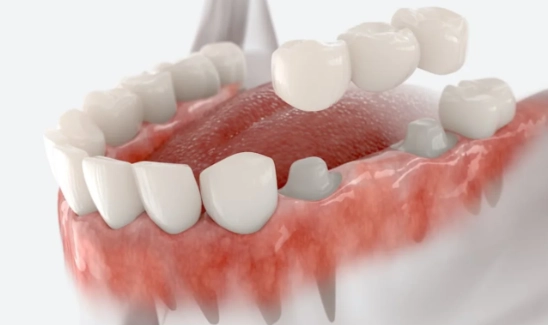
Stop right there.
As someone who's worked in cosmetic dentistry for over a decade, I've seen the aftermath of well-intentioned but disastrous home repairs. This guide cuts through the panic and gives you the clear, professional steps you need to take. We'll explore why crowns fail, why household glue is a one-way ticket to more pain and expense, and what a dentist actually does to fix it for good.
What’s Inside This Guide
Why Dental Crowns Come Loose in the First Place
Crowns don't just fall off for no reason. Understanding the 'why' helps you prevent it next time and tells your dentist what to look for. The cement bond can fail for several reasons, and it's rarely just one.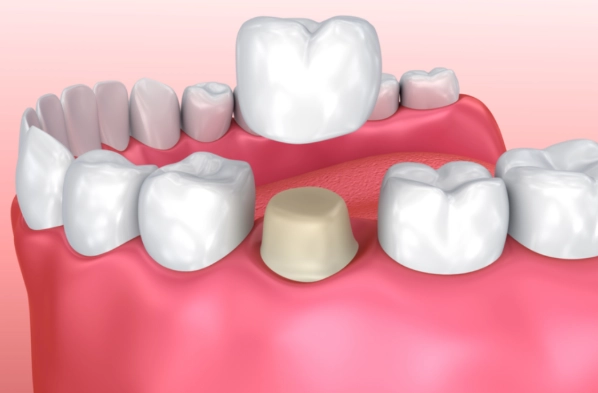
Secondary Decay is the silent champion of crown failure. The crown itself can't decay, but the tooth underneath it can. If bacteria sneak past the margin (the tiny seam where crown meets tooth), they feast on the natural tooth structure. This decay undermines the foundation, eating away at the cement's grip. You might not feel it until the crown is literally floating on a cavity.
Chewing Forces and Habits play a huge role. Are you a nighttime grinder? Do you unconsciously crunch ice or use your teeth as tools? That constant, abnormal pressure creates micro-fractures in the cement layer and stresses the tooth. A crown on a molar, which bears 70-150 pounds of force per bite, is under constant assault.
Then there's Old or Failed Cement. Dental cement technology has improved. Older cements were more like fancy glue. Modern resin cements actually form a micro-mechanical and sometimes chemical bond with the tooth. If your crown is 10+ years old, the cement may have simply worn out or degraded.
Let's not forget simple Geometry. A crown on a short, heavily worn-down tooth has less surface area to grip. It's like trying to stick two smooth pebbles together versus two rough bricks.
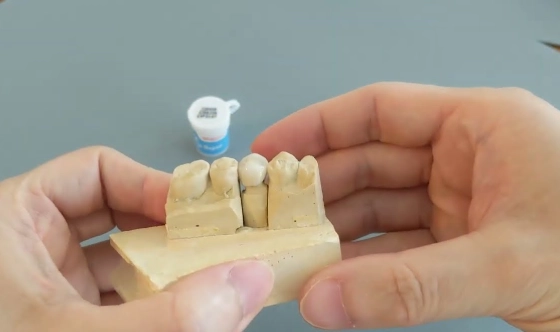
What to Do Immediately If Your Crown Falls Out
Panic mode: engaged. Here's your action plan, in order.
- Retrieve and Rinse. Find the crown. Hold it by the chewing surface, not the hollow inside. Rinse it gently under lukewarm water to remove debris. Do not scrub it. Scrubbing can erase microscopic details crucial for fit.
- Assess the Tooth. Rinse your mouth with warm salt water. This cleans the area and soothes the gums. The exposed tooth stub (the 'prep') will be sensitive, maybe even sharp. Be careful.
- Call Your Dentist. This is not optional. Explain it's a dental emergency. A good office will get you in within 24-48 hours. The longer the tooth is exposed, the higher the risk of shifting, decay, or damage.
- The Temporary Hold (If Needed). If you can't see a dentist immediately (say, it's Friday night), you can use a temporary dental cement from a pharmacy. Brands like Dentemp are designed for this. Follow the instructions to the letter. This is a temporary solution measured in days, not weeks.
How a Dentist Permanently Fixes a Loose or Fallen Crown
Here's what a good dentist will do, which is why the DIY approach falls so short.
Step 1: Examination and Cleaning. The dentist isn't just popping the crown back on. They'll examine the crown itself for cracks or wear. Then, they'll meticulously clean out all the old cement from inside the crown. This takes time and a special dental drill. Any leftover cement will prevent a proper fit.
Step 2: Tooth Assessment. This is the most critical part everyone misses at home. The dentist will examine the underlying tooth. Is there new decay? Has the tooth broken? They may need to take an X-ray to check the root health. If there's decay, it must be removed and the tooth rebuilt before the crown goes back on.
Step 3: Trial Fit and Bite Check. The dentist will try the crown on dry to ensure it seats perfectly flush with your gum line. They'll have you bite down on a special paper to check the occlusion (your bite). If the crown is even a hair too high, it will cause pain and fail quickly. This step is impossible to do correctly by yourself.
Step 4: Isolation and Bonding. The tooth must be perfectly dry and isolated from saliva. Dentists use rubber dams or cotton rolls. Saliva contamination is the #1 reason bond strength plummets. They then apply the professional-grade, permanent dental cement, seat the crown, and hold it under pressure as it sets.
Step 5: Final Clean-up and Polish. They remove any excess cement from around the edges and polish it smooth. Leaving cement rough invites plaque buildup.
The Glue They Actually Use: Cement Types
Not all dental 'glue' is the same. Here's a breakdown of what professionals use versus what you find at the store.
td>Extremely strong bond, tooth-colored, excellent seal against leakage.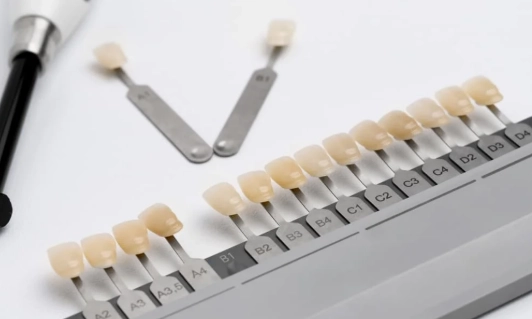
| Type | Used For | Pros | Cons / Lifespan |
|---|---|---|---|
| Resin Cement | Most modern crowns (porcelain, zirconia). Gold standard for strength & seal. | Technique-sensitive, requires perfect isolation. Can last 10+ years. | |
| Glass Ionomer | Temporary crowns, some permanent crowns where less strength is needed. | Releases fluoride (helps prevent decay), easier to use. | Weaker than resin, more soluble. Lifespan 5-10 years. |
| Zinc Phosphate | Old-school cement, rare now. | Long clinical history, reliable. | No chemical bond, weaker, more leakage. Being phased out. |
| Pharmacy Temporary Cement (e.g., Dentemp) | Short-term emergency hold ONLY. | Non-toxic, designed for oral use, easy to remove. | Very weak bond, dissolves quickly. Lasts days to a few weeks. |
| Household Super Glue | NEVER FOR DENTAL USE | None for dental purposes. | Toxic, causes tissue damage, traps infection, ruins the crown. |
The Real Dangers of Gluing Your Crown at Home
Let's be brutally honest about why the 'glue crown tooth' internet search is so dangerous.
First, toxicity and tissue damage. Cyanoacrylate (super glue) heats up as it cures. Inside the confined space of a crown on a sensitive tooth, this can cause a thermal burn to the nerve. It's also chemically irritating and not biocompatible.
Second, you guarantee an infection. You cannot sterilize the crown or the tooth at home. You're sealing bacteria under a toxic, non-porous layer. It's a petri dish on your tooth root, often leading to abscess and the need for a root canal.
Third, you destroy the crown's fit. Super glue fills the microscopic retentive features inside the crown. When you finally see a dentist, they cannot get it off without destroying the crown entirely. You turn a $150 re-cement appointment into a $1500+ new crown appointment.
I had a patient, let's call him Mark, who used super glue. By the time he came in two weeks later in agony, the glue had leaked onto his gum, causing an ulcer. The tooth underneath was inflamed beyond saving. We lost the tooth. All because he wanted to save a weekend trip to the emergency dentist.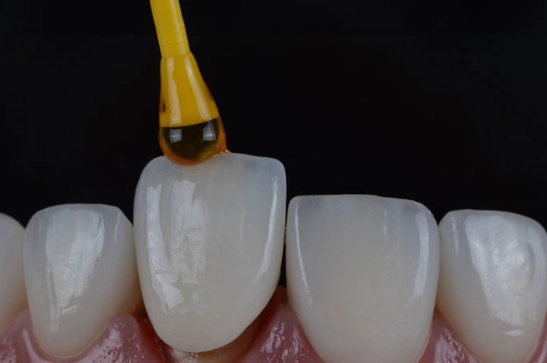
It's a dental disaster waiting to happen.
How to Prevent This From Happening Again
Once fixed, keep it that way.
- Master Your Flossing Technique. Don't snap the floss down. Instead, pull it through the side of the contact gently. Use a floss threader or water flosser to clean under the crown's gum margin daily. This fights the #1 cause: decay.
- Address Grinding and Clenching. If you wake up with jaw soreness or your partner hears grinding, you need a nightguard. It's a custom-fit mouthguard that absorbs the crushing forces that break cement and teeth. It's the best insurance for any restorative work.
- Mind Your Diet. Avoid using your crowned teeth to crack nuts, chew ice, or tear open packages. Be cautious with extremely sticky foods like taffy or hard candies.
- Regular Dental Check-ups. Your dentist can spot early signs of cement washout or decay at the margin on an X-ray long before the crown feels loose. The American Dental Association recommends visits at least every six months, but for someone with multiple crowns, sticking to that schedule is key.
Your Crown Crisis Questions Answered
The bottom line on 'glue crown tooth' is this: the internet is full of quick fixes that lead to long-term problems. Your crown is a significant investment in your oral health. When it fails, treat it with the care it deserves. Skip the household glue, manage the situation calmly with the steps above, and get to a professional. Your tooth—and your wallet—will thank you for years to come.
Leave a Reply