What You’ll Find in This Guide
- What Exactly Is a Canker Sore (And What It's Not)
- The Big Question: Why Do I Keep Getting Canker Sores? The 12 Most Common Culprits
- How to Get Rid of a Canker Sore Fast: Treatment Tiers
- The Long-Term Game: How to Prevent Canker Sores from Coming Back
- When "Why Do I Keep Getting Canker Sores" Means It's Time to See a Doctor or Dentist
- Common Questions (And Straight Answers) About Recurrent Canker Sores
If you're reading this, you've probably asked yourself "why do I keep getting canker sores?" more times than you can count. That familiar, stinging prelude, the white or yellow ulcer appearing on your inner cheek, lip, or tongue—it's frustrating, painful, and it seems to happen at the worst possible times. You're not just imagining it, and you're certainly not alone. For some people, these aphthous ulcers (their medical name) are a rare nuisance. For others, they're a recurring nightmare.
I used to think it was just bad luck or maybe that I was biting my cheek in my sleep. But after a particularly brutal month where I seemed to trade one sore for another, I decided to dig deeper. What I found wasn't one simple answer, but a whole web of potential triggers and underlying factors. The truth is, asking why do I keep getting canker sores is the right question, because for recurrent cases, there's almost always a reason. It's your body's way of waving a red flag.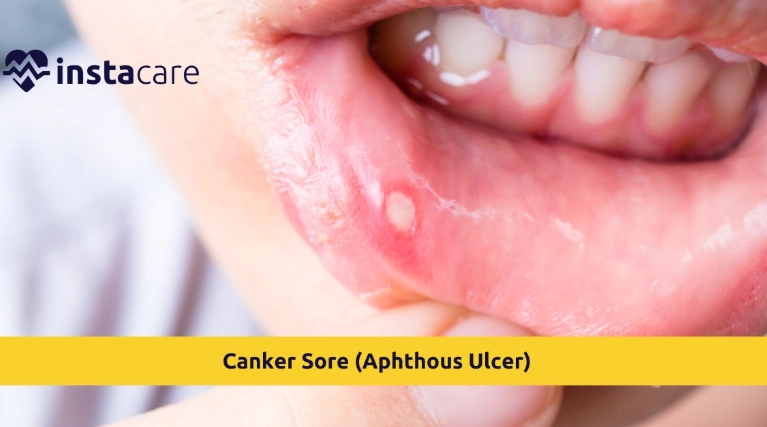
What Exactly Is a Canker Sore (And What It's Not)
Before we dive into the "why," let's be sure we're talking about the same thing. A canker sore is a small, shallow ulcer that develops on the soft tissues inside your mouth—on the gums, inside the cheeks or lips, on the tongue, or on the soft palate. They're usually round or oval with a white or yellowish center and a red border. They hurt, especially when eating, drinking, or talking.
Crucially, they are not cold sores.
Cold sores, caused by the herpes simplex virus, appear on the outside of your lips and are contagious. Canker sores are inside the mouth and are not contagious at all. You can't "catch" them or give them to someone else through kissing or sharing utensils. This is a key distinction that brings a little relief, even if the pain doesn't.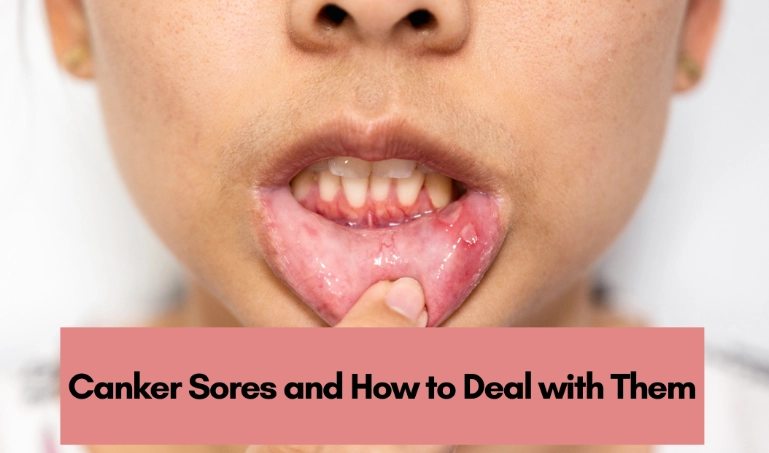
The Big Question: Why Do I Keep Getting Canker Sores? The 12 Most Common Culprits
The medical community acknowledges that the exact cause isn't always pinpointed for everyone, but decades of research and clinical observation have identified a solid list of usual suspects. Think of this as your checklist. Often, it's not one thing, but a combination of two or three that pushes you over the edge.
1. Minor Mouth Trauma (The Physical Trigger)
This is the most straightforward trigger. Your mouth lining is delicate. A sharp jab from your toothbrush, a bite from a crunchy chip, a nick from dental work, or even an accidental cheek bite while eating can be the spark. For people prone to canker sores, this minor injury doesn't heal normally—it turns into an ulcer. If you're always asking "why do I keep getting canker sores," look at your brushing technique or if you tend to eat in a hurry.
2. Food Sensitivities and Acidic Foods
This is a huge one. Certain foods can directly irritate the mouth lining or trigger an immune response that leads to ulcer formation. The top offenders tend to be:
- Acidic fruits: Citrus (oranges, lemons, grapefruit), pineapples, tomatoes, and strawberries.
- Sharp or abrasive foods: Potato chips, crusty bread, pretzels.
- Common irritants: Chocolate, coffee, eggs, nuts (especially walnuts), soy, and cheese.
- Additives: Some people react to cinnamon flavoring or sodium lauryl sulfate (SLS), a foaming agent found in many toothpastes.
It's not always an allergy in the classic sense. It can be a sensitivity. The connection isn't always immediate, either, which makes it tricky to spot.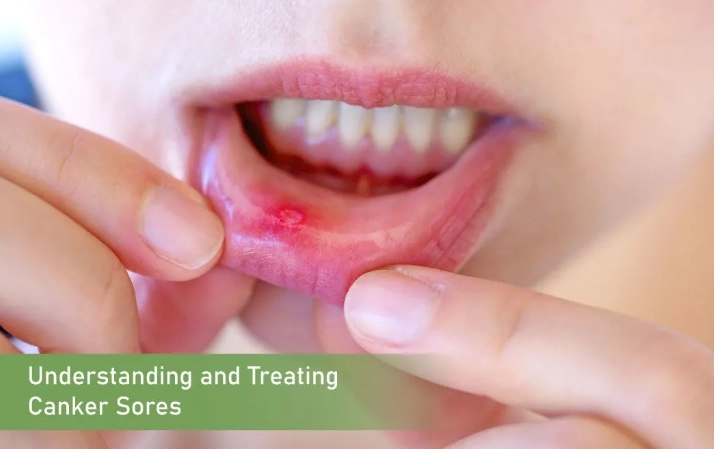
3. Stress and Emotional Upset
Don't underestimate this. It's not "all in your head." High stress directly impacts your immune system and can make you more susceptible to all sorts of inflammatory issues, including canker sores. Exam periods, big work deadlines, or personal crises are classic times for outbreaks. Your body manifests the stress physically.
4. Nutritional Deficiencies
This is where many online discussions fall short. It's not just about "eating healthy." Specific deficiencies are strongly linked to recurrent aphthous stomatitis (the medical term for recurring canker sores). The big three are:
| Nutrient | Role in Mouth Health | Common Dietary Sources |
|---|---|---|
| Vitamin B12 | Crucial for cell reproduction and healthy nerve function. Deficiency can cause mouth inflammation. | Meat, fish, poultry, eggs, dairy, fortified cereals. |
| Iron | Essential for oxygen transport and immune function. Low iron is a well-documented trigger. | Red meat, beans, lentils, spinach, fortified grains. |
| Folate (Vitamin B9) | Vital for tissue growth and cell function. Deficiency impairs mucosal repair. | Leafy greens, legumes, nuts, seeds, avocados. |
| Zinc | Supports immune response and wound healing. | Shellfish, meat, pumpkin seeds, lentils. |
If you're vegetarian, vegan, or have digestive issues that affect absorption (like Celiac disease), you're at higher risk for these deficiencies. A simple blood test from your doctor can check your levels. The National Institutes of Health (NIH) Office of Dietary Supplements provides detailed, science-backed information on these nutrients.
5. Hormonal Fluctuations
Many women report outbreaks linked to their menstrual cycle, typically just before their period when progesterone levels drop. Pregnancy and menopause can also change the frequency. It's another piece of the puzzle for those wondering why do I keep getting canker sores at specific times of the month.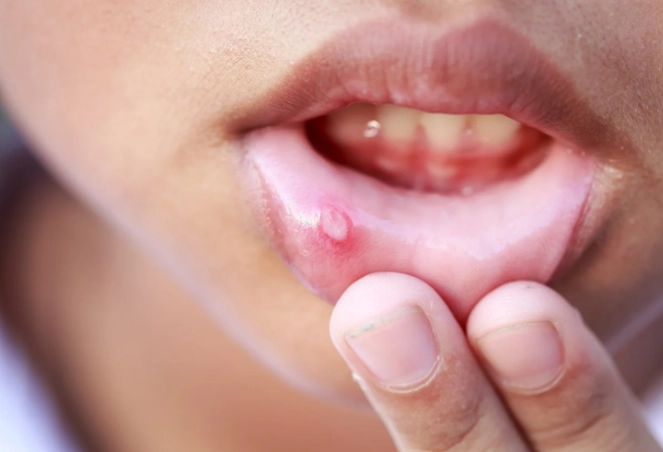
6. Underlying Health Conditions
Sometimes, recurrent canker sores are a symptom of a broader systemic condition. This is why persistent sores warrant a doctor's visit. Associated conditions include:
- Celiac Disease: An autoimmune reaction to gluten that can cause nutrient malabsorption and mouth ulcers as a primary symptom.
- Inflammatory Bowel Disease (IBD): Crohn's disease and ulcerative colitis often have oral manifestations.
- Behçet's Disease: A rare disorder causing inflammation in blood vessels, with recurrent oral ulcers as a hallmark sign.
- HIV/AIDS: Can cause severe, persistent mouth ulcers due to a compromised immune system.
The Mayo Clinic's overview on canker sores lists these potential connections, emphasizing the importance of medical evaluation for severe or non-healing cases.
7. Toothpaste and Mouthwash with SLS
Sodium lauryl sulfate (SLS) is a detergent that creates foam. It's in most mainstream toothpastes. For some people, it's a direct irritant that strips away a protective layer in the mouth, making it easier for sores to form. Switching to an SLS-free toothpaste is one of the easiest and most effective experiments you can try.
8. Food Allergies or Intolerances
Separate from sensitivities, a true IgE-mediated allergy to foods like nuts, shellfish, or dairy can sometimes present with oral symptoms, including ulcers, as part of a reaction.
9. A Weakened Immune System
Even a common cold, flu, or being run down can lower your body's defenses and create an opportunity for a sore to erupt. It's why you might get one when you're already feeling sick.
10. Genetics
If your parents got them, you're more likely to get them. Studies suggest about one-third of people with recurrent canker sores have a family history. You can't change your genes, but knowing this predisposition helps you be more vigilant about managing the triggers you can control.
11. Quitting Smoking
An ironic one. Smoking causes a protective keratinization of the mouth lining. When you quit, the tissue becomes softer and more susceptible to ulcers for a while. This is a temporary but common phase that should improve.
12. Certain Medications
Some drugs list mouth ulcers as a rare side effect. These can include common pain relievers like ibuprofen (NSAIDs), beta-blockers, some chemotherapy drugs, and others. Never stop a prescribed medication without consulting your doctor, but do mention your sores to them.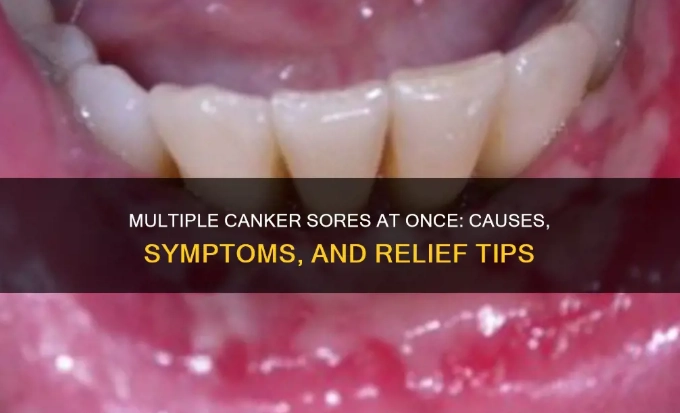
How to Get Rid of a Canker Sore Fast: Treatment Tiers
Okay, so you have one right now. It hurts. What actually works to speed healing and dull the pain? Let's break it down from simple home care to pharmacy options.
Immediate Home Care and Remedies
These aim to reduce pain, prevent secondary infection, and create a better healing environment.
- Salt Water Rinse: The old standby for a reason. Dissolve 1/2 teaspoon of salt in a cup of warm water. Swish gently for 30 seconds, 3-4 times a day. It stings initially but helps clean the area and reduce inflammation.
- Baking Soda Rinse: Similar concept. 1 teaspoon baking soda in half a cup of warm water. It can help neutralize acids and soothe.
- Diluted Hydrogen Peroxide Rinse: Mix one part 3% hydrogen peroxide with one part water. Apply with a cotton swab directly to the sore, or use as a rinse (don't swallow). It's an antiseptic. The American Dental Association (ADA) discusses the role of antimicrobial rinses in oral care.
- Honey: Specifically manuka honey, which has strong antibacterial and anti-inflammatory properties. Dab a small amount directly on the sore after rinsing.
- Milk of Magnesia: Dab it on the sore. It's alkaline and can coat the ulcer, providing some pain relief.
- Avoid the Triggers: While you have a sore, be extra careful to avoid acidic, spicy, salty, or rough foods. It's not the time for orange juice or salsa.
Over-the-Counter (OTC) Products
These are more targeted and often more effective than general home remedies.
- Protective Pastes/Gels (Orabase, etc.): These create a protective barrier over the sore, shielding it from food and saliva, which significantly reduces pain during eating.
- Topical Anesthetics: Products containing benzocaine (like Orajel) or lidocaine numb the area for temporary pain relief. Use sparingly as directed.
- Antimicrobial Mouthwashes: Rinses containing chlorhexidine gluconate (available by brand name in many countries) can reduce bacterial load and promote healing, though they can temporarily stain teeth.
- Debacterol or Similar Cauterizing Agents: These are applied by a dentist or doctor. They chemically cauterize the sore, which can dramatically reduce pain within hours and speed healing. It's a more professional-grade option.
The goal of treatment is to get you through the painful phase (usually the first 3-4 days) and help the sore heal, which typically takes 7-14 days for minor ones.
The Long-Term Game: How to Prevent Canker Sores from Coming Back
Treating the sore is crisis management. Preventing the next one is the real victory. This is your action plan, built from the causes we discussed.
Diet and Nutrition Strategy
- Identify Food Triggers: Use your diary. Consider an elimination diet if needed, removing the top suspects (citrus, nuts, chocolate, acidic foods) for 3-4 weeks, then reintroducing one at a time.
- Get Tested for Deficiencies: Talk to your doctor. A simple blood panel checking B12, iron, ferritin (stored iron), folate, and zinc can be illuminating. Supplementing under a doctor's guidance can be a game-changer.
- Eat a Balanced, Non-Abrasive Diet: Focus on whole foods, soft-cooked vegetables, lean proteins, and whole grains. Be mindful of texture.
Oral Care Overhaul
- Switch to an SLS-Free Toothpaste: This is low-hanging fruit. Many major brands now offer SLS-free versions, or look for natural brands.
- Use a Soft-Bristled Toothbrush: And replace it every 3-4 months. Brush gently. Seriously, you don't need to scrub your gums off.
- Consider Your Dental Work: Ill-fitting dentures or sharp braces can be a constant source of trauma. Talk to your dentist about smoothing rough edges.
Lifestyle and Health Management
- Manage Stress: I know, easier said than done. But find what works for you—walking, meditation, yoga, reading, whatever helps you decompress. It's not fluff; it's medicine for your immune system.
- Prioritize Sleep: Chronic sleep deprivation is a major stressor on the body.
- Stay Hydrated: A dry mouth is more susceptible to irritation.
- Address Underlying Conditions: If you suspect something like Celiac disease or IBD, pursue a diagnosis. Managing the root condition often resolves the mouth ulcers.
When "Why Do I Keep Getting Canker Sores" Means It's Time to See a Doctor or Dentist
Most canker sores are benign and manageable at home. But there are red flags. You should seek professional medical or dental advice if: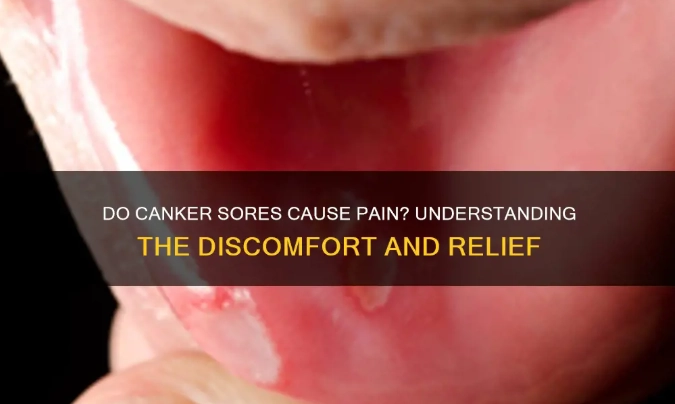
- Your sores are unusually large (greater than 1 cm in diameter).
- You have a cluster of many sores at once.
- New sores appear before old ones heal, leading to constant pain.
- A sore lasts more than two weeks without signs of healing.
- The pain is so severe you can't eat or drink.
- You have a high fever along with the mouth sores.
- You experience sores on the outer lips as well (possible cold sores/herpes).
- Your recurrent sores start later in life (after age 30-40) with no prior history.
A doctor or dentist can rule out more serious conditions, provide stronger prescription treatments (like topical corticosteroids, which are powerful anti-inflammatories), or refer you to a specialist like an oral medicine expert or a gastroenterologist if an underlying condition is suspected.
Common Questions (And Straight Answers) About Recurrent Canker Sores
Breaking the cycle of recurrent canker sores takes some detective work and patience. It's about moving from just treating the painful symptom to understanding the message your body is sending. Start with the easy fixes—the SLS-free toothpaste, the food diary, the gentle brushing. Don't hesitate to loop in your doctor for those simple blood tests. You don't have to just accept that this is how it's always going to be. By understanding the many answers to "why do I keep getting canker sores," you're already on the path to fewer outbreaks and a more comfortable life.