Your Reading Roadmap
- Why Your Jaw Might Be Throwing a Tantrum After the Dentist
- The Timeline: How Long Should You Really Expect This Pain?
- Red Flags: When It's More Than Just Normal Soreness
- Your At-Home Relief Toolkit: What Actually Works
- Digging Deeper: The TMJ and Filling Connection
- Answering Your Burning Questions (The FAQ Section)
- Final Thoughts: Patience and Awareness
So you just left the dentist's chair, feeling victorious for tackling that cavity. But now, a few hours later, you're sitting there thinking, "Why does my jaw hurt after a filling?" And more importantly, the big question starts nagging at you: how long is this going to last?
Let me tell you, you're not alone. It's one of the most common things people google after dental work. I remember after a particularly deep filling I had years ago, my jaw felt stiff for what seemed like ages. I was convinced I'd done permanent damage just from keeping my mouth open. Spoiler alert: I hadn't. But that worry is real, and it's exactly why we're going to break this down, no fancy jargon, just straight talk.
This isn't just about naming the problem. We're going to dig into the why, map out a realistic timeline for that jaw pain after filling, figure out what's normal versus what's a red flag, and most importantly, what you can actually do about it at home. Consider this your go-to guide for getting through the post-filling ache.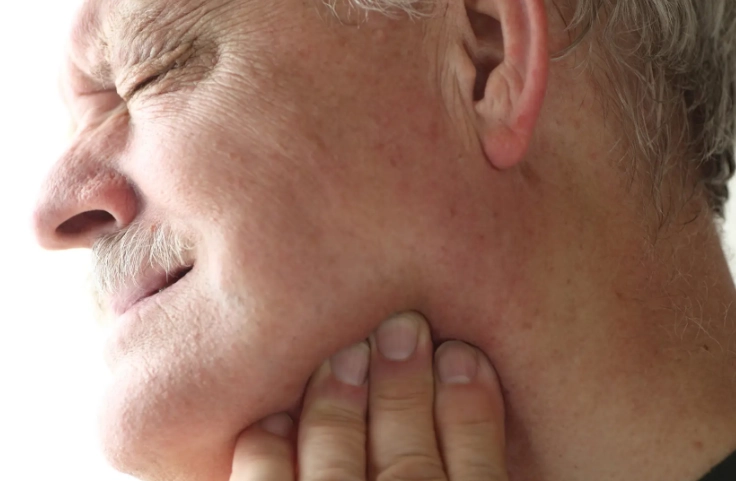
Why Your Jaw Might Be Throwing a Tantrum After the Dentist
First things first, let's calm the panic. In the vast majority of cases, some soreness is a normal, temporary side effect. It's not your filling "going wrong." Think of it like a muscle workout you didn't sign up for. Here are the main culprits behind that ache:
The Marathon Mouth Opening
This is the big one, the MVP of causes. Your temporomandibular joint (TMJ) and all the muscles that help you chew, talk, and yawn aren't designed to stay wide open for 30, 45, sometimes 60 minutes straight. It's a strain, plain and simple. The longer the procedure, the more likely you'll feel it. The joint itself might feel stiff, and the muscles (like the masseter on the side of your face) can feel tight and sore, almost like you've been chewing gum for hours.
The Dentist's Necessary Wrestling Match
Let's be honest. To get to that back molar, your dentist and their assistant sometimes have to gently position your cheek and tongue. They use tools like dental dams or suction devices. It's all gentle and professional, but it's still pressure and stretching in an area that's not used to it. This can contribute to that overall feeling of having "worked" your jaw.
The Tooth Itself: Inflammation and Sensitivity
The filling process isn't passive for your tooth. Drilling removes decay, but it also generates heat and vibration. Your tooth's innermost layer, the pulp, contains nerves and blood vessels. Even with modern techniques and water cooling, it can get a bit irritated and inflamed. This inflammation can sometimes refer pain or a feeling of pressure to the surrounding jawbone, making it hard to pinpoint if it's the tooth or the jaw that hurts. This is a key reason why the timeline for jaw pain after filling how long it lasts can vary.
A Bite That's Just a Hair Off
This is a sneaky one. After your filling sets, your dentist checks your bite by having you tap your teeth together on a special paper. The goal is to make sure the new filling isn't sitting too high. But sometimes, a tiny, almost imperceptible high spot can remain. Your jaw muscles, in their quest for a comfortable resting position, will constantly try to adjust around it, leading to muscle fatigue and pain that feels like it's in the joint. This pain often gets worse with chewing.
The Timeline: How Long Should You Really Expect This Pain?
Okay, so we know the why. Now for the million-dollar question: how long does jaw pain last after a filling? Let's get realistic. Throwing out a single number like "48 hours" is useless because it depends entirely on why you're hurting.
Here’s a more helpful breakdown. Think of it in phases.
| Type of Discomfort | Primary Cause | Typical Duration | What It Feels Like |
|---|---|---|---|
| Muscle Soreness & Stiffness | Prolonged mouth opening, muscle strain | 24 to 72 hours | A dull ache in the joint or along the jawline, stiffness when opening wide. Similar to post-workout soreness. |
| Tooth Sensitivity & Ache | Inflammation of the tooth pulp (pulpitis) | Few days to 2 weeks | Sharp zings with hot/cold/sweet, or a persistent dull ache originating from the tooth itself. |
| Bite-Related Jaw Pain | High filling causing uneven pressure | Persists until adjusted | Pain increases with chewing or biting down. A feeling that your teeth don't meet comfortably. |
| TMJ Joint Discomfort | Strain on the temporomandibular joint | 3 to 7 days | Pain directly in front of the ear, clicking/popping sounds, limited jaw movement. |
See the range? For most people dealing with simple muscle fatigue from keeping their mouth open, the worst is over in a couple of days. It improves steadily each day. If your pain is primarily from the tooth settling down, it might take a week or two to fully fade, but it should be noticeably better after the first few days, not worse.
The general rule of thumb?
Any significant jaw pain after filling should show clear signs of improvement within the first 3 to 4 days. If it's staying the same or, crucially, getting worse after that point, it's time to consider other factors (like that bite issue) and probably call your dentist. That's the key takeaway when wondering how long jaw pain should last after filling.
Red Flags: When It's More Than Just Normal Soreness
This is the part you really need to pay attention to. While most post-filling aches are benign, you need to know the signs that something else might be going on. Don't ignore these.
- Severe, throbbing, or pounding pain that painkillers don't touch. This isn't a dull ache; it's intense and keeps you up at night.
- Pain that gets worse after the first 2-3 days instead of better.
- Visible swelling in your cheek, jaw, or gums near the tooth.
- A fever or feeling generally unwell.
- A bad taste or pus coming from around the tooth.
- Pain so bad it radiates to your ear, temple, or neck on that side.
These can be signs of an infection, a severely irritated nerve, or another complication that needs professional attention. It's rare, but it happens. Trust me, getting it checked is always better than hoping it goes away. A quick visit can rule out serious issues and give you peace of mind.
Your At-Home Relief Toolkit: What Actually Works
Okay, so you're in the "normal soreness" zone. What can you do besides wait it out? Plenty. Here’s a list of strategies I've found useful and that are backed by common sense and dental advice.
Top Strategies for Soothing Jaw Pain
- The Cold Compress (First 24-48 hours): Wrap an ice pack or a bag of frozen peas in a thin cloth. Apply it to the sore side of your jaw for 15-20 minutes at a time, with breaks in between. This reduces inflammation and numbs the area. It's a classic for a reason.
- Soft Diet Commitment: Give your jaw a vacation. Soups, yogurt, mashed potatoes, smoothies, scrambled eggs. Avoid anything crunchy, chewy, or that requires big bites (like sandwiches). This is non-negotiable for at least a couple of days.
- Over-the-Counter Help: Ibuprofen (Advil, Motrin) is often more effective than acetaminophen (Tylenol) for this type of pain because it tackles both pain and inflammation. Always follow the label instructions and check with your doctor if you have any health conditions.
- Gentle Jaw Stretches (After 48 hours): Once the initial acute soreness subsides, try slow, gentle movements. Open and close your mouth slowly without forcing it. Move your jaw gently side to side. Think of it as gentle physical therapy, not a stretch. If it hurts, stop.
- Mindful Relaxation: Stress makes us clench our jaws, even in our sleep. Be aware of it. Try to keep your teeth slightly apart and your lips together during the day. Some people find a warm (not hot) compress helpful after the first two days to relax tight muscles.
One thing I'd avoid? Aggressive massage or trying to "crack" your jaw to relieve pressure. You can easily aggravate things. Gentle is the way.
Digging Deeper: The TMJ and Filling Connection
If you already have a history of jaw problems, like TMJ disorder (TMD), you might be more sensitive. The strain of a long dental appointment can definitely flare up underlying issues. The American Dental Association has a great patient resource on Temporomandibular Disorders that explains the condition in detail.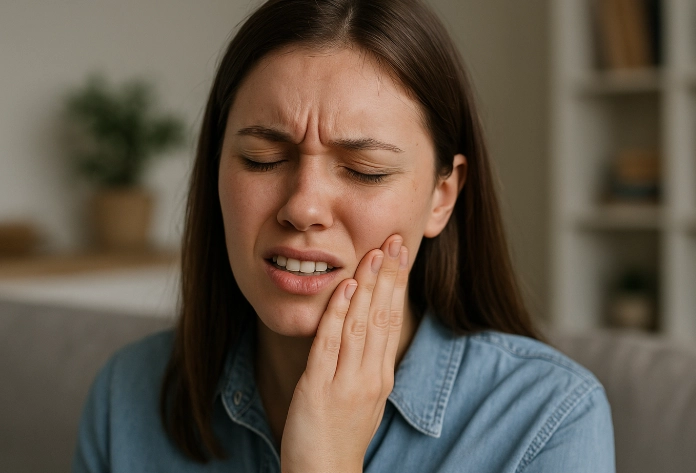
If you know you have a touchy jaw, tell your dentist before they start. They can offer more breaks during the procedure, use a bite block that's more comfortable, and be extra mindful of your positioning. It makes a world of difference. The timeline for jaw pain after filling how long it lingers can be longer for those with pre-existing TMJ issues, so extra patience and care are key.
Answering Your Burning Questions (The FAQ Section)
Let's tackle some of the specific questions that keep popping up. These are the things you might be too embarrassed to call and ask about.

Final Thoughts: Patience and Awareness
Look, dental work is a physical procedure. Some aftermath is normal. When you search jaw pain after filling how long, you're looking for reassurance and a plan. I hope this gives you both.
The main things to remember? Soreness from keeping your mouth open is common and usually clears up in a few days. Pain from the tooth itself should steadily improve over a week or two. Anything that gets worse, is severe, or comes with swelling needs a professional look.
Be kind to your jaw. Feed it soft foods, use cold packs, and let it rest. And communicate with your dentist. They can't fix what they don't know about. Most of the time, this is just a temporary bump on the road to a healthy tooth. Hang in there, and give it the few days it needs to settle down.
Leave a Reply