Quick Guide
Let's be honest for a second. The whole "teething" phase can feel like a giant, confusing mystery. One day your happy, smiley baby is fine, and the next they're fussy, drooling like a fountain, and chewing on everything in sight (including your finger, with surprising force). You're left wondering: is this normal? Is my baby actually in pain, or just uncomfortable? And most importantly, how to know if baby is in pain from teething for sure, and what can I actually do about it?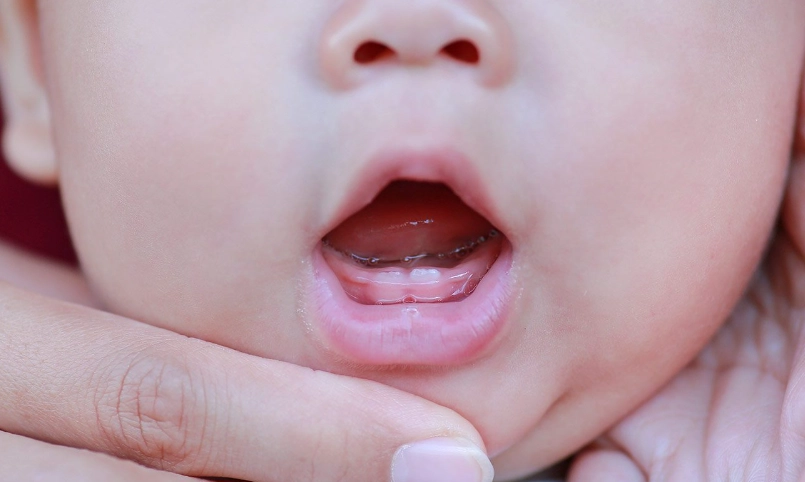
I remember staring at my firstborn, a little bundle of red-faced misery at 3 a.m., and feeling utterly helpless. Was it an ear infection? A tummy ache? Or just a tooth trying to break through? I spent hours online, sifting through conflicting advice. That's why I wanted to write this guide—not as a medical professional, but as a parent who's been in the trenches. We'll cut through the old wives' tales and get to the practical, evidence-based signs and solutions.
The truth is, teething discomfort is real for many babies, but its intensity varies wildly. Some babies sail through with barely a whimper, while others have a really tough time. Your job isn't to be a mind-reader, but to become a savvy symptom detective.
The Top Signs Your Baby Is Teething (And Might Be in Discomfort)
Figuring out how to know if baby is in pain from teething starts with knowing what to look for. These symptoms usually pop up a few days before a tooth erupts and may linger until it's fully through the gum. They often come in clusters, not just one at a time.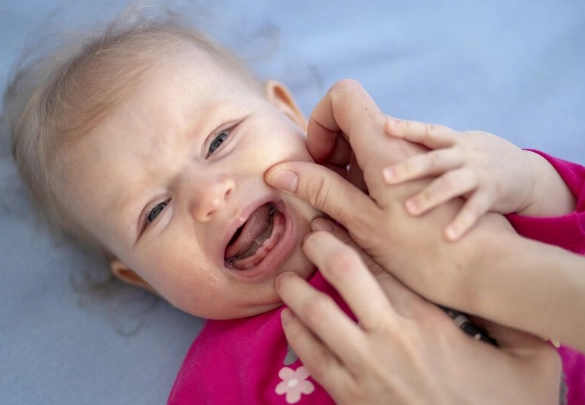
The Classic, Most Common Symptoms
These are the signs you'll hear about from every pediatrician and experienced parent. They're the hallmark indicators that a tooth is on the move.
- Excessive Drooling: This is the big one. You might go through bibs and shirts at an alarming rate. All that saliva can sometimes cause a harmless rash around the mouth, chin, or neck. Just keep the area gently patted dry.
- Chewing and Gnawing on Everything: Your baby's world becomes one big teether. Fingers, toys, crib rails, your shoulder—pressure on the gums counteracts the pressure from the tooth pushing up. It's a natural instinct.
- Swollen, Tender Gums: If you gently feel your baby's gums (with clean hands!), you might notice a bump or an area that looks puffy, red, and inflamed. Sometimes you can even see a whitish outline of the tooth beneath the surface.
- Fussiness and Irritability: This is a big clue in the puzzle of how to know if baby is in pain from teething. The constant, dull ache can make even the most easygoing baby cranky, especially in the afternoon or evening.
- Disturbed Sleep: The discomfort doesn't clock out at bedtime. A baby who was sleeping well might start waking more frequently because the pain intensifies when they're lying down and not distracted.
The Secondary, Less Obvious Signs
These symptoms are more debated. They can be related to teething, but they can also signal other issues. It's crucial to consider them in context with the classic signs above.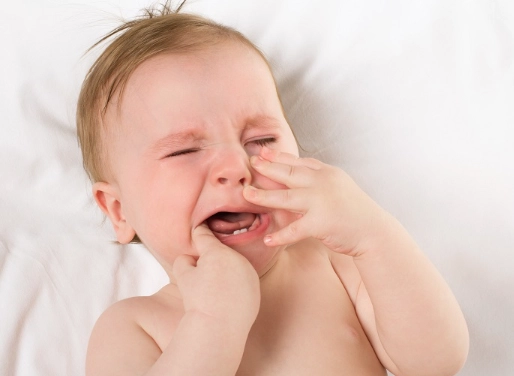
- Mild Temperature Elevation: Here's a critical point: teething might cause a very slight rise in body temperature. According to the American Academy of Pediatrics (AAP), teething does not cause a true fever (defined as 100.4°F or 38°C or higher). If your baby has a high fever, it's likely due to an illness and you should call your doctor. You can read the AAP's stance on teething and fever on their Healthy Children website.
- Ear Pulling or Cheek Rubbing: The nerves in the gums share pathways with those in the ears and cheeks. So, gum pain can be "referred" and felt in those areas. However, this is also a prime sign of an ear infection, so careful observation is key.
- Changes in Eating Habits: Some babies want to nurse or bottle-feed more for comfort. Others, especially those on solids, may refuse food or the bottle because the sucking or chewing action hurts their sore gums.
- Mild, Loose Stools: All that extra swallowed saliva can sometimes loosen stools a bit. But teething should not cause severe diarrhea, vomiting, or a rash on the body.
See what I mean about context? One or two of these secondary signs alongside the classic ones point to teething. A bunch of the secondary signs alone, especially a fever, point to calling the pediatrician.
What Teething is NOT: Red Flags to Watch For
This is where a lot of misinformation floats around. Blaming every ailment on "teething" can lead to missing a more serious problem. Let's be clear.
True teething should not cause:
- A high fever (over 100.4°F / 38°C)
- Severe diarrhea or vomiting
- A full-body rash
- Lethargy or extreme listlessness
- Signs of dehydration (fewer wet diapers, no tears when crying, sunken soft spot)
If your baby exhibits any of these symptoms, the cause is almost certainly not teething. It's an illness, and it's time to seek medical advice. This distinction is arguably the most important part of learning how to know if baby is in pain from teething versus something else.
Your Action Plan: Soothing a Teething Baby in Pain
Okay, so you've determined your baby is likely teething and in discomfort. What now? Let's talk about what actually works, ranked from simple, safe pressure techniques to medicinal options (used sparingly and wisely).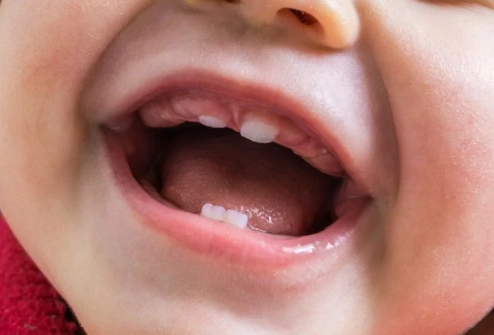
First-Line, Drug-Free Relief (The Go-To Methods)
Always start here. These methods are safe, effective for mild to moderate discomfort, and you can use them as often as needed.
| Method | How It Works | Tips & Personal Notes |
|---|---|---|
| Cold Therapy | Numbs the gums and reduces inflammation. | A chilled (not frozen solid) wet washcloth is a classic for a reason. Let them gnaw on it. You can also use silicone teethers designed to be chilled in the fridge (not freezer). I found the ones with textured surfaces were a bigger hit. |
| Firm Pressure | Counteracts the pressure from the emerging tooth. | Clean finger massage is gold. Just wash your hands and gently rub the sore gum. Silicone finger brushes work great too. Also, teething toys made of firm rubber. |
| Chewing on Safe, Hard Foods | Provides pressure and distraction. | For babies already on solids: a large, cold chunk of cucumber or carrot (too big to choke on), or a refrigerated banana. Always supervise closely to prevent choking. |
| Comfort and Distraction | Sometimes the pain is worse when bored. | Extra cuddles, a change of scenery, a new song, a warm bath. It sounds simple, but it works wonders for low-grade fussiness. |
You'll develop your own favorites. For us, the cold washcloth was the undisputed champion during the worst of it.
When to Consider Pain Medication
Sometimes, the drug-free methods aren't enough, especially at night when the pain seems to peak and disrupts everyone's sleep. This is a personal parenting decision, but here's the general guidance.
If your baby is clearly in significant pain—crying inconsolably, unable to sleep or eat—a dose of infant acetaminophen (Tylenol) or ibuprofen (for babies over 6 months, like Advil or Motrin) can be appropriate. These are systemic pain relievers, meaning they work from the inside out.
My personal rule (and please, this is not medical advice, just my experience) was to use medicine as a last resort to break a cycle of misery. A dose at bedtime to ensure a good chunk of restorative sleep for a baby in obvious pain felt more merciful than letting them scream for hours. Always follow the dosage instructions on the bottle based on your baby's weight, and confirm with your pediatrician if you're unsure.
Navigating the Myths and Frequently Asked Questions
Let's tackle some of the specific questions that keep parents up at night (besides the baby crying). These are the things you find yourself typing into search engines at 2 a.m.
Building Your Teething Toolkit: A Practical Checklist
Instead of buying every product on the shelf, focus on a few proven items. Here's what I'd recommend having on hand:
- Textured, Chilled Teethers: Have 2-3 different shapes and textures. Some babies prefer a flat surface, others like nubs.
- Plenty of Bibs & Soft Cloths: For the drool apocalypse. The bandana bibs are great for older babies.
- Infant Pain Reliever: Acetaminophen or Ibuprofen (age-appropriate), checked for expiration date.
- Teething-friendly Foods: Yogurt, unsweetened applesauce, chilled fruit in a mesh feeder.
- Patience and a Plan: Knowing how to know if baby is in pain from teething and having a step-by-step plan (cold item first, then massage, then distraction, then medicine if needed) makes you feel more in control when the fussiness hits.
The journey of how to know if baby is in pain from teething is all about observation, pattern recognition, and responsive care. You learn your baby's unique signals. You'll start to recognize the specific, tooth-related fussiness from other kinds of cries.
It's a phase. A messy, sometimes exhausting, bib-soaking phase. But those little teeth that cause so much trouble are also the tools for their first smiles with teeth, for chewing real food, and for all the adorable, goofy grins to come. You've got this.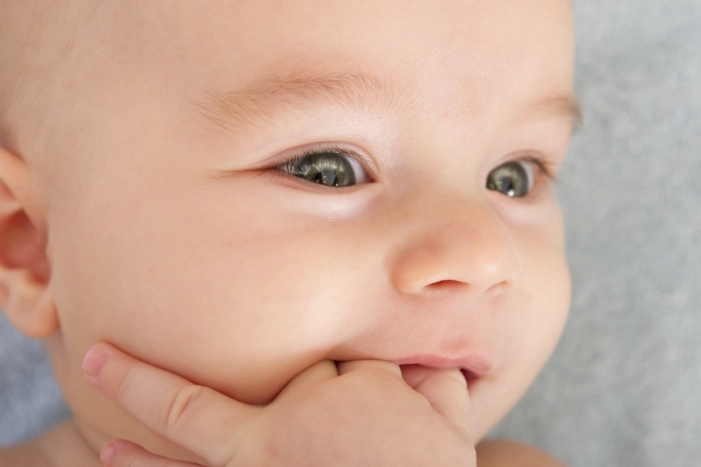
Leave a Reply