Quick Navigation
- Breaking Down the Denture Cost by Type: What Are You Actually Paying For?
- The 7 Hidden Factors That Truly Determine Your Final Cost
- The Real, Long-Term Cost of Dentures: It's Not Just the First Check
- How to Pay for Dentures: Navigating Insurance, Discounts, and Financing
- Finding Quality, Affordable Care: It's a Balance
- Frequently Asked Questions About Denture Costs
Let's be honest, that's the first question that pops into anyone's head when they start thinking about dentures. You might be expecting a simple number, but the answer is anything but simple. I remember chatting with my uncle when he was looking into this. He got quotes that ranged from what he called "a decent used car" to "a down payment on a house." It was all over the map, and it left him more confused than when he started.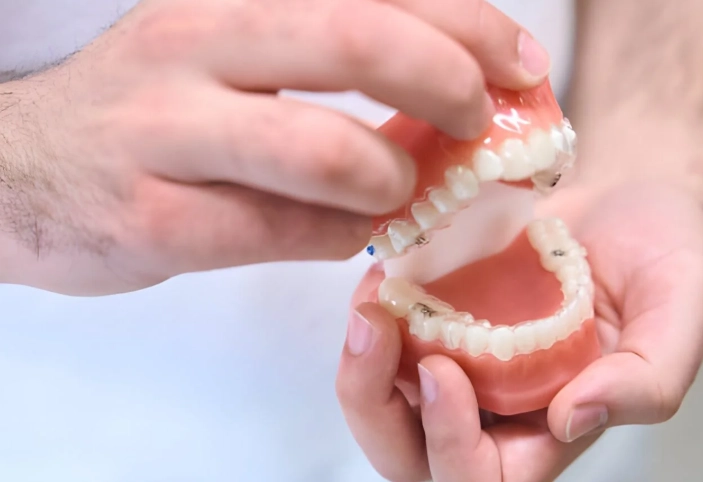
The truth is, asking how much would a set of dentures cost is like asking how much a car costs. Are we talking about a basic compact or a luxury sedan? The same principle applies here. The final price tag is a puzzle made up of the type of denture, the materials used, where you live, your dentist's expertise, and a bunch of other little things that don't always get mentioned upfront.
If you're looking for the quick answer, the national average for a full set of basic dentures tends to start around $1,500 to $3,000 per arch (that's for the upper or lower jaw). But that's just the entry point. For a more permanent, comfortable, and natural-looking solution, the investment can easily climb to $15,000 or more for a full mouth restoration. The gap between those numbers is huge, and understanding why is the key to not getting a nasty surprise.
Breaking Down the Denture Cost by Type: What Are You Actually Paying For?
This is the biggest factor, hands down. The term "dentures" covers a spectrum of solutions, from removable plates to fixed implants. The technology, materials, and labor involved differ dramatically, and so does the price.
Here’s a detailed look at the main categories. I've put this in a table because it's the easiest way to see the stark contrasts side-by-side.
| Denture Type | Description | Estimated Price Range (Full Set, Upper & Lower) | Key Things to Know |
|---|---|---|---|
| Conventional Full Dentures | The classic removable plate. Made after all teeth are extracted and gums have healed. | $1,500 - $5,000 | Most affordable upfront option. Requires an adjustment period and adhesive. Bone loss continues underneath. |
| Immediate Dentures | Made in advance and placed right after extractions, so you're never without teeth. | $2,000 - $6,000 | Convenient, but requires multiple relines (adjustments) as your jaw heals and shrinks, adding to long-term cost. |
| Partial Dentures | Replaces a few missing teeth, clasping onto remaining natural teeth. | $700 - $2,500 (per arch) | More affordable than full dentures. Can be made with metal clasps (cheaper) or flexible, nearly invisible materials (more expensive). |
| Implant-Supported Overdentures | A removable denture that snaps onto 2-4 dental implants for superior stability. | $7,000 - $25,000+ | The "game-changer" for many. Stops bone loss, feels secure, but requires surgery and implants. This is where the cost of a set of dentures jumps significantly. |
| Fixed Hybrid Dentures (All-on-4® type) | A full arch of teeth permanently fixed onto 4-6 implants. Not removable by you. | $15,000 - $35,000+ per arch | The premium, most natural-feeling solution. Highest upfront cost but often considered a lifelong investment. Price varies hugely by brand and material. |
See what I mean? When someone wonders how much are dentures, they could be picturing the first row or the last row in that table. The experience—and the price—are worlds apart.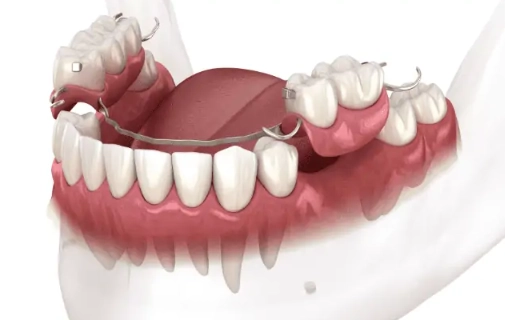
The type of denture you choose is the single most important decision for your budget and your quality of life.
The Material Matters: Acrylic, Porcelain, and Premium Polymers
Even within the same type, what your dentures are made of changes the bill. The teeth themselves can be made from acrylic (plastic) or porcelain. Acrylic is cheaper, gentler on your remaining natural teeth if you have any, but can stain and wear down faster. Porcelain looks incredibly natural and is very durable, but it's harder, can click when you talk, and costs more.
The pink gum-colored base is usually acrylic, but its quality varies. Some premium dentures use layered or characterizable acrylic to mimic the subtle variations of real gums, which adds to the artistry and the cost. For implant-supported options, the framework holding the teeth can be made from surgical-grade titanium, zirconia (a super-strong ceramic), or a combination. Zirconia is often the most expensive material but offers great strength and biocompatibility.
I've heard some dentists argue that for the average person, high-quality acrylic is perfectly fine and the upgrade to porcelain isn't always worth the extra few hundred dollars. Others swear by the longevity of porcelain. It's a personal choice, but one your wallet will feel.
The 7 Hidden Factors That Truly Determine Your Final Cost
Beyond the basic type and material, a dozen other variables get baked into the final price. This is where consultations can feel confusing—one dentist quotes $3,000, another says $8,000 for what sounds like the same thing. Often, these factors explain the gap.
- Geographic Location: This is a big one. A dentist in a major metropolitan area (think New York City, San Francisco) has higher overhead—rent, staff salaries, insurance—and those costs are passed on. The same denture made in a suburban or rural practice will often cost significantly less. It's not uncommon for people to travel for dental work because the savings outweigh the hassle.
- The Dentist's or Prosthodontist's Expertise: A general dentist can make dentures. A prosthodontist is a specialist who completed 2-3 extra years of training in restoring and replacing teeth. You're paying for that advanced skill, experience, and often access to better labs. For simple cases, a general dentist might be perfect. For complex cases involving implants or significant jawbone loss, the specialist's fee is usually worth it. The American College of Prosthodontists is a great resource to understand this specialization (source: American College of Prosthodontists).
- The Dental Laboratory: Most dentists don't make dentures in-house; they send impressions to a lab. There are budget labs and premium, artist-focused labs. A premium lab uses better materials, more skilled technicians, and spends more time on the aesthetics—getting the color, shape, and layering of the teeth just right. This craftsmanship adds cost, but it also adds to how natural your smile looks.
- Preparatory Procedures: This is the potential budget-buster. Before you even get dentures, you might need work done. Extractions ($75-$300 per tooth), treatment for gum disease, or bone grafts if you need implants and don't have enough bone. A bone graft alone can add $500 to $3,000 per site. If you need multiple teeth pulled and grafts, the "pre-denture" bill can easily exceed the cost of the dentures themselves.
- Fittings and Adjustments: The price you're quoted should include the initial fitting and a few follow-up adjustments (called "reline" appointments) within the first year. But some budget quotes are for the dentures only, with adjustments billed separately. Always ask, "Does this quoted price include all necessary adjustments for the first year?"
- Technology and Imaging: Digital impressions (using a wand instead of goopy putty) are more comfortable and often more accurate, but the scanner is a $20,000+ piece of equipment. That cost is factored in. 3D imaging (CBCT scans) is essential for safe implant placement and adds a few hundred dollars to the planning phase.
- Warranties and Longevity: Some practices include a longer warranty or guarantee against breakage. A cheaper denture might break more easily and need replacement sooner, making it more expensive in the long run.
Watch out for the "Bait and Switch": Be very wary of ads promising "a full set of dentures for $599." That price almost never includes extractions, necessary exams, x-rays, or adjustments. It's a starting point to get you in the door, and the final bill will be much higher. Always ask for a detailed, written treatment plan with a line-item breakdown before you agree to anything.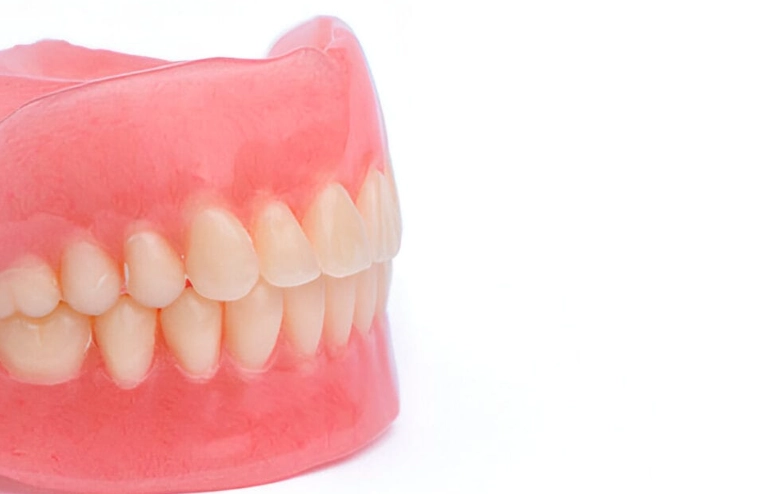
The Real, Long-Term Cost of Dentures: It's Not Just the First Check
Thinking about denture pricing only as an initial purchase is a mistake. Dentures are not a one-and-done deal. They require maintenance and will eventually need to be replaced.
- Denture Adhesives/Cleaners: A recurring monthly cost, maybe $10-$30.
- Relines: As your jawbone shrinks over the years (a process called resorption), your dentures will become loose. A reline adds material to the underside to improve the fit. This might cost $300-$500 every few years.
- Repairs: Dropping them can cause a crack or break. A repair might run $100-$400.
- Replacement: Even with great care, dentures wear out. Teeth get flat, acrylic discolors or becomes brittle. Most dentures need replacing every 5 to 10 years. So that $3,000 set could cost you $15,000+ over 25 years, not accounting for inflation.
This is the hidden math that makes implant-supported options more appealing for some. While the upfront cost of dentures that are fixed on implants is high, they halt bone loss, don't need relines, and can last 20+ years or even a lifetime with proper care. The long-term value equation shifts.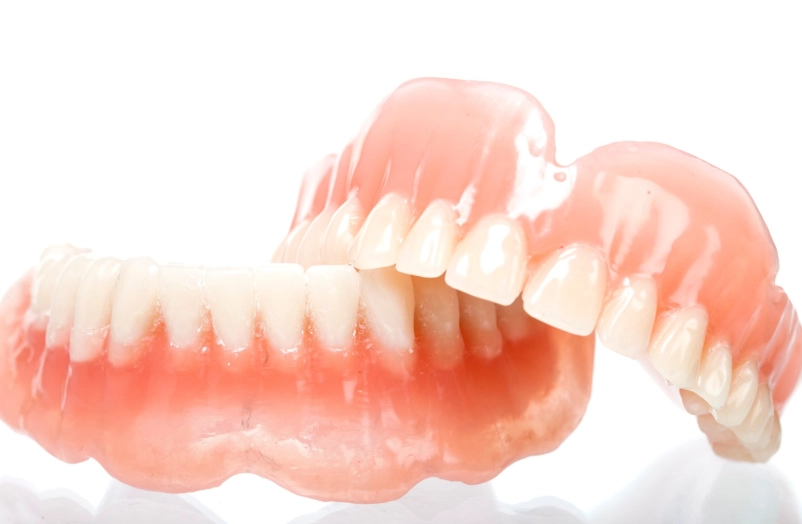
How to Pay for Dentures: Navigating Insurance, Discounts, and Financing
Let's talk about the practical side. Few people have $10,000 sitting in their checking account for dental work. Here are the main ways people manage the cost of a set of dentures.
- Dental Insurance: Most plans have an annual maximum, often between $1,000 and $1,500. They may cover 50% of the cost of "basic" dentures after a deductible. They rarely cover the full cost of implant-supported options, though they might cover part of the crown or extraction. It's crucial to get a pre-treatment estimate from your insurer. The Centers for Medicare & Medicaid Services website has information on what Medicare does and (more importantly) does NOT cover regarding routine dental like dentures.
- Dental Discount Plans: Not insurance, but a membership (like Costco's dental plan) that gives you a 10-60% discount at participating dentists. You pay an annual fee ($100-$200) and then the discounted rate. No annual maximums, but you must use their network.
- CareCredit & Medical Financing: A popular credit card for medical/dental expenses. It often offers promotional periods with 0% interest if paid in full within 6-18 months. Read the fine print! If you don't pay it off in time, deferred interest kicks in, and you'll owe interest on the original balance from day one.
- In-House Payment Plans: Some larger practices offer their own installment plans, sometimes interest-free.
- Health Savings Account (HSA) / Flexible Spending Account (FSA): Use pre-tax dollars to pay for qualified medical expenses, including most denture-related costs. This is like getting a discount equal to your tax rate.
Pro Tip: Don't be afraid to ask about cash discounts. Some offices offer a 3-5% discount if you pay the entire estimated cost upfront with cash or a debit card. It never hurts to ask, "Do you offer any discount for payment in full at the start of treatment?"
Finding Quality, Affordable Care: It's a Balance
Your goal shouldn't just be the cheapest dentures. It should be the best value—a quality product at a fair price from a provider you trust. Here's how to shop smart.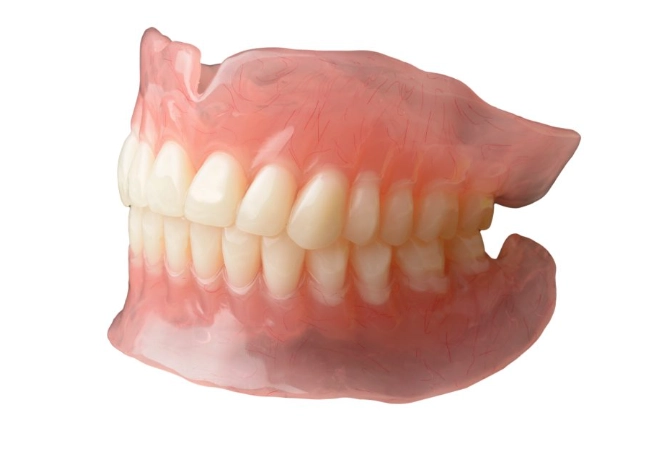
First, get multiple consultations. I'd recommend at least three. One with a general dentist, one with a prosthodontist if your case is complex, and maybe one at a dental school clinic. Bring the written treatment plan from your first consult to the second and third appointments. Ask them, "Can you explain why your recommendation and price differ from this plan?"
Dental schools are a fantastic, underutilized resource. The work is done by supervised students, which means appointments are longer, but the cost can be 30-50% less than private practice. The quality is often very high because every step is checked by an experienced professor. The American Dental Association maintains a list of accredited dental schools.
Look at online reviews, but read them critically. Look for patterns. Do multiple people mention the dentist's patience with adjustments? Or do they complain about being rushed? Ask the office if you can see before-and-after photos of their denture work. A confident practice will have a portfolio.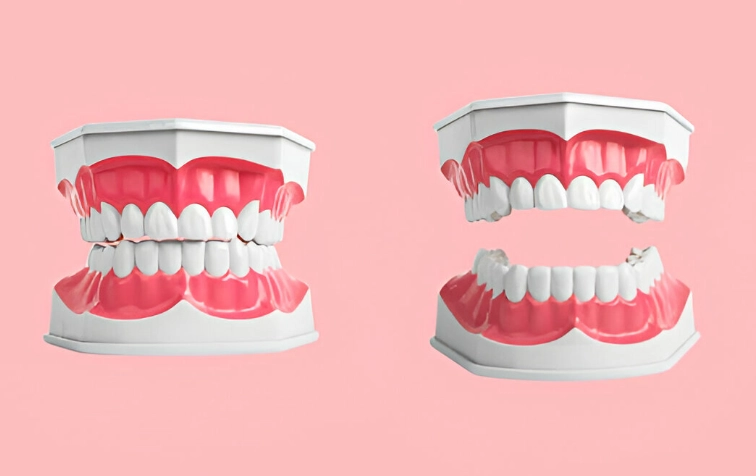
The cheapest option now could be the most expensive over your lifetime if it leads to discomfort, repeated repairs, or health issues.
Questions to Ask During Your Consultation
Walk in prepared. Here’s your checklist:
- "Is this a quote for the complete treatment, including all necessary x-rays, extractions, and follow-up adjustments for the first year?"
- "What specific materials will be used for the teeth and the base?"
- "Who makes your dentures? Is it an in-house lab or an outside one? Can you tell me about their reputation?"
- "What is your policy on repairs and adjustments after the first year?"
- "Based on my oral health, how long do you expect this set of dentures to last before needing replacement?"
- "Can you provide a detailed, written cost estimate that I can submit to my insurance?"
Frequently Asked Questions About Denture Costs
Let's tackle some of the specific worries people have when they search for this topic.
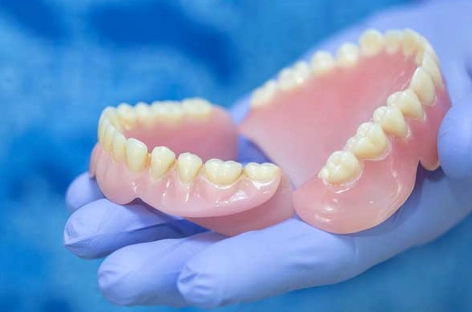
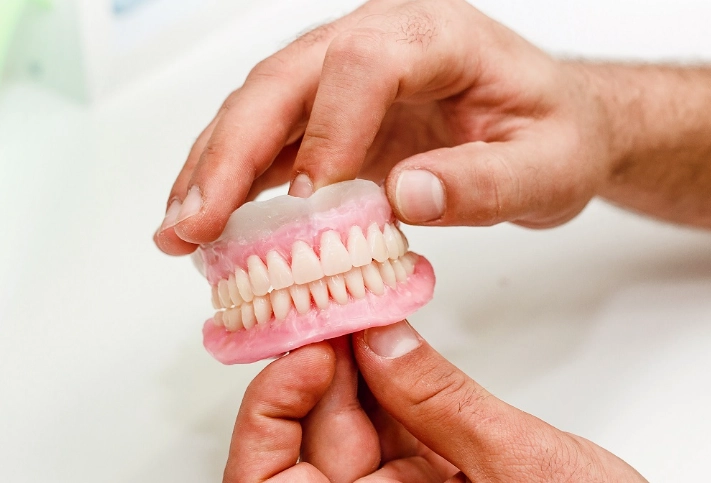
So, circling back to the big question: How much would a set of dentures cost? I hope you see now that the honest answer is, "It depends, but here's everything it depends on." The range is vast because the solutions are vastly different. Your job is to arm yourself with this information, get those detailed consultations, and make a choice that balances your health, your comfort, your confidence, and your finances—not just for today, but for the next decade. It's a significant decision, but taking the time to understand the real costs involved is the first step toward a smile you can live with, in every sense of the word.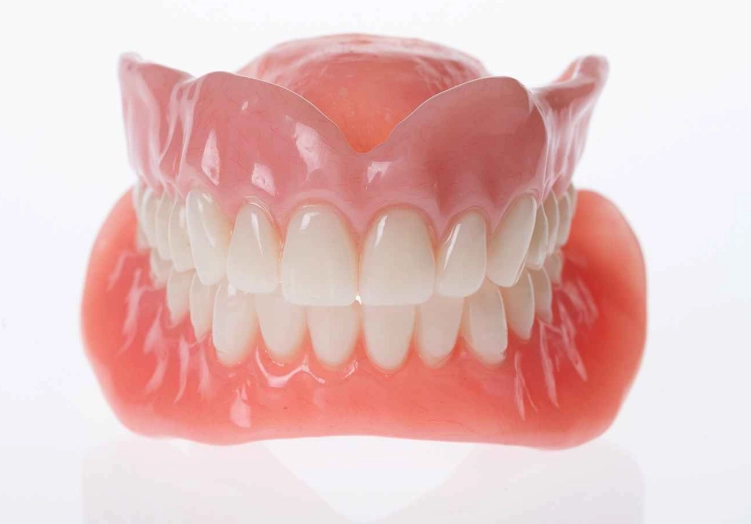
Leave a Reply