📌 文章重点摘要
- It's Not a Cleaning; It's Precise, Painstaking Micro-Surgery
- Breaking Down the Cost: Where Does Your Money Actually Go?
- Comparing the Old School and the New Tech
- The Hidden Cost of NOT Doing It: A Financial & Health Perspective
- Navigating the Financial Side: Practical Tips
- Your Burning Questions, Answered Honestly
- The Final Word: Value Over Price
Okay, let's be real for a second. You just left the dentist's office, and you're holding a treatment plan. They told you you have gum disease (periodontitis, if we're getting technical) and you need something called "scaling and root planing." You nod along, understanding it's important. Then you see the estimate. Your eyes widen. A wave of questions hits you, the biggest one being a loud, internal shout: Why is scaling and root planing so expensive?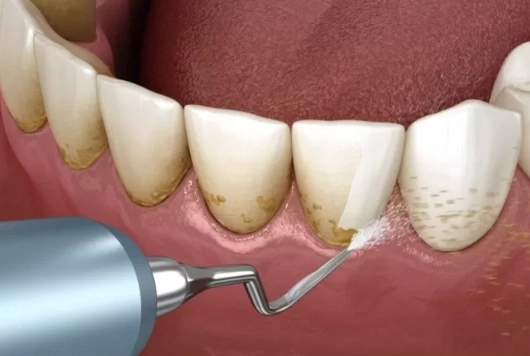
I get it. I've been there with patients, and I've seen that look. It's not just you. It's a super common reaction. The price tag can feel like a gut punch, especially if you were just expecting a routine check-up. You might be thinking, "It's just a cleaning, but deeper, right? How much more can it possibly cost?"
Well, that's the thing. It's not "just a cleaning." That's the first and biggest misconception. Calling scaling and root planing a "deep cleaning" is like calling heart surgery "a deeper check-up." It's technically descriptive but misses the immense complexity, skill, and purpose behind the procedure. So, let's pull back the curtain. I'm going to walk you through, piece by piece, exactly what you're paying for. No corporate speak, no sugar-coating. Just a straight-talk breakdown of the time, expertise, technology, and long-term value packed into that number on your bill. By the end, you might still wish it cost less (who doesn't?), but you'll understand why it costs what it does.
The Core Misunderstanding: Routine dental cleanings (prophylaxis) are preventive maintenance on healthy gums. Scaling and root planing (SRP) is a therapeutic medical procedure to treat an active disease—gum infection—and stop bone loss. Different league entirely.
It's Not a Cleaning; It's Precise, Painstaking Micro-Surgery
Think about what's happening. Your gums are inflamed, infected, and have pulled away from your teeth, forming pockets. Inside those pockets, a hardened, concrete-like layer of bacteria (calculus or tartar) has glued itself to the root surface of your tooth, which is much softer than the crown. The infection is literally eating away at the bone that holds your tooth in your head.
My job during SRP isn't to polish the visible parts. It's to:
- Navigate tiny, inflamed spaces (pockets) I can't always see directly.
- Use tactile feel (my fingers and instruments) to find every single speck of that rock-hard deposit.
- Remove it completely without scratching or damaging the delicate root surface.
- Then, smooth the root (that's the "planing" part) so bacteria have a harder time re-attaching.
- Do this for every single tooth, on every surface, often while the patient is numb and their tissue is bleeding.
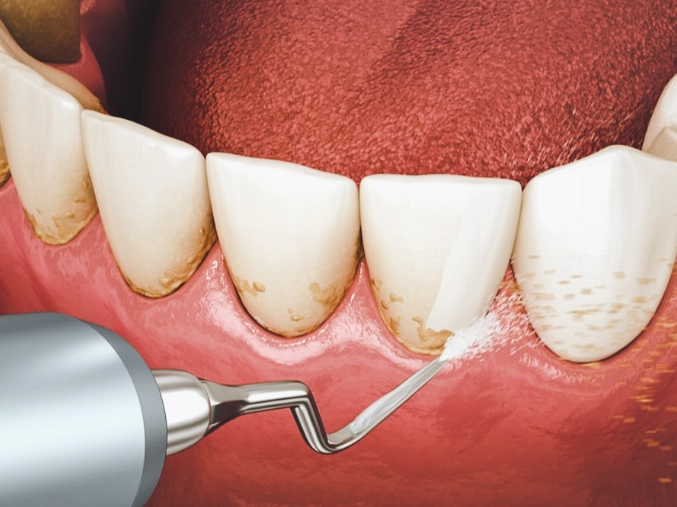
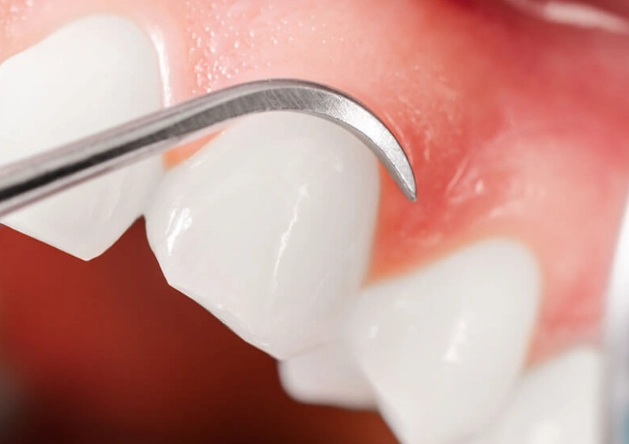
This requires a completely different set of instruments—ultrasonic scalers with fine tips, and an array of hand scalers and curettes that are like tiny, custom-shaped hooks and hoes. The pressure, the angle, the stroke... it's all precise. It's physically demanding on the clinician's hands, back, and eyes. We're talking 60-90 minutes of intense, focused work per quadrant of your mouth. A typical mouth has four quadrants. You do the math on the chair time.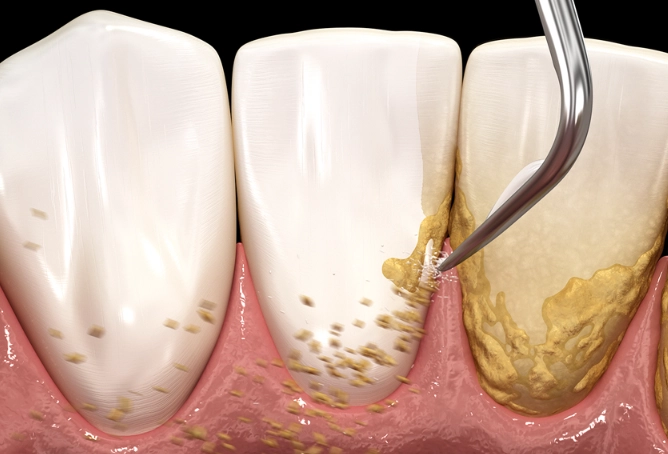
The Skill Factor: You're Paying for Years of Training and Experience
Any licensed dental hygienist or dentist can perform SRP, but the quality varies wildly. A seasoned clinician with advanced training in perio can do a more thorough, efficient, and comfortable job. That expertise costs more. You're not paying for a task; you're paying for judgment. How deep do we go? How aggressive should the planing be? When is it okay to be more conservative? This decision-making is based on years of experience and continuing education.
I remember a patient who came to me for a second opinion. He'd had SRP done elsewhere but was still having problems. When I examined him, I found significant deposits left behind in the deeper pockets. The previous clinician simply hadn't gotten it all. We had to re-treat some areas. It was frustrating for him and costly. The initial lower price ended up being more expensive in the long run. You often get what you pay for in terms of thoroughness.
Breaking Down the Cost: Where Does Your Money Actually Go?
Let's get granular. When you see that fee, it's bundling a lot more than just the dentist's or hygienist's time with a tool.
The Major Cost Drivers of Scaling and Root Planing
1. Time & Labor (The Biggest Chunk): This isn't a 20-minute polish. As I said, we're looking at 1-2 hours of active treatment time per session, often split over two or four appointments. Multiply that by the hourly rate of a skilled professional (which must cover their salary, benefits, and continued training).
2. The Clinical Overhead Beast: The dental office has staggering fixed costs that your fee helps cover. This isn't an excuse; it's reality.
- Sterilization & Infection Control: This is huge. Every single metal instrument used on you is used only once, then undergoes a rigorous, multi-step sterilization process involving an autoclave. That equipment is expensive, the monitoring tests are constant, and the process consumes time and specialized staff. It's non-negotiable for your safety.
- Specialized Equipment: The ultrasonic scaler units, the high-quality hand instruments (which wear out and need constant sharpening or replacement), the high-speed suction, the powerful overhead lights—it all adds up.
- Ancillary Materials: The topical and local anesthetic, the antimicrobial rinses we might place in the pockets after treatment (like Arestin), the specialized periodontal probes and charting software, the high-quality disposable barriers and masks.
- Rent, Utilities, Insurance: The office space, the electricity for all that equipment, and the massive premiums for malpractice and business insurance.
3. The Diagnostic Foundation: SRP shouldn't be diagnosed on a whim. The cost includes the comprehensive exam and periodontal charting that came before it. Poking gently around each tooth at six points per tooth to measure pocket depths, checking for bleeding, assessing bone loss on X-rays—this data is what dictates the treatment. You're paying for that diagnostic precision.
4. Follow-Up & Re-Evaluation (The Most Critical, Often Overlooked Part): A proper SRP is not complete without the re-eval appointment, usually 4-6 weeks later. This is where we re-chart your pockets to see how your gums have healed. Did the inflammation go down? Did the pockets reduce? This appointment determines the success of the treatment and your future maintenance plan. Its cost is often bundled into the overall SRP fee.
Comparing the Old School and the New Tech
Some offices offer traditional SRP. Others might offer laser-assisted therapy. The costs differ, and it's confusing. Here’s a simple side-by-side.
| Aspect | Traditional SRP (Ultrasonic & Hand Instruments) | Laser-Assisted Therapy (e.g., LANAP/Periolase) |
|---|---|---|
| Primary Tool | Metal scalers & ultrasonic vibrations | Precision dental laser |
| Target | Mechanically remove bacteria & calculus | Remove infected tissue & bacteria; may promote regeneration |
| Typical Discomfort | Managed with local anesthetic | Often less invasive, but still requires numbing |
| Healing & Bleeding | Standard healing; some bleeding | May promote faster healing; laser cauterizes |
| Biggest Cost Driver | Clinician time & skill | Extremely high cost of laser equipment & specialized training |
| My Take | Tried, true, and effective when done thoroughly. The gold standard. | High-tech and promising for specific cases, but the equipment cost massively inflates the fee. Not always necessary. |
See that last point? A laser unit can cost the practice over $100,000. That cost gets passed on. Sometimes it's worth it for the right patient, but don't feel you're getting an inferior treatment if your dentist uses traditional methods. Skill matters more than the tool.
The Hidden Cost of NOT Doing It: A Financial & Health Perspective
This is the part that often gets lost when we stare at the price tag. We need to reframe the cost from an expense to an investment.
Let's play out the alternative. You skip the SRP because of the cost. The gum infection continues unchecked. What happens?
- Bone Loss Accelerates: The bone supporting your teeth dissolves. Teeth become loose.
- Tooth Loss: Eventually, teeth may need to be extracted. Now you're looking at the cost of extractions.
- Replacement Costs: What replaces a missing tooth? A bridge ($3,000-$5,000 per unit), a dental implant ($3,000-$6,000 per implant, plus the crown), or a denture. These are orders of magnitude more expensive than SRP.
- Systemic Health Risks: Chronic gum inflammation is linked to higher risks of heart disease, stroke, diabetes complications, and even Alzheimer's. The CDC acknowledges this link between periodontal disease and other chronic conditions. Treating gum disease is an investment in your whole-body health.
Suddenly, the cost of SRP looks a lot more like a down payment on saving your teeth and potentially avoiding much larger medical and dental bills later. It's preventative in the truest sense—preventing tooth loss.
“The question isn't 'Why is scaling and root planing so expensive?' It's 'What is the cost of losing my teeth?'”
Navigating the Financial Side: Practical Tips
Knowing why it costs so much doesn't make it easier to pay. Here are real-world strategies.
Dental Insurance: Most plans cover a percentage of SRP (often 50-80%) because they know it's cheaper than paying for extractions later. However, they may have frequency limitations (e.g., once every few years). Always get a pre-treatment estimate. Call your insurance company with the procedure codes (D4341, D4342) from your dentist.
Payment Plans & Dental Savings Plans: Many offices offer in-house monthly payment plans. Others work with third-party medical credit companies like CareCredit. Be very careful with these—read the terms, as they often have deferred interest that can hit you hard if not paid in full on time. Some offices offer an in-house “savings plan” for uninsured patients, providing a discount on treatments for an annual membership fee.
Dental Schools: This is a fantastic option if you have one nearby. Treatment is performed by supervised dental or hygiene students. It takes much longer (appointments can be 3-4 hours), but the cost is often 30-50% less. The care is thorough and follows strict protocols.
Prioritize & Phase Treatment: If paying for all quadrants at once is impossible, ask if you can treat the worst areas first and phase the rest over a few months. Getting some treatment started is better than none.
Your Burning Questions, Answered Honestly
The Final Word: Value Over Price
Look, I'm not here to tell you it's cheap. It's a significant dental expense. The core reason why scaling and root planing is so expensive boils down to this: it is a highly skilled, time-intensive medical procedure performed in a high-overhead environment to treat a disease that, left alone, will cause irreversible damage and far greater expense.
The sticker shock is real. But I urge you to look past it. Ask your provider questions. Understand your periodontal chart. Get a clear financial plan. View this as the critical first step in getting your oral health back on track and keeping your natural teeth for life. That's the real value. And honestly, that's priceless.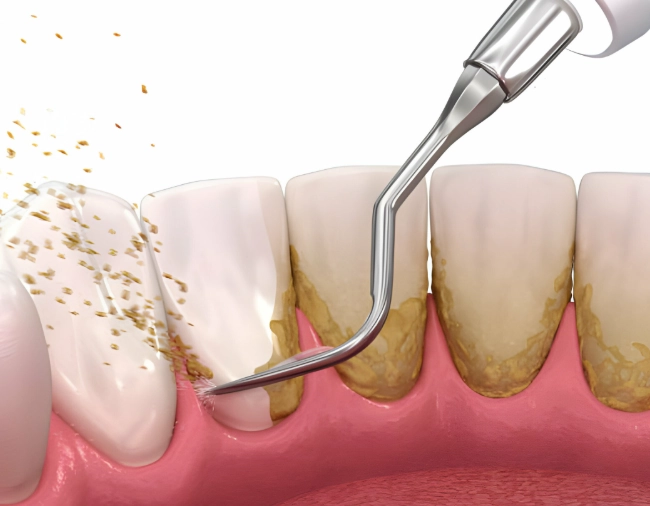
What did your dentist quote you? Did anything in this breakdown surprise you? The conversation about dental costs is one we need to keep having—openly and without shame.
Leave a Reply