Let's be honest. No one looks forward to that moment at the dentist when the hygienist starts scraping. You know the sound. That gritty, unpleasant noise that means tartar – or calculus, as the pros call it – has set up camp on your teeth. You brush, you floss (sometimes), but that stubborn, hardened deposit seems inevitable. That's where specialized toothpastes like Tartarend come in, promising to fight the good fight against plaque and its hardened cousin. But does it work, or is it just clever marketing? I've spent years trying different products and talking to dental professionals. Here's a no-nonsense look.
In This Article: Your Quick Guide
What Tartar Really Is (And Why It's a Problem)
First, a crucial distinction. Plaque is the soft, sticky film of bacteria that forms on your teeth constantly. You can remove it with brushing and flossing. Tartar is plaque that has been left to its own devices for about 24-72 hours and has mineralized, hardening into a cement-like crust. Once it's tartar, your toothbrush is useless against it. Only a dental professional can remove it.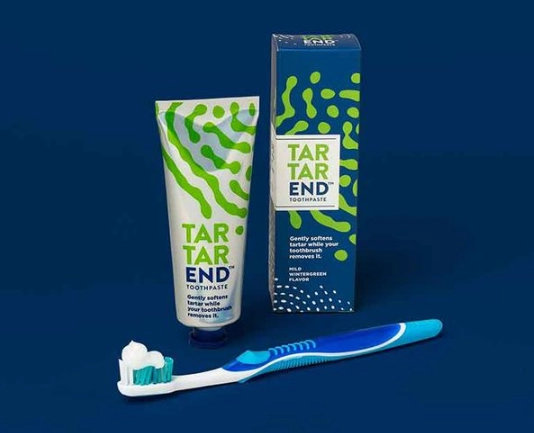
Why is this bad? Tartar is rough and porous. It's like a bacterial apartment complex, providing a perfect surface for more plaque to adhere to, right at your gumline. This irritates your gums, leading to inflammation (gingivitis) and, if left unchecked, can progress to periodontitis, which damages the bone supporting your teeth. The American Dental Association is clear: controlling plaque and preventing tartar is foundational to oral health.
The Big Misconception: Many people think tartar control is about scrubbing harder. It's not. It's about chemistry. Scrubbing hard with any toothpaste can damage your enamel and gums. The goal is to prevent the plaque from hardening in the first place.
How Tartar Control Toothpaste Actually Works
Products like Tartarend aren't magic erasers. They work through specific active ingredients designed to interfere with the tartar formation process. It's less about brute force and more about strategic disruption.
The Key Players in the Formula
Most effective anti-tartar toothpastes, including Tartarend variants, rely on a combination of these agents:
- Pyrophosphates (e.g., Tetrasodium Pyrophosphate): This is the star anti-tartar ingredient. It works by binding to the surface of your teeth, creating a kind of invisible shield that prevents calcium and phosphate minerals in your saliva from crystallizing within the plaque biofilm. No crystallization, no hardening.
- Zinc Citrate: Often works alongside pyrophosphates. It has antimicrobial properties that help reduce the overall bacterial load in plaque, and it can also inhibit crystal growth.
- Fluoride (usually Sodium Fluoride or Stannous Fluoride): The cavity fighter. Stannous fluoride has a bonus – it's also antimicrobial and can help with gingivitis and sensitivity. A study published in the Journal of Clinical Dentistry has shown stannous fluoride formulations to be effective against plaque.
Here’s the thing most blogs don't tell you: the abrasiveness of the toothpaste (its Relative Dentin Abrasivity or RDA) matters, but not in the way you think. You don't need a highly abrasive paste for tartar control. In fact, a moderate RDA is better for daily use. The real work is done by the chemicals, not the grit.
How to Choose the Right Tartar Control Toothpaste
Not all Tartarend toothpaste versions are the same. Walking down the oral care aisle can be overwhelming. Here’s a breakdown based on common user needs, drawn from reviews and dental feedback.
| Target Concern | What to Look For in the Formula | Potential Trade-off |
|---|---|---|
| Maximum Tartar Prevention | High concentration of pyrophosphates and zinc citrate listed near the top of the ingredient list. | Some users report a slight metallic or dry-mouth feeling initially. |
| Tartar + Sensitivity | Look for "Sensitive" variants containing potassium nitrate or stannous fluoride. Stannous fluoride is a triple threat (cavities, plaque, sensitivity). | May not have the highest level of anti-tartar agents; can cause temporary staining (easily polished off). |
| Tartar + Whitening | Contains gentle polishing agents (like hydrated silica) and maybe low-dose peroxide. The focus is on surface stain removal. | Be cautious of very high RDA values. Avoid if you have sensitive teeth or receding gums. |
| Tartar + Gum Health | Formulations with stannous fluoride or additional antibacterial agents like cetylpyridinium chloride. | Can alter taste perception for a short while after brushing. |
My personal take? If you have no major sensitivity issues, go for a core Tartarend anti-tartar formula. The specialized versions dilute the primary anti-calculus action a bit. For sensitivity, the stannous fluoride versions are a smart compromise backed by solid research.
The Correct Way to Use Tartarend Toothpaste
Using a toothpaste like Tartarend incorrectly is like having a great recipe but burning the ingredients. Technique is half the battle.
1. Use a SOFT-BRISTLED brush. I can't stress this enough. Hard bristles plus any toothpaste accelerate gum recession and enamel wear.
2. Don't wet the brush head first. This is a game-changer. Apply a pea-sized amount of Tartarend toothpaste to a dry brush. Brushing with a dry paste creates more friction against the plaque biofilm, helping the active ingredients penetrate better.
3. Focus on the gumline. Angle your brush at 45 degrees towards your gums. Tartar loves the area where tooth meets gum. Use gentle, short, circular or back-and-forth motions. Don't scrub.
4. Time it. Two minutes, minimum. Split your mouth into four quadrants and spend 30 seconds on each.
5. Spit, don't rinse. This is the most overlooked step. After brushing, spit out the excess foam, but DO NOT rinse your mouth with water. This leaves a thin film of fluoride and anti-tartar agents on your teeth to keep working. It feels weird for a week, then you get used to it. The UK's Oral Health Foundation recommends this practice.
6. Floss first, then brush. Flossing dislodges plaque and debris from between teeth, bringing it to the surface where your toothpaste can deal with it.
A Reality Check: Even with perfect technique using Tartarend, you will still get some tartar buildup. Genetics, saliva composition, and diet play huge roles. The goal is to significantly reduce the amount and slow down the formation, making your professional cleanings quicker and easier. If your hygienist says your tartar buildup has noticeably decreased, the toothpaste is working.
Your Tartar Control Questions Answered
Here are answers to the specific questions I get asked most often, beyond the generic "what is it?".
So, is Tartarend toothpaste worth it? If you're prone to heavy tartar buildup and want to take a more proactive role in your oral health between cleanings, absolutely. It's a specialized tool. It won't replace a professional cleaning, but used correctly, it can make those cleanings less of an ordeal and contribute to healthier gums in the long run. Just remember, the best toothpaste is the one you use consistently with proper technique.
Leave a Reply