Quick Navigation
- Why a Custom Guard Beats Everything Else (And When You Might Not Need One)
- The Key Features to Scrutinize Before You Buy
- Head-to-Head: Comparing Top Custom Night Guard Providers
- The Step-by-Step Process: What to Expect from Order to Nightly Use
- Beyond the Guard: Holistic Tips to Manage Teeth Grinding
- Your Burning Questions, Answered
- Making Your Final Decision: A Simple Checklist
Let's be honest, waking up with a sore jaw, a dull headache, or that worrying feeling you've been grinding your teeth all night is the worst. It's like your mouth decided to run a marathon without telling you. You know you need a solution, and you've probably heard that a custom night guard is the gold standard. But then you start looking online, and suddenly you're drowning in options, brands, prices, and technical jargon. It's overwhelming.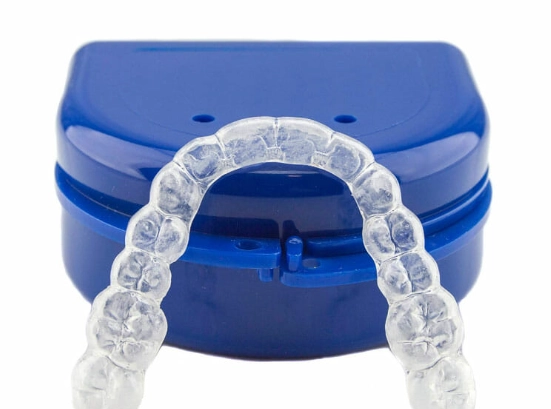
I've been there. A few years back, my dentist pointed out the flat spots on my molars with a look that mixed concern with a hefty repair bill estimate. The boil-and-bite guard I bought from the pharmacy felt like a bulky hockey puck in my mouth and made me drool like a Saint Bernard. It was a disaster. That experience sent me down the rabbit hole of finding a truly effective, comfortable solution. This guide is the result of that deep dive—cutting through the marketing speak to help you find the best custom night guard for teeth grinding that actually works for your life and your budget.
Why a Custom Guard Beats Everything Else (And When You Might Not Need One)
Before we get into brands and models, let's settle the big question. Why go custom? Over-the-counter (OTC) guards are cheaper, right? Sure, but you often get what you pay for.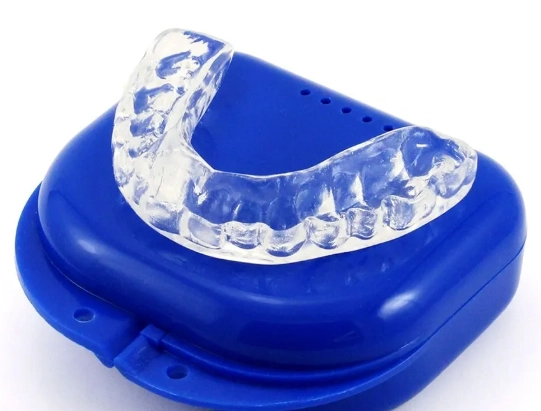
Think of it like shoes. You can buy a generic pair that kind of fits, or you can get a pair molded exactly to your feet. One you'll wear all day, the other will give you blisters and end up in the closet. Your mouth is just as unique. A custom night guard is fabricated from a precise impression of your teeth, whether taken digitally at a dentist's office or with an at-home impression kit. This precision is everything.
The Real Benefits of a Custom Fit
First, comfort. A well-made custom guard is slim, fits snugly without pressure points, and doesn't bulk up your mouth. You're more likely to wear it consistently, which is the whole point. Second, protection. It distributes the immense forces of grinding evenly across your dental arches, shielding your enamel, fillings, and crowns from cracking and wear. It can also help stabilize your jaw joint, potentially easing TMJ-related pain. Lastly, durability. Professional-grade materials are tougher and last longer (often 3-5 years with care) than the soft plastics in OTC kits.
So, who might get away with a cheaper option? If your grinding is very mild and infrequent, a soft OTC guard might offer some short-term protection. But if you wake up with symptoms regularly, have been told by a dentist you have significant wear, or have any existing dental work, investing in a proper custom guard is a smart move for your long-term oral health. It’s cheaper than a crown or a root canal.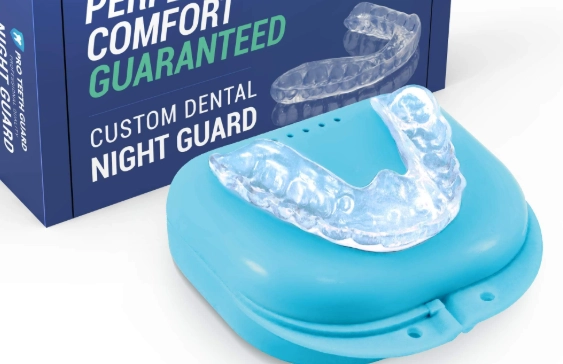
The Key Features to Scrutinize Before You Buy
Not all custom guards are created equal. When you're comparing your options, these are the specs you need to pay attention to. Ignoring them is how you end up with an expensive paperweight.
- Material Thickness & Hardness: This is huge. Guards typically range from soft (1-2mm) to hard/firm (2-3mm+). Soft guards are cushiony but can encourage your jaw muscles to chew on them, potentially making grinding worse. Hard guards are more durable and discourage chewing, but some find them less comfortable initially. Many of the best custom night guard for teeth grinding options use a dual-layer or hybrid design—a hard exterior for durability and force distribution with a soft interior for comfort. This is often the sweet spot.
- Impression Method: How do they get the model of your teeth? The gold standard is a digital scan at a dentist. The next best is a professional-grade putty impression kit sent to your home. Avoid kits with low-quality, runny impression material; a poor impression means a poor-fitting guard. Some companies now use smartphone app scans, which are innovative but their long-term accuracy for complex bites is still being proven.
- Adjustability & Fit Guarantee: Your first fit might not be perfect. Does the company offer free adjustments or remakes if the guard doesn't fit right? A good warranty or fit guarantee (like 30-60 days) is a sign of confidence and saves you from being stuck with a dud.
- Lab Location & Oversight: Is the guard made in a certified dental lab in the US (or your home country) with materials meeting FDA standards? This matters for safety and quality control. Some cheaper options are manufactured overseas with less regulatory oversight.
You also want to consider the turnaround time. How long from impression to delivery? And what about customer service? Can you easily talk to a human if you have questions? These practical things make a big difference in your experience.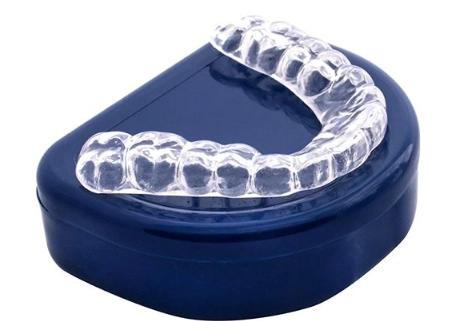
Head-to-Head: Comparing Top Custom Night Guard Providers
Alright, let's look at some of the major players in the direct-to-consumer custom guard space. This isn't about declaring one single winner, because the "best" depends on your priorities—budget, material preference, specific needs. Here’s a breakdown based on my research and user reviews.
| Provider | Key Material & Design | Price Range (Approx.) | Major Pros | Potential Cons / Considerations |
|---|---|---|---|---|
| Professional Dental Lab (via Dentist) | Hard acrylic, often with precise occlusal adjustments. | $500 - $1,500+ | Dentist supervision, perfect bite alignment, highest durability, often covered by insurance. | Very high cost, requires dental visits. |
| Sentinel | Proprietary dual-layer (hard outer/soft inner). | $300 - $400 | Excellent durability, very comfortable fit, strong reputation among online providers. | Among the pricier online options. |
| SleepRight | Advanced dental-grade silicone (adjustable fit). | $100 - $200 | More affordable, easy at-home impression kit, can be adjusted with hot water. | Material is softer, may not be ideal for very heavy grinders. |
| Remi | 2mm thick, durable EVA material. | $150 - $200 | Slim profile, comfortable, straightforward process, good customer service. | Single-material design (not dual-layer). |
| Cheeky | Dental-grade copolymer. | $100 - $150 | Very budget-friendly, simple kit, fast turnaround. | Thinner material, may wear faster for intense grinders. |
See what I mean? If you're a severe grinder and want the closest thing to a dental lab guard without the dentist visit, Sentinel's dual-layer design is a top contender for the best custom night guard for teeth grinding in the online space. But if budget is your primary concern and your grinding is moderate, SleepRight or Remi offer great value. The dentist-made guard is in its own league for complex cases but comes with the corresponding price.
The Step-by-Step Process: What to Expect from Order to Nightly Use
Ordering a guard online can feel weird. You're mailing an impression of your teeth to strangers! Here's how it typically works, so there are no surprises.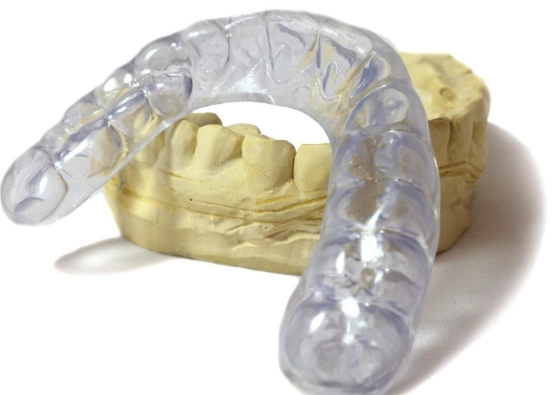
First, you order the kit online. In a few days, a box arrives with everything: impression putty, trays, mixing tools, and detailed instructions. Don't rush this part. Set aside 30 minutes when you're relaxed. Follow the video instructions to the letter—mixing the putty properly and seating the trays correctly is 90% of getting a good guard. Take the impressions, let them set, pack them in the provided box, and mail them back.
The lab then uses your impressions to create a stone model of your teeth and fabricates your guard. In 1-3 weeks, your custom night guard arrives. When you first put it in, it might feel strange and tight. That's normal. Wear it for an hour or two during the day to get used to it before trying a full night. Some pressure is okay, but sharp pain or a guard that rocks loosely is not. That's when you use the company's fit guarantee.
Cleaning is simple: brush it gently with a toothbrush and mild soap or use cleaning tablets. Never use hot water, as it can warp the plastic. Store it dry in its case. With care, a good one should last you years.
Beyond the Guard: Holistic Tips to Manage Teeth Grinding
A night guard is a fantastic protective tool, but it's often a symptom manager, not a cure. To really tackle bruxism, consider what's driving it. Stress is the most common culprit. Your jaw is where a lot of us hold our tension.
I found that adding just 10 minutes of jaw stretches before bed (gently opening and closing, side-to-side movements) made a noticeable difference in morning tightness. Reducing caffeine, especially in the afternoon, can help for some people. Creating a wind-down routine—reading a book instead of scrolling through stressful news on your phone—signals to your body that it's time to relax.
For some, bruxism is linked to sleep disorders like sleep apnea. If you snore loudly, gasp for air at night, or are excessively tired during the day, it's crucial to talk to a doctor. A night guard won't fix that. The American Sleep Apnea Association (sleepapnea.org) is a great resource to learn more about this connection. Your dentist or a sleep specialist can help you figure out the root cause.
Your Burning Questions, Answered
A properly made one should not permanently alter your bite. It's designed to fit your existing bite relationship. You might feel a slight shift when you first take it out in the morning, but your teeth should settle back to their normal position within an hour or so. If you feel a persistent, uncomfortable shift, the guard's fit might be off, and you should contact the provider or your dentist.
Often, yes—even for some online providers. The process is usually reimbursement. You pay upfront, get a receipt and a treatment code (CPT code for a "night guard" or "occlusal guard" is typically 99457), and submit it to your insurance. Coverage varies wildly, but many plans cover 50% of the cost after your deductible. Always check with your insurer first. The National Association of Dental Plans (nadp.org) offers general information on understanding dental benefits.
Signs include: worn, flat, or chipped teeth; increased tooth sensitivity; jaw muscle soreness or fatigue (especially in the morning); headaches originating at your temples; and audible grinding sounds noticed by a partner. Your dentist can also see telltale signs on your enamel during a checkup.
For most people, an upper guard is recommended. It's generally more stable, less likely to interfere with your tongue, and easier to get used to. Lower guards are sometimes prescribed for specific bite issues or if someone has a strong gag reflex. The online kits I've seen almost always make an upper guard unless specified otherwise by a dentist.
Giving up too quickly. It takes most people a week or two to fully adapt to sleeping with a mouthguard. The first few nights can feel weird. Stick with it. Consistent wear is the only way it works. The second biggest mistake is not cleaning it properly, leading to odors and bacteria buildup.
Making Your Final Decision: A Simple Checklist
Feeling informed but still on the fence? Run through this list. It'll help clarify what matters most to you.
- My Budget: Am I looking for the most cost-effective solution, or am I willing to invest more for premium materials and durability?
- My Grinding Severity: Is it mild (occasional soreness) or severe (worn teeth, frequent pain)? Severe cases need a tougher guard.
- My Comfort Priority: Do I need the softest possible feel, or can I adapt to a firmer guard for better protection?
- My Patience for Process: Do I want the simplest, fastest kit, or am I okay with a more involved process for a potentially better fit?
- Insurance & Warranty: Does the company offer a solid fit guarantee? Will I try to submit to my insurance?
For the vast majority of people looking for serious protection without the dental office bill, starting with a reputable direct-to-consumer lab offering a dual-layer guard and a good fit guarantee is a smart path. It strikes that balance between professional-grade protection and real-world affordability.
Ultimately, the best custom night guard for teeth grinding is the one you'll actually wear every single night. It should feel like a part of your routine, not a nightly battle. Protecting your teeth from the slow, expensive damage of grinding is one of the best investments you can make in your long-term health. You'll save money on dental repairs down the line, and you might just start waking up feeling more rested. That's a win-win no matter how you look at it.
Take your time, choose based on the facts here, and give yourself a week to adjust. Your future self—with healthier teeth and a happier jaw—will thank you.
Leave a Reply