In This Guide
Let's be honest, sitting in that dental chair isn't anyone's idea of a good time. You get through the procedure, maybe a filling or a crown prep, and you're just relieved it's over. Then, a few hours later, you start to feel it. A dull ache. A stiffness when you try to chew. A soreness that seems to come from deep in your jaw joint. You think, "Wait, the tooth itself is numb, so why does my whole jaw hurt after the novocaine injection?"
If this is you right now, take a deep breath. You're not alone, and you're not imagining things. This is a surprisingly common experience that sends a lot of people straight to their search engines. I remember a friend of mine panicking after a wisdom tooth consultation, convinced the needle had hit a nerve permanently. It hadn't, of course, but the worry was real.
So, let's talk about it. Not in overly clinical, scary terms, but in plain language. We'll dig into why your jaw might be sore, what's normal, what's a red flag, and most importantly, what you can actually do about it. This isn't just a list of facts; it's a roadmap based on what dentists see every day and what patients actually wish they knew.
Why Does My Jaw Hurt? The Top Culprits Behind the Soreness
That novocaine (or more accurately nowadays, lidocaine or articaine) works by blocking nerve signals. It's brilliant for pain-free dentistry. But the act of getting it there? That can sometimes leave a souvenir. The pain isn't from the anesthetic chemical itself, but from everything surrounding the injection.
The Muscle Factor (The Most Common Reason)
This is the big one. To reach the nerves that numb your lower teeth, the dentist often needs to inject near or into a major muscle called the medial pterygoid. It's a deep muscle responsible for chewing. If you've ever had a tight shoulder from stress, you get the idea.
- The Needle Trauma: A needle passing through muscle fibers is a tiny injury. It causes localized inflammation and irritation. Your body's healing response kicks in, which includes swelling and pain signals.
- The Volume of Fluid: Dentists inject a small amount of solution to spread the anesthetic. That fluid has to go somewhere. It creates pressure within the muscle tissue, stretching it slightly. This pressure is a direct cause of that deep, aching jaw pain after novocaine.
- Muscle Spasm: Sometimes, the muscle reacts by tightening up or going into a mild spasm, especially if you were already tense (who isn't at the dentist?). This can make the soreness feel more intense and widespread.
I find this one is often worse if you had a long procedure where you had to hold your mouth open wide for an extended period. The muscle was already fatigued, and then the injection added insult to injury.
Hematoma (The Bruise Inside Your Jaw)
This sounds scarier than it usually is. A hematoma is just a fancy word for a bruise. If the needle nicks a tiny blood vessel on its way, a small amount of blood can leak into the surrounding tissue. This forms a bruise, but deep inside where you can't see it.
Referred Pain and TMJ Irritation
Your jaw joint (the Temporomandibular Joint or TMJ) is a complex, delicate system of bones, cartilage, and ligaments. If you have any pre-existing TMJ sensitivity or dysfunction, the trauma of the injection or the prolonged mouth opening can aggravate it.
The pain might feel like it's in the joint itself (in front of your ear), or it might be "referred," meaning the source is the muscle, but you feel it in your teeth, your ear, or even your temple. This can be confusing and make you think the problem is with the tooth that was worked on.
The Rare, More Serious Causes
We have to talk about these, even though they are uncommon, because knowing the signs is crucial. Most jaw pain after a dental injection is not this, but it's responsible to be informed.
- Trismus (Lockjaw): This is a sustained spasm of the chewing muscles that makes it difficult or painful to open your mouth. It's usually temporary and caused by muscle trauma/inflammation, not infection.
- Nerve Injury: Direct contact with a nerve by the needle can cause unusual sensations like prolonged numbness, tingling (paresthesia), or a burning pain. The lingual nerve (affecting the tongue) and inferior alveolar nerve (affecting the lip and chin) are the ones at risk. The vast majority of these improve over weeks or months, but it's a known risk of deep injections.
- Infection: This is extremely rare from a routine injection in a dental office due to sterile techniques. Signs would be increasing pain (not decreasing), swelling that gets worse after 2-3 days, fever, and pus.
Look, reading about nerve injuries can spike anyone's anxiety. I felt a knot in my stomach just writing it. But the key takeaway is this: the incidence is very low, often quoted as less than 1%, and most cases are temporary. The common, everyday soreness you're feeling is almost certainly muscular.
What's Normal vs. When to Sound the Alarm
This is the part everyone skips to. How do you know if you should just ride it out or pick up the phone?
Let's break it down with a timeline. This table is based on general guidelines from dental authorities and common clinical experience.
| Timeline | Normal Soreness/What to Expect | Potential Warning Signs (Call Your Dentist) |
|---|---|---|
| First 24-48 Hours | • Aching, dull pain in the jaw muscle or joint. • Stiffness, especially when trying to open wide or chew. • Discomfort that is noticeable but manageable with OTC pain relievers. • Possible slight swelling at the injection site inside the mouth. |
• Severe, throbbing, or sharp pain that is not relieved by medication. • Swelling that is rapidly increasing or spreading to your neck or eye. • Difficulty breathing or swallowing. • Fever over 100.4°F (38°C). |
| Days 3-7 | • Pain should be gradually improving. • Stiffness may persist but lessen each day. • You can slowly return to a more normal diet. |
• Pain is getting worse, not better. • New symptoms appear, like numbness, tingling, or burning that wasn't there before. • You still cannot open your mouth more than a finger's width (trismus). • Signs of infection (fever, foul taste, pus). |
| Beyond 1 Week | • Most muscular soreness is completely or almost completely resolved. • You may have occasional twinges with very wide yawning. |
• Significant pain, numbness, or dysfunction persists beyond 7-10 days. • You have any concerns that are causing you significant anxiety. |
Your Action Plan: Effective Relief for Sore Jaw Muscles
Okay, so you've determined it's likely the common muscular type of pain after novocaine injection in jaw. What now? Here’s a practical, step-by-step approach you can start right away.
Immediate At-Home Remedies (The First Line of Defense)
Think RICE, but for your face. Rest, Ice, Compression, Elevation doesn't quite translate, but the principle does.
- Cold Therapy (Ice): This is your best friend for the first 24-48 hours. It reduces inflammation and numbs the pain. Don't put ice directly on your skin. Wrap an ice pack or a bag of frozen peas in a thin towel. Apply it to the sorest area on the outside of your face for 15-20 minutes, then take it off for 20 minutes. Repeat. Do this as often as you can in the first day or two.
- Soft Diet: Give your jaw a break. Soups, yogurt, mashed potatoes, smoothies, scrambled eggs. Avoid chewy bagels, tough meats, nuts, and gum. It's not forever, just for a few days while the inflammation calms down.
- Gentle Heat (After 48 Hours): If the initial sharp inflammation has passed and you're left with a stiff, achy muscle, switch to moist heat. A warm (not hot) washcloth held against your jaw can work wonders to relax the muscle and increase blood flow for healing.
- Over-the-Counter Pain Relievers: Ibuprofen (Advil, Motrin) is often particularly effective because it's both a pain reliever and an anti-inflammatory. Acetaminophen (Tylenol) is great for pain but doesn't tackle inflammation. Always follow the package directions and check with your doctor if you have any health conditions or take other medications. Personally, I've found a regular schedule of ibuprofen for the first two days works better than waiting for the pain to peak.
What About Massage or Physical Therapy?
Very gentle self-massage of the sore muscle area can help. Use your fingertips to apply light, circular pressure on the outside of your face where it hurts. The goal is to relax, not to dig in deep. If your jaw pain from dental injection is severe or lasts more than a week, a dentist or a physical therapist who specializes in TMJ disorders can provide targeted manual therapy or exercises. It's not usually necessary, but it's an option if things are stubborn.
Preventing Jaw Pain Next Time (Yes, It's Possible)
If you've been through this once, you definitely don't want a repeat. Here’s what you can discuss with your dentist before your next procedure.
- Communication is Key: Tell your dentist about your previous experience with post-injection soreness. Simply saying, "My jaw got really sore for a week after my last filling" alerts them. A good dentist will note this and may adjust their technique.
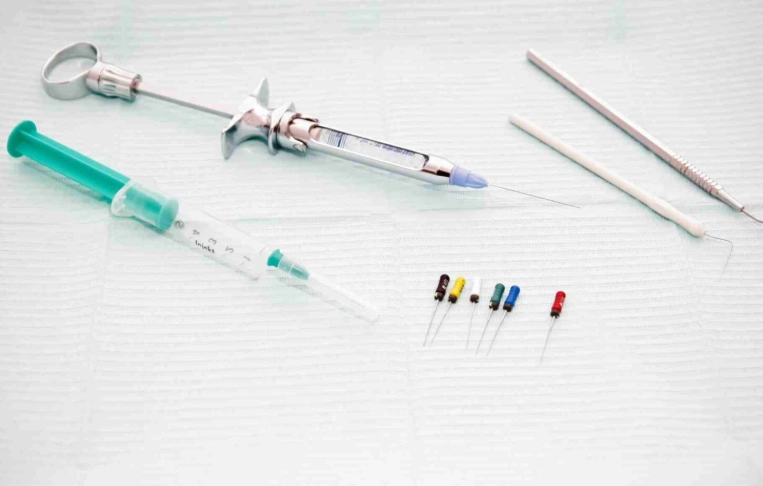
- Ask About Technique: Dentists can use different approaches. Some may use a computer-controlled delivery system that administers the anesthetic very slowly and at a controlled pressure, which can reduce tissue trauma. Others might choose a different injection site or use a smaller gauge (thinner) needle if appropriate.
- Manage Your Stress and Muscle Tension: This one is on you, but it helps. The more relaxed your jaw muscles are during the injection, the less likely they are to spasm. Try some deep breathing exercises in the chair. Consciously unclench your teeth and let your jaw go slack before the needle comes.
- Request a Mouth Prop: If you're having a long procedure, ask for a rubber mouth prop or bite block. This lets you rest your jaw muscles instead of actively holding your mouth open, preventing fatigue that can compound injection soreness.
Answers to Your Burning Questions (FAQ)

Wrapping Up: Knowledge is the Best Pain Reliever
Dealing with jaw pain after a novocaine shot can be a frustrating and worrying end to a dental visit. But understanding that it's usually a mechanical, muscular issue—not a sign of something gone terribly wrong—can provide immense relief in itself.
The soreness is your body reacting to a tiny trauma and doing its job to heal. In most cases, a little patience, some ice, a soft diet, and time are all you need. Your jaw will thank you for the rest.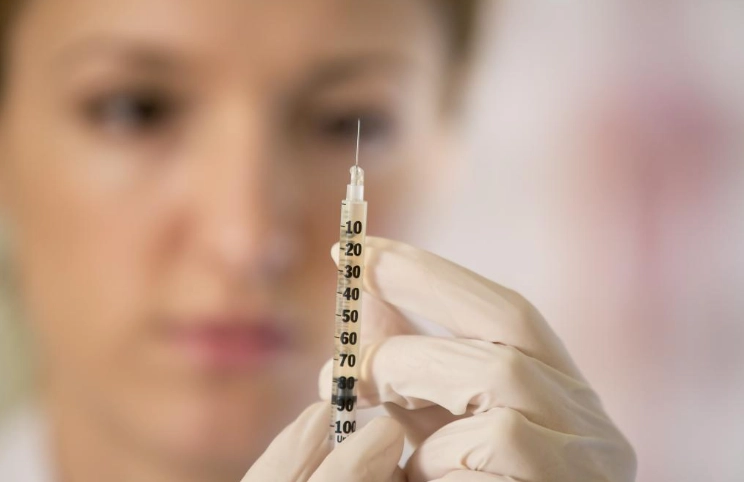
But never ignore your own intuition. If the pain pattern doesn't fit the normal mold, if red flags appear, or if anxiety is keeping you up at night, make the call. Your dentist would much rather reassure you over the phone or have you come in for a quick check than have you suffer needlessly or worry about a complication going unaddressed.
Armed with this info, you can navigate this common side effect with confidence, get the relief you need, and maybe even have a more informed conversation with your dentist before your next appointment. Here's to a quick recovery and a much more comfortable dental experience in the future.
Leave a Reply