Let's be honest, few things are as distracting and downright miserable as an aching toothache. It's not always the sharp, stabbing pain you see in cartoons. More often, it's this deep, persistent throb that seems to sync with your heartbeat, making it impossible to focus on anything else. You're trying to work, or maybe get some sleep, and there it is—a constant, nagging reminder that something's wrong in your mouth.
I remember once, I had this ache that came on after a particularly crunchy piece of bread. I thought it would just go away. It didn't. It settled in for a three-day weekend, turning what should have been relaxing into a cycle of ice packs, over-the-counter pills, and Googling symptoms at 2 AM. Not fun. That experience taught me a lot about how sneaky tooth problems can be and how important it is to really understand what's happening.
So, if you're reading this with a hand pressed to your cheek, searching for answers, you're in the right place. This isn't just a list of quick fixes. We're going to dig into the why behind the pain, separate the useful home tricks from the old wives' tales, and give you a clear map of when it's time to stop trying to tough it out and call a professional. Think of it as your roadmap out of toothache misery.
What Does Your "Aching Toothache" Actually Feel Like? Pinpointing the Pain
Describing pain is tricky. But the specific flavor of your aching toothache can be a big clue about what's causing it. Dentists actually listen carefully to these descriptions.
Is it a constant, dull background hum? That often points to a deeper issue, maybe with the pulp (the tooth's inner living part) getting irritated. A throbbing pain that seems to pound in time with your pulse is classic for inflammation and pressure building up inside the tooth or in the gums around it. You might notice it gets way worse when you lie down—that's because blood pressure to your head increases, putting more pressure on the already angry nerve.
Then there's sensitivity. Does a sip of ice water send a lightning bolt through your jaw? That's often linked to exposed dentin, maybe from a small crack, a worn-down tooth, or receding gums. Hot coffee pain can be a different, sometimes more serious, beast. And what about pain when you bite down? That could signal a crack in the tooth, a filling that's failed, or an abscess at the very tip of the root.
Keeping a mental note of these details isn't just helpful for you—it's gold for your dentist when you finally get in to see them.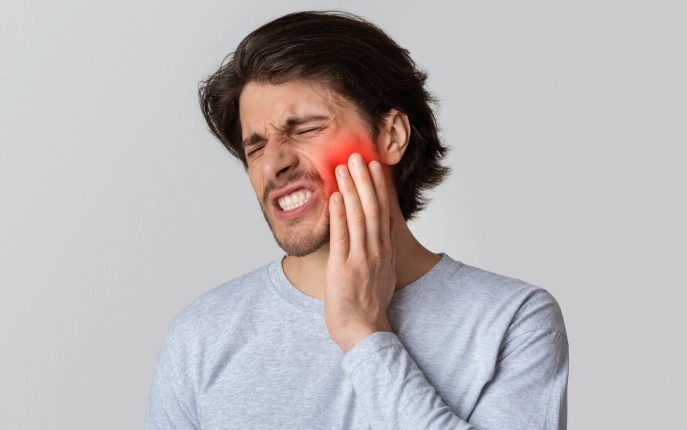
The Usual Suspects: Common Causes of That Nagging Ache
Okay, so what's actually going on in there? Here are the top contenders when it comes to an aching toothache.
Tooth Decay (Cavities): This is the granddaddy of tooth pain. It starts silently. Bacteria in plaque feast on sugars and produce acid that drills a tiny hole in your enamel. No nerves there, so you feel nothing. But once that decay tunnels deep enough to hit the dentin layer, you might get twinges of sensitivity. The real aching toothache kicks in when it invades the pulp chamber, where the nerves and blood vessels live. Then it's game on for pain. The American Dental Association has a great visual guide on how cavities form that makes this process crystal clear.
Dental Abscess: This is an infection, and it's nothing to mess with. It can happen at the tip of the root (periapical abscess) from untreated decay or trauma, or in the gums next to the root (periodontal abscess) from advanced gum disease. The pain is often severe, throbbing, and localized to one tooth. You might even see a pimple-like bump on your gums nearby. There can be swelling in your face or jaw, a fever, and a general feeling of being unwell. This is a "call the dentist now" situation.
Cracked Tooth or Damaged Filling: This one can be a real puzzle. The pain might come and go, only flaring up when you bite on something just the right (or wrong) way. The crack can be microscopic, invisible even on an X-ray sometimes. Every time you chew, the crack flexes, irritating the pulp inside. Old silver (amalgam) fillings can also wear out, crack, or leak over the years, allowing bacteria to sneak in underneath and start a new round of decay and pain.
Gum Disease (Periodontitis): We often think toothaches come from the tooth itself, but your gums can be the source too. Advanced gum disease destroys the bone and ligaments that hold your teeth firm. This can cause a deep, dull ache, teeth feeling loose, and gums that are red, swollen, and bleed easily. The pain might feel more generalized rather than from one specific tooth.
The Sneaky Culprits You Might Not Think Of
Sometimes, the pain is real, but the tooth itself is innocent. This is called referred pain.
Sinus Infection: This is a classic. The roots of your upper back teeth (premolars and molars) sit right underneath your maxillary sinuses. When those sinuses get inflamed and packed with pressure from an infection or bad allergies, they can push down on the nerve endings of those teeth. The result? A dull ache across several teeth at once, usually on one side of your face. The pain often gets worse when you bend over.
Teeth Grinding or Clenching (Bruxism): Do you wake up with a sore jaw or a dull headache? You might be grinding your teeth at night without knowing it. This puts enormous pressure on your teeth, muscles, and jaw joint (TMJ). It can lead to muscle soreness that feels like a toothache, widespread tooth sensitivity from worn enamel, and even cracked teeth. It's a slow-motion problem that causes a very real aching toothache.
Temporomandibular Joint Disorder (TMD): Problems with the hinge joint that connects your jaw to your skull can cause pain that radiates, making it feel like an earache, headache, or toothache. You might hear clicking or popping when you open your mouth, or find it hard to open wide.
Impacted Wisdom Teeth: As wisdom teeth try to erupt in a jaw that's too small, they can get stuck (impacted). They can push against other teeth, cause crowding and pain, and create a flap of gum tissue that's impossible to clean, leading to a painful infection called pericoronitis.
See what I mean? That simple aching toothache can have a surprisingly long list of potential causes. That's why a professional diagnosis is so crucial.
What Can You Do Right Now? Home Relief Strategies That Actually Work
It's 10 PM on a Sunday. Your dentist's office is closed. The ache is making you crazy. What can you actually do to take the edge off? Let's talk real-world, practical strategies. I've tried most of these, and some are winners while others... well, let's just say they're overhyped.
Over-the-Counter Pain Relievers: This is usually the first line of defense. Ibuprofen (like Advil) or Naproxen (like Aleve) are often better for dental pain than acetaminophen (Tylenol) because they reduce inflammation as well as block pain. Acetaminophen is still effective if you can't take NSAIDs. Always follow the dosage instructions on the bottle. Don't put the pill directly on your gum—that can burn the tissue and make things worse.
The Cold Compress: Simple and effective. Wrap an ice pack or a bag of frozen peas in a thin towel and hold it on the outside of your cheek, over the painful area, for 15-20 minutes. The cold constricts blood vessels, reducing swelling and numbing the pain a bit. It's my go-to for a throbbing ache.
Salt Water Rinse: This isn't just an old remedy; it's legit. Dissolve half a teaspoon of salt in a cup of warm water. Swish it around your mouth for 30 seconds, focusing on the sore area, then spit. The warm salt water helps draw out fluid from inflamed tissues (reducing swelling), loosens debris, and is mildly antiseptic. Do this a few times a day. It's soothing and cleans the area without being harsh.
Elevate Your Head: If the aching toothache is worse when you lie down, try propping yourself up with an extra pillow. This helps reduce the blood pressure and pressure buildup in the area, which can lessen that pounding sensation.
Home Remedies: The Good, The Questionable, and The "Don't Bother"
The internet is full of ideas. Let's sort them out.
| Remedy | How It's Supposed to Work | The Reality Check |
|---|---|---|
| Clove Oil | Eugenol in clove oil is a natural anesthetic and antiseptic. | Can work for temporary numbing. But be VERY careful. Dilute a drop or two in a carrier oil (like olive oil). Apply with a cotton swab ONLY to the tooth/gum. Pure oil can burn your gums. It's a short-term fix. |
| Garlic | Allicin in garlic has antimicrobial properties. | The evidence is thin for toothaches. Crushing a clove to release allicin and placing it on the tooth is messy and the taste is intense. Might irritate gums. Not a top pick. |
| Peppermint Tea Bag | Menthol has mild numbing properties. The warmth can be soothing. | Not a powerhouse, but harmless and calming. Use a cooled, damp tea bag as a compress on the area. The warmth of the tea itself can aggravate some types of pain, so let it cool first. |
| Vanilla Extract | Alcohol in extract might numb, and scent is calming. | The alcohol can sting if you have an open sore or sensitive gum. The effect is minimal at best. Probably not worth it. |
| Aspirin on the Gum | People think placing it directly will target pain. | DON'T DO THIS. Aspirin is acidic and will chemically burn your gum tissue, creating a painful ulcer on top of your toothache. Always swallow pain medication as directed. |
My personal ranking? Salt water rinse and a cold compress are at the top. They're cheap, easy, and have virtually no downside. Clove oil is in the "use with extreme caution" category. The others are mostly about giving you something to do while you wait for your appointment.
When It's Time to See a Dentist: No More Delaying
This is the part most of us try to avoid. We hope the ache will just magically disappear. But here's the hard truth: a persistent aching toothache almost never resolves on its own. It might quiet down for a day or two, but the underlying problem is still there, usually getting worse (and more expensive to fix).
So, when is it officially "time"?
- The pain is severe and isn't controlled by over-the-counter meds.
- The ache has lasted for more than 1-2 days. A one-off twinge might be nothing. A constant companion for 48 hours is a signal.
- You have swelling in your cheek, jaw, or gums near the tooth.
- You have a fever, earache, or pain when you open your mouth wide.
- You see pus or a pimple-like bump on your gums.
- You have an injury to your mouth or tooth.
- You have broken a tooth or lost a filling.
If you check any of those boxes, pick up the phone. A good dental office will have slots set aside for emergency appointments. Be honest about your pain level when you call.
What to Expect at the Dentist (And How to Pay for It)
The fear of the unknown—and the bill—keeps a lot of people away. Let's demystify it.
First, the exam. Your dentist will ask about your pain (remember those descriptions we talked about?). They'll look in your mouth, probably tap gently on a few teeth with a tool (sorry, it might hurt momentarily), and check your gums. They'll almost certainly want an X-ray. This is non-negotiable for diagnosing most causes of an aching toothache. It shows decay between teeth, abscesses at the root tips, bone loss from gum disease, and cracks. Don't refuse the X-ray; it's their most important diagnostic tool.
Now, the potential treatments. What they recommend depends entirely on what they find.
- For a Cavity: If it's caught early, a simple filling will do. They remove the decay and fill the hole with a tooth-colored composite resin. It's a routine procedure.
- For a Deeper Cavity or Crack Near the Pulp: When decay or damage is close to or has reached the nerve, you might need a root canal. I know, it's the most feared phrase in dentistry. But modern root canals are done with local anesthesia and aren't much different feeling than getting a deep filling. The dentist removes the infected or dead pulp, cleans and disinfects the inside of the tooth, and seals it up. Afterward, the tooth usually needs a crown to protect it. A root canal overview from the American Association of Endodontists (root canal specialists) explains the process without the scary myths.
- For an Abscess: The treatment is a root canal to remove the source of the infection inside the tooth, along with antibiotics if the infection has spread. Sometimes, if the tooth is too damaged, extraction (pulling it) is the only option.
- For Gum Disease: Treatment starts with a deep cleaning called scaling and root planing, where they clean under your gums to remove tartar and bacteria. More advanced cases might need referral to a periodontist (gum specialist).
Cost is a huge concern. A filling might be a few hundred dollars. A root canal and crown can run into the thousands. This is where dental insurance is a lifesaver, though it often has waiting periods and annual maximums. If you don't have insurance, ask about payment plans. Many offices offer them. Some dental schools offer low-cost treatment by supervised students. It's worth looking into. The cost of ignoring the problem is almost always higher, both for your health and your wallet.
Your Top Aching Toothache Questions, Answered
I've spent a lot of time in dental forums and Q&A sites. These are the questions people are really asking when that ache starts.
Can an aching toothache go away on its own?
It can seem to go away. If the irritated pulp inside your tooth dies, the sharp, sensitive pain may stop. That's not a good thing. The dead tissue can then become infected, leading to an abscess, which causes a different, often more severe, type of pain. The underlying problem is still there, silently getting worse. So no, don't count on it.
Why does my toothache hurt more at night?
A few reasons. First, when you lie down, more blood rushes to your head, increasing pressure in the blood vessels around the already-inflamed tooth nerve. That extra pressure makes the throb feel more intense. Second, there are fewer distractions at night. You're not working or talking, so your brain focuses entirely on the pain signal. It's miserable, I know.
Is a toothache an emergency?
Most toothaches aren't "rush to the ER" emergencies, but a dental abscess with facial swelling, fever, and trouble breathing or swallowing can become a serious, life-threatening infection that needs immediate hospital care. For a standard, persistent aching toothache, it's a "dental urgency." You need to see a dentist within a day or two, but you don't need an ambulance.
What if I'm terrified of the dentist?
You are not alone. Dental anxiety is incredibly common. The key is communication. Tell your dentist and the dental assistant you're nervous. Modern dentistry has many options to help, from nitrous oxide (laughing gas) to oral sedatives. Many practices now specialize in treating anxious patients. Letting the pain continue is usually far more terrifying than the appointment itself. Taking that first step to call and explain your fear is the hardest part.
How can I prevent this from happening again?
Prevention is way better than any cure for an aching toothache. It sounds basic, but it works:
- Brush twice a day with fluoride toothpaste. Don't scrub hard; use a soft-bristled brush.
- Floss daily. Really. This cleans the sides of your teeth where cavities often start.
- Limit sugary and acidic drinks and snacks. Bacteria love sugar.
- See your dentist for regular check-ups and cleanings, usually every six months. They can spot a tiny cavity long before it becomes a painful problem.
- If you grind your teeth, ask about a night guard. It's a custom-made mouthguard that protects your teeth while you sleep.
Wrapping It Up: Your Action Plan
Let's bring this all together. If you're currently dealing with an aching toothache, here's your step-by-step game plan.
Immediate (Tonight/Today): Manage the pain. Take an OTC pain reliever as directed. Use a cold compress on your cheek. Do a warm salt water rinse. Avoid chewing on that side. Avoid extreme temperatures in food and drink.
Within 24 Hours: Assess the situation. Is the pain severe? Is there swelling or fever? If yes, call a dentist immediately, even if it's after hours—they should have an emergency contact. If it's a persistent but manageable ache, start calling dental offices first thing in the morning to schedule an appointment. Be clear you have a toothache; they'll fit you in.
At the Appointment: Be your own advocate. Describe your pain in detail (throbbing, sensitive to cold, etc.). Ask questions. Understand the diagnosis and the proposed treatment plan. Ask about costs and payment options. Don't leave confused.
Long-Term: After you've dealt with this episode, commit to prevention. Schedule your next routine cleaning. Upgrade your home care. Address any habits, like grinding, that contributed.
That dull, nagging, aching toothache is a powerful signal. It's annoying, it's painful, but it's also useful. It's telling you to pay attention. Listen to it. Take the temporary steps to soothe it, but make the call to get it fixed properly. Your future self—free of that nagging pain and with a healthy, intact tooth—will thank you for it.
Leave a Reply