So you're sitting there, maybe after another frustrating meal where your dentures slipped or your remaining teeth just ache, and you type those words into Google: "Are full mouth dental implants worth it?"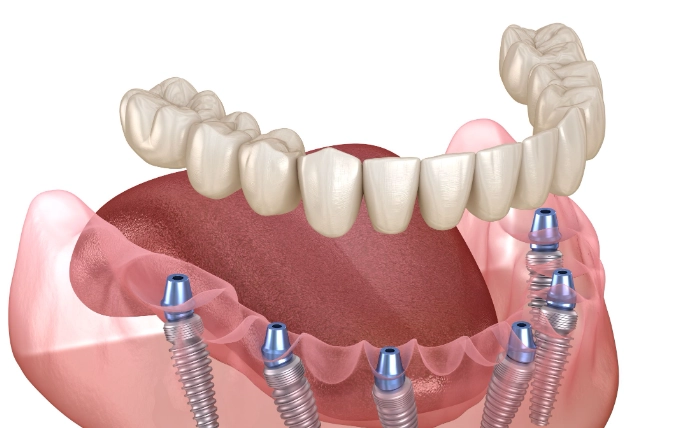
Your Guide to Full Mouth Implants
- First Things First: What Exactly Are We Talking About?
- The Big Shiny Benefits: Why People Even Consider This
- Let's Talk Numbers: The Cost Breakdown
- Who Actually Says "Yes, This Was Worth It"?
- The Process: What Does the Journey Actually Look Like?
- Answering Your Burning Questions (The FAQ)
- The Final Verdict: A Framework for Your Decision
It's a massive question, isn't it? We're talking about a procedure that can cost as much as a new car. A commitment that involves surgery. A decision that will literally change your face, your smile, and how you eat for the rest of your life.
I've talked to dentists, read more studies than I care to admit, and spoken with people who've actually gone through it. Let me tell you, the answer isn't a simple yes or no. It's a giant "it depends." But by the end of this, you'll have a much clearer picture of what you're really signing up for.
First Things First: What Exactly Are We Talking About?
People throw around the term "full mouth implants," but there are a few different ways to skin this cat. It's not always 28 individual implants (one for each tooth you're missing). That would be insane, expensive, and frankly unnecessary.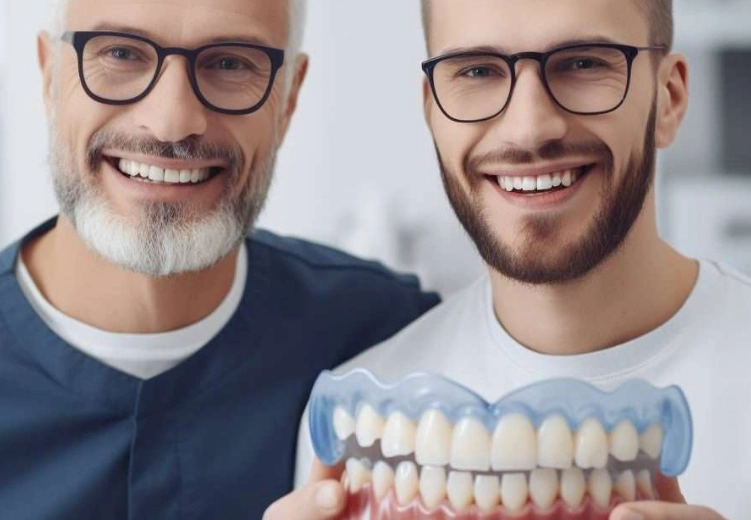
The most common approaches are:
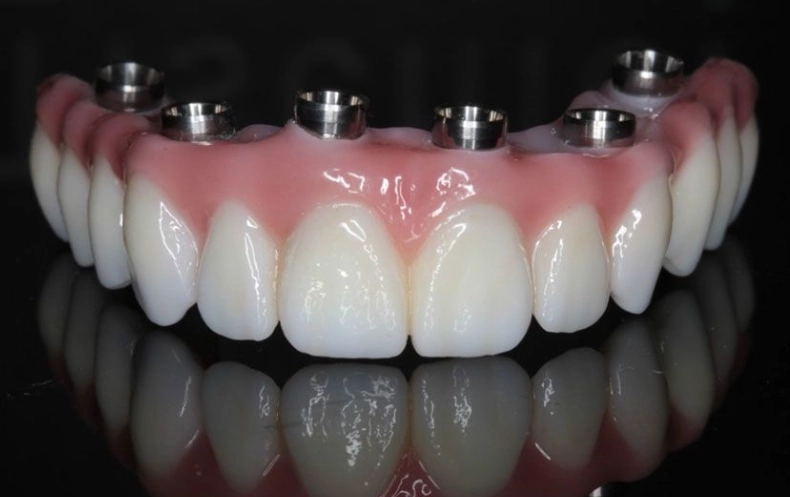
- All-on-4® or All-on-6: This is the rockstar of full arch restoration. They place four or six implants strategically in your jawbone, and then attach a full arch of prosthetic teeth to them. It's like a dental bridge, but supported by implants instead of natural teeth. This is often the go-to because it requires fewer implants and can sometimes avoid bone grafting.
- Implant-Supported Dentures: Think of your traditional denture, but instead of resting on gums and using adhesive, it snaps securely onto a few strategically placed implants. You can take it out to clean it, but it won't slide around when you talk or eat.
- Individual Implants for Each Tooth: This is the "Rolls Royce" option and is pretty rare for a full mouth. It's exactly what it sounds like – an implant for every single missing tooth. The cost and complexity are through the roof, so it's usually only considered in specific cases.
When most folks ask "are full mouth dental implants worth it," they're usually picturing something like the All-on-4 procedure. It's the one that gets all the marketing hype, for better or worse.
The Big Shiny Benefits: Why People Even Consider This
Let's talk about the good stuff first. The promise. The reason you're even reading this.
The Good (The Really, Really Good)
- You Get Your Teeth Back, For Real: This isn't a removable appliance. It's a fixed, permanent set of teeth. You brush them like normal teeth. You eat with them like normal teeth (with some common-sense limits). No more taking them out at night. The psychological shift from "having dentures" to "having teeth" is profound for most people.
- Bye-Bye, Bone Loss: This is a huge one that doesn't get enough airtime. When you lose teeth, your jawbone starts to melt away because it's not being stimulated. Dentures can actually accelerate this process. Dental implants mimic tooth roots and provide that needed stimulation, preserving your facial structure. No more "sunken-in" look as you age. The American Academy of Implant Dentistry has plenty of resources on how implants preserve bone (AAID - What Are Dental Implants?).
- Food Freedom: I spoke to a woman in her 60s who got All-on-4s. Her first meal? A steak and a raw apple. She cried. After decades of gumming soft foods or cutting everything into tiny pieces, the ability to bite into something without a second thought is liberating. Corn on the cob, crusty bread, chewy candy – it's all back on the menu.
- No More Messy Adhesives or Slipping: The insecurity of a denture popping loose during a laugh or a meal is completely eliminated. Your speech becomes clearer because your "teeth" aren't moving around.
- Durability: With proper care, the implant posts themselves can last a lifetime. The prosthetic teeth (the part you see) will wear out eventually, but they can often be replaced without redoing the surgery.
The Not-So-Good (The Reality Check)
- The Sticker Shock: Let's not mince words. It's expensive. We're talking $15,000 to $30,000 per arch (upper or lower jaw). So for a full mouth, you could be looking at $60,000 on the very, very high end. More commonly, it's in the $25,000 to $50,000 range total. Insurance often covers little to none of it.
- It's Major Surgery: Don't let the slick videos fool you. They are placing titanium screws into your jawbone. There will be swelling, bruising, and a significant recovery period where you'll be on a liquid/soft food diet. There are risks of infection, nerve damage (which can cause permanent numbness), and sinus issues (for upper implants).
- The Process is Long: It's not a one-and-done visit. It can take a year or more from start to finish. There's the consultation, the planning, the surgery, the healing period (osseointegration, where the bone fuses to the implant), and then finally, attaching the permanent teeth.
- Not Everyone is a Candidate: You need enough healthy jawbone to support the implants. If you've had significant bone loss, you might need a bone graft first, which adds cost, time, and complexity. Heavy smokers or people with uncontrolled diabetes often have lower success rates.
- Maintenance is Non-Negotiable: While they can't get cavities, you can get peri-implantitis, a nasty gum disease around implants that can cause them to fail. You must commit to impeccable oral hygiene and regular professional cleanings forever.
Let's Talk Numbers: The Cost Breakdown
"Worth it" is always tied to cost. So what are you actually paying for?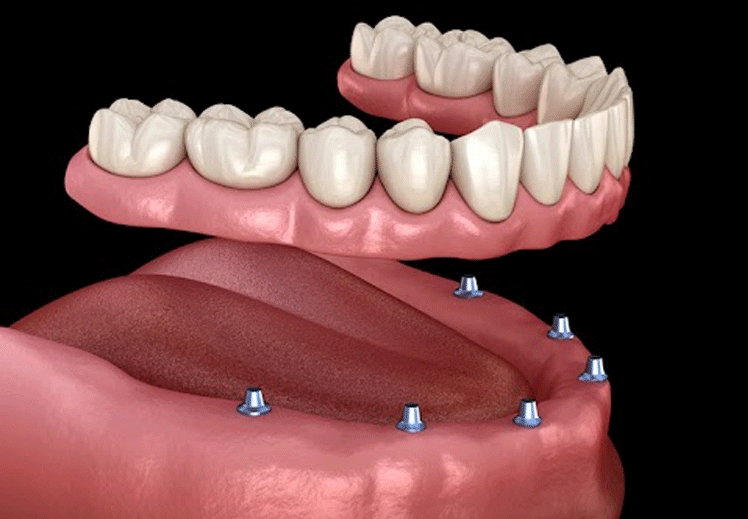
The price isn't just for the little titanium screws. It's a package deal that includes:
- The Implant Posts: The titanium screws themselves. Brand can matter here.
- The Abutments: The connectors that go on top of the implant posts.
- The Prosthesis: The actual set of teeth. This is a big cost driver. You can get acrylic teeth (less expensive, but wear faster) or zirconia/porcelain-fused-to-metal (much more expensive, but more durable and natural-looking).
- The Surgeon's & Prosthodontist's Fees: You're paying for their expertise, planning time, and surgical skill. This is NOT where you want to bargain hunt.
- Anesthesia/Sedation: For a procedure this long, you'll likely want to be under.
- Preparatory Procedures: Extractions of any remaining teeth, bone grafts, sinus lifts. These can add thousands.
- Follow-up Appointments & Adjustments: Included in the initial quote (or should be).
Here’s a rough comparison to put it in context. It’s not perfect, but it helps visualize the trade-offs.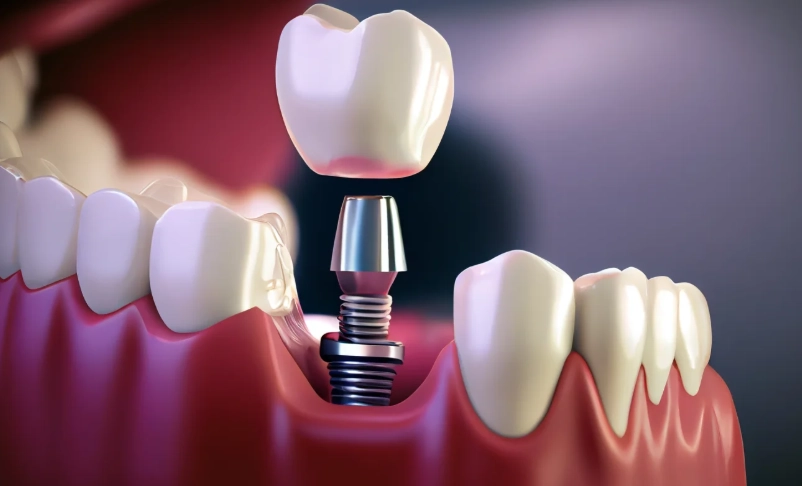
| Option | Estimated Cost (Full Mouth) | Key Advantages | Key Disadvantages |
|---|---|---|---|
| Conventional Complete Dentures | $1,500 - $5,000 | Most affordable option. Non-invasive. | Can slip/become loose. Accelerates bone loss. Diet restrictions. Requires adhesives. |
| Implant-Supported Overdentures (Snap-in) | $15,000 - $30,000 | Excellent stability. Preserves some bone. More affordable than fixed options. | Removable (some see as a con). Plastic palate can affect taste. Attachments need replacing. |
| All-on-4® Fixed Hybrid | $25,000 - $50,000+ | Permanent, fixed teeth. Maximum function & bone preservation. Natural feel. | Highest upfront cost. Complex surgery. Difficult to repair if prosthetic breaks. |
See the jump? You're paying for that step-change in stability, function, and health.
Who Actually Says "Yes, This Was Worth It"?
From what I've gathered, the people who are thrilled with their decision usually fall into a few camps:
- People who struggled terribly with traditional dentures: If you're miserable, insecure, and malnourished because you can't eat properly, the value proposition shifts dramatically. The cost becomes an investment in quality of life.
- Relatively younger people who've lost their teeth: Facing 30 or 40 more years with failing dentures is a bleak prospect. The long-term bone preservation and durability make more financial sense over that timeframe.
- Those for whom money is less of an object: It's a blunt truth. If the cost won't bankrupt you or cause significant stress, the decision is easier. The people who regret it are often those who went into deep debt and then had a complication.
The Process: What Does the Journey Actually Look Like?
If you're still thinking this might be for you, you should know the road ahead. It's a marathon, not a sprint.
Phase 1: The Deep Dive Consultation
This isn't a 15-minute chat. A good surgeon will spend hours with you. They'll take 3D CBCT scans (like a super-detailed X-ray) to see your bone density, nerve locations, and sinus cavities. They'll assess your gum health and your overall medical history. They should present you with multiple options, not just push you toward the most expensive one. This is where you ask every single question you have.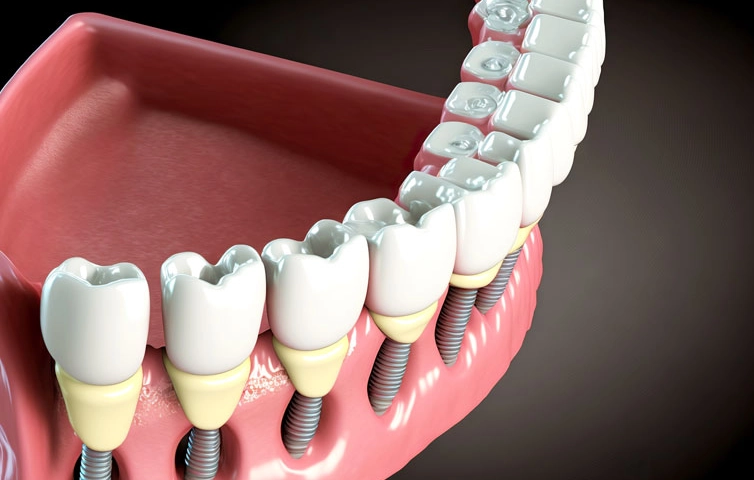
Phase 2: The Surgery Day
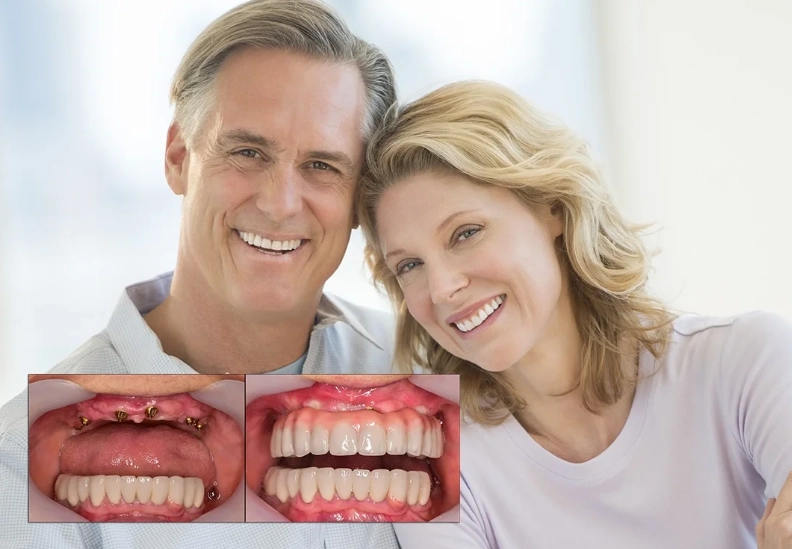
You'll be under sedation. They'll extract any remaining teeth (if needed), place the implants into your jawbone, and often attach a temporary set of teeth on the same day. This "teeth in a day" concept is real, but those temps are fragile. You'll leave with a new smile, but also with a mouth full of stitches and instructions for a liquid diet.
Phase 3: The Healing Grind
This is the hardest part for many. Swelling peaks around day 3. You'll be on pain meds and antibiotics. You'll be rinsing with special solution. For 3-6 months, you'll eat only soft foods while the bone fuses to the implants (osseointegration). You have to be patient. Your temporary teeth will be adjusted as your gums heal and change shape.
Phase 4: The Final Reveal
Once your surgeon confirms the implants are fully integrated and stable, you'll get your final, permanent set of teeth. These are crafted from stronger, more aesthetic materials. They're adjusted for perfect fit and bite. This is the finish line.
Answering Your Burning Questions (The FAQ)
The Final Verdict: A Framework for Your Decision
Instead of giving you a yes or no, let me give you a checklist. If you answer "yes" to most of these, you're likely a good candidate who will find the investment worthwhile.
- Your current situation is negatively impacting your health or happiness. (You can't eat properly, you're embarrassed to smile, dentures cause sores).
- You are in good general and oral health, or conditions like diabetes are well-controlled.
- You are a non-smoker or are willing to quit for the entire process and beyond.
- You have realistic expectations. This gives you excellent, functional teeth, not supernatural invincible teeth.
- You are committed to a lifetime of meticulous oral hygiene.
- You have the financial means without causing catastrophic stress or debt.
- You have the patience for a long process with a significant recovery period.
Look, I'll be honest. For the right person, under the right circumstances, the answer to "are full mouth dental implants worth it?" can be a resounding, life-changing YES. The restoration of function, confidence, and facial structure is something you can't really put a price on if you've been suffering without it.
But for others, especially if finances are tight or health isn't optimal, the massive cost and ordeal of surgery might not justify the benefits over a well-made set of conventional dentures or implant-supported overdentures.
The key is to consult with a highly qualified, ethical prosthodontist or oral surgeon. Get two or three opinions. Don't be sold. Be informed. Ask them to show you models and explain exactly what they're proposing. Ask about the brand of implants they use and why. Ask to see before-and-after photos of their actual patients.
It's your mouth, your health, and your money. Weigh the monumental pros against the very real cons. Only you can decide where that balance lies.
And remember, "worth it" isn't just a financial calculation. It's about how much you value smiling without hesitation, eating without fear, and facing the world with a bit more confidence for the next several decades.
Leave a Reply