Quick Navigation
- First, Is It Really Teething? Spotting the Signs vs. Red Flags
- The Immediate Action Plan: What to Do in the Moment
- Navigating the World of Teething Products and Medications
- The Holistic Approach: Comfort Beyond the Gums
- Your Teething Toolkit: A Quick-Reference Checklist
- Answering Your Burning Teething Questions
- The Long Game: Maintaining Your Sanity
Let's be honest. There are few things more draining than a baby who is teething and won't stop crying. You've tried the teething ring, maybe some gentle gum massage, but the wailing continues. You're tired, they're in pain, and you're both at your wits' end. I remember pacing the floor at 3 AM with my first, feeling utterly helpless. The internet offered a million solutions, but which ones actually worked? It took some trial and error (and a lot of coffee) to figure it out.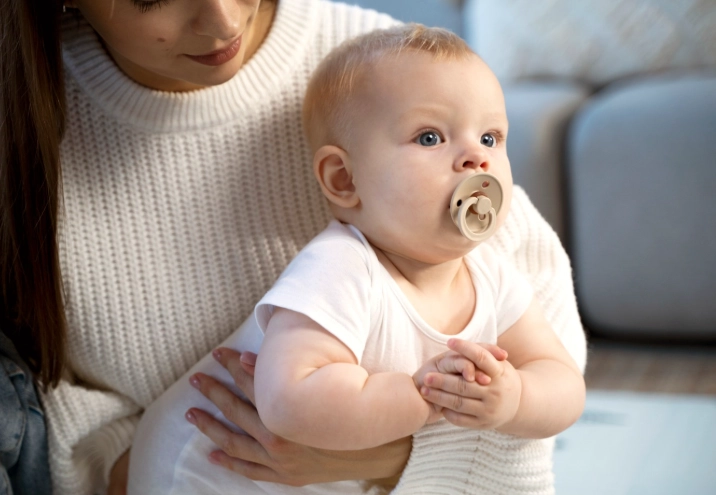
This guide isn't about vague advice. It's a deep dive into exactly what to do when baby is teething and won't stop crying, pulling from pediatric guidelines, parent-tested tricks, and a realistic look at what actually brings relief. We'll move beyond the basics into strategies you might not have considered.
First, Is It Really Teething? Spotting the Signs vs. Red Flags
Before we jump into solutions, let's make sure we're dealing with teething. Sometimes a baby is cranky for other reasons. The American Academy of Pediatrics (AAP) notes common teething symptoms include irritability, drooling, gum-swelling, and a desire to chew on hard things. A slight rise in temperature (under 100.4°F or 38°C) might occur, but a true fever is not a teething symptom.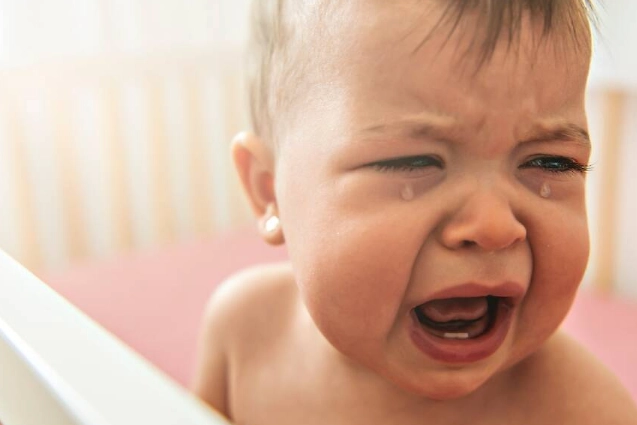
I made the mistake once of blaming a low-grade fever on teething, only to find out a few days later it was an ear infection starting. Trust your gut.
So, you've confirmed it's the teeth. The crying is relentless. Now what?
The Immediate Action Plan: What to Do in the Moment
When the crying hits a peak, you need a toolkit of fast-acting options. Here’s a ranked list of the most effective immediate interventions, based on parent feedback and pediatric recommendations.
Top Tier: Pressure and Cold
These two work on the same principle: counter-irritation. Cold numbs the nerve endings, and pressure gives the gums a different sensation to focus on.
- Chilled (not frozen) Washcloth: This is my personal number one. Run a clean washcloth under cold water, wring it out, and fold it. Let your baby gnaw on it. The texture provides pressure, the cold soothes, and it absorbs drool. You can even tie a knot in one end for easier gripping.
- Chilled Teething Toys: Look for ones filled with non-toxic gel or water. Stick a few in the fridge (again, not the freezer, as extreme cold can damage gums). The U.S. Food and Drug Administration (FDA) advises against certain plasticizers in teethers, so opt for solid silicone or rubber from reputable brands.
- Clean Finger Massage: Wash your hands, then use a clean finger to gently but firmly rub your baby's gums. The pressure can provide significant relief. You might feel the tooth bud underneath—that's the culprit!
What to do when baby is teething and won't stop crying often starts with these simple, drug-free methods. They're safe, cheap, and you can do them right now.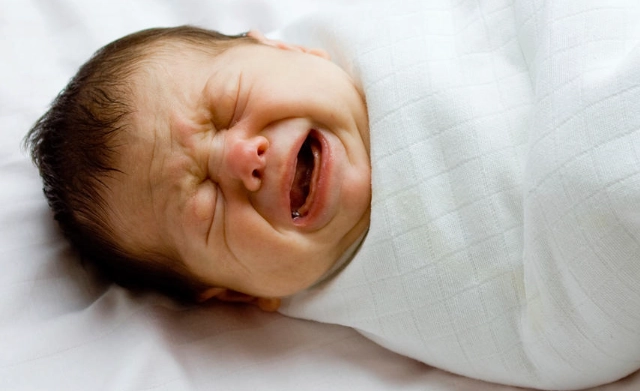
Second Line: Safe Chewing Options
Babies have an instinct to gnaw during this phase. Providing safe, hard, cool things to chew on is key.
- Hard, Cold Foods: For babies already on solids, large, cold chunks of food they can't break apart are great. Think a large, cold cucumber spear (peeled), a cold carrot stick (supervised to prevent choking), or a chilled piece of mango pit (cleaned). Always supervise closely.
- Silicone Feeder: These mesh or silicone pouches are brilliant. Fill them with frozen fruit (banana, berries) or yogurt. The baby can suck and gnaw, getting flavor and cold relief without choking risk.
Sometimes, though, the natural stuff isn't enough. That's when parents start looking at other options.
Navigating the World of Teething Products and Medications
This is where it gets murky. The pharmacy aisle is full of products promising relief. Some work, some are useless, and some can be harmful.
| Product Type | How It's Supposed to Work | The Reality & Safety Note | My Personal Take |
|---|---|---|---|
| Over-the-Counter Pain Relievers (Acetaminophen/Ibuprofen) | Reduces inflammation and pain systemically. | Effective for severe pain. Use only as directed by your pediatrician for dosage and frequency. For occasional bad nights, it can be a lifesaver. The Mayo Clinic provides clear guidelines on infant pain reliever use. | I used infant ibuprofen (after 6 months) for the worst molars. It was the only thing that allowed sleep. Don't feel guilty if you need it, but don't make it a daily habit. |
| Topical Numbing Gels/Ointments (Benzocaine-based) | Numbs the gum surface on contact. | FDA warns against use in children under 2. Can cause a rare but serious condition called methemoglobinemia, reducing oxygen in blood. Risk outweighs benefit. Avoid. | Scary. I tried one before the warnings were widespread. It worked for 10 minutes, then the crying was worse. Not worth the risk. |
| Homeopathic Teething Tablets/Gels | Natural ingredients to soothe discomfort. | FDA has issued warnings. Some have been found to contain inconsistent amounts of belladonna, which can be toxic. Effectiveness is unproven. Best avoided. | The lack of regulation worries me. I'd rather use a method with a clear, proven safety profile. |
| Amber Teething Necklaces | Supposedly releases succinic acid absorbed through skin to reduce inflammation. | No scientific evidence supports this. Major choking and strangulation hazard. The AAP and Health Canada strongly advise against them. | A hard no. The risk of strangulation is real, and I've never seen convincing proof they work beyond a placebo effect for the parent. |
See what I mean? It's a minefield. When you're desperate and wondering what to do when baby is teething and won't stop crying, it's easy to grab anything. But sticking to the evidence-based options—cold, pressure, and occasional appropriate pain medication—is the safest path.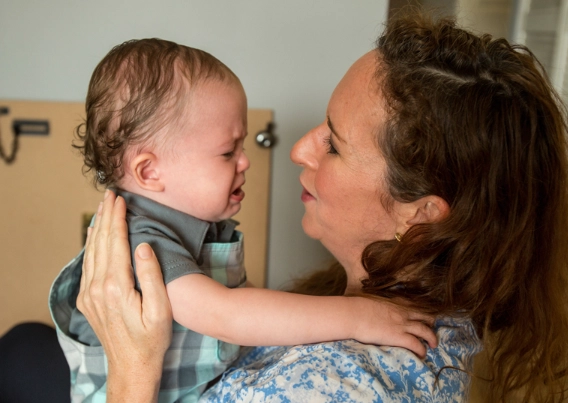
The Holistic Approach: Comfort Beyond the Gums
Teething pain doesn't exist in a vacuum. It makes babies overtired, which makes them less able to cope with pain, which leads to more crying—a vicious cycle. Breaking that cycle is crucial.
Comfort and Connection
Never underestimate the power of cuddles. Extra holding, skin-to-skin contact, babywearing, and gentle rocking can release calming hormones. Sometimes the crying is as much about needing reassurance as it is about the pain. A warm bath can also relax tense muscles and provide a distraction.
Managing the Drool Factor
Constant drool can cause a rash around the mouth, chin, and neck, adding another layer of irritation. Keep the area dry by patting (not rubbing) gently with a soft cloth. Applying a thin layer of petroleum jelly or a gentle barrier cream can protect the skin. Change wet bibs frequently.
Sleep Disruption Solutions
This is the big one. Teething pain often flares at night when distractions are gone. To cope:
- Pre-Bedtime Routine: Administer a dose of pain reliever (if recommended by your doctor) 30 minutes before bed to let it kick in.
- Cool the Crib: Offer a chilled teether right as you lay them down. Have a couple on rotation in the fridge.
- Adjust Expectations: Know that sleep might be disrupted for a few nights. Try to share the load with a partner if possible. Go to bed early yourself.
Figuring out what to do when baby is teething and won't stop crying often means layering these strategies. Cold chew toy + extra cuddles + managing drool rash + a slight adjustment to the sleep routine.
Your Teething Toolkit: A Quick-Reference Checklist
Print this out or save it on your phone for the next tough day.
- [ ] Cold & Pressure: Chilled washcloths, refrigerated teethers, silicone feeder with frozen fruit.
- [ ] Pain Management: Infant acetaminophen or ibuprofen (check dosage with pediatrician).
- [ ] Skin Protection: Soft cloths for drool, barrier cream, plenty of bibs.
- [ ] Comfort Items: Favorite blanket, pacifier (can help with sucking reflex), baby carrier.
- [ ] Your Own Sanity: Headphones with calming music (for you), coffee, a friend to text for support.
Answering Your Burning Teething Questions
Let's tackle some specific things parents search for when they're in the thick of it.
How long does this crying phase last for each tooth?
The intense, worst-of-it crying usually lasts 2-3 days per tooth: a day or so before it cuts through the gum, the day it erupts, and maybe a day after. The entire “teething” process for all 20 primary teeth spans about two years, but it's not constant crying. It comes in waves.
Are some teeth worse than others?
Absolutely. The first teeth (bottom front incisors) are often the biggest surprise for baby and parent, but they're usually not the worst. The first molars are notoriously painful because they're big and broad, with a large surface area pushing through. The canines can also be rough. So if you thought the early teeth were bad, brace yourself for the one-year molars.
My baby refuses all teethers and food. What now?
This is a common frustration. When the pain is high, they might reject anything touching their gums. Go back to basics: clean finger massage, cuddles, a cool silicone spoon to lick, or even just letting them gnaw gently on your knuckle (weird, but it works). Sometimes, offering a cold teether when they're slightly distracted, like during a song, can help.
Could it be something else causing the crying along with teething?
Very possible. Teething babies are more susceptible to minor bugs because they're putting everything in their mouths. They might also be hitting a developmental milestone (like learning to crawl) that's disrupting sleep. Or, the constant drool might have caused an ear infection. This is why monitoring for those red flags (fever, etc.) is so important. If your instinct says it's more than teeth, call the doctor.
The Long Game: Maintaining Your Sanity
Let's talk about you. A crying baby is stressful. Your nerves are frayed. You're not sleeping. This is normal, but it's not sustainable.
First, lower your standards for everything else. The dishes can wait. Order takeout. It's okay.
Second, tag out. If you have a partner, take shifts. One person handles 8 PM to 1 AM, the other takes 1 AM to 6 AM. Get uninterrupted sleep in another room if you can. If you're solo, call in a favor from a family member or friend for a few hours so you can nap.
Finally, remember this is a phase. It feels endless in the middle of the night, but it will pass. The tooth will break through, the crying will subside, and you'll get a reprieve until the next one starts moving. You're not doing anything wrong. You're learning what to do when baby is teething and won't stop crying, and that process is messy.
You've got this. Use the safe tools, trust your instincts, and know that offering comfort, even when the crying continues, is exactly what your baby needs from you.
Leave a Reply