Quick Navigation
So the braces are finally off. Your teeth look incredible, straight, and you can't stop smiling. It feels like a huge victory. But then your orthodontist hands you this little piece of plastic or wire and says, "Wear this every night, or it'll all go back." That's your new reality—the retainer for teeth. And let's be honest, the instructions can feel a bit vague. How long? What kind? What if it breaks?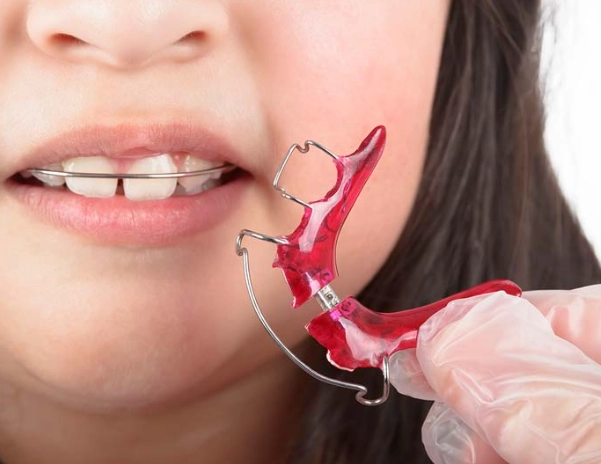
I remember getting my first retainer. It was a bulky, clear plastic thing that made me lisp. I was terrified of losing it, so I'd wrap it in a napkin at lunch... which is exactly how I lost it a month later. Not my finest moment. It's a shared experience for millions.
This guide is here to cut through the confusion. We're going to talk about why you absolutely need one, the different types (some are way more comfortable than others), how to take care of it without driving yourself crazy, and what to do when things go wrong. Think of it as your owner's manual for post-braces life.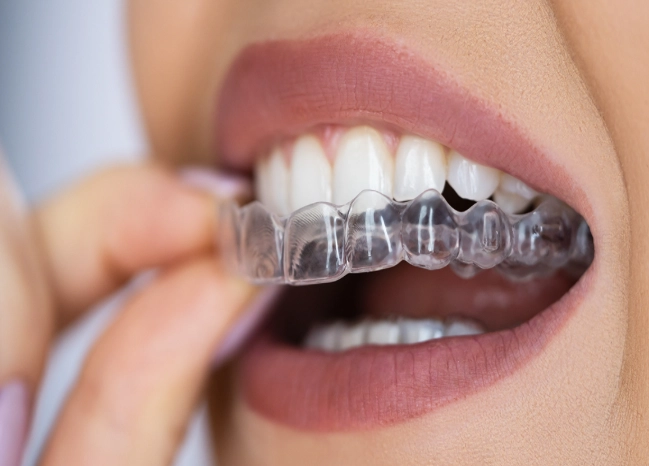
Why You Can't Skip the Retainer (Seriously, Don't)
Your teeth aren't cemented in bone. They're held in place by ligaments, and those ligaments have memory. After months or years of being guided into a new position, they want to spring back to where they came from. It's called relapse.
The hard truth: Orthodontic treatment doesn't end when the braces come off. The retention phase is what locks in your investment. Skipping your retainer is like building a beautiful house on a foundation of sand. Eventually, things shift.
This isn't just orthodontist scare tactics. Research consistently shows that without retention, there's a significant tendency for teeth to crowd again, especially the lower front teeth. The American Association of Orthodontists (AAO) emphasizes that retention is a lifelong consideration for most people. It's not a short-term chore; it's a long-term commitment to your smile.
So, how long is "lifelong"? The standard advice has evolved. It's not just "wear it every night for a year." The initial phase is full-time wear (like 22 hours a day) for several months, then transitioning to nightly wear. But many orthodontists now tell patients that to guarantee stability, nightly wear of a retainer for teeth should be considered indefinite. Some shifting can happen even decades later.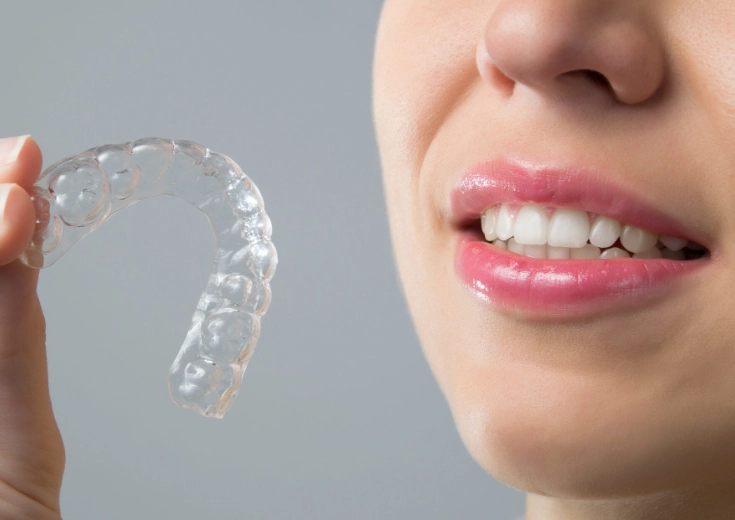
The Main Players: Types of Teeth Retainers
Not all retainers are created equal. Your orthodontist will recommend one based on your specific case, but it helps to know your options. Here’s the breakdown of the most common types.
| Type of Retainer | What It Is | Pros | Cons | Best For |
|---|---|---|---|---|
| Hawley Retainer | The classic. Acrylic plate with a wire that goes across the front teeth. | Durable, adjustable, allows for minor tooth movement if needed. | Visible, can affect speech initially, bulkier feel. | Long-term, reliable wear; cases where minor adjustments might be needed later. |
| Clear Plastic (Essix) Retainer | A thin, transparent plastic aligner that fits snugly over all teeth. | Nearly invisible, less impact on speech, comfortable fit. | Can warp with heat, less durable than Hawley, not adjustable. | Patients prioritizing aesthetics; upper teeth retention. |
| Permanent (Bonded/Fixed) Retainer | A thin wire bonded to the back of your front teeth. | You can't forget to wear it! Provides constant, passive retention. | Harder to clean around, can break, requires professional removal. | Lower front teeth (prone to crowding); patients unlikely to comply with removable wear. |
I had a Hawley for years and hated the wire. Switched to a clear one and loved the invisibility, but I cracked two by accidentally wrapping them in a napkin (old habits die hard) and throwing them away. There's always a trade-off.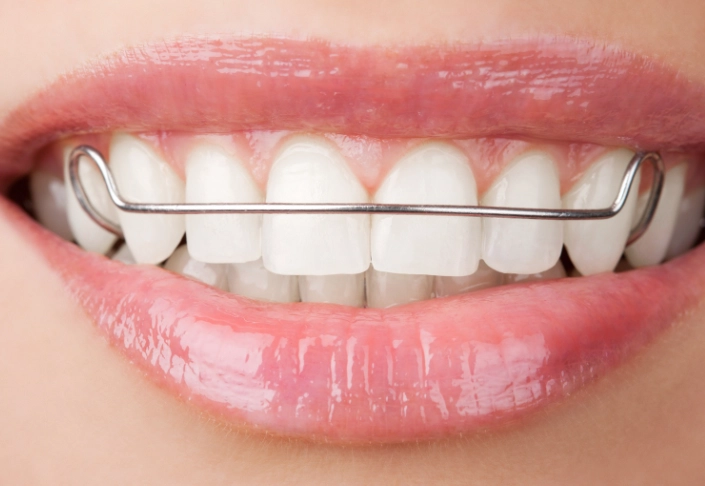
My orthodontist told me something that stuck with me: "The best retainer is the one you'll actually wear." For some, that's the invisible clear one. For others who might lose a removable one, a permanent wire on the back is a safety net. It's about knowing yourself.
Choosing Your Champion: Which Retainer is Right?
This is the million-dollar question. There's no single "best retainer for teeth" for everyone. It depends on:
- Your teeth: Some complex cases need the control of a Hawley. Simple, stable cases might do great with a clear one.
- Your lifestyle: An athlete might prefer a permanent retainer to avoid issues with a mouthguard. Someone in public speaking might choose clear over Hawley.
- Your discipline: Be brutally honest. Will you remember to put a removable one in every night? If the answer is "probably not," a fixed option is worth discussing.
A combination is also super common. Many people get a permanent retainer glued to their lower six front teeth (where crowding most often recurs) and a removable clear one for the top. This gives you security and aesthetics.
The Care and Feeding of Your Retainer
This is where most people slip up. A dirty or damaged retainer is useless, and a lost one is expensive. Let's get a routine down.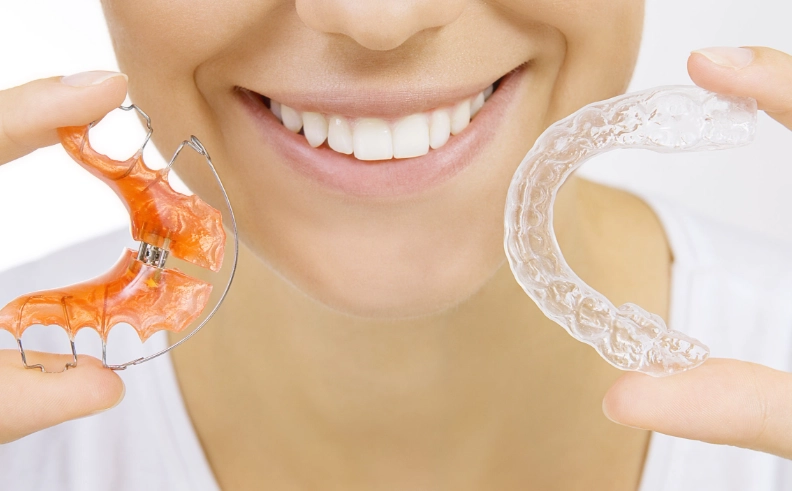
The Daily Non-Negotiables
- Brush it gently: Every time you brush your teeth, brush your retainer with a soft toothbrush and cool water. Use a tiny bit of mild soap or non-abrasive toothpaste. Avoid hot water! It can warp plastic retainers.
- Soak it regularly: Once a day, drop it in a denture cleaner or a retainer-cleaning tablet solution. This kills bacteria and tackles stains that brushing misses. I use a cheap ultrasonic cleaner I got online—it's a game-changer.
- Store it safely: Always in its hard case when not in your mouth. Not in your pocket, not on your lunch tray, not wrapped in a napkin. The case is your retainer's home.
What about deep cleaning? If it gets gross or stained, don't use bleach or boiling water. Soak it in a 50/50 mix of white vinegar and water for 15-30 minutes, then brush. For a permanent retainer, cleaning is trickier. You need superfloss or a specialized interdental brush to get under the wire and prevent plaque buildup. A water flosser is a fantastic investment here.
Lost it? Don't panic. But act fast.
If you miss a night or two, try to get it back in. If it's tight, that's your teeth already starting to move. Wear it as much as you can and call your orthodontist. The longer you wait, the worse the shift. You'll likely need a new impression for a replacement retainer for teeth, which isn't cheap. This is why the case is sacred.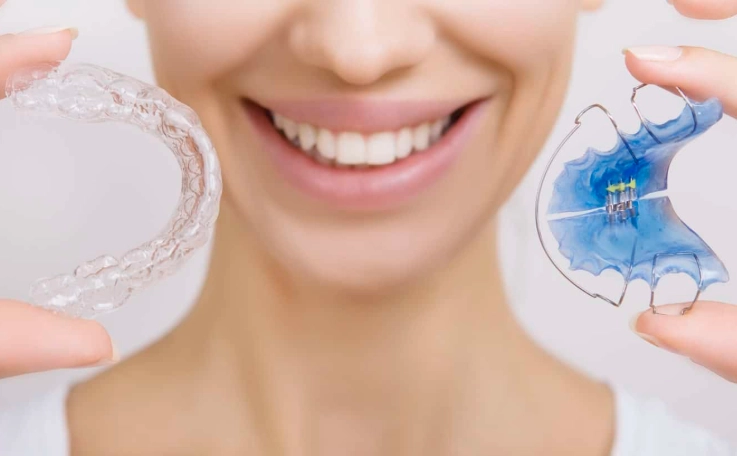
Navigating Problems and Discomfort
Retainers aren't always smooth sailing. Here’s how to handle the bumps.
The Fit Feels Off
If your removable retainer feels tight after a few days of not wearing it, it's doing its job—fighting the shift. Wear it as directed, and the pressure should ease. If it's painfully tight or doesn't seat fully after a few hours, your teeth may have moved too much. Time to call the pro.
Speaking of Pain...
A little pressure is normal. Sharp pain or sores aren't. For a new retainer, it might just need a minor adjustment. For an old one, check for cracks or rough spots you can gently file down with an emery board. A permanent retainer wire poking your cheek or tongue is an emergency fix—call your orthodontist to have the end trimmed.
The Lisp and the Saliva
Yep, it happens. Your mouth is a smart organ, and a new object triggers extra saliva and can mess with your "s" sounds. This almost always goes away within a week or two as your tongue learns the new geography. Practice reading out loud.
It Broke or Bent
Don't try to bend a wire retainer back yourself. You'll weaken it. For a cracked clear retainer, stop wearing it—it can’t apply even pressure. In both cases, put the pieces in the case and schedule an appointment. Wearing a damaged retainer for teeth can actively move your teeth the wrong way.
Costs, Replacements, and the Long Game
Let's talk money, because this is a practical concern. The cost of a retainer is usually included in your overall orthodontic treatment package. But if you need a replacement, you pay out-of-pocket.
- Replacement Hawley or Clear Retainer: Typically between $150 and $500 per arch, depending on your orthodontist and location.
- Replacing a Permanent Retainer: Similar cost range, plus the labor for bonding.
How often do you need a new one? Even with perfect care, removable retainers wear out. Plastic gets brittle, wires fatigue. Every few years is common. If you're still wearing one from high school and you're 40, it's probably not effective anymore. Your orthodontist can check its fit during a recall appointment.
What about those online companies selling direct-to-consumer retainers? I'm skeptical. Getting a proper retainer for teeth requires a precise impression or scan taken by a professional to ensure it holds your teeth in their specific, correct position. A generic mail-in kit can't replicate that level of detail and could do more harm than good. The Mayo Clinic advises that any orthodontic appliance should be managed under professional supervision.
I budget for dental care like I budget for car maintenance. Setting aside a little each year for a potential retainer replacement or check-up saves a lot of stress later. Think of it as insurance for your smile.
Your Retainer Questions, Answered
Here are the real-world questions I've heard (and asked myself) over the years.
Can I whiten my teeth with a retainer?
With a removable one, yes—but carefully. You can use whitening gel in your clear retainer only if your dentist approves and provides the correct gel concentration. Don't use over-the-counter strips with a retainer on, as the fit will be altered. For a permanent retainer, you can whiten normally, but the wire will block the teeth behind it, leading to uneven color. A dentist needs to oversee this.
What about wearing it during sports?
For contact sports, take out your removable retainer and wear a mouthguard. Never wear your retainer under a mouthguard—it can cause serious damage. If you have a permanent retainer, you'll need a custom-fit mouthguard made to accommodate it.
My retainer smells bad no matter what I do.
This is usually biofilm—a sticky layer of bacteria. A daily soak in cleaner is crucial. Try an extended soak (overnight) in a denture cleaner. If it's a permanent retainer, the smell might be from trapped food. Up your cleaning game with a water flosser and ask your hygienist to check for calculus buildup during your cleaning.
Is it too late to start wearing one again?
Maybe not. If your teeth have shifted years after treatment, you might be a candidate for a retainer for teeth to try and guide them back, or you might need minor re-treatment. The only way to know is to see an orthodontist for an evaluation. It's never a bad idea to check.
The bottom line? Your retainer is a partner, not a nuisance.
It's the silent guardian of all the time, effort, and money you put into getting a straight smile. By understanding the types, committing to simple care, and knowing how to troubleshoot, you make it a seamless part of your life. That nightly ritual of popping it in becomes as automatic as brushing your teeth. And the reward—a stable, confident smile that lasts for decades—is absolutely worth the small hassle. Trust me, future you will be grateful you stuck with it.
Got more questions? The best resource is always your own orthodontist or dentist. For broader information, professional organizations like the American Dental Association (ADA) have reliable patient education materials. Now go put that retainer in its case.
Leave a Reply