Quick Guide
- Why Would My Jaw Hurt Two Weeks After the Numbness Wore Off?
- Is This Normal? Or a Red Flag?
- What You Can Do About It Right Now
- When You Absolutely Must Call the Dentist
- The Dentist's Playbook: What They'll Do to Diagnose You
- Possible Outcomes and Treatments
- Your Burning Questions, Answered
- Final Thoughts: Be Your Own Advocate
Let's be honest, you went to the dentist to fix a problem, not to get a new one. You sat through the drilling, the weird smells, the numbness. You were patient. A little sensitivity right after? Expected. But now it's been a solid two weeks, and that nagging ache in your jaw just won't quit. It's frustrating, maybe even a bit worrying. You're searching online because "jaw pain 2 weeks after filling" isn't the "all better" story you signed up for.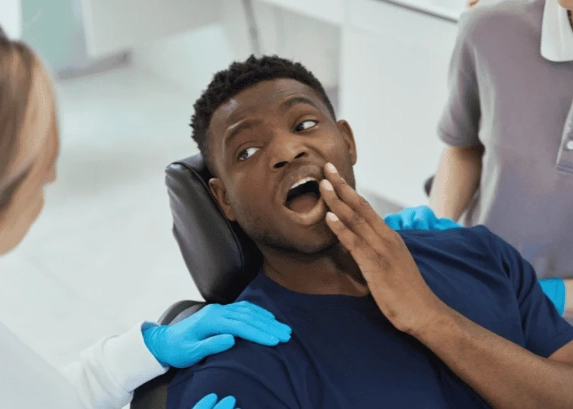
You're not alone in this. I've heard this story more times than I can count. The good news is, most of the time, this lingering discomfort has a clear, fixable cause. The not-so-good news? Ignoring it rarely makes it go away, and sometimes it points to something that needs a dentist's attention, pronto.
So, let's cut through the confusion. We'll walk through why you might still have jaw pain two weeks post-filling, how to figure out what kind of pain you're dealing with, what you can try at home, and most importantly, the clear signs that mean you should pick up the phone and call your dentist.
Why Would My Jaw Hurt Two Weeks After the Numbness Wore Off?
This is the million-dollar question, right? The initial trauma of the procedure is long gone. The spot where they gave you the shot shouldn't be tender anymore. So what gives? The pain you're feeling now is less about the immediate aftermath and more about how your mouth has settled—or hasn't settled—with the new filling. Think of it like breaking in a new pair of shoes. Sometimes they fit perfectly from day one. Sometimes they rub in a specific spot only after you've walked a few miles.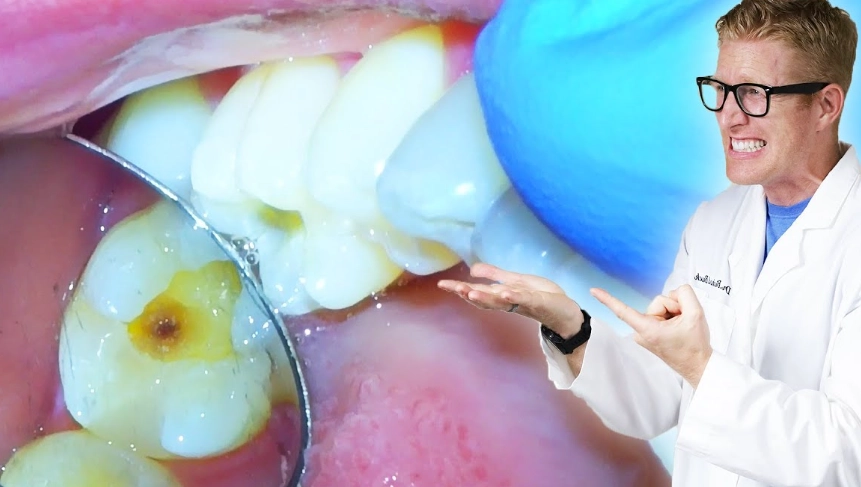
Your jaw is a complex hinge. It's connected by muscles, tendons, and a joint (the temporomandibular joint, or TMJ). Anything that changes your bite, even slightly, can send ripple effects through this whole system. That's often the core issue when we talk about jaw pain 2 weeks after a filling.
The Usual Suspects: Common Causes of Post-Filling Jaw Pain
Let's break down the most likely culprits. I'll put the big one first, because in my experience, it's responsible for more post-filling grumpiness than people realize.
1. A "High" Filling (Occlusal Interference)
This is the champion. When a filling is even a hair too tall, it hits the opposing tooth before the rest of your teeth do. Your jaw muscles are incredibly precise. They don't like this new, uneven point of contact. To avoid it, your muscles start working overtime, clenching and straining in a subtle way to find a comfortable spot to close your mouth. They never really find it. After days or weeks of this constant, low-grade muscle strain, you end up with a deep, dull ache in your jaw—often near the angle of your jaw or in your temples. The weird part? The pain might not even feel like it's coming from the tooth itself. It feels like a jaw ache or a headache. If your bite feels "off," or if you catch yourself clenching, this is a prime suspect.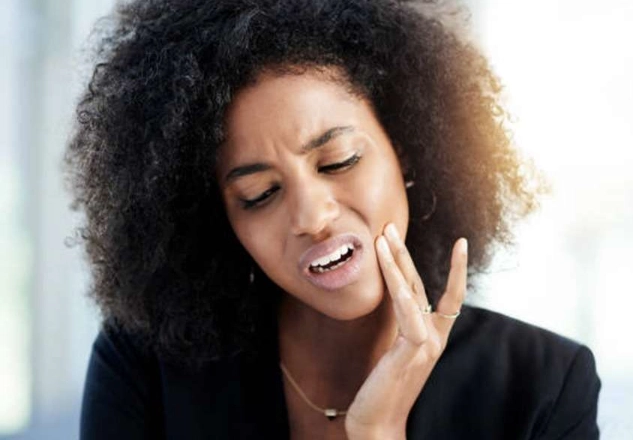
2. TMJ Strain from the Procedure Itself
Let's face it, a dental appointment is a workout for your jaw. Mouth open wide, sometimes for 30 minutes to an hour, often at an awkward angle. For some people, especially if you already have a sensitive TMJ, this prolonged strain can trigger a flare-up of temporomandibular disorder (TMD). The pain might be right in front of your ear, and you might hear clicking or popping when you chew. This pain can linger well after the filling is done. It's not the filling's fault per se, but the procedure was the straw that broke the camel's back.
3. Referred Pain from an Angry Tooth
Sometimes, the pain is coming from the tooth but your brain gets the signals mixed up. Deep fillings, especially those close to the pulp (the tooth's nerve center), can cause inflammation. This inflammation can radiate out, feeling like pain in the jawbone, the neighboring teeth, or even the ear. If the pain is more throbbing and focused, and perhaps sensitive to hot or cold, the tooth itself might still be settling down—or worse, the pulp might be irritated beyond simple healing.
4. A Hidden Crack
This one is less common but important. Sometimes, a tooth that needed a filling was already weakened. The process of preparing it and the pressure from the new filling material can cause a tiny, hidden crack to propagate. When you bite down, the crack flexes, irritating the ligament around the tooth and causing sharp pain. This pain is usually very specific to biting pressure.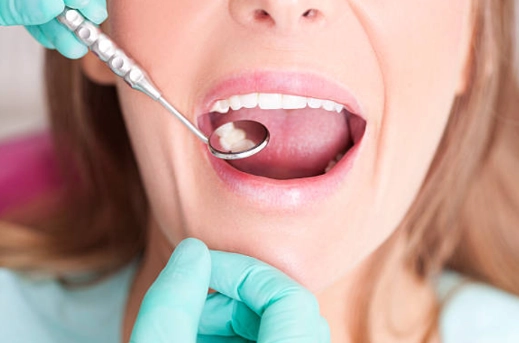
5. Bruxism (Teeth Grinding/Clenching) Unleashed
You might have always clenched your teeth a bit at night. But now, with that new, slightly unfamiliar filling in place, your subconscious brain focuses on it. The clenching or grinding intensifies, specifically around that tooth, leading to jaw muscle soreness and pain. It's a vicious cycle: the filling triggers more clenching, which causes jaw pain 2 weeks after the filling was placed.
Is This Normal? Or a Red Flag?
This is the anxiety at the heart of your search. Let's clear it up. A little tenderness when biting directly on the new filling for a few days? Normal. A generalized, persistent ache in your jaw muscle or joint that hasn't improved after 14 days? That's your body sending a signal that something isn't right. It's not necessarily an emergency, but it's a sign you need to get it checked.
Here’s a quick table to help you sort out the sensations. Remember, this is a guide, not a diagnosis.
| Type of Sensation | Possible Cause | Typical "At-Home" Test | Action to Consider |
|---|---|---|---|
| Dull, constant jaw muscle ache, worse in the morning or after meals. | High filling, Bruxism, TMJ strain. | Tap your teeth together lightly. Does one tooth hit first? Does clenching reproduce the jaw pain? | Schedule a bite adjustment with your dentist. |
| Sharp, stabbing pain ONLY when you bite down hard and release. | Cracked tooth syndrome, high spot. | Bite down slowly on a clean finger placed over the filled tooth. Is the pain sharp and immediate? | See your dentist soon; avoid chewing on that side. |
| Throbbing, spontaneous pain in the tooth/jaw, possibly with sensitivity to temperature. | Pulpitis (inflamed nerve), irreversible damage. | Does the pain come on without being touched? Does cold water cause a lingering ache? | Contact your dentist promptly; this may indicate need for root canal. |
| Clicking/popping in the jaw joint with soreness in front of the ear. | Temporomandibular Joint Disorder (TMD) flare-up. | Open and close your mouth slowly. Do you feel or hear a click? Is opening wide difficult or painful? | Dentist evaluation for TMJ; soft diet, jaw rest. |
What You Can Do About It Right Now
While you're waiting to see the dentist (and you should see them if the pain persists), there are strategies to manage the discomfort. Think of these as first aid, not a cure.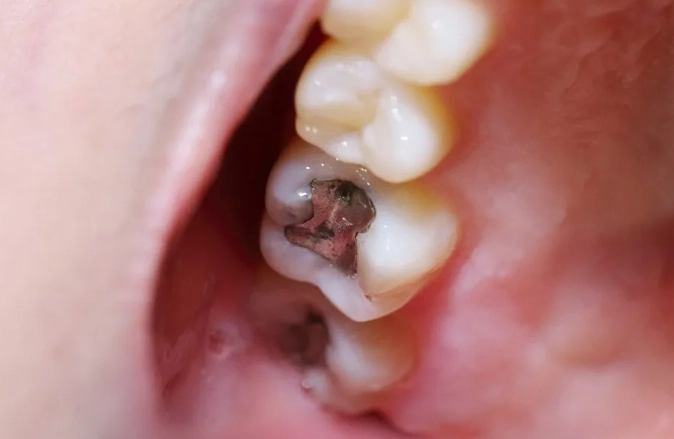
- Diet Shift: Go on a soft diet. Mashed potatoes, yogurt, soup, smoothies. Give your jaw a complete vacation from heavy chewing. This is the single most helpful thing you can do.
- The Warm Compress: For a dull muscle ache, apply a warm washcloth to the sore side of your jaw for 15-20 minutes, several times a day. It relaxes the muscles. For sharp, acute inflammation, a cold pack wrapped in a towel might feel better.
- Over-the-Counter Help: An anti-inflammatory like ibuprofen can reduce both dental and muscular inflammation, easing pain. Always follow the label instructions and check with your doctor if you have any health conditions.
- Mind the Clench: Throughout the day, check in with yourself. Are your teeth together? Your lips should be closed, teeth apart. Place your tongue gently on the roof of your mouth behind your front teeth—this is a natural resting position that discourages clenching.
- Avoid Chewing Gum & Tough Foods: This should be obvious, but it's worth stating. Don't test it. Just don't.
When You Absolutely Must Call the Dentist
Don't be a hero. Some signs mean the "wait and see" period is over. If you experience any of the following alongside your jaw pain 2 weeks after filling, make the call:
- The pain is severe, throbbing, and keeps you up at night.
- You notice significant swelling in your cheek, jaw, or gums near the tooth.
- You have a fever or a bad taste in your mouth (signs of infection).
- The pain is clearly getting worse, not better, as days pass.
- You feel a sharp, unmistakable "high spot" every time your teeth touch.
Calling doesn't automatically mean more drilling. Often, for a high filling, the fix is incredibly simple. You go in, the dentist has you bite on a piece of carbon paper or a special sensor, they see the high spot, and they polish it down in less than a minute. The relief can be instantaneous. It's the easiest appointment ever.
The Dentist's Playbook: What They'll Do to Diagnose You
So you've made the appointment. What happens next? A good dentist won't just dismiss you. They should do a systematic check. Here's what you can expect:
- History: They'll ask you to describe the pain in detail. When does it start? What makes it better or worse? Be specific.
- Visual Exam: They'll look at the filling, the gum around it, and check for signs of swelling or infection.
- The Percussion Test: They'll gently tap on the tooth with the end of a mirror handle. Sensitivity to tapping can indicate inflammation at the root tip.
- The Bite Test: This is key. They'll have you bite down on a thin plastic stick or a special sensor. They'll ask, "Does that feel high?" or "Does that hurt?" They're mapping your bite to find the interference.
- Cold Test: They may apply a quick burst of cold air or a cotton pellet with a refrigerant to the tooth. This tests the health of the nerve. A brief, sharp sensation that goes away is normal. A lingering, painful ache suggests a troubled nerve.
- X-ray: They'll likely take a new X-ray of the tooth. This can reveal if the filling is very deep, if there's an infection developing at the root, or if there's a crack they can't see with the naked eye.
Based on this detective work, they'll land on a diagnosis and a plan.
Possible Outcomes and Treatments
The treatment depends entirely on the cause. Let's match them up.
For a High Bite (Occlusal Adjustment): As mentioned, this is often a quick, painless polish. It might take a few adjustments to get it perfect. Don't be shy about going back if it's still not right.
For TMJ/TMD Flare-up: Your dentist might recommend a soft diet, anti-inflammatories, and possibly physical therapy exercises for your jaw. In some cases, a night guard (occlusal splint) might be suggested to prevent clenching and give your joints a rest, but this is usually for chronic TMD, not a one-off event.
For Pulpitis (Inflamed Nerve): If the nerve is irritated but still viable (reversible pulpitis), time and anti-inflammatories might be the prescription. If the inflammation has gone too far (irreversible pulpitis), the nerve won't recover. The only options to save the tooth are a root canal treatment or, in rare cases, extraction. The American Association of Endodontists has excellent patient resources on what a root canal entails—it's not the monster it's made out to be.
For a Cracked Tooth: This is tricky. A small crack might be managed with a crown to hold the tooth together. A deeper crack that reaches the root may be unsavable. Diagnosis often requires special tools or dyes.
Your Burning Questions, Answered
Q: "Could this jaw pain 2 weeks after my filling mean I'm allergic to the material?"
A: It's extremely rare, especially with modern composite (tooth-colored) fillings. Allergic reactions usually show up as a persistent rash, itching, or localized mouth sores, not deep jaw pain. Amalgam (silver) fillings have a higher—but still very low—allergy potential. Jaw pain is almost always mechanical (bite) or inflammatory, not allergic.
Q: "I'm worried my dentist messed up. Is that possible?"
A: It's less about "messing up" and more about the inherent challenge of the job. It's incredibly difficult to perfectly recreate the exact shape and height of a natural tooth bite while someone is lying down with their mouth propped open. A slight miscalculation is common. A good dentist expects follow-ups for bite adjustments and sees them as a normal part of the process, not a failure. Now, if they dismiss your concerns or refuse to check the bite, that's a different problem.
Q: "How long is TOO long to wait for this to go away on its own?"
A: My rule of thumb? If it's been two full weeks with no improvement, or if the pain is significant, don't wait any longer. Lingering pain is a message. The longer you wait with a high filling, for example, the more muscle damage and TMJ strain you risk. The National Institute of Dental and Craniofacial Research (NIDCR) notes that early intervention for TMJ disorders leads to better outcomes.
Q: "Can stress make this jaw pain worse?"
A: One hundred percent. Stress is a major trigger for clenching and grinding (bruxism). If you're stressed about the pain itself, or about work/life, you'll clench more, which makes the jaw pain from the filling worse. It's a nasty feedback loop. Managing stress with deep breathing, exercise, or whatever works for you can actually help your jaw.
Final Thoughts: Be Your Own Advocate
Dealing with jaw pain 2 weeks after a filling is a hassle you didn't need. But it's a solvable problem. Listen to your body. That persistent ache is information. Use the guides here to understand what that information might be.
Be clear and persistent with your dentist. Don't just say "it hurts." Say, "I have a constant dull ache in my jaw muscle on that side, especially in the morning, and it feels like this tooth hits first when I bite down." That detailed description is gold for a diagnosis.
Most of the time, the fix is simple. But you have to take that first step and get it checked out. Your future, pain-free self will thank you for not just toughing it out.
Leave a Reply