Your Quick Guide to Hard Mouth Guards
You know that feeling. You wake up with a dull ache in your jaw, a tightness in your temples, or maybe your partner has nudged you again because the grinding sounds are keeping them awake. Teeth grinding, or bruxism, is a real nuisance, and it's more common than you think. If you're here, you've probably heard that a hard mouth guard for teeth grinding might be the answer. But is it? And with so many options out there, how do you even begin to choose?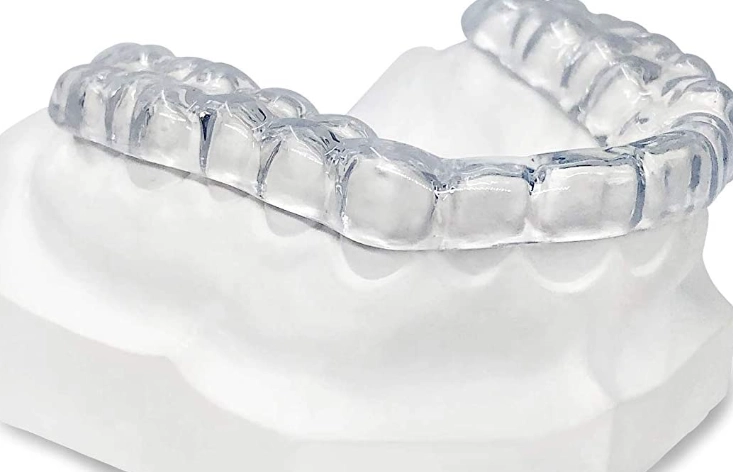
Let's talk frankly. I've been down this road myself. The cheap boil-and-bite guards from the pharmacy felt bulky and made me gag. They'd wear out in a month, looking chewed up (because they were). That's when I started looking seriously into a proper, durable hard mouth guard for teeth grinding. The difference was night and day, but the journey to finding the right one had its bumps.
Why a Hard Guard? Understanding the Bruxism Battle
First, why focus on a hard guard? Isn't softer more comfortable? Well, sometimes comfort now can mean trouble later. Teeth grinding exerts immense force—sometimes up to 250 pounds of pressure. A soft guard can feel cozy initially, but it's like biting down on a stress ball. Your jaw muscles can actually work harder against the compressible material, potentially worsening muscle fatigue. More critically, a soft guard may not provide sufficient barrier to prevent wear on your enamel.
A hard night guard, typically made from a rigid acrylic or similar durable material, creates a solid, smooth surface that your teeth slide against. It distributes the force evenly and acts as a definitive physical barrier. Think of it as a helmet for your teeth. The American Dental Association (ADA), while not endorsing specific brands, discusses oral appliances as a primary management tool for bruxism, highlighting their role in preventing damage. You can read about their overview of bruxism treatments on the ADA's Oral Health Topic page for Bruxism.
The Main Types of Hard Mouth Guards: A Clear Breakdown
Not all hard guards are created equal. The main differentiator is how they're made and fitted. Here’s a straightforward comparison to demystify your options.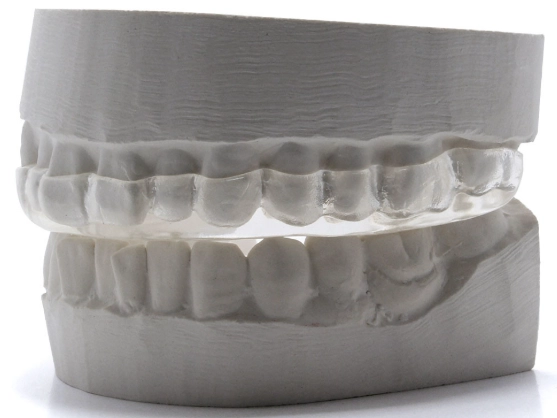
| Type | How It's Made | Pros | Cons | Best For |
|---|---|---|---|---|
| Custom Dental Lab-Made | Dentist takes impressions; sent to a lab to craft a guard from hard acrylic. | Superior fit, optimal comfort, highly durable (3-5+ years), professional adjustment possible. | Most expensive ($500-$1000+), requires dental visits, longer wait time. | Severe grinders, TMJ issues, those wanting the best long-term investment. |
| Direct-to-Consumer (DTC) Custom | You take impressions at home with a kit; company lab makes a hard/dual-layer guard. | Good fit at lower cost ($150-$350), convenient, often dual-material (hard exterior, soft interior). | Fit depends on your impression skill, no in-person professional to adjust. | Moderate grinders seeking a balance of quality and value. |
| Hard Boil-and-Bite | Over-the-counter; softened in hot water, then bitten into to shape. | Very low cost ($20-$50), immediately available. | Bulky fit, can be uncomfortable, least durable, may not align teeth properly. | Trying out a guard for the first time or temporary/emergency use. |
That lab-made one from your dentist? It's often the gold standard. The fit is precise, hugging each tooth individually. This precision means it's less likely to dislodge, minimizes bulk, and can be designed to guide your jaw into a more relaxed position (called "repositioning" splints, often used for TMJ disorders). But man, the price tag can sting. I remember balking at the quote.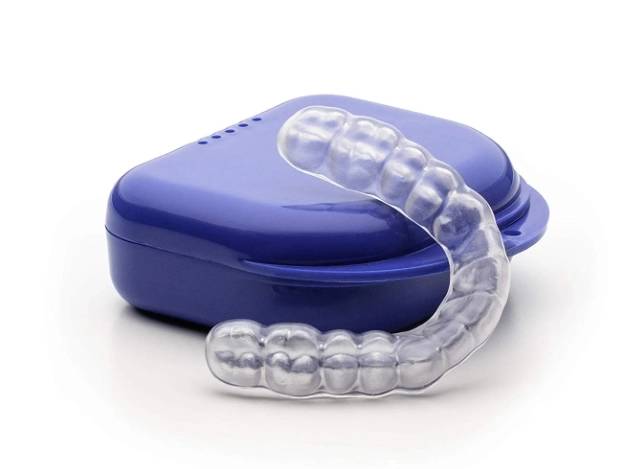
The DTC custom market has been a game-changer. Companies like (well, you can research brands) send you putty to make molds of your teeth. The resulting guard is a major step up from drugstore options. Many use a hybrid design—a hard outer shell for protection with a softer inner layer for comfort. This is a fantastic middle ground, and the one I ultimately settled on for years. It's a legitimate hard mouth guard for teeth grinding that doesn't require a second mortgage.
What to Look For When Choosing Your Guard
Beyond just type, the devil's in the details. Here’s what your checklist should include.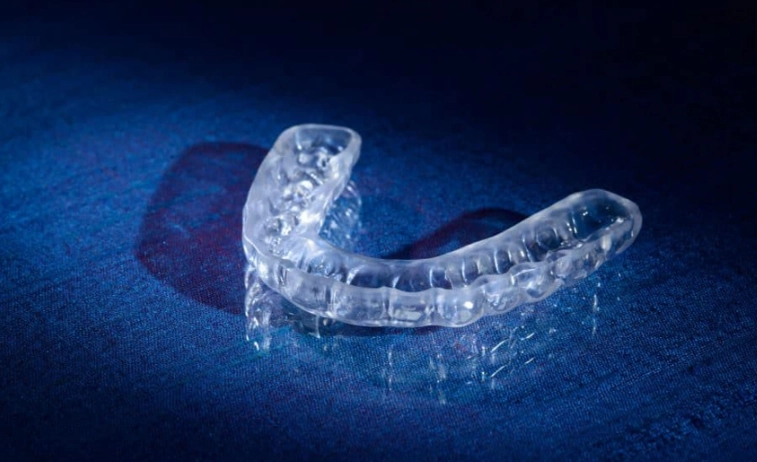
1. Material and Durability
Ask about the material. Dental lab acrylic is top-tier. Many DTC guards use FDA-approved, BPA-free co-polyester or similar medical-grade plastics. Thickness matters too—1.5mm to 3mm is common for the hard layer. Thinner can be less obtrusive; thicker might be more durable for extreme grinders. My first DTC guard lasted a solid two years before showing significant wear, which I thought was pretty good.
2. Fit and Comfort (It's Everything)
A guard that feels like a boat in your mouth will end up in a drawer. Key comfort features:
- Full vs. Partial Coverage: Full (covering all upper or lower teeth) offers maximum protection. Partial (only covering front teeth) can be less bulky but may not protect molars.
- Trim Lines: How the edges are finished. They should be smooth and not dig into your gums or cheeks.
- Breathing Channels: Some have small grooves or designs to improve airflow, which can help if you feel like it's harder to breathe.
You'll likely drool more and talk funny for the first week. That's normal. But sharp pain or sores aren't.
3. Protection Mechanism
Does it just sit between your teeth, or does it guide your jaw? Most over-the-counter and many custom guards are "stabilization" splints—they provide a flat, even biting surface. For TMJ pain, a dentist might prescribe a "repositioning" splint that changes your jaw's resting position. That's strictly professional territory.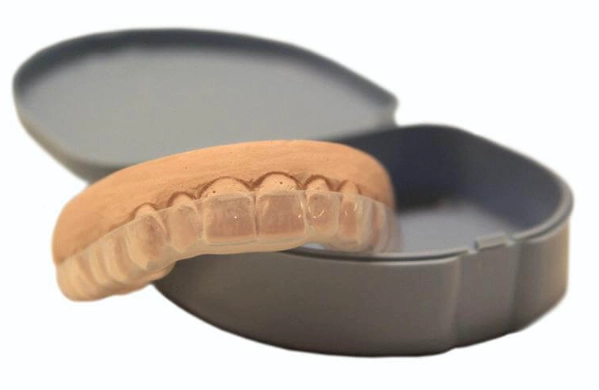
The Care and Feeding of Your Night Guard
A hard dental guard for grinding is an investment. Treat it right.
Cleaning Daily: This is non-negotiable. Rinse it every morning. Brush it gently with a soft toothbrush and mild soap or non-abrasive toothpaste. Never use hot water, as it can warp the plastic. Soaking it in a denture cleaner or a mix of vinegar and water once a week helps disinfect it.
Storage: Keep it in its ventilated case when not in use. Don't wrap it in a tissue—that's how it gets thrown away or crushed.
When to Replace: Even the best hard mouth guard for teeth grinding wears out. Look for deep bite marks, cracks, thinning areas, or a persistent odor you can't clean. A worn-out guard loses its effectiveness and can even throw your bite off. Lab-made ones can last 5+ years; good DTC ones, 2-3 years; boil-and-bite, a few months.
Answering Your Top Questions (The FAQ You Actually Need)
Will a hard night guard stop me from grinding?
Probably not. Bruxism is a complex habit, often related to stress, sleep apnea, or misaligned teeth. The guard is a protective device. However, by providing a smooth surface, it can reduce muscle activity over time for some people, making the grinding less intense. For underlying causes like sleep apnea, you need a doctor. The National Sleep Foundation has resources on the sleep-bruxism link that are worth reviewing at their sleep disorders page.
Is it safe to use every night?
Yes, that's what it's designed for. Consistency is key. Using it sporadically means your teeth are unprotected on those nights, which defeats the purpose.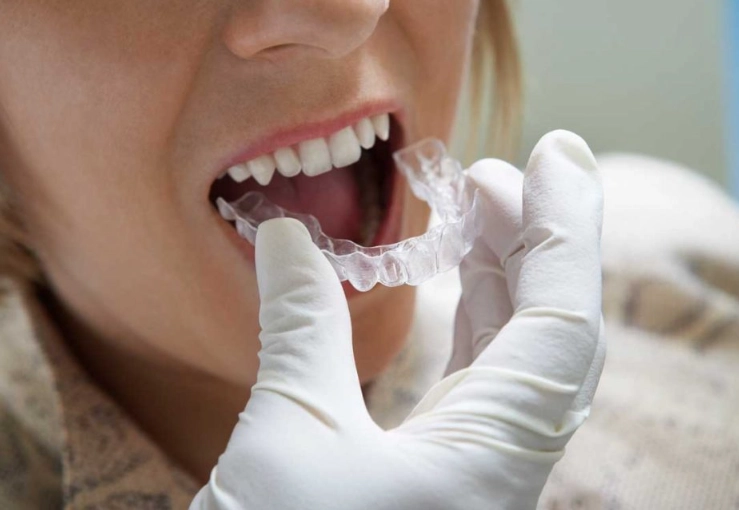
Can it adjust my bite or move my teeth?
A properly fitted guard should not permanently move your teeth. However, a poorly fitted, thick, or worn-out guard potentially could cause subtle shifts over a very long time. This is a bigger risk with ill-fitting over-the-counter guards. A custom-fit guard minimizes this risk. If you're concerned, talk to a dentist.
What about TMJ disorders?
This is crucial. If you have significant jaw pain, popping, or locking (TMJ disorder), see a dentist or specialist first. A generic guard could make things worse. They may prescribe a specific type of occlusal splint designed for TMJ treatment. Don't self-diagnose here.
Hard guard vs. soft guard – final verdict?
For most adults with chronic, forceful grinding (bruxism), a hard or dual-layer guard is the recommended choice for long-term tooth protection. Soft guards have their place for short-term use, sports, or for very mild clenching, but they are generally not the best primary defense against serious grinding.
Making Your Decision: A Simple Flowchart in Words
Feeling overwhelmed? Let's simplify.
Step 1: Assess Severity & Budget. Are you waking up with pain, does your dentist see significant wear, or is your partner complaining? If yes, and budget allows ($500+), start with a dental consultation. If it's moderate and you want to try a guard first on a budget ($150-$350), research reputable DTC custom companies.
Step 2: Prioritize Fit. A good fit is more important than any fancy feature. If you have a complex dental history (bridges, implants, severe crowding), the dentist route is safer.
Step 3: Commit to Care. Factor in the maintenance. A $300 guard you clean daily will outperform a $1000 guard you leave grimy on the bathroom counter.
Look, no product is perfect. Even my preferred dual-layer guard took some getting used to. The first few nights I was hyper-aware of it. But after a week, it became part of my routine, like brushing my teeth. The peace of mind knowing I wasn't slowly sanding down my enamel was worth it.
Choosing a hard mouth guard for teeth grinding is a personal health decision. It's about managing a problem proactively. Whether you go the professional route or a high-quality direct-to-consumer path, the goal is the same: to wake up feeling better and keep your smile intact for the long haul. Start by protecting what you have. The rest—like tackling the root cause of stress—can come next.
Leave a Reply