Your Quick Guide
- What Is a Tooth Filling, Really?
- The Big Decision: What Type of Filling Material is Best for You?
- The Tooth Filling Procedure: A Step-by-Step Walkthrough
- Cost, Insurance, and the Money Talk
- Life After the Filling: Recovery and Care
- The Long Game: Making Your Filling Last
- Final Thoughts: Your Checklist for the Dentist Chair
Let's be honest. The phrase "you need a filling" is one nobody wants to hear at the dentist. It usually comes with a mix of dread—thoughts of drills, costs, and maybe a bit of pain. I remember my first filling. I was more nervous about the unknown than anything else. How much would it hurt? How long would it take? What are they even putting in my tooth?
If you're in that boat right now, take a breath. This guide is here to walk you through the entire world of tooth fillings, from why you need one to how to take care of it years later. We'll strip away the jargon and get into the real, practical details. No scare tactics, just clear information.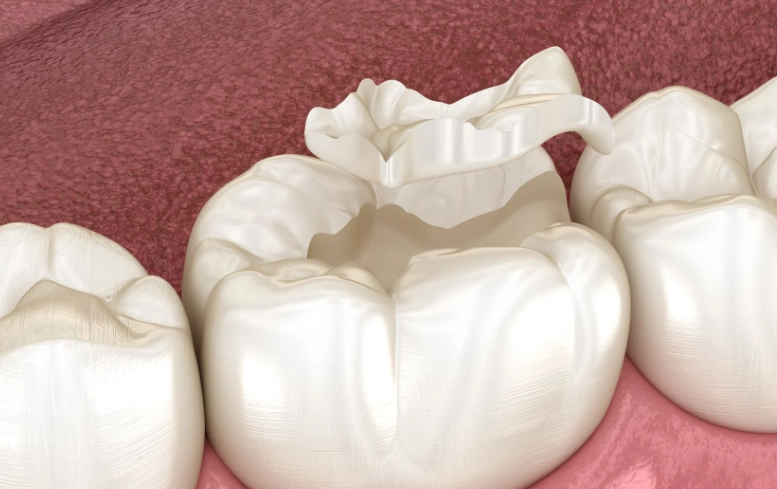
What Is a Tooth Filling, Really?
At its core, a tooth filling is a dental restoration used to repair a tooth damaged by decay. The dentist removes the decayed portion, cleans the area, and then fills the cleaned-out cavity with a material. It's not just a plug; it's a way to restore the tooth's shape, function, and, with modern materials, its appearance.
Think of it like fixing a small hole in a wall. You chip out the loose, damaged plaster (the decay), make sure the area is clean and dry, and then apply new plaster (the filling material) to make the wall whole and strong again. A dental filling does the same for your tooth.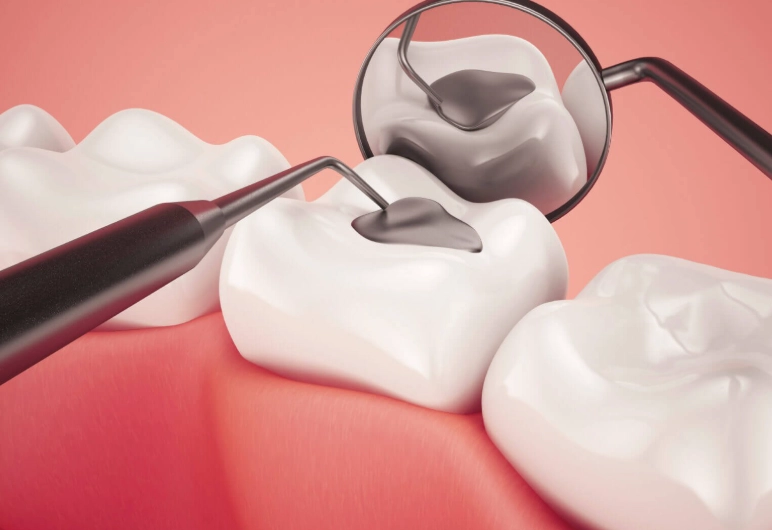
Why can't you just leave a small cavity alone? Decay is caused by bacteria that produce acid. This acid eats through the hard enamel shell of your tooth. Once it's through, it spreads into the softer dentin layer underneath much faster. Leaving it untreated lets the cavity grow, potentially leading to a toothache, infection, and the need for a much bigger (and more expensive) fix like a root canal or crown.
The Big Decision: What Type of Filling Material is Best for You?
This is where it gets interesting, and where your personal situation really matters. There's no single "best" material for every tooth filling. The right choice depends on the tooth's location, the extent of the decay, your budget, aesthetic concerns, and even your dentist's recommendation and skill.
Let's break down the most common options you'll be presented with.
1. Composite Resin (The Tooth-Colored Standard)
These are the white fillings most people think of today. They're made of a plastic and glass mixture. The dentist applies the soft material in layers, shaping it to match your tooth, and uses a special blue light to harden each layer.
The Good: The obvious win is aesthetics. They blend in seamlessly. They also bond directly to the tooth structure, which can allow for a more conservative preparation (meaning less healthy tooth needs to be removed). They're versatile for front and back teeth.
The Not-So-Good: They generally don't last as long as some other materials in high-pressure areas (like large fillings in molars). The process takes a bit longer because of the layering. They can also stain over time from coffee, tea, or red wine, though not as badly as you might think.
I personally have a few composites. One on a molar has held up for almost a decade with no issues, which surprised my dentist who said they usually last 5-7 years in that spot. So longevity can vary.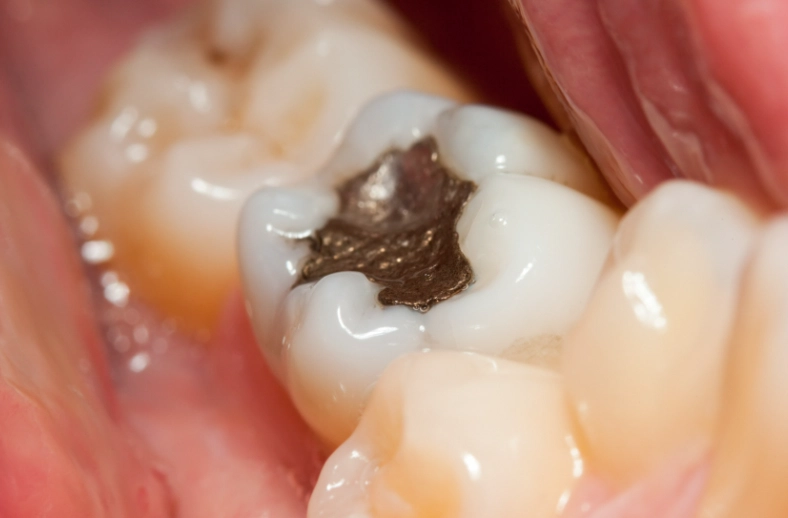
2. Dental Amalgam (The Silver Filling)
The classic "silver" filling, though it's actually a mix of metals including mercury, silver, tin, and copper. It's been used for over 150 years.
The Good: It's incredibly durable and can withstand the tremendous chewing forces of back teeth for a very long time—often 10-15 years or more. It's also less technique-sensitive to place and is historically the most affordable option.
The Not-So-Good: The color is the main drawback. It's also not bonded to the tooth; it's held in place by the shape of the prepared cavity and mechanical retention. This sometimes means more healthy tooth needs to be removed to create a shape that will lock the filling in. There's also ongoing public concern about the mercury content, though major health organizations like the American Dental Association (ADA) and the FDA consider it safe for adults and children over 6 based on extensive scientific evidence.
Important Note on Amalgam: The debate around amalgam safety is complex. While regulatory bodies deem it safe for most, some patients and practitioners prefer to avoid it due to mercury exposure concerns, especially for pregnant women or young children. It's a personal and clinical decision you should discuss openly with your dentist.
3. Glass Ionomer
A less common material that's a mix of acrylic and glass. It has a unique trick: it releases fluoride over time, which can help protect the surrounding tooth from further decay. This makes it a popular choice for fillings in baby teeth or for non-load-bearing areas like fillings near the gumline or as a temporary measure.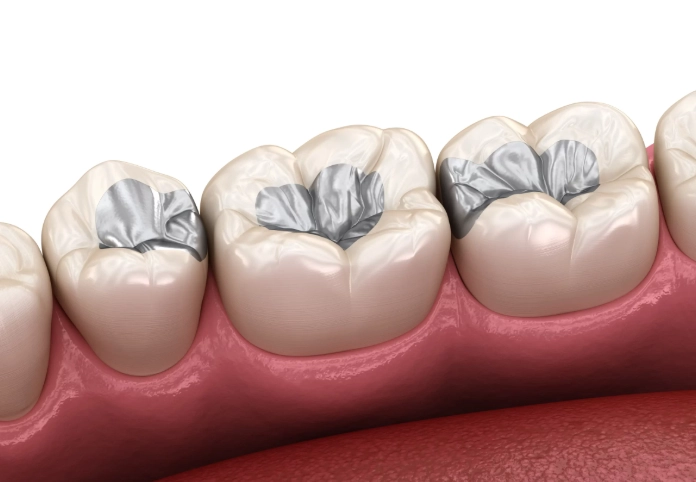
It's not as strong or wear-resistant as composite or amalgam, so it's rarely used for permanent fillings in adult back teeth.
4. Gold & Porcelain/Ceramic Inlays/Onlays
These are the premium, lab-made options. They're not done in a single visit. The dentist takes an impression after preparing the tooth, and a dental lab crafts a perfect-fitting restoration that is then cemented in on a second visit.
Gold is biocompatible, incredibly durable, and gentle on the opposing tooth. But it's very expensive and, well, very gold.
Porcelain or Ceramic (like E-max) are tooth-colored, highly aesthetic, stain-resistant, and very strong. They are an excellent choice for larger restorations where you want both strength and beauty. The downside? They are the most expensive option and require significant tooth preparation and two visits.
To make comparing easier, here's a quick-reference table:
| Material | Appearance | Typical Longevity | Best For | Cost (Relative) |
|---|---|---|---|---|
| Composite Resin | Tooth-colored | 5-10 years | Small to medium cavities, front & back teeth, aesthetics | Medium |
| Dental Amalgam | Silver/Dark Gray | 10-15+ years | Large cavities in back molars, high durability needed | Low |
| Glass Ionomer | Off-white | 3-5 years (longer for some types) | Baby teeth, temporary fillings, root surfaces | Low |
| Gold Inlay/Onlay | Gold | 15-30+ years | Large restorations where strength/longevity is paramount | Very High |
| Porcelain/Ceramic | Tooth-colored | 10-15+ years | Large visible restorations, high aesthetics & strength | High |
See? It's all about trade-offs.
The Tooth Filling Procedure: A Step-by-Step Walkthrough
Knowing what's going to happen can cut your anxiety in half. Here’s a typical play-by-play for a standard composite or amalgam tooth filling.
Step 1: Numbing the Area
First, a topical gel is applied to your gum to numb the surface. Then, the dentist administers a local anesthetic (like lidocaine) via a small needle. The pinch from the needle is brief—often the anxiety is worse than the actual sensation. After a few minutes, your cheek, lip, and tongue on that side will feel tingly and fat. That's the sign it's working.
Step 2: Removing the Decay
Using a dental drill (a high-speed handpiece) or sometimes a laser, the dentist removes all the decayed tooth material. You'll hear sounds and feel vibrations, but you shouldn't feel pain. If you do, raise your hand immediately—more anesthetic is always an option. The goal is to leave only healthy, clean tooth structure behind.
Step 3: Preparing the Space
The cavity is cleaned of bacteria and debris. For a composite filling, the dentist will etch the inside of the cavity with a mild acid gel to create microscopic pores for bonding. This is rinsed off. Then, a bonding agent (like a glue) is applied. For an amalgam filling, this step is different; the cavity is simply shaped to undercuts that will lock the material in place.
Step 4: Placing the Filling
This is where the materials differ completely. For composite, the putty-like material is placed in layers, each hardened with the blue curing light. The dentist sculpts it to match your tooth's natural shape. For amalgam, the soft, mixed metal alloy is packed firmly into the cavity in one go and contoured.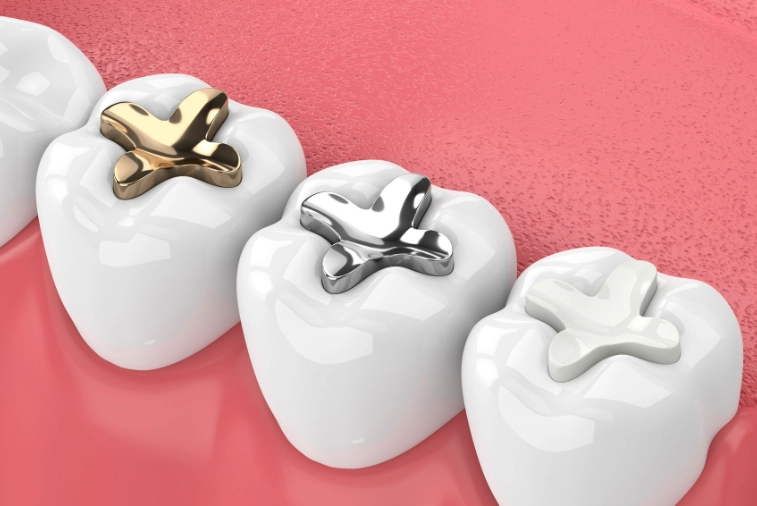
Step 5: The Finishing Touches
Once the material is set, the dentist checks your bite using special paper. You'll be asked to bite down, and marks will show where the filling is too high. The dentist then trims and polishes the filling until your bite feels completely normal. This step is crucial—a high filling can cause major discomfort and problems later.
Pro Tip: Don't be shy about speaking up during the bite check. If something feels off, even a tiny bit, say so. It's much easier to adjust it right then than to come back later.
The whole process for a single, straightforward tooth filling usually takes 20 to 45 minutes from numb to done.
Cost, Insurance, and the Money Talk
Let's address the elephant in the room. The dental filling cost can vary wildly.
In the US, for a single-surface composite filling, you might see a range from $150 to $450 per tooth. Amalgam is usually cheaper, maybe $100 to $300. Gold and porcelain can run from $800 to $2,500 or more. Why such a big range?
- Location: Fees in a major city are higher than in a rural area.
- Dentist's Expertise: A highly specialized cosmetic dentist may charge more.
- Size & Complexity: A small filling on the side of a tooth costs less than a large one covering the chewing surface.
- Insurance: Most plans cover a percentage (often 50-80%) of the cost of "basic" fillings (amalgam and sometimes composite, but they may only pay up to the amalgam price, leaving you with a copay for the composite). They rarely cover the full cost of gold or porcelain.
My insurance once only covered the amalgam rate for a back molar. I wanted composite. The difference was about $90 out of my pocket. For me, avoiding the silver look was worth it, but it's a personal calculation.
Always, always get a pre-treatment estimate from your dental insurance company if you have concerns. And don't hesitate to ask the dental office for a detailed cost breakdown before you agree to treatment.
Life After the Filling: Recovery and Care
The numbness wears off in 1-3 hours. Be careful not to bite your cheek or tongue while you're numb. Avoid eating until it's completely gone.
For the first few days, the tooth might be sensitive to hot, cold, or pressure. This is normal as the nerve inside the tooth settles down. Sensitivity usually fades on its own. Using a toothpaste for sensitive teeth can help.
When to call the dentist: If you have a persistent, throbbing pain (not just sensitivity), if your bite feels seriously "off" after a couple of days, or if you feel a sharp edge on the filling. These are signs something needs adjustment.
Common Questions After a Tooth Filling
The Long Game: Making Your Filling Last
A filling is a repair, not an invincible shield. The best thing you can do is prevent the need for the next one.
- Brushing & Flossing: Non-negotiable. Flossing cleans the sides of your teeth where cavities often start.
- Fluoride: Use a fluoride toothpaste. It helps remineralize weak spots in enamel.
- Regular Check-ups: Your dentist and hygienist can catch problems when they're tiny and easy to fix.
- Mind Your Diet: It's not just sugar, but how often you consume acidic or sugary drinks and snacks. Sipping soda all day is a cavity factory.
I learned this the hard way. After getting a few fillings in my early 20s, I got serious about flossing. It's boring, but I haven't needed a new filling in years. The old ones are still going strong.
Final Thoughts: Your Checklist for the Dentist Chair
Before you go in for your tooth filling procedure, arm yourself with questions. A good dentist will welcome them.
Your Pre-Filling Checklist:
- Ask: "What material do you recommend for my specific tooth, and why?"
- Ask: "Can you show me on the X-ray how deep the cavity is?"
- Ask: "What is the total cost, and what will my insurance cover?"
- Discuss: Any dental anxiety you have. They can offer solutions.
- Plan: To have someone drive you if you're taking anxiety medication, but for a standard filling with local anesthetic, you can usually drive yourself.
Getting a tooth filling is a routine procedure, but it's your mouth and your money. Being informed turns you from a passive patient into an active partner in your own dental health. You've got this.
And remember, the goal is to keep your natural teeth healthy and functional for a lifetime. A well-done tooth filling is a key tool in achieving that.
Leave a Reply