Quick Guide
- The Foundation: What Does "Safe" Even Mean in Whitening?
- The Key Players: Breaking Down Whitening Ingredients
- A Realistic Look at Popular At-Home Whitening Methods
- Your Step-by-Step Guide to a Safe Whitening Process
- Answering Your Biggest Safety Questions (The FAQ)
- Wrapping It Up: Your Safety Checklist
Let's be real. You've probably scrolled past a dozen ads promising a Hollywood smile in ten minutes with some new gadget. It's tempting, right? But then that little voice in your head asks, "Is this going to wreck my teeth?" I've been there. My own journey into at-home whitening started after a few too many years of coffee loyalty, and the sheer amount of conflicting information was overwhelming. Some products promise the moon, while dental forums are filled with horror stories about sensitivity and gum damage.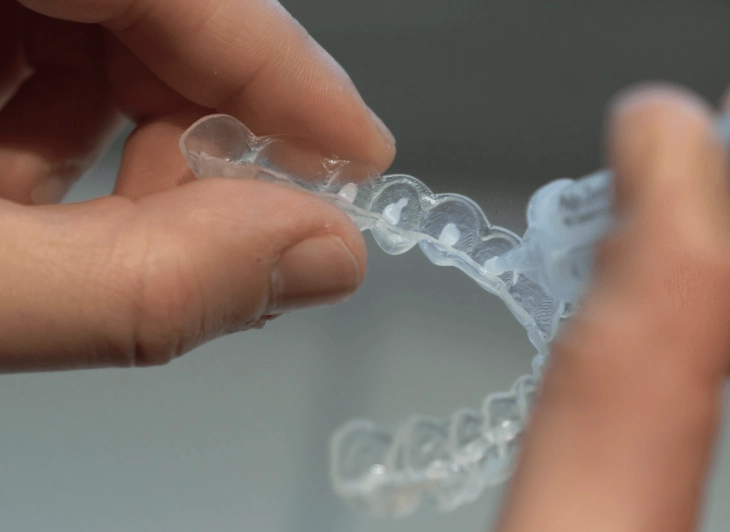
So, I dug in. I spent way too much time reading studies from places like the American Dental Association (ADA) and sifting through ingredient lists. What I learned is that the safest teeth whitening at-home isn't a single product. It's a method. It's a set of principles you follow to get results without turning your mouth into a sensitive, painful zone. This guide is that deep dive I wish I had—no fluff, just a clear path to a brighter smile that keeps your enamel and gums happy.
The Foundation: What Does "Safe" Even Mean in Whitening?
Before we look at boxes and kits, we need to agree on what safety looks like. In my book, and according to most dental professionals, a safe at-home whitening process should prioritize three things above all else:
- Enamel Integrity: The whitening agent should not permanently damage or excessively demineralize your tooth enamel, which is the hard, protective outer layer.
- Gum and Soft Tissue Protection: The product should have a mechanism (like a well-fitted tray or a protective barrier in strips) to prevent the gel from irritating or chemically burning your gums.
- Minimized Tooth Sensitivity: While some temporary sensitivity is a common side effect, the process should aim to keep it mild and short-lived.
The U.S. Food and Drug Administration (FDA) regulates whitening products as cosmetics or, in some cases, drugs, depending on their ingredients and claims. The ADA also offers its Seal of Acceptance for products that meet specific safety and efficacy standards. Looking for that ADA Seal is a fantastic first filter in your search for the safest teeth whitening at-home options.
You can read more about the ADA's stance on whitening safety on their MouthHealthy website.
The Key Players: Breaking Down Whitening Ingredients
Almost every effective whitening product uses one of two active ingredients: hydrogen peroxide or carbamide peroxide. Understanding the difference is crucial for making a safe choice.
Hydrogen Peroxide: The Direct Actor
This is the powerhouse. It's the active bleaching agent that breaks down stains on a molecular level. It works quickly. In professional treatments, dentists use high concentrations (25-40%) because they can protect your gums perfectly. At-home kits use much lower concentrations, typically between 3% and 10%.
Safety Takeaway: Lower percentages (like 3-6%) are generally considered the cornerstone of the safest teeth whitening at-home regimens. They are less likely to cause significant sensitivity but require more consistent use over a longer period.
Carbamide Peroxide: The Slow and Steady Cousin
Carbamide peroxide is actually a compound that breaks down into hydrogen peroxide and urea. About one-third of it becomes hydrogen peroxide. So, a 10% carbamide peroxide gel yields roughly 3.5% hydrogen peroxide. It releases the bleaching agent more slowly, which can mean a gentler experience.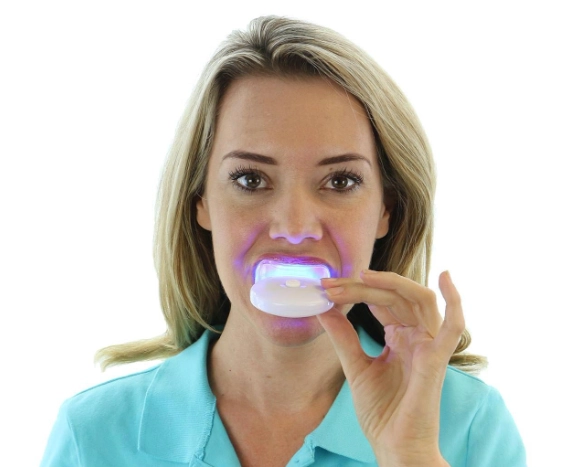
Some people find carbamide peroxide gels cause less immediate, sharp sensitivity compared to their hydrogen peroxide counterparts. They are often recommended for people with known sensitivity issues or for overnight wear.
How Do They Compare? A Quick Look
| Ingredient | How It Works | Typical At-Home Strength | Pros for Safety | Cons for Safety |
|---|---|---|---|---|
| Hydrogen Peroxide | Direct bleaching agent, works quickly. | 3% - 10% | Faster results can mean shorter exposure time; easy to find in lower, gentle strengths. | Higher concentrations (>10%) can significantly increase sensitivity risk. |
| Carbamide Peroxide | Breaks down slowly into hydrogen peroxide. | 10% - 22% (yields ~3.5%-7.7% HP) | Slower release can be gentler on teeth; often used for sensitive teeth protocols. | Longer wear times (like overnight) can increase gum irritation risk if trays aren't perfect. |
What about all those "natural" alternatives? Charcoal, baking soda, lemon juice? Let's be blunt here. While baking soda is a mild abrasive good for surface stain removal (it's in many toothpastes), it doesn't chemically whiten. Activated charcoal is highly abrasive and can scratch enamel over time. Lemon juice is acidic and can erode enamel—this is one of the least safe things you could do. For true, deep bleaching that is also the safest teeth whitening at-home option, peroxide-based systems are still the gold standard backed by decades of research.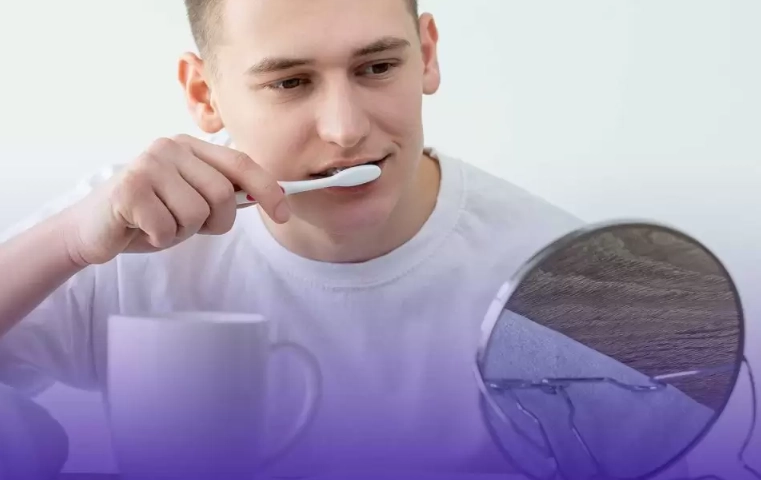
A Realistic Look at Popular At-Home Whitening Methods
Now, let's apply the safety framework to the actual products on your pharmacy shelf or in your online cart. I've tried more than a few of these, and some were great, while others felt like a complete waste of money (or worse).
LED/Light Accelerated Kits
These kits come with a mouthpiece that has blue LED lights. The claim is that the light activates or accelerates the whitening gel. Here's the thing: The science is shaky. A review published by the National Center for Biotechnology Information (NCBI) suggests the light itself may offer minimal, if any, additional benefit beyond the gel alone. The real safety concern? The temptation to use them for too long, thinking the light is doing magic. You're still relying on the peroxide gel's strength and your gum protection.
My take: If you like the gadget feel and the kit uses a low-percentage gel with good tray design, it can be part of a safe routine. But don't pay a massive premium just for the light. The gel is doing 99% of the work.
Whitening Gel with Custom or Boil-and-Bite Trays
This is the method most similar to what a dentist provides (but with lower strength gel). You fill a tray with gel and wear it for 30 minutes to a few hours. Safety hinges entirely on two factors:
- Gel Strength: Stick to 10% carbamide peroxide or 3-6% hydrogen peroxide for a gentle start.
- Tray Fit: A tray that's too loose lets gel ooze onto your gums. A tray that's too tight can cause gum trauma. Boil-and-bite trays from a box are okay, but a custom tray from a dentist is the pinnacle of safety for this method because it's made from an impression of your teeth.
Whitening Strips
Probably the most popular option. They're convenient and relatively low-mess. Safety-wise, they're a mixed bag. The pros: they are pre-dosed, so you can't over-apply the gel, and they generally keep the gel confined to the tooth surface. The cons: if the strip is too long or shifts, it can touch the gumline and cause irritation. Also, they don't always perfectly conform to every tooth's shape, leading to uneven results.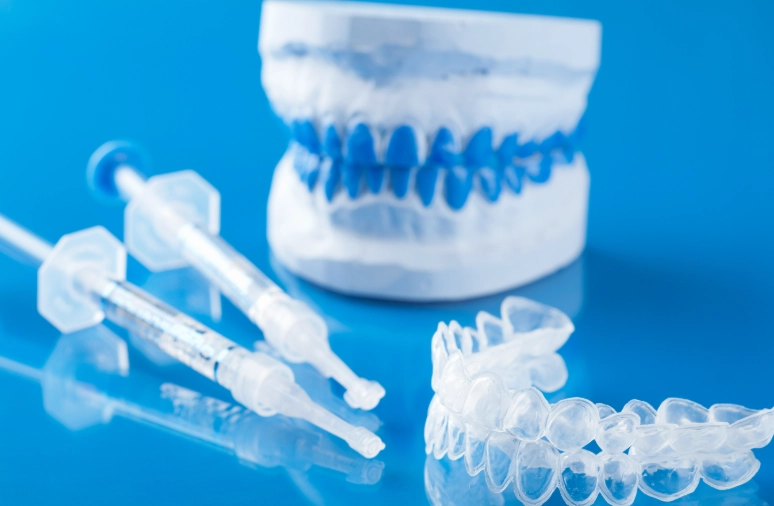
For the safest teeth whitening at-home using strips, look for ones that are specifically designed for sensitive teeth—they usually have a lower peroxide concentration and may include soothing ingredients like potassium nitrate.
Whitening Toothpastes and Rinses
These are maintenance heroes, not primary whitening tools. They work on surface stains through mild abrasives and low concentrations of peroxide or other agents like sodium hexametaphosphate. They are extremely safe for daily use as part of your oral hygiene routine but won't change the intrinsic color of your teeth like a dedicated whitening treatment will.
A Quick but Important Warning on Unregulated Products
Be very wary of whitening products sold on social media or obscure websites without clear ingredient lists or manufacturer information. I've seen products claiming "miracle plant extracts" that, when tested, contained dangerously high levels of chlorine dioxide—a bleaching agent used industrially that can severely damage enamel. Stick to reputable brands sold by established retailers or dental offices. The FDA has issued warnings about some of these unsafe products.
Your Step-by-Step Guide to a Safe Whitening Process
Let's say you've picked a product. How you use it is just as important as what you use. Here's a protocol I've followed and refined that prioritizes safety.
Step 1: The Pre-Whitening Dental Check-Up (Non-Negotiable)
I know, it sounds like a hassle. But whitening doesn't work on all stains (like those from tetracycline antibiotics or trauma), and it will not work on crowns, veneers, or fillings. More importantly, if you have untreated cavities, gum disease, or micro-cracks in your teeth, whitening gel can seep in and cause severe pain or damage. A quick visit to your dentist ensures your mouth is healthy enough to whiten. They can also identify areas of thin enamel or recession that need extra protection.
Step 2: Prep Your Mouth
Brush and floss thoroughly before applying whitening gel. This removes plaque and biofilm, allowing the gel to contact the tooth surface evenly. But avoid brushing immediately after whitening, as enamel can be temporarily more porous.
Step 3: Application is Everything
For trays: Use a pea-sized amount per tooth arch. Wipe away any excess gel that squishes out onto the gums immediately. For strips: apply them carefully, smoothing them down from the center out to avoid wrinkles that trap gel against gums.
Step 4: Timing is Critical
Follow the instructions. Do not think "more time equals better results." Exceeding the recommended wear time is a top cause of sensitivity and gum irritation. Set a timer.
Step 5: The Aftercare Ritual
After removing trays or strips, rinse your mouth gently with water. Consider using a toothpaste for sensitive teeth (with potassium nitrate and/or stannous fluoride) during your entire whitening course and for a few weeks after. These ingredients help calm the nerve endings in your teeth. Avoid highly pigmented foods and drinks (coffee, red wine, soy sauce, berries) for at least an hour after whitening, as your teeth are more susceptible to staining then.
Safety first. Always.
Answering Your Biggest Safety Questions (The FAQ)
Wrapping It Up: Your Safety Checklist
Finding the safest teeth whitening at-home solution is about being an informed consumer. It's not the flashiest product or the one with the most aggressive claims. It's the one that respects the biology of your mouth.
Before you start, run through this list:
- ✅ Get a dental check-up to ensure you're a good candidate.
- ✅ Choose a product with a clear, reasonable peroxide concentration (start low).
- ✅ Look for the ADA Seal of Acceptance if possible.
- ✅ Prioritize gum protection in the product design (good tray fit, strip shape).
- ✅ Follow the instructions to the letter—don't over-time or over-use.
- ✅ Have a sensitivity-management plan (sensitive toothpaste, breaks between sessions).
- ✅ Manage your expectations. Natural, healthy teeth are not paper-white. Aim for a bright, clean version of your natural shade.
Whitening at home can be incredibly effective and perfectly safe when you understand the rules of the game. Ditch the gimmicks, focus on the proven science, and you can confidently achieve a brighter smile without the worry. Your teeth will thank you for taking the careful, informed path.
Leave a Reply