Jump Straight to What Matters
- What Desensitizing Toothpaste Actually Does (And Doesn't Do)
- The Ingredient Breakdown: What to Look For and What to Skip
- How to Pick the Right Tube for Your Sensitivity
- Using It Right: A Step-by-Step Routine That Works
- Common Pitfalls I've Seen People Fall Into
- My Top 5 Desensitizing Toothpaste Picks, Tested and Compared
- Your Burning Questions Answered
Let's cut to the chase. If you're reading this, you probably feel that sharp zing when you sip coffee or bite into an apple. I get it—I used to avoid ice cream for years because of it. Desensitizing toothpaste isn't magic, but when used correctly, it can change your life. This guide strips away the marketing fluff and gives you the straight facts, based on my own trial-and-error and insights from dental pros.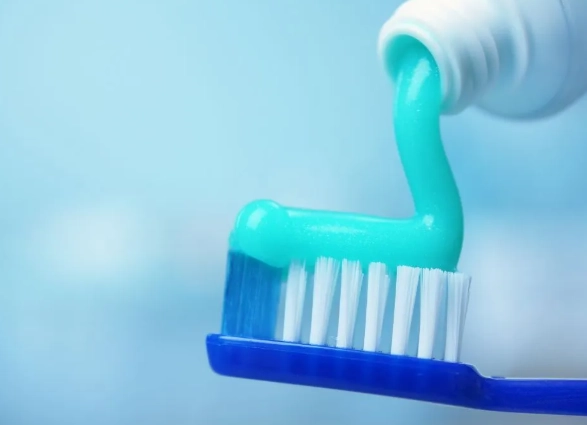
What Desensitizing Toothpaste Actually Does (And Doesn't Do)
First off, it's not a cure-all. Tooth sensitivity happens when dentin (the layer under your enamel) gets exposed, often from gum recession, enamel wear, or cavities. Nerves in the dentin react to hot, cold, or sweet stimuli. Desensitizing toothpaste works by either blocking the tiny tubules in dentin or calming the nerves.
There are two main mechanisms. Some formulas use potassium nitrate to soothe nerve endings. Others, like those with stannous fluoride, create a barrier over the tubules. The American Dental Association notes that both can be effective, but results vary by person.
Here's what many miss: it's a maintenance tool, not a quick fix. If your sensitivity stems from a cavity or cracked tooth, you need a dentist. I learned this the hard way when I ignored persistent pain and ended up needing a root canal.
How Long Until You Feel a Difference?
Most people start noticing relief in a week or two, but full effects take about a month. Consistency is key—brush twice daily, and don't rinse immediately after. Let the paste sit on your teeth for a minute. I've seen folks quit after three days, calling it useless, but they weren't giving it a fair shot.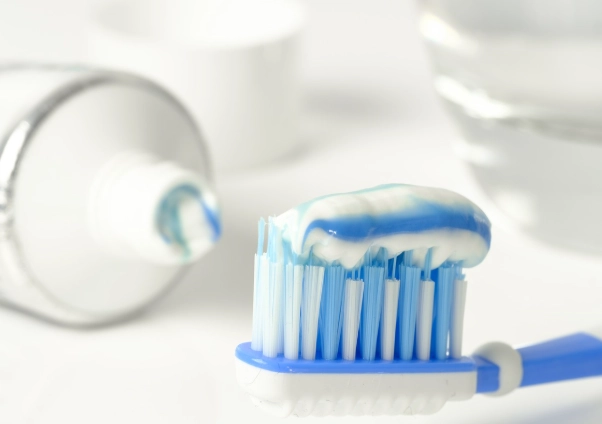
The Ingredient Breakdown: What to Look For and What to Skip
Not all desensitizing toothpastes are created equal. Scan the active ingredients list—this is where the real action happens.
Key Active Ingredients:
- Potassium Nitrate: Numbs nerve pathways. Great for mild to moderate sensitivity. Look for concentrations around 5%.
- Stannous Fluoride: Forms a protective layer and fights bacteria. It can stain teeth slightly, but newer formulas minimize this.
- Arginine and Calcium Carbonate: Seals tubules naturally. Often found in premium brands.
- Fluoride (Sodium Fluoride): Strengthens enamel, reducing sensitivity over time. A must-have in any paste.
Avoid products with high abrasives like silica if you have enamel wear—they can make things worse. Check the Relative Dentin Abrasivity (RDA) score; aim for under 100. Some whitening toothpastes have RDAs over 150, which is too harsh for sensitive teeth.
| Ingredient | How It Works | Best For | Potential Drawbacks |
|---|---|---|---|
| Potassium Nitrate | Blocks nerve signals | General sensitivity | May take longer to show effects |
| Stannous Fluoride | Coats tubules, antibacterial | Sensitivity with gum issues | Can cause staining |
| Arginine | Seals dentin instantly | Immediate relief needs | Often more expensive |
| Fluoride (General) | Enamel repair | Preventive care | None if used as directed |
I once tried a cheap brand with none of these actives—just mint flavor and hype. It did nothing. Lesson learned: invest in ingredients, not packaging.
How to Pick the Right Tube for Your Sensitivity
Your sensitivity has a cause, and matching the toothpaste to it matters. Ask yourself: Is it triggered by cold, heat, or sweets? Does it happen all over or in specific spots?
- For cold sensitivity: Go for potassium nitrate-based pastes. They're reliable for general use.
- If you have gum recession: Stannous fluoride is better—it protects exposed roots.
- For quick relief: Look for arginine formulas. They work faster but might need more frequent application.
- If you also want whitening: Choose hybrid products, but ensure they have a low RDA. Sensodyne's Pronamel line is a good example.
Don't just grab the first tube you see. Read reviews from sources like the Journal of the American Dental Association for unbiased insights. I wasted money on a trendy brand that had great marketing but poor efficacy—its active ingredient was too low in concentration.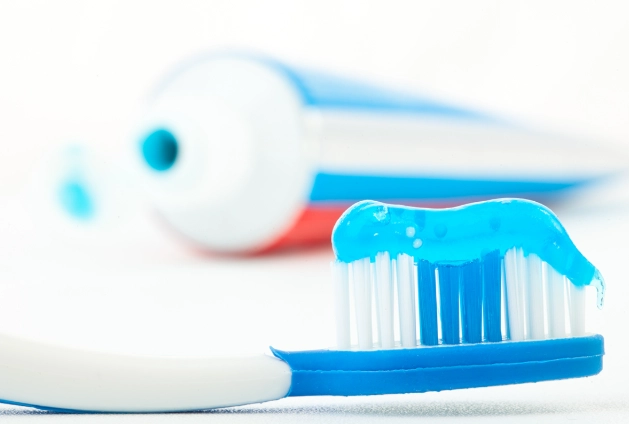
A Quick Checklist Before Buying
- Active ingredient listed clearly (e.g., 5% potassium nitrate).
- ADA Seal of Acceptance (not mandatory, but a trust signal).
- Low abrasiveness (RDA
- Flavor you can tolerate—you'll be using it daily.
Using It Right: A Step-by-Step Routine That Works
Here's where most people mess up. Brushing with desensitizing toothpaste isn't like regular brushing. Follow these steps for max impact.
- Wet your brush lightly—too much water dilutes the paste.
- Use a pea-sized amount. More isn't better; it just wastes product.
- Brush gently for two minutes, focusing on sensitive areas. Use a soft-bristled brush to avoid enamel damage.
- Spit, but don't rinse. Leave a thin film on your teeth for at least 30 seconds to a minute. This lets the ingredients penetrate.
- Avoid eating or drinking for 30 minutes after. Give it time to work.
Do this twice daily. I used to rinse right away, and it took me months to realize I was washing away the benefits. Now, I set a timer for that minute—it makes a huge difference.
Watch out: If you're using a whitening toothpaste separately, alternate days. Using them together can counteract each other. I schedule desensitizing paste in the morning and whitening at night.
Common Pitfalls I've Seen People Fall Into
Over the years, I've noticed patterns. Here are mistakes to avoid.
- Switching brands too often: Give a product a full month. Your teeth need time to adapt.
- Over-brushing: Scrubbing hard won't speed things up—it erodes enamel. Use gentle, circular motions.
- Ignoring other causes: Sensitivity can signal cavities or gum disease. See a dentist if it persists.
- Using expired paste: Check dates. Old toothpaste loses potency.
A friend of mine kept jumping between brands every week, complaining nothing worked. I told her to stick with one for a month, and she finally got relief. Patience pays off.
My Top 5 Desensitizing Toothpaste Picks, Tested and Compared
I've tried dozens. These five stand out based on effectiveness, ingredients, and value. Note: I have no affiliation with any brand—this is from personal use.
- Sensodyne Pronamel Gentle Whitening: Combines potassium nitrate and fluoride, with low abrasion. Great for daily use and enamel protection. Price: around $8 per tube.
- Colgate Sensitive Pro-Relief: Uses arginine for instant relief. Works fast, but might need more frequent application. Price: $7-9.
- Tom's of Maine Rapid Relief Sensitive: Natural formula with stannous fluoride. Good for eco-conscious users, but flavor is mild. Price: $6-8.
- Hello Sensitivity Relief Fluoride Toothpaste: Vegan, with potassium nitrate. Gentle and free from harsh chemicals. Price: $5-7.
- Parodontax Daily Clean: Stannous fluoride-based, excellent for gum-related sensitivity. Tastes salty initially, but you get used to it. Price: $9-11.
I keep Sensodyne in my bathroom—it's my go-to for consistency. But for quick fixes, I stash Colgate's tube in my travel kit.
Your Burning Questions Answered
If you take away one thing from this guide, let it be this: desensitizing toothpaste is a tool, not a miracle. Pair it with good oral hygiene—flossing, regular check-ups, and a soft brush. Your teeth will thank you. I went from dreading cold drinks to enjoying ice cream again, and you can too. Start with a solid product, use it right, and be patient. Happy brushing!
Leave a Reply