That sudden, sharp throb in your tooth isn't just annoying—it's a signal. Your body's telling you something's wrong. While a dentist is the only one who can fix the root cause (pun intended), you don't have to suffer in silence until your appointment. This guide cuts through the noise. We'll cover what actually works for immediate tooth pain relief at home, how to spot a real dental emergency, and what your dentist will likely do to solve the problem for good. Let's get to it.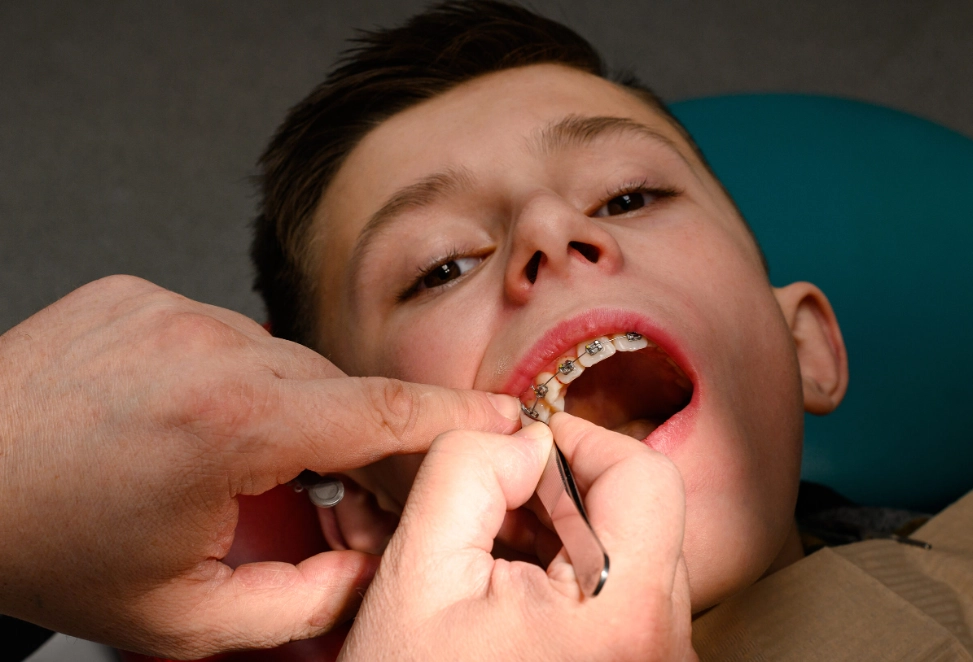
What's Inside This Guide
Immediate Home Remedies for Tooth Pain Relief
It's 2 AM, and your tooth is screaming. Here’s what you can do right now to take the edge off. These aren't cures, but they can make the wait for professional care bearable.
The Go-To First Line of Defense
Salt Water Rinse: This is my top recommendation for a reason. It’s not just folk medicine. A warm saltwater rinse (half a teaspoon of salt in a cup of warm water) gently cleanses the area, reduces inflammation, and can help dislodge food particles stuck in a cavity. Swish for 30 seconds, then spit. Do this a few times a day.
Cold Compress: If you have swelling or a throbbing pain, apply a cold pack or a bag of frozen peas wrapped in a thin towel to the outside of your cheek. 15 minutes on, 15 minutes off. This constricts blood vessels, slowing blood flow to the area and numbing the pain. A common mistake? Applying heat, which can increase swelling and make things worse for many types of toothache.
Over-the-Counter Options & Positioning
Pain Medication: Ibuprofen (Advil) or naproxen (Aleve) are often more effective for dental pain than acetaminophen (Tylenol) because they reduce inflammation. Always follow the label directions. A subtle error I see? People taking them on a completely empty stomach, which can cause issues. Have a small snack first.
Elevate Your Head: When you lie down, blood pressure increases in your head, which can intensify a throbbing toothache. Prop yourself up with an extra pillow at night. It’s a simple trick that makes a noticeable difference.
When to See a Dentist: Recognizing Dental Emergencies
Home remedies are a temporary patch. Some symptoms mean you need a professional now, not next week. Delaying can lead to serious infection, more complex treatment, and higher costs.
You should call a dentist immediately or go to an emergency room if you experience any of the following:
- Severe, unrelenting pain that isn't touched by over-the-counter meds.
- Significant swelling in your cheek, jaw, or under your eye. This can indicate a spreading infection.
- Fever, chills, or difficulty breathing/swallowing. This is a red flag for a systemic infection.
- A traumatic injury to the mouth—a knocked-out, cracked, or loosened tooth.
- A painful, pimple-like bump on your gums near the sore tooth (a dental abscess).
Many dental offices keep slots open for emergencies. Call them, describe your symptoms clearly, and they will tell you how soon you need to be seen.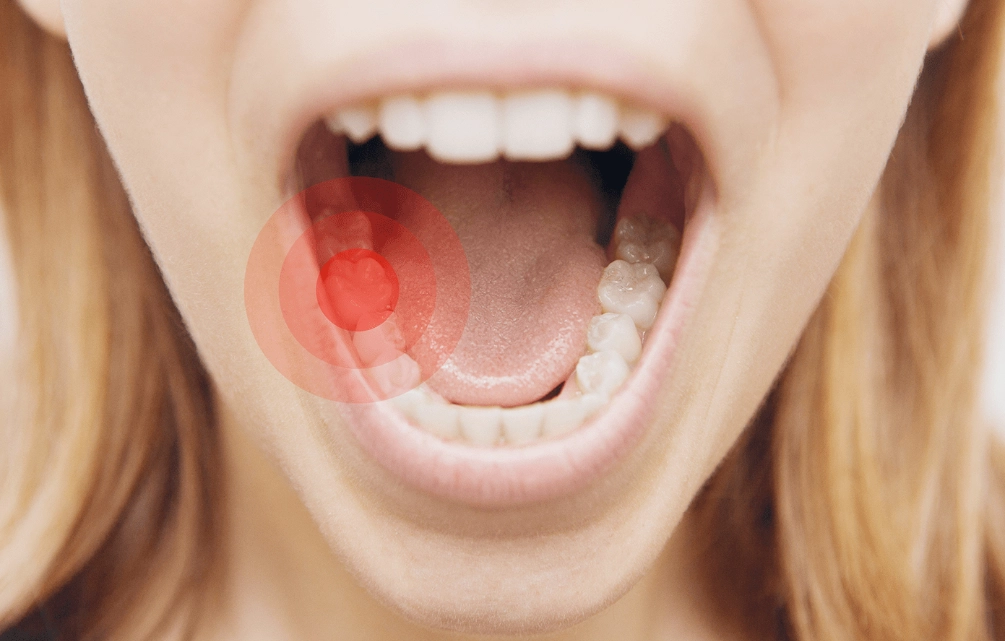
How Does a Dentist Diagnose the Cause of Tooth Pain?
Wondering what happens during that emergency visit? It's not just a quick glance. A proper diagnosis is detective work. Here’s the typical process, so you know what to expect.
First, they'll ask you detailed questions: When did it start? Is it a sharp shock or a dull ache? Does hot, cold, or biting make it worse? Does it wake you up at night? Your answers point to different causes.
Next is the clinical exam. They'll visually check the tooth and gums, tap on your teeth with a tool (this tests the ligament), and apply a cold stimulus to see which tooth reacts. They'll also feel for swelling in your lymph nodes and jaw.
Finally, they'll almost certainly take an X-ray. This is non-negotiable for a proper diagnosis. It reveals problems invisible to the eye: decay between teeth, an abscess at the root tip, bone loss from gum disease, or a crack deep within the tooth. According to the American Dental Association, radiographic examination is essential for identifying the source of dental pain.
Common Toothache Causes & Targeted Relief
Tooth pain is a symptom, not a disease itself. The right fix depends entirely on the underlying problem. This table breaks down the most common culprits.
| Cause | Typical Symptoms | Immediate Home Care | Professional Treatment |
|---|---|---|---|
| Tooth Decay (Cavity) | Sharp pain with sweets, hot, or cold. Visible hole or dark spot. | Avoid extreme temperatures. Use dental wax to cover a sharp cavity edge. | Dental filling, possibly a crown if large. |
| Abscess (Infection) | Throbbing, constant pain. Swelling, fever, bad taste. Painful gum bump. | Saltwater rinses. Cold compress for swelling. See a dentist urgently. | Root canal therapy or extraction. Antibiotics if infection has spread. |
| Gum Disease (Periodontitis) | Dull ache, sore gums, bleeding, bad breath, teeth feeling loose. | Gentle brushing/flossing. Warm saltwater rinses. | Deep cleaning (scaling/root planing). Ongoing periodontal maintenance. |
| Cracked Tooth | Sharp pain when biting or releasing. Intermittent pain. | Avoid chewing on that side. Eat soft foods. | Depends on crack depth: crown, root canal, or extraction. |
| Exposed Dentin/Sensitive Teeth | Short, sharp zing from cold, air, sweet, or acidic foods. | Use toothpaste for sensitive teeth (with potassium nitrate/stannous fluoride). | Fluoride varnish, dental bonding, or gum graft for recession. |
| TMJ Disorder or Teeth Grinding | Dull ache in jaw, temples, or teeth (often upon waking). Headaches. | Soft diet, jaw rest, warm compress on jaw joints. | Night guard (occlusal splint), stress management, physical therapy. |
Let's zoom in on a classic scenario: the deep cavity. The home remedy (avoiding temperature extremes) is just a band-aid. The real fix is the dentist removing the decayed part and placing a filling. If you wait until it hurts spontaneously (meaning the decay has reached the nerve), that simple filling often becomes a root canal and crown—a much more involved and expensive process.
The Real Long-Term Strategy: Preventing Tooth Pain
The best toothache remedy is the one you never need. This isn't just about brushing twice a day. It's a system.
Master Your Technique: Brushing too hard or with a hard-bristled brush can wear down enamel and cause gum recession, leading to sensitivity. Use a soft brush and gentle, circular motions. Floss isn't optional—it cleans the 40% of tooth surfaces your brush can't reach.
Diet is a Major Player: Constant snacking or sipping sugary/acidic drinks (soda, sports drinks, coffee with sugar) creates an acidic environment in your mouth all day, dissolving enamel. Limit these to mealtimes. Water is your mouth's best friend.
The Non-Negotiable Check-up: See your dentist for a cleaning and exam at least twice a year. These visits catch small cavities and gum issues before they become big, painful problems. It's cheaper and easier to fix a tiny spot on an X-ray than to deal with a raging toothache later.
Your Tooth Pain Questions, Answered
Is it safe to put aspirin directly on a sore tooth?
Can a toothache go away on its own?
 What if I have tooth pain but can't afford a dentist right now?
Are clove oil or garlic effective home remedies?
How do I manage tooth pain during pregnancy?