Bad breath happens to everyone, but reaching for chemical mouthwashes often feels like a temporary fix. Natural mouthwash for bad breath offers a safer, longer-lasting solution by targeting the root causes—like bacteria and dry mouth—without harsh ingredients. I've spent years experimenting with homemade recipes, and here's the truth: most store-bought options mask odors, while natural ones actually work. Let's dive into how you can make your own or choose the right products.
What's Inside This Guide
What Causes Bad Breath and Why Natural Mouthwash Works
Halitosis, or bad breath, usually stems from bacteria in your mouth breaking down food particles. According to the American Dental Association, over 80% of cases start on the tongue or gums. Dry mouth, certain foods, and poor hygiene add to it. Commercial mouthwashes with alcohol can dry your mouth out more, making things worse long-term.
Natural mouthwash for bad breath focuses on antibacterial and soothing properties. Ingredients like tea tree oil kill bacteria, while aloe vera moisturizes. It's not just about freshening breath—it's about creating an environment where bad breath bacteria can't thrive. I remember using a peppermint-based rinse for weeks before realizing it was the alcohol-free formula that finally stopped my morning breath.
Key Ingredients for Effective Natural Mouthwash
Not all natural ingredients are equal. Some work better for specific issues. Here’s a breakdown of what to look for, based on my trials and research from sources like the National Institutes of Health.
| Ingredient | Primary Benefit | How to Use It | Potential Drawback |
|---|---|---|---|
| Tea Tree Oil | Powerful antibacterial, reduces plaque | Add 2-3 drops to water; never use undiluted | Can be too strong for sensitive mouths |
| Baking Soda | Neutralizes acids, whitens teeth slightly | Mix 1 tsp in a cup of warm water | May taste salty; overuse can erode enamel |
| Peppermint Essential Oil | Freshens breath instantly, anti-inflammatory | 1-2 drops per rinse; combine with carrier oils | Some brands use synthetic versions—check labels |
| Aloe Vera Juice | Soothes gums, combats dry mouth | Use as a base instead of water; about 1/4 cup | Can spoil quickly; store in fridge |
| Coconut Oil | Oil pulling reduces bacteria, moisturizes | Swish 1 tbsp for 10-15 minutes, then spit | Time-consuming; not a quick rinse |
When I started, I thought more ingredients meant better results. That's a myth. A simple blend of baking soda and peppermint often outperforms complex mixes because it's easier to balance.
Top 3 DIY Natural Mouthwash Recipes You Can Make Today
These recipes are based on what actually works, not just internet trends. Each takes under 10 minutes to prepare. I've made them all, and the herbal one is my daily driver.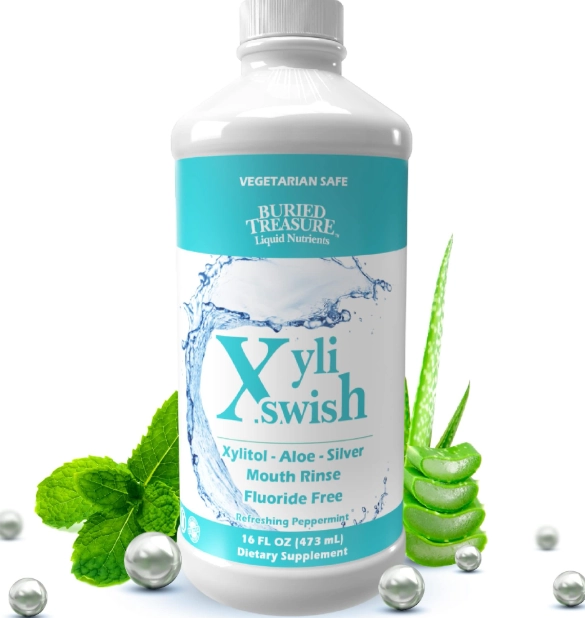
1. The Basic Antibacterial Rinse
Perfect for beginners. You'll need: 1 cup distilled water, 2 teaspoons baking soda, 3 drops tea tree oil. Mix in a glass bottle—shake well before each use. Swish for 30 seconds after brushing. It tastes earthy, but it kills bacteria effectively. I used this for a month and noticed less plaque buildup.
2. Soothing Herbal Mouthwash for Dry Mouth
If your mouth feels dry, this helps. Ingredients: 1 cup aloe vera juice (unsweetened), 1 tablespoon fresh sage leaves (or 1 tsp dried), 5 drops peppermint essential oil. Steep sage in hot aloe juice for 10 minutes, strain, add oil. Store in the fridge for up to a week. It's mild and refreshing. A friend with medication-induced dry mouth swears by it.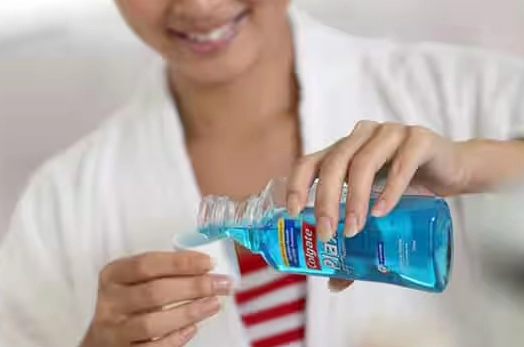
3. Quick Freshener with Coconut Oil
For a deep clean. Take 1 tablespoon virgin coconut oil, 1/2 cup warm water, juice of half a lemon. Melt oil slightly, mix with water and lemon. Swish for 1-2 minutes. Lemon adds acidity, so don't overuse—twice a week max. I like it after coffee, but it's not for everyday due to the lemon's erosive potential.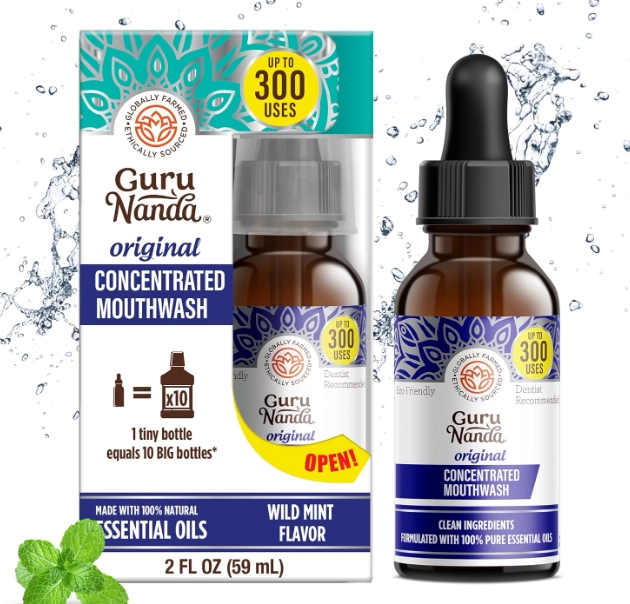
Pro tip: Always use glass containers for storage. Plastic can leach chemicals and reduce potency. I learned this the hard way when a batch turned cloudy.
The Big Mistake Most People Make with Natural Mouthwash
After a decade of tinkering, I see one error repeatedly: people treat natural mouthwash like a magic bullet and ignore oral hygiene basics. No rinse, natural or not, fixes bad breath if you're not brushing your tongue or flossing. The bacteria hide in crevices.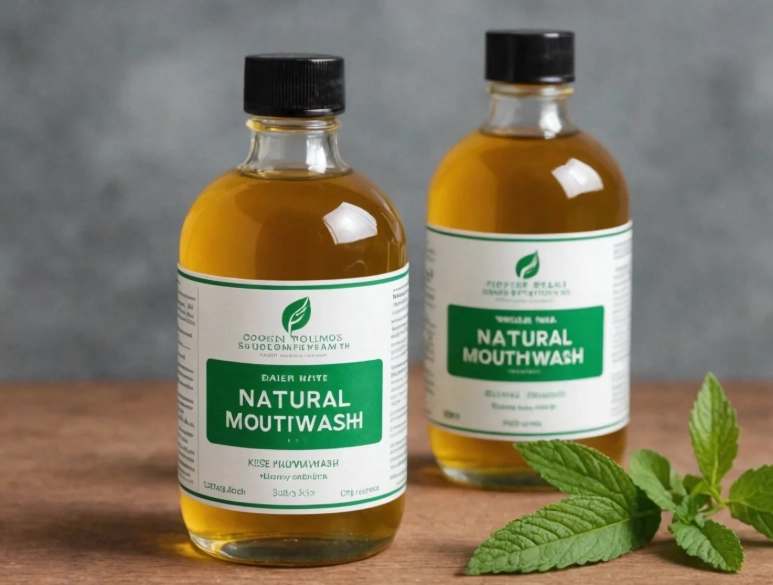
Another subtle mistake—using too much essential oil. More drops don't mean better results. Tea tree oil, for instance, can irritate gums if over-concentrated. I once added 10 drops to a rinse and ended up with a sore mouth for days. Stick to recommended amounts.
Also, natural doesn't always mean safe for everyone. If you have allergies, patch-test ingredients. I've seen folks assume "herbal" equals harmless, but reactions can happen.