Let's be honest, the thought of having your wisdom teeth out can be intimidating. You've probably heard a mix of horror stories and "it was nothing" tales. The truth is, for most people, it's a standard outpatient procedure with a predictable recovery. The key to a smooth experience isn't luck—it's understanding exactly what to expect before, during, and after. This guide strips away the mystery and gives you the clear, actionable information you need, whether you're just considering the procedure or have a surgery date already booked.
What's Inside This Guide?
From Consultation to Decision: Is Removal Necessary?
Not every wisdom tooth needs to come out. The American Association of Oral and Maxillofacial Surgeons (AAOMS) outlines clear reasons for extraction. Your dentist or oral surgeon will use X-rays, often a panoramic one, to make the call.
Here’s the breakdown of why removal is usually recommended: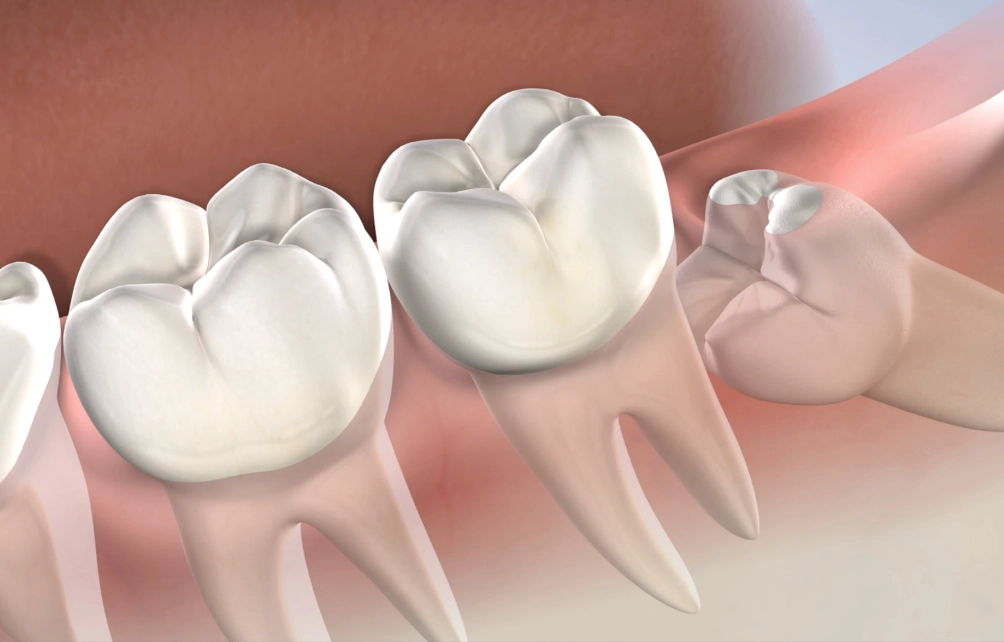
Impaction: This is the big one. When there's no room to erupt normally, the tooth gets stuck (impacted). It can be angled toward the tooth in front, angled backward, or even lie completely horizontal. Impacted teeth are cleaning nightmares and can damage neighboring molars.
Crowding: Even if it erupts, a wisdom tooth can push other teeth, undoing years of orthodontic work.
Pericoronitis: A fancy word for a painful infection. It happens when a partially erupted tooth creates a flap of gum where food gets trapped.
Decay or Gum Disease: Their position way in the back makes them notoriously hard to clean properly.
The Day of Surgery: A Step-by-Step Walkthrough
Knowing the sequence of events takes a lot of the anxiety away. Here’s how a typical wisdom tooth removal procedure unfolds.
Before You Arrive
You'll get pre-op instructions. These usually include fasting (no food or water) for 6-8 hours beforehand if you're having IV sedation. Arrange for a responsible adult to drive you home and stay with you for the first few hours. Wear comfortable, loose-fitting clothing.
Anesthesia Options: Staying Comfortable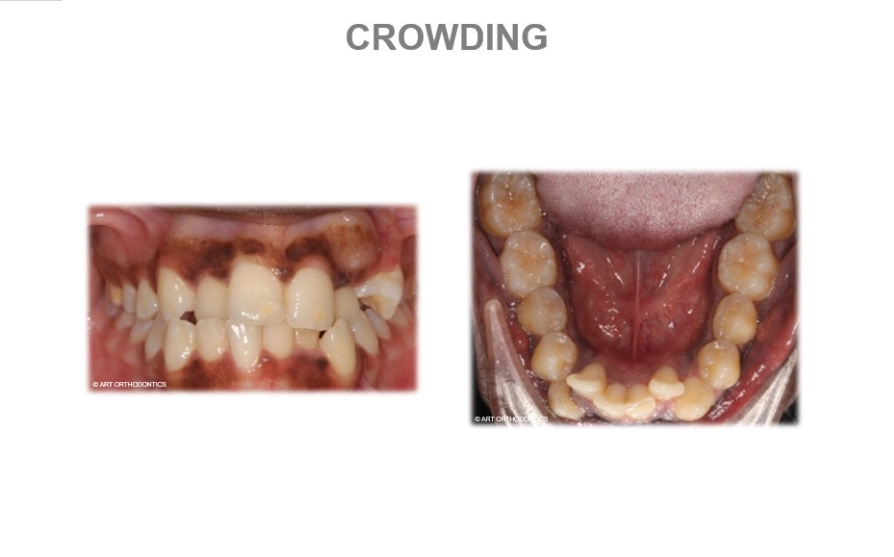
You won't feel pain during the surgery. The choice of anesthesia depends on the complexity and your anxiety level.
| Type | How It's Given | What You Experience | Best For |
|---|---|---|---|
| Local Anesthesia | Injection in the gum | You're fully awake, feel pressure but no pain. | Simple, fully erupted extractions. |
| Nitrous Oxide ("Laughing Gas") | Breathed through a mask | You're awake but deeply relaxed; wears off quickly. | Mild to moderate anxiety. |
| IV Sedation | Through a vein in your arm | You're in a twilight sleep—not fully unconscious but won't remember the procedure. | Multiple or impacted removals, high anxiety. |
| General Anesthesia | Through IV or gas | You are completely unconscious. | Extremely complex cases, often in a hospital. |
The Surgical Steps (What the Surgeon is Doing)
For a simple extraction, it's just loosening and removing the tooth with forceps. For an impacted tooth, it's more involved:
1. Incision: The surgeon makes a small cut in the gum to expose the tooth and bone.
2. Bone Removal: If bone is covering the tooth, a small amount is gently removed.
3. Tooth Sectioning: This is a key technique. The tooth is often divided into smaller pieces using a drill. This allows for removal through a smaller opening, causing less trauma than trying to yank the whole thing out. It sounds scarier than it is and is actually a mark of a skilled surgeon.
4. Extraction: The pieces are removed.
5. Cleaning and Stitches: The site is cleaned, and stitches are placed. These are often dissolvable and vanish in 7-10 days.
6. Gauze: A piece of gauze is placed over the area, and you're asked to bite down firmly to control bleeding and help a clot form.
The whole process for all four teeth usually takes 45 minutes to an hour.
Your Recovery Timeline: What to Expect Day by Day
Recovery is the part you control. Follow these guidelines closely, and you'll minimize problems.
First 24 Hours: This is the most critical period. Bleeding, swelling, and discomfort peak. Bite on the gauze as instructed (usually 30-60 minutes). Change it as needed. Use an ice pack on your cheeks—20 minutes on, 20 minutes off. Stick to cool, liquid foods (broth, yogurt, smoothies—no straws!). Take your prescribed pain meds before the anesthesia fully wears off. Rest with your head elevated.
Days 2-3: Swelling is usually at its worst. You can switch from ice to gentle warm compresses to soothe the muscles. Start transitioning to very soft foods (mashed potatoes, scrambled eggs, oatmeal). Begin very gentle saltwater rinses (1/2 tsp salt in warm water) after meals, but don't swish aggressively—just tilt your head and let it flow.
Days 4-7: Swelling and discomfort should noticeably improve. You can often return to light activities. You might start feeling bits of bone or stitch material—this is normal. Your diet can expand to pasta, soft fish, well-cooked vegetables.
Week 2 Onward: Most people feel back to normal, though the sockets will take weeks to months to fill in completely with new tissue. You can usually resume all normal activities, including exercise, as comfort allows.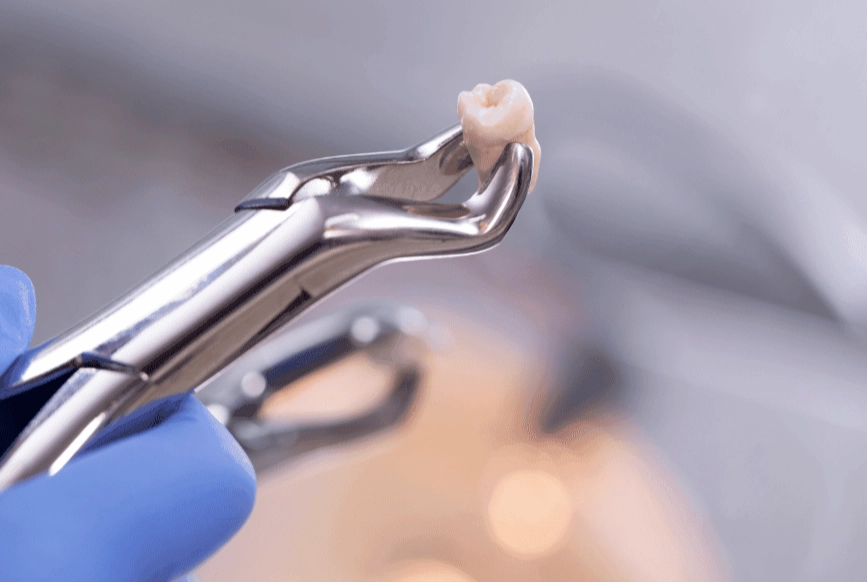
Managing the Costs: A Breakdown of Wisdom Tooth Removal
Costs vary wildly based on location, surgeon's experience, anesthesia type, and tooth complexity. Insurance coverage is also a huge factor. Here’s a realistic range to budget for (per tooth, in the US).
| Tooth Type / Procedure | Estimated Cost Range (Without Insurance) | Notes |
|---|---|---|
| Simple, erupted extraction | $150 - $400 | Often done by a general dentist with local anesthesia. |
| Soft Tissue Impaction (tooth under gum only) | $225 - $600 | Requires incision and stitches. |
| Partial Bony Impaction | $325 - $800 | Some bone removal needed. |
| Full Bony Impaction / Complex | $400 - $1,000+ | Significant bone removal, tooth sectioning. |
| IV Sedation / General Anesthesia | $500 - $1,000 (flat fee) | This is an additional fee on top of the surgical fees. |
Always get a pre-treatment estimate from your surgeon's office. They can submit it to your insurance company to find out your exact co-pay or deductible responsibility.
Expert Answers to Your Toughest Questions
 What's the real deal with dry socket, and how do I avoid it?