Why Is My Bread Dense? 7 Real Fixes for Dense Bread
What's in this guide
- The 10-second answer behind dense bread
- 1. Your starter is weak, not just slow
- 2. Underproofing vs overproofing: the poke test lie
- 3. Gluten that never developed (or got torn apart)
- 4. The flour choice nobody mentions
- 5. Hydration numbers you should not trust
- 6. Slicing too hot, cutting the crumb short
- 7. Oven temperature and steam mistakes
- Reader questions I hear every week
I still remember the first loaf I baked that felt like a brick. My wife knocked it on the counter to check if it was done, and the sound was like a wet phone book hitting tile. Brutal. I had followed a recipe from a famous blog to the letter. The problem wasn't the recipe. It was three invisible things I couldn't see through the bowl.
If you're asking "why is my bread dense," you're dealing with one of a few specific failures. Not a mystery. Not bad luck. Let me walk you through what actually goes wrong, based on loaves I've ruined (a lot of them) and loaves I've saved at the very last minute.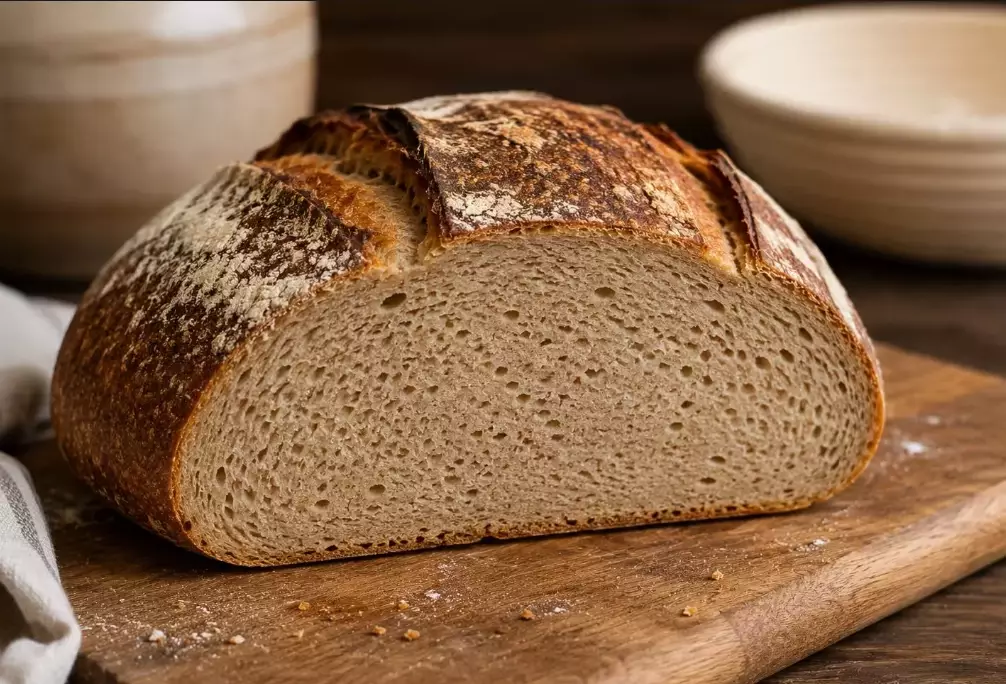
The 10-second answer behind dense bread
Dense bread almost always comes from one of these: a weak starter that can't lift, dough that hasn't proofed enough, dough that overproofed and collapsed, gluten that never got strong, or too much flour during shaping. The tricky part? Two of those feel identical when you touch the dough. That's where most people get stuck.
A quick reality check I do every time: cut a slice and look at the bottom crust. If there's a thin, gummy layer right above the bottom crust, that's underproofing. If the whole crumb is tight and even like sandwich bread when you wanted sourdough, that's usually weak gluten or a starter issue.
1. Your starter is weak, not just slow
Here's the thing most beginners miss. A starter can double in size and still be too weak to raise bread. I've seen it. It bubbles, it smells sour, it looks alive. But it peaked six hours ago and is now running on fumes.
What I check: drop a spoonful of starter into a glass of room-temperature water. If it floats, it's ready. If it sinks, it's either too young or past its peak. That float test isn't perfect (some high-hydration starters float when they're actually weak), but it's a fast filter.
A stronger check: feed your starter and watch how long it takes to double. In my kitchen at 75°F, a healthy starter doubles in 4 to 5 hours. If yours takes 8 hours or more, your bread will be dense no matter how long you proof the dough. The yeast just isn't there in enough numbers.
What I do when the starter is borderline
I feed it twice a day for two days before baking. No shortcuts. I also keep a small jar of "backup" starter in the fridge that I refresh weekly. Sounds fussy. It has saved more baking days than any fancy flour.
2. Underproofing vs overproofing: the poke test lie
Every bread blog tells you to poke the dough and see if it springs back. Here's my issue with that: the poke test depends on dough temperature, hydration, and how much gluten you built. It's not reliable on its own.
What I do instead: I watch the dough's edges in the bowl. When it's properly proofed, you'll see tiny bubbles along the sides and the dough will look slightly domed on top. If it's flat and spreading, it's overproofed. If it's tight and smooth with no bubbles at the edges, it's underproofed.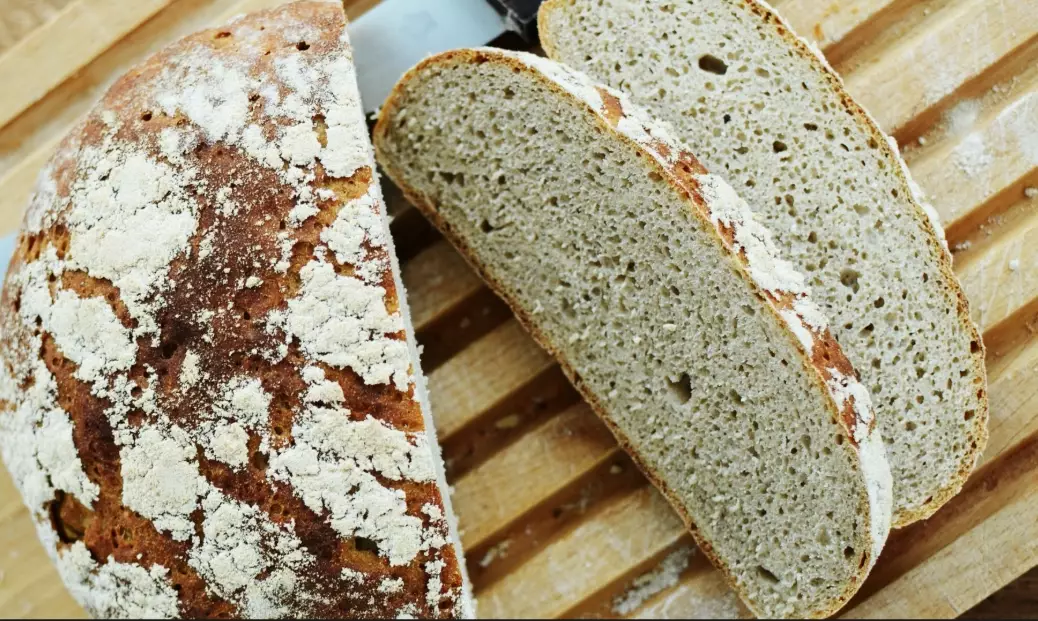
| Sign | Underproofed | Overproofed |
|---|---|---|
| Dough surface | Tight, smooth, no bubbles | Wrinkled, flat, spreading |
| Poke test result | Springs back fast | Leaves a deep dent |
| Crumb after baking | Tight, gummy bottom layer | Pale, crumbly, large irregular holes near top |
| My fix | Wait 30–60 more minutes | Shape gently and bake immediately |
One more detail. Overproofed dough smells more sour and feels stickier than it should. If your hands are coated in dough after shaping, that's a red flag.
A mistake I made for years: proofing by the clock. Recipes say "proof for 2 hours." But if your kitchen is 68°F in winter, that dough needs way longer. Get a cheap thermometer and check your dough temperature. Aim for 75–78°F during bulk fermentation.
3. Gluten that never developed (or got torn apart)
You can knead dough for 20 minutes and still have weak gluten if you're using the wrong flour or if you added salt directly to the yeast. Salt kills yeast on contact. I always mix salt into the flour first, then add the yeast water.
Also, over-kneading is real but rare with hand mixing. With a stand mixer, it's easy to blow past the windowpane stage. The dough gets shiny, then starts to tear instead of stretch. If your dough tears when you pull a small piece thin, stop mixing and let it rest for 20 minutes. That rest does more than another five minutes of mixing.
A trick I learned from a baker in Vermont: after mixing, do three sets of stretch-and-folds spaced 30 minutes apart. This builds strength without overworking the dough. It also gives you a chance to feel the dough change from shaggy to smooth.
4. The flour choice nobody mentions
Bread flour has more protein than all-purpose. That's not news. But here's what gets skipped: protein percentage on the label is not the same as gluten quality. Some store-brand bread flours have high protein but poor gluten formation.
I tested this in my own kitchen with three brands. Same recipe, same starter, same proofing time. One loaf came out tall and open. Another was dense and tight. The difference was the flour's milling and how much damaged starch it had. I'm not naming brands, but the lesson is: if your bread is consistently dense with one flour, try a different brand before you blame your technique.
Also, whole wheat flour absorbs more water and ferments faster. If you swap 20% whole wheat into a white bread recipe without adjusting water and proofing time, you'll get a dense loaf. I add 5% extra water and shorten bulk fermentation by 20 minutes when I use whole wheat.
5. Hydration numbers you should not trust
"75% hydration" sounds precise. It isn't. Flour absorbs different amounts of water depending on humidity, age, and brand. A dough that feels perfect at 75% in January might be a sticky mess in July.
I go by feel, not numbers. The dough should feel tacky but not sticky. When I do a stretch-and-fold, it should stretch without tearing. If it's too wet, I add flour one tablespoon at a time during the first fold. If it's too dry, I wet my hands and fold. That's it.
One more thing: dense bread often comes from adding too much flour during shaping. That extra flour doesn't hydrate. It sits in the crumb as a dry streak. I use a light dusting of rice flour on my bench, not wheat flour. Rice flour doesn't absorb into the dough as easily.
6. Slicing too hot, cutting the crumb short
I know the smell is impossible to resist. But cutting bread before it cools completely ruins the crumb. The starches are still setting. If you slice hot bread, the steam escapes too fast and the interior gets gummy and dense.
Wait at least one hour for a small loaf, two hours for a large one. I set a timer. Otherwise I'll convince myself it's cool enough after 20 minutes. It's not.
7. Oven temperature and steam mistakes
Oven thermostats lie. Mine runs 25°F hot. I bought a $10 oven thermometer and it changed my baking. If your oven is too hot, the crust sets before the loaf fully expands. That's a dense loaf with a burnt bottom.
Steam matters for the first 10 minutes. I use a cast iron pan with ice cubes on the bottom rack. The steam keeps the crust soft so the bread can spring. After 10 minutes, I vent the steam by cracking the oven door for 30 seconds. Without that vent, the crust stays soft and pale, and the bread doesn't develop a proper crust.
For a dense loaf that's already baked, there's not much you can do. But you can turn it into breadcrumbs or croutons. I've done that more times than I'd like to admit.
Reader questions I hear every week
Why is my bread dense even though my starter doubles in size?
Doubling in size doesn't mean the starter is at peak strength. It could be doubling but with weak yeast activity. Check the float test and smell—a strong starter smells pleasantly sour, not like nail polish. Also, make sure you're using the starter when it's at its peak, not after it has fallen.
My sourdough bread is dense at the bottom but airy on top. What causes that?
That's classic underproofing. The bottom part of the dough didn't get enough fermentation time, so it stayed tight while the top expanded. Next time, extend bulk fermentation by 30 minutes and make sure your dough temperature is at least 75°F.
Why is my bread dense when I use whole wheat flour?
Whole wheat flour has less gluten and absorbs more water. It also ferments faster, so it can overproof quickly. Add extra water (about 5% more) and shorten your bulk fermentation time by 20–30 minutes when using whole wheat.
Can I fix dense bread after it's baked?
You can't turn a dense loaf into an open-crumb loaf, but you can make it useful. Slice it thin and toast it for bruschetta. Cube it for croutons. Or tear it into pieces and make a bread salad. Don't throw it away—dense bread makes great breadcrumbs.
Why is my bread dense and gummy in the middle?
Gummy middle usually means the bread was sliced too soon or the dough was underproofed. If you sliced it hot, the steam hadn't finished escaping. If it's gummy and the bottom crust has a dense layer, it's underproofing. Let it cool completely before slicing next time.
These are the same issues I see over and over in my own baking and in friends' kitchens. Dense bread isn't a mystery. It's a signal. Once you know what to look for—at the starter, during proofing, and before you slice—you can fix the next loaf. That's the part I love about baking. You get another chance tomorrow.
This article was fact-checked against the King Arthur Baking Company's ingredient guide and the Bread Bakers Guild of America's fermentation resources.

Comments