Pie Crust Recipe That Won't Fail (Even If You're New)
What I'll Walk You Through
I've made more pie crusts than I can count, and the one thing I keep telling people: the recipe is only half the story. Temperature, flour brand, how you cut the butter—all of it shifts the result. This pie crust recipe is the one I keep coming back to because it forgives small mistakes. I've tested it with cheap butter, expensive butter, and once, embarrassingly, with butter that sat out all afternoon.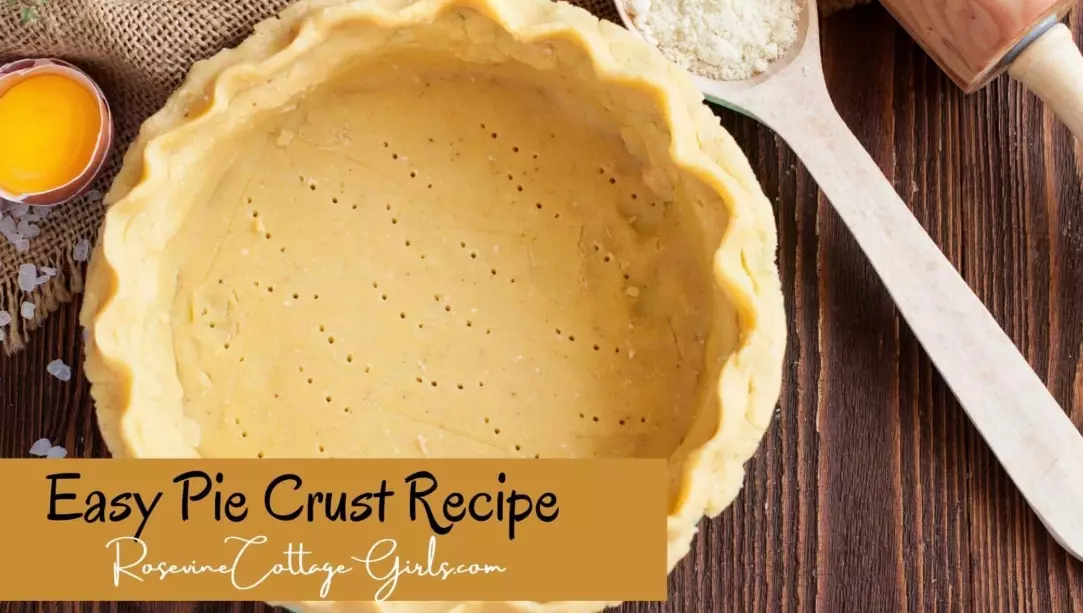
What Makes a Pie Crust Recipe Reliable
Most beginner doughs fail because they treat pie crust like cookie dough. It's not. You want gluten to stay underdeveloped, fat to stay cold and in visible pieces, and water to barely hold things together. The USDA baking guideline notes that pie dough should stay below room temperature during mixing to keep fat from melting—something I ignored for years and paid for with tough crusts.
Three things separate a dependable pie crust recipe from a frustrating one:
- Fat in chunks, not sand. Pea-sized butter pieces make steam pockets. Flat, dusty fat makes a cracker.
- Ice water, added slowly. I use 4 to 5 tablespoons for 1 1/4 cups flour. More than that and the dough turns gummy.
- A rest in the fridge. Twenty minutes minimum. The flour hydrates and the gluten relaxes, so the dough rolls without fighting back.
My Butter Pie Crust Recipe (Exact Ratios)
This makes one 9-inch single crust or a bottom crust for a double-crust pie. I always double it and freeze the extra—future me is grateful.
| Ingredient | Amount | What I Actually Use |
|---|---|---|
| All-purpose flour | 1 1/4 cups (150 g) | King Arthur or Gold Medal, not bread flour |
| Fine sea salt | 1/2 teaspoon | Diamond Crystal kosher works too, use 3/4 tsp |
| Granulated sugar | 1 teaspoon | Skip if the filling is very sweet |
| Unsalted butter | 1/2 cup (113 g), cold | Cut into 1/2-inch cubes, chilled 15 min |
| Ice water | 4 to 5 tablespoons | Water with ice cubes, measured after chilling |
Some people add vinegar or vodka to the water. I've tried both. Vinegar gives a slightly more tender crumb, but if your butter is cold enough, you won't notice. Keep it simple.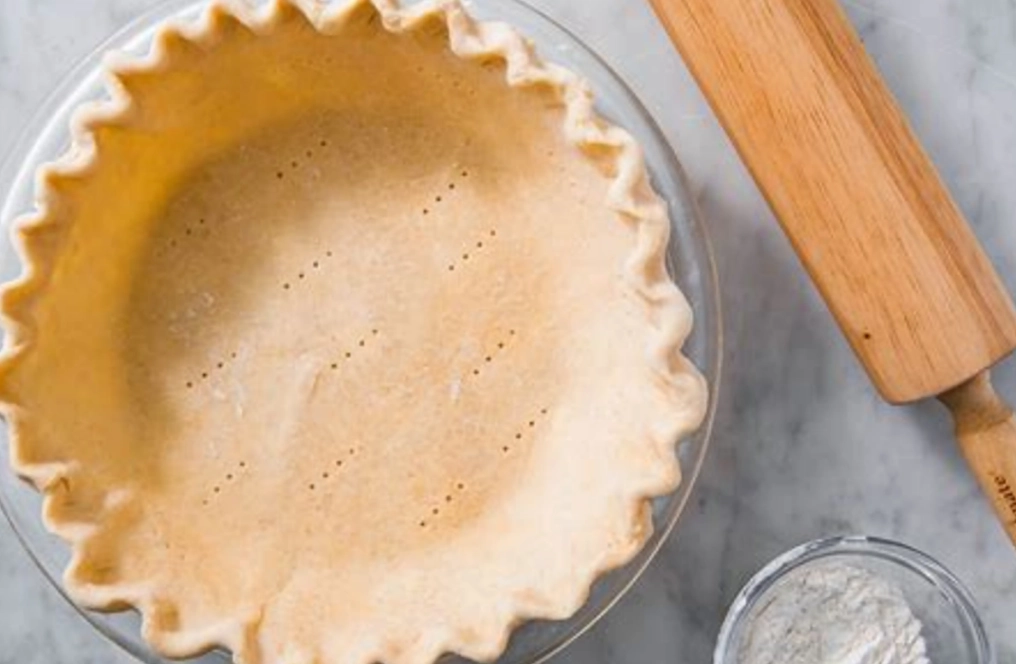
How to Make Pie Crust Step by Step
- Whisk dry ingredients. Flour, salt, sugar in a wide bowl. Wide bowl matters—more surface area for cutting fat.
- Toss butter in flour. Coat each cube, then pinch them flat between your fingers. You're aiming for flattened shards, not round balls. Stop when the biggest pieces look like almond slivers.
- Drizzle ice water. Start with 4 tablespoons. Toss with a fork. Squeeze a handful—if it holds together with a few dry crumbs falling, stop. If it crumbles, add a teaspoon of water at a time.
- Shape into a disc. Flatten on plastic wrap. Don't knead. Wrap and chill 30 minutes (or up to 2 days).
- Roll and fit. Roll from the center out on a floured surface. Lift and rotate the dough every few strokes. Transfer to the pie plate by rolling it loosely around the pin.
Why Your Pie Crust Fails: 4 Real Fixes
Here's where most recipes wave their hands. They say "don't overmix" and leave it there. That's not useful. These are the specific failures I see and the exact corrections.
Soggy bottom
For a wet filling (apple, pumpkin, custard), blind bake the crust. But here's the under-discussed part: brush the raw crust with beaten egg white before adding filling. That protein layer seals the dough. I also preheat the baking sheet—cold sheet means cold bottom, and cold bottom means a pale, soggy crust.
Shrinking sides
Chill the fitted crust in the pan for 15 minutes before baking. And when you fit the dough, lift the edges slightly to let it settle into the corners. Stretching the dough to fit is what pulls it back during baking. I crimp the edge and then press the rim gently against the pan.
Crumbly dough that won't roll
Don't add more water. Squeeze it together in a disc, wrap it, and let it sit 10 minutes on the counter. The flour hydrates. If it still cracks, roll it between two sheets of parchment. That's how I salvaged a particularly dry batch last winter.
Tough crust
Overworking, or flour with too much protein. Use all-purpose, not bread flour. And roll in one direction, not back and forth—back-and-forth rolling develops gluten the way kneading bread does.
Blind Baking, Freezing, and Storing Dough
For a fully baked shell: line the chilled crust with parchment, fill with sugar or dried beans, bake at 425°F for 15 minutes. Remove the weights and parchment, then bake another 5 to 8 minutes until the bottom looks dry. Sugar weights work better than beans because they conform to the corners and leave no gap.
Freezing: shape into discs, wrap in plastic, then foil. Freezes well for 2 months. Thaw overnight in the fridge. A frozen fitted shell can go straight into the oven—add 5 minutes to the bake time.
One last thing about pie dough: it doesn't need to be perfect. I've had crusts with visible butter streaks that tasted better than smooth professional ones. The ugly ones are often the flakiest.
Pie Crust Questions I Get Every Week
My dough cracked when I rolled it—should I start over?
No. Cracks are normal, especially if the dough is cold. Press the crack together with warm fingertips, or patch it with a scrap of dough. If the whole thing is splitting, let it rest 10 minutes on the counter and try again. Starting over wastes good dough for a cosmetic issue.
Can I use salted butter in this pie crust recipe?
Yes, but drop the added salt to 1/4 teaspoon. Salted butter varies by brand—some are aggressively salty. I've used salted Kerrygold with 1/4 teaspoon salt and the crust was fine. Just taste a pinch of your butter first if you're unsure.
Why does my pie crust taste bland even after baking?
Probably the salt. A lot of recipes under-salt the dough. That 1/2 teaspoon of fine sea salt is not optional. Also, taste the raw dough once—it should taste like a lightly salted cracker. If it tastes like nothing, add a pinch more salt before chilling.
How do I keep the crimped edge from burning?
Cover the rim with a ring of foil for the first 20 minutes of baking. I use a pie shield, but a strip of aluminum foil folded over the edge works. Remove it for the final 10 minutes so the crust browns evenly.
I've tested this pie crust recipe through holiday chaos, power outages, and one memorable oven that ran 25°F hot. The ratio holds. The technique holds. Trust the cold butter and the rest time, and you'll stop buying frozen shells.
Comments