Best Flour for Baking: Stop Ruining Your Cakes
What I Cover Below
I spent three weeks baking the same vanilla cake with six different flours. Same butter, same eggs, same oven. The result? One cake was fluffy and tall. Another was a flat, rubbery disk. The only variable was the flour. Finding the best flour for baking isn’t about brand loyalty — it’s about reading the protein number on the bag.
Most people grab all-purpose flour and hope for the best. That works for some recipes. For others, it’s the reason your biscuits feel like hockey pucks. I’ll save you the trial and error.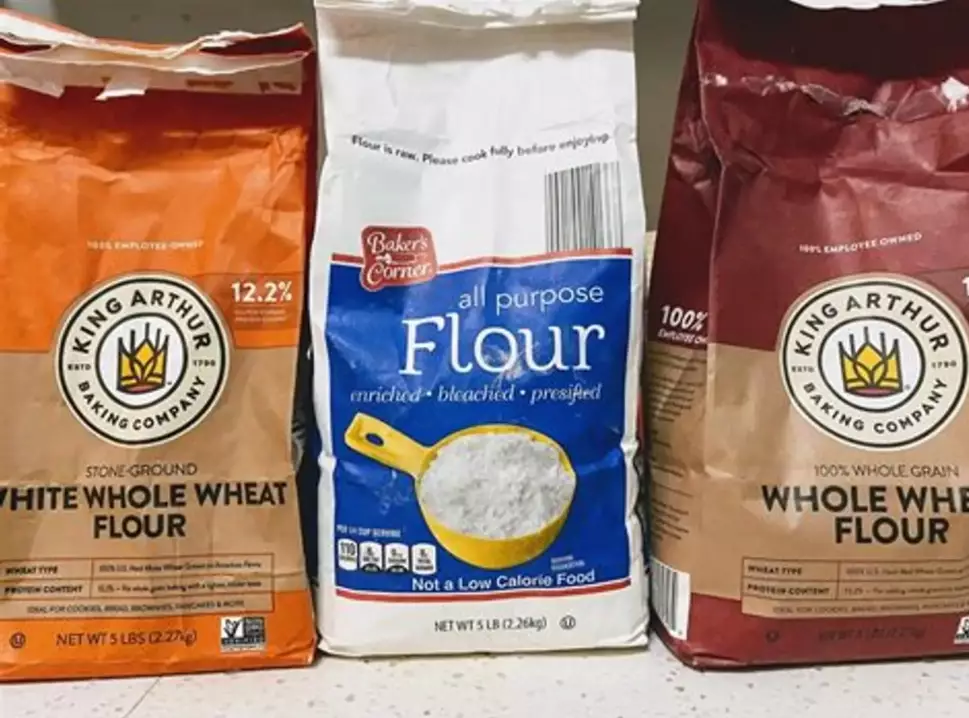
Why Protein Content Is the Only Thing That Matters
Flour protein (glutenin and gliadin) turns into gluten when you add water and stir. More protein means more chew. Less protein means more tenderness. It’s that simple.
Here’s what bakers get wrong: they think “bread flour” is only for bread. But if you’re making a chewy bagel or a pizza with a crispy bottom, bread flour’s 12–14% protein is exactly what you want. Using all-purpose for pizza gives you a limp, sad slice. I made that mistake for years.
My rule of thumb: When a recipe says “flour” without specifying, default to all-purpose (10–11% protein). It’s the middle ground. But if the recipe is delicate (cake, pastry, scones), switch to something lower. If it needs structure (bread, pizza), go higher.
The 4 Main Flours and When to Use Each One
You don’t need 12 types of flour in your pantry. These four cover 95% of home baking. The protein percentages below are typical for U.S. brands — check your bag, because brands vary.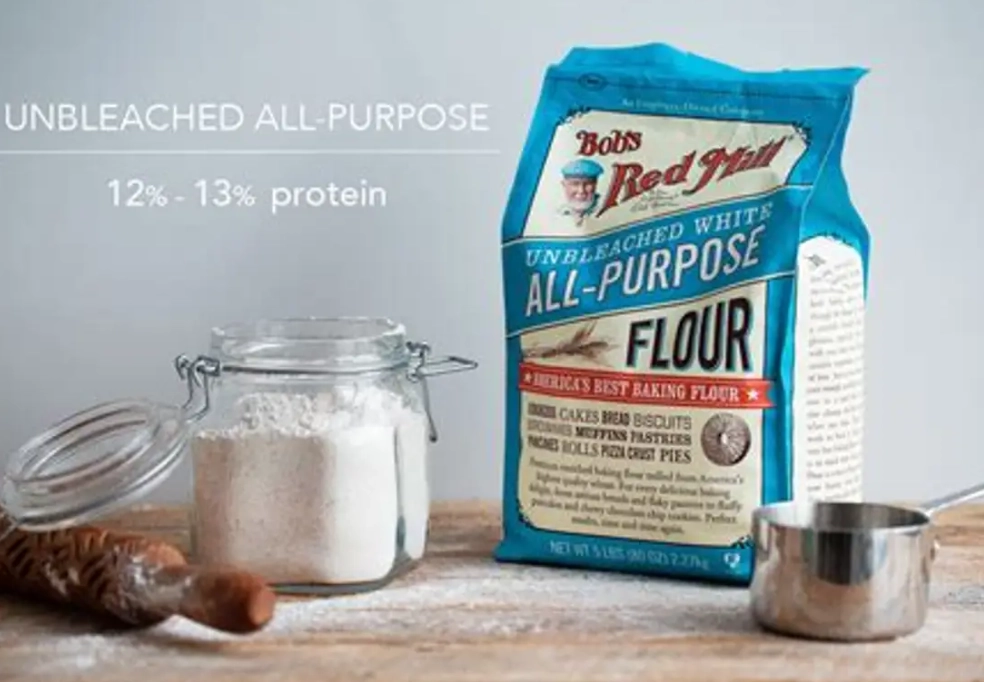
| Flour Type | Protein % | Best For | Texture Result | My Honest Note |
|---|---|---|---|---|
| Cake Flour | 7–9% | Sponge cakes, angel food, light cookies | Soft, melt-in-mouth | Costs more and goes stale fast. Buy small bags. |
| Pastry Flour | 8–10% | Pie crust, tart dough, biscuits | Flaky but sturdy | Hard to find in regular stores. I order online. |
| All-Purpose Flour | 10–11% | Cookies, muffins, pancakes, quick breads | Balanced chew | The workhorse. If you only keep one flour, this is it. |
| Bread Flour | 12–14% | Sourdough, pizza, bagels, cinnamon rolls | Chewy, open crumb | Makes terrible cookies. Don’t try it. |
I keep cake flour and bread flour in my freezer (they go rancid faster than you think). All-purpose sits in a big jar on the counter.
Cake Flour vs All-Purpose: My Kitchen Tests
This is the question I get most from friends who bake. Here’s what actually happens when you swap them.
I baked a white cake with cake flour. It rose evenly, had a fine crumb, and tasted buttery-light. Then I made the same recipe with all-purpose. The cake domed in the center, had a coarser texture, and felt slightly dry the next day. Was it bad? No. Was it as good as the cake flour version? Not close.
But for chocolate chip cookies, the opposite happened. Cake flour made them too soft — they fell apart in milk. All-purpose gave me the chewy edges and fudgy center I wanted. So the “best” flour depends entirely on what you’re baking.
Here’s a quick decision rule:
- Delicate + light (cake, angel food) → cake flour
- Chewy + structured (bread, pizza) → bread flour
- Everything else (cookies, muffins, pancakes) → all-purpose
- Flaky + buttery (pie crust, biscuits) → pastry flour (or a 50/50 mix of cake and all-purpose)
A pastry chef I worked with in Chicago told me she never uses cake flour for pies. “Pie crust needs a little fight,” she said. She uses pastry flour and ice water. Her crusts are legendary. Those little details — the flour type, the water temperature — separate good bakers from great ones. The King Arthur Baking flour guide backs up the protein numbers, but the nuance comes from the kitchen.
How to Swap Flours Without Wrecking the Recipe
You’re halfway through a recipe when you realize you’re out of cake flour. Don’t panic. Here are the swaps I’ve tested.
Cake flour substitute: For every 1 cup of cake flour, use 1 cup of all-purpose flour minus 2 tablespoons, then add 2 tablespoons of cornstarch. Sift it twice. The cornstarch lowers the protein and adds tenderness. I’ve used this in vanilla cupcakes and no one noticed.
Bread flour substitute: For 1 cup bread flour, use 1 cup all-purpose plus 1 tablespoon vital wheat gluten. Knead a little longer. Your bread will be 90% as good — fine for a weeknight loaf, not for competition sourdough.
Pastry flour substitute: Mix 1 cup all-purpose with 2 tablespoons cake flour. Works in pie crust and biscuits. Not perfect, but close.
One swap to avoid: never use bread flour in a cake recipe. The gluten will overdevelop, and you’ll get a tough, chewy sponge. I tried it once out of curiosity. It was a brick.
Smart Questions from Real Bakers
My cookies always spread too much. Which flour fixes that?
All-purpose is the usual culprit if it’s too soft. Switch to bread flour for a thicker, chewier cookie. The higher protein absorbs more moisture and slows spreading. Also chill your dough for 30 minutes. That’s the tip most recipes bury at the bottom.
Can I use self-rising flour for cakes instead of cake flour?
You can, but you’ll need to adjust leavening. Self-rising flour already contains baking powder and salt. If a cake recipe calls for baking powder, reduce it or omit it. The texture won’t be as fine as cake flour, but it works in a pinch for a casual sheet cake.
Why does my bread taste flat even with bread flour?
Check your yeast, not the flour. Bread flour gives structure, but flavor comes from fermentation time. I’ve made great bread with all-purpose and a long cold rise, and bland bread with bread flour and a rushed rise. The flour is only half the story.
Is bleached flour bad for baking?
Not bad, just different. Bleached flour has a lower protein content and produces a slightly softer crumb. Unbleached has more flavor and a bit more strength. For cakes, I prefer bleached cake flour. For bread, unbleached all-purpose or bread flour every time.
I still keep a bag of cake flour in the freezer for birthdays and a jar of bread flour for weekend pizza. The all-purpose container sits between them. That’s the whole system. Now you know which one to grab — and why.
This article was fact-checked against manufacturer protein specs and my own kitchen notes from over a decade of home baking.



Comments