Common Baking Mistakes: 9 Fixes for Flat Cakes & Dense Bread
I've been baking in tiny home ovens for over ten years, and I've ruined more batches than I'd like to admit. The common baking mistakes that cause flat cakes and dense bread rarely come from bad recipes. They come from small tweaks—oven temperature off by 15°F, butter too warm, flour packed like cement. I've visited local bakeries and pestered head bakers with questions. This is what actually matters.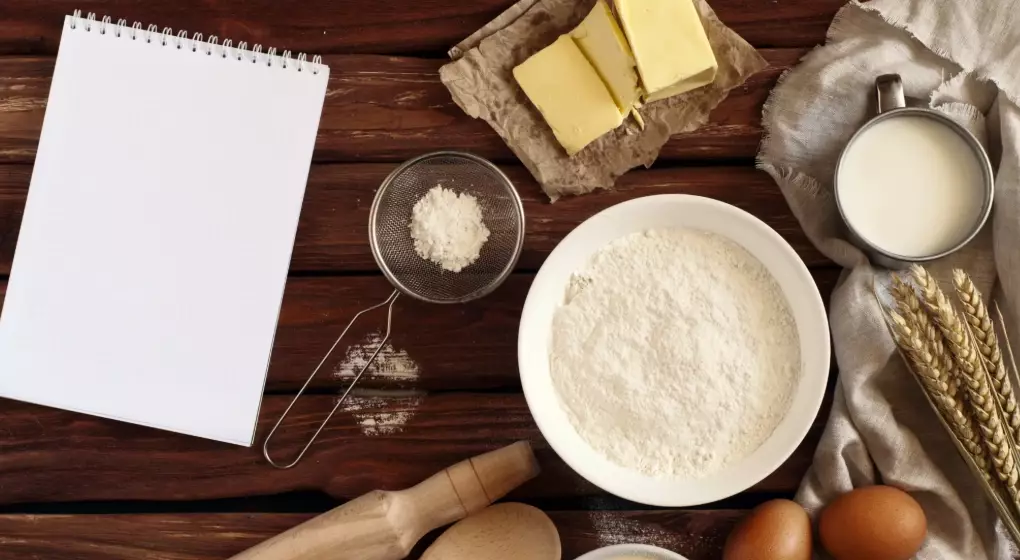
What's inside (skip to what you need)
Why Your Oven Temperature Is Probably Off (And How to Test It)
Most home ovens are off by 20 to 50°F. I bought a $9 oven thermometer from a restaurant supply store after my banana bread came out burnt outside and raw inside. Two weeks later, my oven read 375°F but the thermometer showed 410°F. That gap explains so many baking mistakes to avoid.
Test yours: put an oven thermometer in the center and set to 350°F. Check after 20 minutes. Note the difference. If it runs hot, adjust your dial down. If cold, up. This single habit fixed my cookies' spread and my sponge's rise. According to the USDA Food Safety and Inspection Service, accurate oven temperatures are critical for both safety and quality when baking.
Another thing nobody warns you about: ovens cycle 10–20°F around the set temperature anyway. So preheating longer than 15 minutes is useless. It won't stabilize further. Just get it to temp.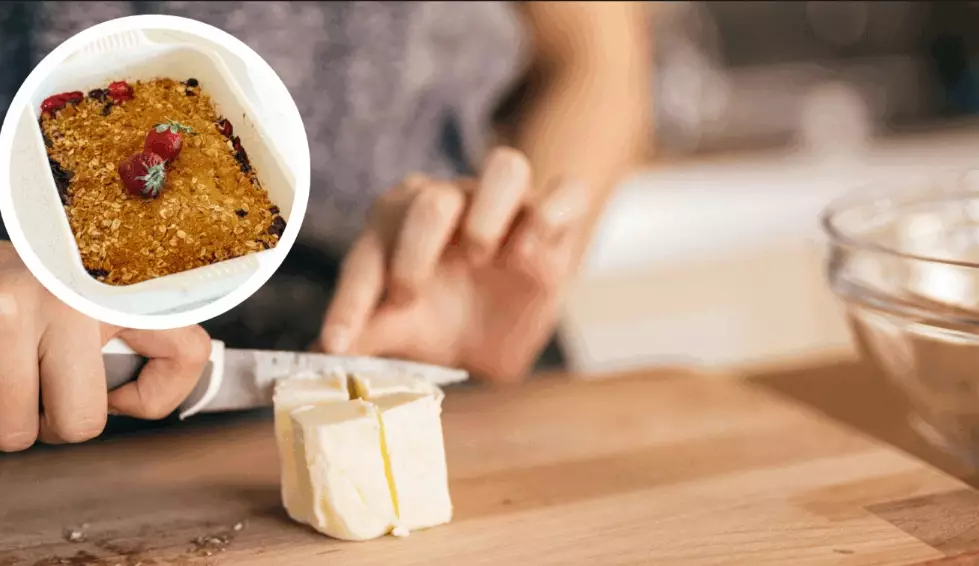
The Cold Ingredients Mistake That Makes Cakes Dense and Grainy
Cold eggs and fridge-cold butter don't cream properly. When you beat cold butter with sugar, it stays lumpy. The sugar doesn't dissolve into the fat, and air pockets don't form. The result? A flat, heavy cake. I learned this the hard way when my vanilla sponge looked like a pancake.
Let eggs sit in warm water for 10 minutes. Cut butter into cubes and leave it on the counter for 30 minutes. It should give when pressed but not melt. Summer kitchen? 15 minutes is enough. Winter? Maybe 45. Don't microwave it. Melted edges ruin the emulsion.
Example: My neighbor's chocolate chip cookies always spread. She used melted butter straight from the microwave. I told her to leave butter out for 30 minutes and beat it with sugar until fluffy. Her next batch stayed thick and chewy.
Overmixing After Adding Flour — The Silent Cake Killer
Once flour hits wet ingredients, gluten starts forming. Stir too long and you get bread-like chewiness in a cake. I saw a home baker mix a pound cake batter for 3 minutes after adding flour. The crumb turned rubbery. Twenty seconds of gentle folding would've been enough.
The fix: stop when you see no dry flour. Lumps are fine. They bake out. For bread, you want gluten—but for cakes, muffins, and pancakes, undermixing beats overmixing every time.
How You Measure Flour Changes Everything
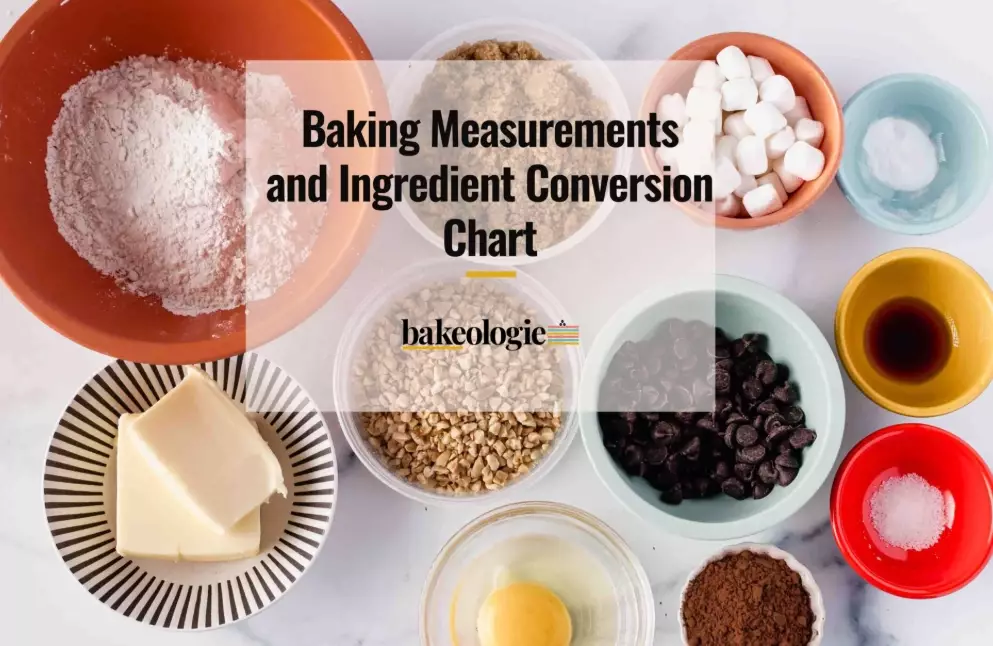
I grabbed a cup straight from the bag with the measuring cup for years. That packs in 20–30% more flour than the recipe expects. Cakes turn dry, bread turns tough. The correct way: spoon flour into the cup, then level with a knife. Or use a kitchen scale. One cup of all-purpose flour should weigh about 120 grams (4.25 oz). I weigh now, and my cakes finally rose evenly.
The King Arthur Baking Company's guide on measuring flour confirms this—spooning and leveling is the gold standard for consistent results.
Opening the Oven Door Too Early: The Fastest Way to Sink a Cake
I know the temptation. You want to see if the cake is rising. At 15 minutes, you crack the door. A gust of cool air hits the center. The structure collapses. That's a sunken cake.
Wait until at least 70% of the baking time has passed. For a 30-minute cake, that's 21 minutes. Use the oven light instead. It's there for a reason.
Wrong Pan Material and Size Ruins Texture
Dark nonstick pans brown faster. Glass pans heat slowly and can cause soggy bottoms. I baked two identical carrot cakes—one in shiny aluminum, one in dark nonstick. The dark pan's crust was almost burnt at the edges while the center was underdone. Now I stick to light-colored aluminum for cakes. It gives the most even heat.
Pan size matters too. A recipe calling for an 8-inch pan in a 9-inch pan means thinner batter, faster bake, dry results. Use the right size or adjust time by 5–10 minutes. The Epicurious guide to baking pans has a handy chart.
You Skip the Recipe's Headnotes—And Miss the Fix
Recipe writers put warnings in the headnote for a reason. "Don't skip the chill time." "Use room temperature dairy." "Weigh your ingredients." I ignored a note about chilling cookie dough once. The cookies spread into greasy puddles. Now I read the headnote first, then ingredients.
Cake vs. Bread: The Fixes Are Different
Cakes need gentleness. Bread needs structure. Some common baking mistakes apply to both—oven temp, measuring—but others are specific. Here's a quick reference from my own trial and error.
| Mistake | Cake symptom | Bread symptom | My fix |
|---|---|---|---|
| Overmixing | Rubbery, dome cracks | Actually good (gluten needed) | Stop at no dry flour for cakes; knead longer for bread |
| Underbaking | Soggy center, collapse | Doughy crumb, pale crust | Use instant-read thermometer: 200–210°F for bread, 205°F for cakes |
| Too much flour | Dry, crumbly | Dense, tight crumb | Spoon and level or weigh |
| Cold oven | Flat, uneven rise | Poor oven spring | Preheat 20 minutes, use thermometer |
One non-consensus point: many baking blogs say to grease and flour pans. I use a simple baking spray with flour already in it (like Baker's Joy). It saved my Bundt cakes from sticking where butter and flour failed. Not glamorous, but it works.
Troubleshooting FAQ
Fact-checked by review against the King Arthur Baking Company flour measurement guide and the USDA's oven safety recommendations.
Comments