Baking Substitutions That Actually Work (No Ruined Cakes)
I once watched a neighbor dump a whole cup of applesauce into a carrot cake because she was out of oil. The cake came out gummy. Dense. Not terrible, but not something you'd serve guests. That moment stuck with me—because most baking substitutions online sound great in theory but collapse in a real kitchen.
After ten years of baking in a cramped apartment oven and teaching weekend classes, I've tested dozens of swaps. Some are heroes. Others are quiet disasters. Here's the honest breakdown.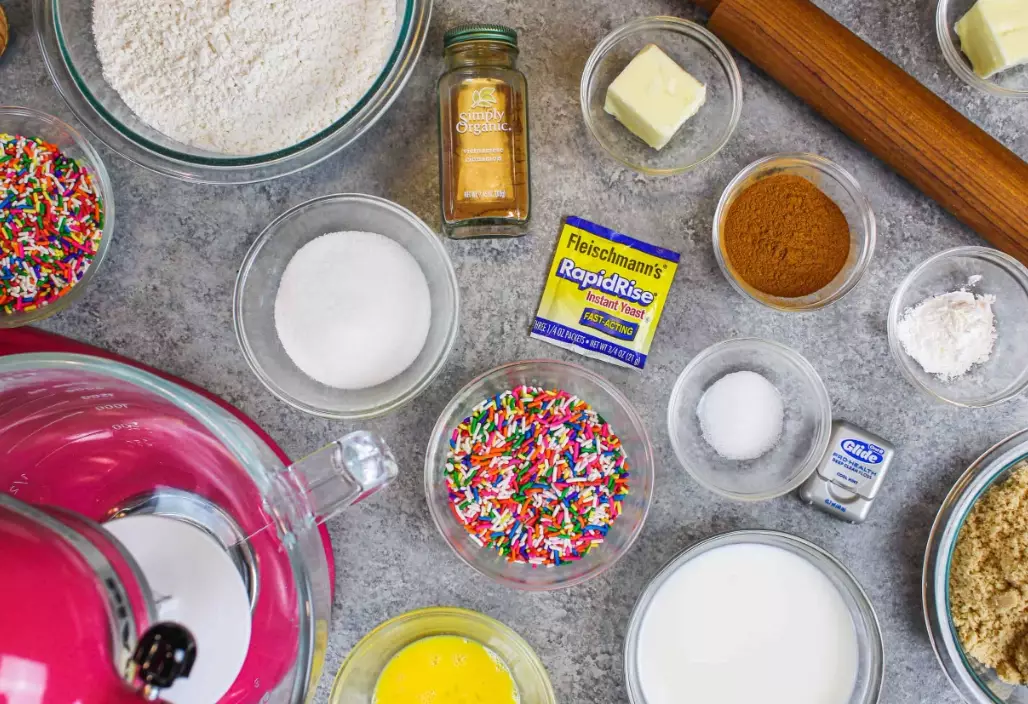
Quick Jump: What You'll Find Here
Egg Substitutes That Won't Wreck Texture
Eggs do three jobs: bind, add moisture, and create structure. No single swap does all three well. That's the trap most recipes don't mention.
For cookies and quick breads (1 egg), I reach for a flax egg: 1 tablespoon ground flaxseed plus 3 tablespoons water, rested five minutes. It binds fine. The flavor is earthy—doesn't bother me in banana bread, but I won't use it in a delicate vanilla cake.
Applesauce (1/2 cup per egg) works in muffins. It adds sweetness and moisture. But here's the non-obvious part: it makes the crumb wet and heavy if you swap more than one egg. I learned that when a batch of blueberry muffins turned out like steamed pudding.
Buttermilk and Dairy Swaps
Buttermilk substitution is the most searched baking swap, and for good reason. It's rarely in my fridge.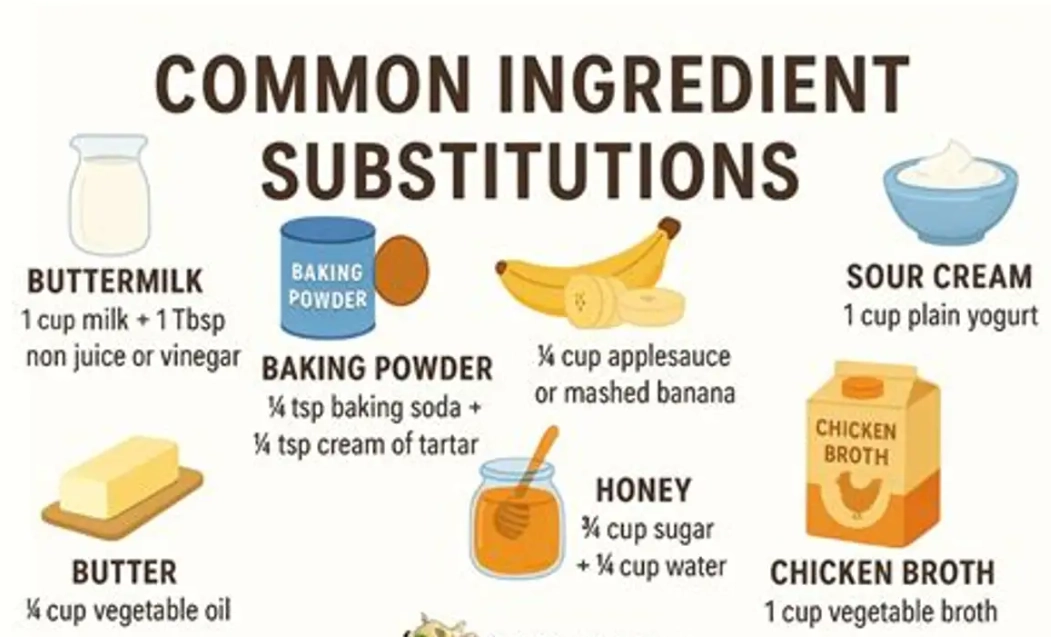
The classic: 1 tablespoon lemon juice or white vinegar in 1 cup milk. Let it sit 10 minutes. It curdles. Works in pancakes and biscuits. But for cakes where buttermilk's tang matters (red velvet, for instance), this swap falls flat. The acid level is lower. I add an extra teaspoon of vinegar to compensate.
Yogurt thinned with milk (3/4 cup yogurt + 1/4 cup milk per cup) gives a richer result. I use full-fat Greek yogurt. It makes pound cake taste almost buttery.
What about sour cream? Same ratio. But don't swap sour cream for buttermilk in recipes that rely on thin batter—it's too thick.
Fat and Sugar Swaps (Proceed With Care)
Oil for butter is not a 1:1 swap in cookies. Butter contains water (about 15%) and melts differently. If you swap oil for butter in a cookie recipe, reduce the oil to 3/4 cup per cup of butter. I tried it once without reducing and got flat, greasy discs.
For quick breads and muffins, oil works fine as a butter substitute. The crust won't brown the same. Accept that.
Sugar swaps: honey is sweeter than sugar. Use 3/4 cup honey per cup sugar, and reduce liquid by 1/4 cup. I've had honey-sweetened cornbread turn out too dark because honey browns fast. Lower the oven temperature by 25°F.
| Original Ingredient | Best Swap | Ratio | Watch Out For |
|---|---|---|---|
| 1 cup buttermilk | Milk + lemon juice | 1 tbsp acid + 1 cup milk | Less tang; add extra acid for cakes |
| 1 egg (binding) | Flax egg | 1 tbsp flax + 3 tbsp water | Earthy flavor; not for delicate cakes |
| 1 cup butter | Oil | 3/4 cup oil | Flat cookies; less browning |
| 1 cup sugar | Honey | 3/4 cup honey + reduce liquid | Browning too fast; lower oven temp |
Leavening Emergencies: What Really Works
Out of baking powder? Mix 1/4 teaspoon baking soda plus 1/2 teaspoon cream of tartar per teaspoon needed. Use immediately—it reacts fast. I once mixed a batch ahead and the biscuits barely rose. Lesson learned.
Out of baking soda? You can't swap baking powder 1:1. Baking powder is weaker. Use three times the amount of baking powder, but expect a metallic taste if the recipe has a lot of acid. For cookies, it's usually fine. For pancakes, I'd rather wait.
What about self-rising flour?
Make your own: 1 cup all-purpose flour + 1 1/2 teaspoons baking powder + 1/4 teaspoon salt. Sift twice. I keep a jar of this mix for lazy Sunday mornings.
Real Questions From My Baking Classes
My cake recipe calls for buttermilk, but I only have regular milk. Will the lemon juice trick make it taste sour?
Not sour—slightly tangy. But if you're making a chocolate cake, the acid actually deepens the chocolate flavor. I've used the lemon-milk swap in chocolate layer cakes for years. No complaints. Just don't skip the resting time; the acid needs those ten minutes to curdle the milk and mimic buttermilk's thickness.
Can I substitute applesauce for eggs in a boxed cake mix?
You can, but the cake turns out denser and sweeter. I tried it with a yellow cake mix—the crumb was moist but almost muffin-like. If you do it, add an extra 1/4 teaspoon baking powder to help lift. And reduce the oil by a tablespoon, since applesauce adds moisture.
What's the worst baking substitution mistake you see?
Swapping Greek yogurt for regular yogurt in a 1:1 ratio without thinning it. Greek yogurt is thicker and has more protein. It makes cakes rubbery. Always thin it with a little milk or water. I learned that the hard way with a lemon loaf that bounced.
Is there a substitute for cream of tartar in baking powder?
Lemon juice works in a pinch—use 1/2 teaspoon lemon juice per 1/8 teaspoon cream of tartar. But it adds liquid, so reduce other liquids slightly. I've done this in pancakes with success. In meringues, skip it. The results are unpredictable.
These swaps come from my own tests, not from a manual. I've burned batches. I've served gummy cakes to patient friends. The table above reflects what I actually keep in my pantry now. If you're ever unsure, remember: one swap per recipe. Changing two things at once is how baking disasters happen.
This article was fact-checked against standard baking ratios from King Arthur Baking and the USDA's food substitution guidelines.


Comments