How to Make Tart Dough: A No-Fail Recipe
What's Inside
Tart dough used to intimidate me. I remember my first attempt—a crumbly mess that refused to roll. After years of trial and error (and a few tears), I've nailed down a reliable method that works every time. If you're searching for how to make tart dough that's flaky, tender, and easy to handle, this recipe is for you. No fancy equipment, no obscure ingredients—just butter, flour, a little sugar, and ice water. Let's dive in.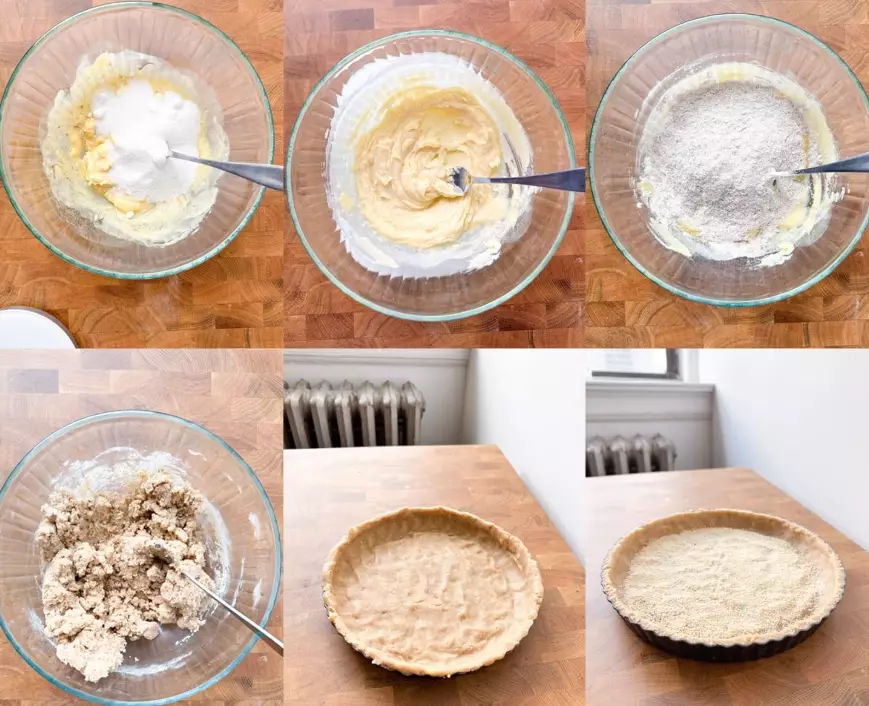
The Only Tart Dough Recipe You'll Need
This recipe makes enough for one 9-inch tart pan. It's a classic pâte sucrée—slightly sweet, rich, and crisp. I've tried many variations, but this one strikes the best balance between flavor and workability.
- All-purpose flour: 1 1/4 cups (150g). Don't use bread flour; it'll make the dough tough.
- Granulated sugar: 2 tablespoons. Adds a subtle sweetness.
- Salt: 1/4 teaspoon. Essential for flavor.
- Unsalted butter: 1/2 cup (113g), cold and cubed. Cold butter is key for flakiness.
- Ice water: 2-3 tablespoons. Start with 2 and add more if needed.
- Egg yolk: 1 large. Adds richness and helps bind.
In a food processor, pulse the flour, sugar, and salt. Add the cold butter and pulse until the mixture resembles coarse crumbs with some pea-sized butter pieces. In a small bowl, whisk the egg yolk with 2 tablespoons of ice water, then drizzle it over the flour mixture. Pulse a few times until the dough just starts to come together. If it's too dry, add more ice water, one teaspoon at a time. Don't over-process—stop as soon as it clumps.
Turn the dough out onto a lightly floured surface and gently knead it a couple of times to bring it together. Shape into a disk, wrap in plastic, and refrigerate for at least 30 minutes. This rest is crucial—it relaxes the gluten and makes rolling easier.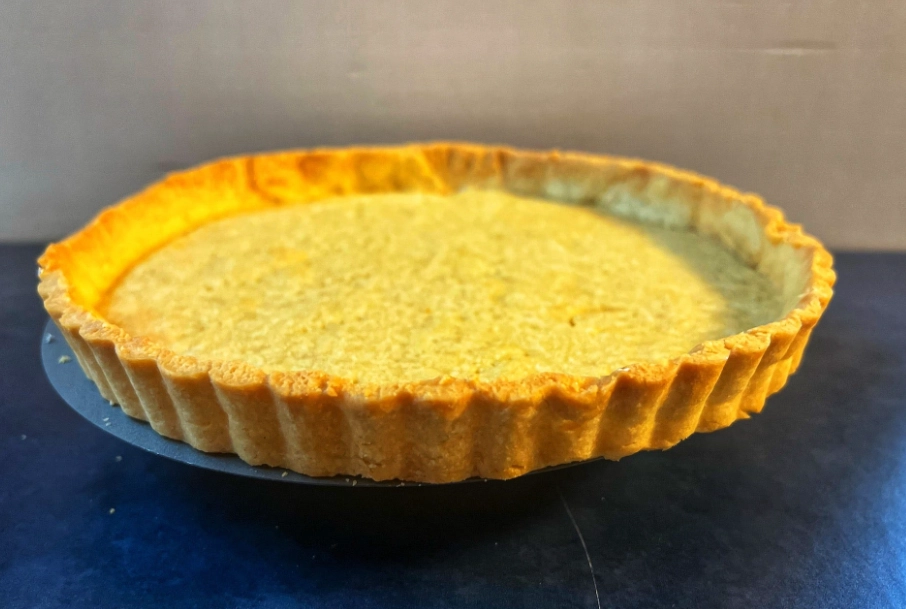
Common Mistakes and How to Avoid Them
Even experienced bakers slip up. Here are the pitfalls I've encountered (and how to fix them):
- Overworking the dough: Overmixing develops gluten, leading to a tough crust. Stop as soon as it comes together.
- Warm butter: If the butter is too warm, the dough becomes greasy and hard to roll. Keep everything cold—chill the bowl and flour if your kitchen is hot.
- Skipping the chill: Chilling the dough firms up the butter and prevents shrinkage during baking. Don't rush this step.
- Rolling too thick: Aim for about 1/8 inch thick. Too thick and the crust won't crisp properly; too thin and it'll tear.
- Not blind baking: Unless your filling is baked, you'll need to blind bake the crust to avoid a soggy bottom.
One time, I tried to speed things up by skipping the chill. The dough shrank dramatically in the oven, leaving me with a lopsided crust. Lesson learned.
Step-by-Step: Making and Rolling Tart Dough
Let's break down the process into actionable steps.
1. Mixing the Dough
Use a food processor for speed, but if you don't have one, a pastry cutter or your fingertips work fine. The key is to work quickly and keep the butter cold. I often freeze the butter for 10 minutes before cubing it.
2. Chilling
Form the dough into a disk, wrap it, and refrigerate for 30 minutes to an hour. You can also freeze it for later use (up to a month).
3. Rolling
Flour your surface and rolling pin lightly. Roll from the center outward, turning the dough occasionally to prevent sticking. If it cracks, don't panic—just press it back together.
4. Fitting into the Pan
Gently drape the dough over the rolling pin and transfer it to the tart pan. Press it into the corners without stretching. Trim the excess by running your rolling pin over the pan's edge. Prick the bottom with a fork to prevent puffing.
5. Chilling Again
Pop the lined pan back into the fridge for 15 minutes before baking. This helps the dough hold its shape.
Blind Baking: When and How
Blind baking means pre-baking the crust without the filling. It's necessary for tarts with no-bake fillings or those that bake quickly. Here's my method:
- Preheat oven to 375°F (190°C).
- Line the chilled crust with parchment paper and fill with pie weights or dried beans.
- Bake for 15 minutes, then remove the weights and parchment. Bake for another 5-10 minutes until golden.
- Cool completely before adding filling.
For a fully baked crust (for wet fillings), bake an extra 5 minutes after removing weights. Keep an eye on it—the edges can brown quickly.
FAQs About Tart Dough
This article was fact-checked for accuracy.

Comments