How to Frost a Cake: Pro Tips for Smooth, Flawless Results
Jump to the good stuff
I've frosted more cakes than I can count—some looked like a hot mess, a few turned out bakery-worthy. The difference wasn't talent. It was knowing a handful of small techniques that no one tells you about. Here's the practical stuff that actually matters when you learn how to frost a cake.
What You Actually Need (and What's Overrated)
Before you touch frosting, get your setup right. Most people skip this and then wonder why the buttercream drags and tears.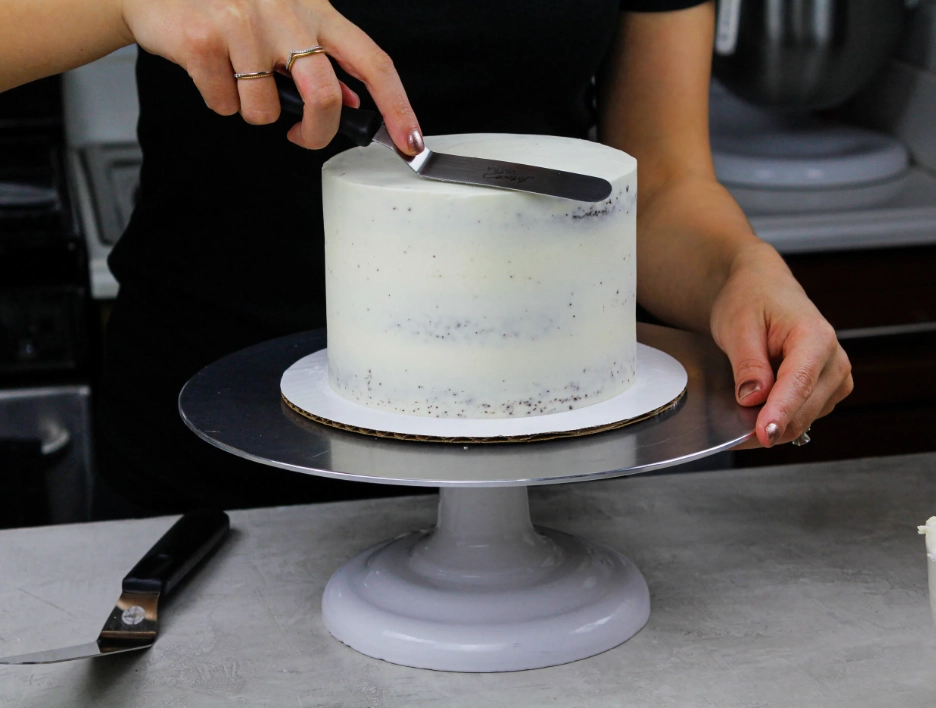
You don't need a fancy turntable, but it helps—I use a cheap plastic one that cost me less than a pizza. An offset spatula (small and large) is non-negotiable. A bench scraper does more for smooth sides than any expensive tool. Piping bags? Only if you're doing decorative work.
Skip the $40 cake comb. A simple bench scraper held at a slight angle gives you a cleaner edge.
- Chilled cake layers—cold cake holds frosting better, period.
- Room-temp buttercream—if it's cold, it'll rip the crumb coat right off.
- A damp towel—for wiping the scraper between passes. This one trick prevents 90% of messy finishes.
One non-consensus tip: don't use a wire cake leveler unless your layers are badly domed. A serrated knife and a steady eye work better for most home bakers. I've seen more uneven tops from levelers than from hand-cutting.
Why a Crumb Coat Changes Everything
A crumb coat is a thin layer of frosting that traps loose crumbs so your final coat stays clean. Skip it and you'll get brown specks in your white buttercream. No amount of smoothing fixes that.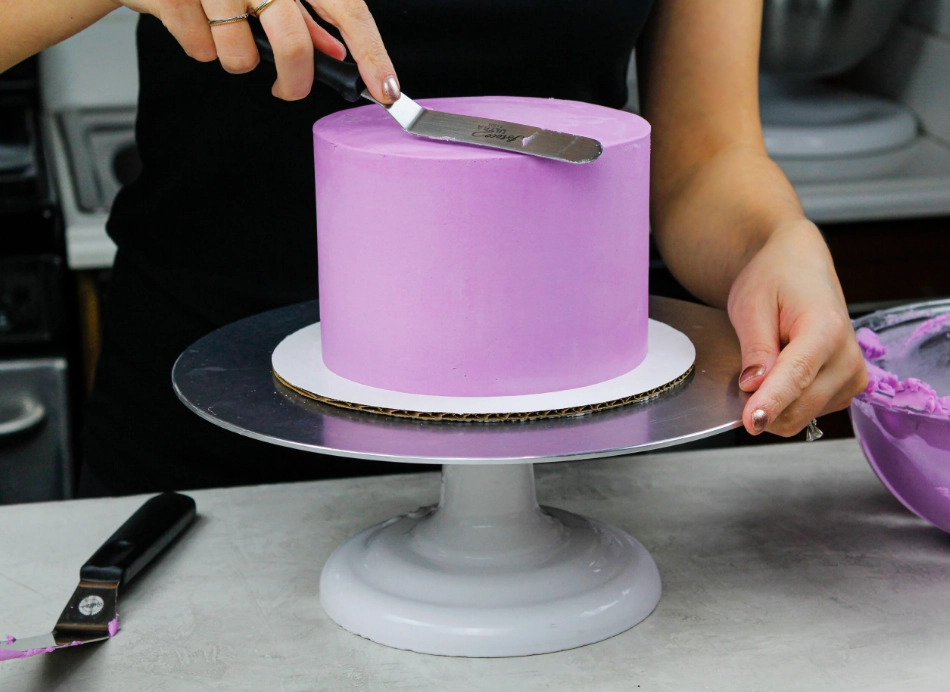
Here's the thing most tutorials gloss over: if your cake is very moist (like carrot cake or a soaked sponge), chill the layers before crumb coating. I learned that the hard way with a lemon syrup cake that slid apart on the turntable.
How to Get That Smooth Buttercream Finish
This is where people get frustrated. The buttercream looks lumpy, the sides have ridges, and nothing seems to fix it.
First, check your buttercream temperature. It should be soft enough to spread but not melting. If it's too stiff, add a teaspoon of milk or cream and mix again. If it's too soft, chill the bowl for 10 minutes and rewhip.
Apply a thicker layer than you think you need—about 1/4 inch on top and sides. Then use your bench scraper at a 45-degree angle, pressing gently against the side. Scrape upward in one motion. Wipe the scraper clean each time.
For the top edge, drag the scraper from the outside edge inward. Don't overwork it. Two or three passes max. The more you fuss, the worse it looks.
| Problem | Likely Cause | Quick Fix |
|---|---|---|
| Lumpy buttercream | Cold butter or powdered sugar clumps | Whip longer at low speed; sift sugar next time |
| Ridges on sides | Dragging scraper at wrong angle | Hold scraper 45°, press lightly, wipe clean between passes |
| Frosting sliding off | Cake not chilled or frosting too warm | Chill cake 20 min; rewhip frosting with a spoon of powdered sugar |
| Uneven top edge | Too much frosting on top | Scrape excess toward center then re-smooth |
Edges, Swirls, and the 80/20 Rule
Perfectly sharp edges are overrated. I said it. Most people obsess over razor-sharp cake edges, but a slightly softened edge looks homemade in a good way. Plus, sharp edges often mean dry cake because you've trimmed and chilled it to death.
Want swirls? Use the back of a spoon or a small offset spatula. Dab gently and lift. Don't drag. The motion is press and pull up, not smear.
For a rustic finish, leave small imperfections. A little swoop here and there reads as intentional. I've had more compliments on cakes with soft, uneven tops than on my perfectly flat ones.
If you're piping a border, do it after the final smooth coat and chill for 10 minutes first. Warm frosting won't hold a shape.
Common Frosting Mistakes I See All the Time
I've taught dozens of friends and family to frost cakes, and the same mistakes pop up over and over.
- Frosting a warm cake. Even slightly warm cake will melt your buttercream. Wait until the cake is completely cool—room temp or chilled.
- Overmixing the buttercream. Stop as soon as it's smooth. Extra mixing adds air and makes it look grainy.
- Using cold buttercream. It rips the cake surface. Let it sit out for 15 minutes and stir before using.
- Skipping the chill between coats. The crumb coat needs time to set. Rushing leads to sliding layers.
One mistake that rarely gets mentioned: using the wrong frosting for the cake. Cream cheese frosting is too soft for tall layer cakes without extra chilling. Swiss meringue buttercream is stable but finicky with temperature. American buttercream is forgiving but sweet. Match your frosting to your ambition.
Real Questions from Real Bakers
At the end of the day, frosting a cake is about patience. Chill when you want to rush. Wipe your scraper. Use your hands to feel the surface. The cake doesn't have to look perfect—it has to taste good and feel like you made it with care.
This article was fact-checked against standard baking guidelines from King Arthur Baking and the American Butter Institute.
Comments