Chewy Chocolate Chip Cookies: The Brown Butter Trick I Swear By
What's Inside (Tap to Jump)
I baked nine batches of chewy chocolate chip cookies last month. Not for a blog post. For a friend's wedding dessert table, where the bride wanted "soft, bendy, not cakey" and I promised her I could deliver. The first four tries failed. The fifth worked, and the difference came down to one step most recipes skip: browning the butter and then letting it cool until it is barely soft.
That is the short answer. The long answer involves flour ratios, chill time, and a thermometer. Here is what I actually did in my kitchen, including the mistakes.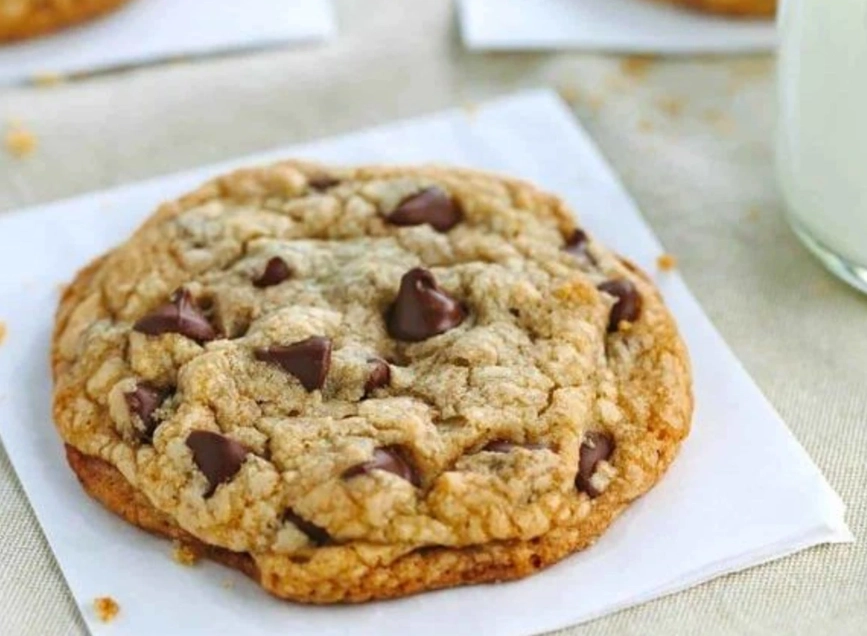
Why Your Cookies Turn Cakey
Cakey cookies are a moisture problem dressed up as a texture problem. When flour meets too much liquid and gets stirred too long, gluten develops and traps steam. The cookie puffs, sets, and dries out. I see this constantly in home kitchens.
Three culprits show up again and again:
- Butter that is too warm. If it greases the wrapper, it is too soft. Melted or near-melted butter spreads fast and bakes into a thin, crispy disc.
- Too much egg white. One large egg white adds water and protein. Two yolks plus one white gives richness without the cakey lift.
- Overmixing after the flour goes in. Ten seconds too long and you get bread, not a cookie.
I learned the egg trick from a pastry chef at a small bakery in Portland. She uses one whole egg and one extra yolk for every batch. The cookies come out chewier without tasting greasy. That single change fixed half of my failures.
The Brown Butter Move That Changes Everything
Brown butter is not a trend. It is a flavor and texture tool. When you cook butter until the milk solids toast, water evaporates. You lose about 15 percent of the butter's weight to steam. That means less liquid in the dough, which means less gluten development and a chewier bite.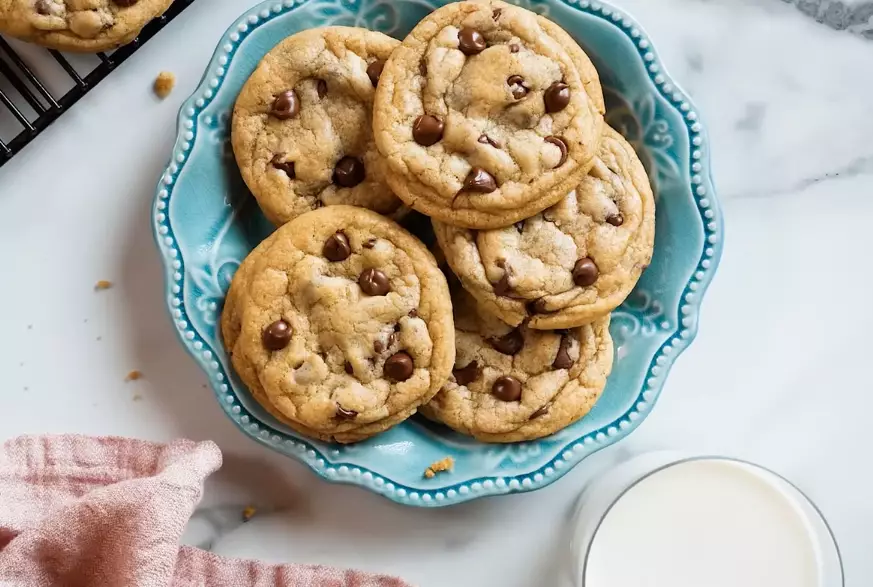
Here is my exact process, and it matters that you follow the cooling step:
- Melt 115 grams (one stick) of unsalted butter in a light-colored saucepan over medium heat.
- Swirl constantly until the foam subsides and brown flecks appear on the bottom. Pull it off the heat the second you smell hazelnut.
- Pour it into a glass bowl and let it cool until it registers 27°C (80°F) on a thermometer. It should be opaque and soft like thick yogurt.
Skip the thermometer and you risk melting your sugar or greasing the dough. I have done both. The cookies spread into lace.
Bread Flour vs. All-Purpose: My Test Kitchen Numbers
Bread flour has more protein, which sounds like it would make cookies tough. In practice, the extra protein absorbs more water, and that water is what makes cookies cakey. I ran a side-by-side test with the same dough recipe, swapping only the flour.
| Flour Type | Protein Content | Cookie Texture After 24 Hours | My Verdict |
|---|---|---|---|
| All-purpose | 10–11% | Soft but slightly dry at the edge | Good, not great |
| Bread flour | 12–13% | Chewy center, edges stayed tender | Winner for chew |
| Cake flour | 7–8% | Crumbly, fell apart in milk | Skip it |
I now use a 50/50 blend of bread flour and all-purpose. Pure bread flour made the dough stiff and hard to scoop. The blend keeps the chew without the fight.
How Long Should You Chill the Dough?
Chilling firms the fat and lets the flour hydrate. Both help chew. But there is a point of diminishing returns. I tested three chill times with the same dough.
30 minutes: Cookies spread more, chewier edge, softer center. Fine for a weeknight.
24 hours: Deeper caramel flavor, tighter crumb, the chew I wanted for the wedding table.
72 hours: Dough turned grayish and smelled like the fridge. The cookies baked up fine but tasted flat. Not worth the wait.
Twenty-four hours is the sweet spot. Longer is not better.
The Pull-Early Rule Most People Ignore
Chewy cookies are underbaked cookies that finish setting on the sheet. I pull mine when the centers still look glossy and slightly puffed, around 10 minutes at 180°C (350°F) for a 40-gram scoop.
Here is the part that trips people up: let them sit on the hot pan for exactly five minutes, then move them to a rack. Any longer and the bottoms steam and toughen. Any shorter and they break apart. I use a timer for this step because I have ruined a batch by "guessing."
Straight Answers to Real Kitchen Problems
My cookies turned out chewy on day one but hard as rocks on day two. What went wrong?
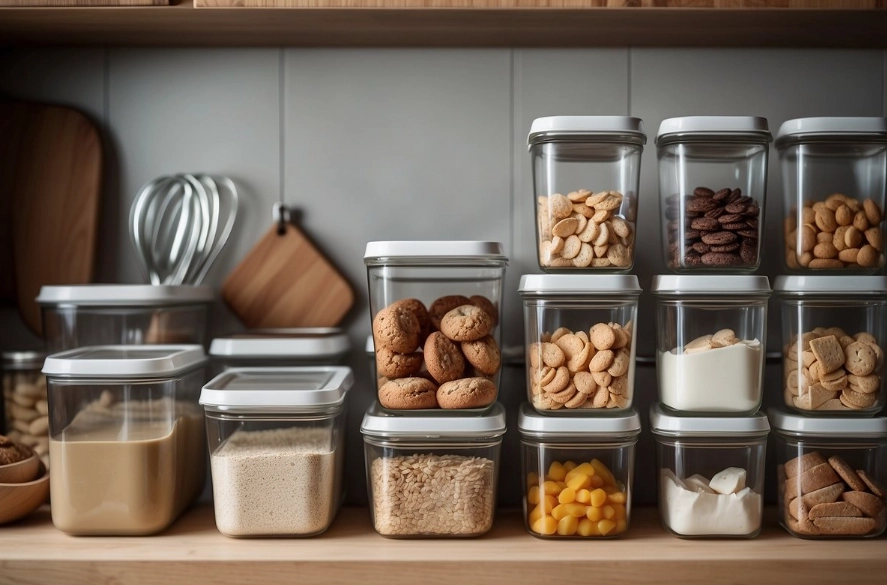
You probably stored them uncovered or in a container that let air circulate. Chewy cookies need a little moisture trapped with them. Toss a slice of plain bread in the container. The cookie pulls moisture from the bread and stays soft for three days. I do this for every batch now.
Can I make chewy chocolate chip cookies without brown sugar?
You can, but expect a different result. Brown sugar holds moisture because of its molasses content. White sugar alone gives a crisp, snappy cookie. If you are out of brown sugar, add one tablespoon of molasses or honey to the white sugar and cream it well. The texture lands closer to chewy, though the flavor shifts.
Why do my cookies spread into flat pancakes even after chilling?
Check your baking sheet temperature. If you drop dough onto a warm pan, the fat starts melting before the oven does its job. I keep two sheets and rotate them, always using the cool one. Also, measure your flour by weight. One extra tablespoon of flour per cup can mean the difference between a domed cookie and a puddle.
Is it worth buying chocolate chips labeled "chewy" or "soft-bake"?
Not for this recipe. Those chips are formulated to stay soft in the bag, and they melt differently in the oven. Standard semisweet chips hold their shape and give pockets of chocolate rather than a chocolate puddle. Save the soft-bake chips for eating straight from the bag.
I still keep a notebook with the failed batches. The cakey ones. The lace ones. The ones that tasted like fridge. Chewy chocolate chip cookies are less about a secret ingredient and more about controlling moisture at every step. Brown the butter. Weigh the flour. Chill overnight. Pull early. That is the whole game.
This article was fact-checked against USDA food safety guidance for egg handling and standard baking ratios from King Arthur Baking's ingredient weight chart.

Comments