Let's be honest. You searched for baking soda methods and got cold feet. Maybe you tried it once and felt that gritty, unpleasant texture. Or you have sensitive teeth and the mere thought of abrasion makes you wince. I get it. Baking soda is the internet's favorite quick fix, but it's not for everyone. The good news? You have a whole pantry of gentler, effective alternatives for natural teeth whitening at home.
This guide skips the hype and gets straight to what works. We'll explore ingredients you likely already have, bust some dangerous myths (please, no lemon juice scrubs), and build a sustainable routine that brightens your smile without damaging your enamel.
What's Inside?
Why You Might Want to Skip Baking Soda
Baking soda (sodium bicarbonate) is a mild abrasive. It can help scrub away surface stains from coffee, tea, or wine. The American Dental Association (ADA) notes it's generally safe for occasional use. But here's the nuance most articles miss: "mild" is relative.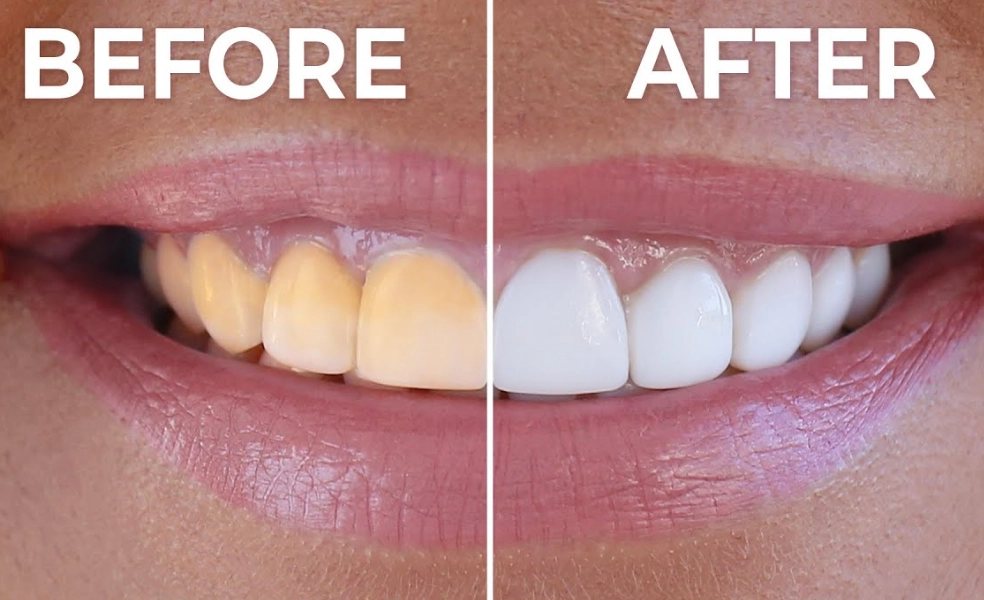
If you brush too hard, use it too often (more than 2-3 times a week), or already have thin enamel or receding gums, that mild abrasion becomes problematic. It can wear down enamel over time, making teeth look yellower (yes, yellower) as the darker dentin underneath shows through. It also does nothing for intrinsic stains inside the tooth.
So, if you have sensitivity, existing enamel wear, or just prefer a less abrasive approach, the following methods are your new best friends.
Your Natural Whitening Ingredient Toolkit
Forget complicated recipes. These methods focus on either gentle stain removal or creating an oral environment that prevents staining in the first place.
1. Oil Pulling: The Ancient Plaque Fighter
This isn't a direct whitener like bleach. Think of it as a deep clean. Swishing a tablespoon of coconut oil (or sesame oil) in your mouth for 10-20 minutes helps reduce plaque and bacteria, like *Streptococcus mutans*, which can contribute to staining and decay. A cleaner mouth naturally looks brighter.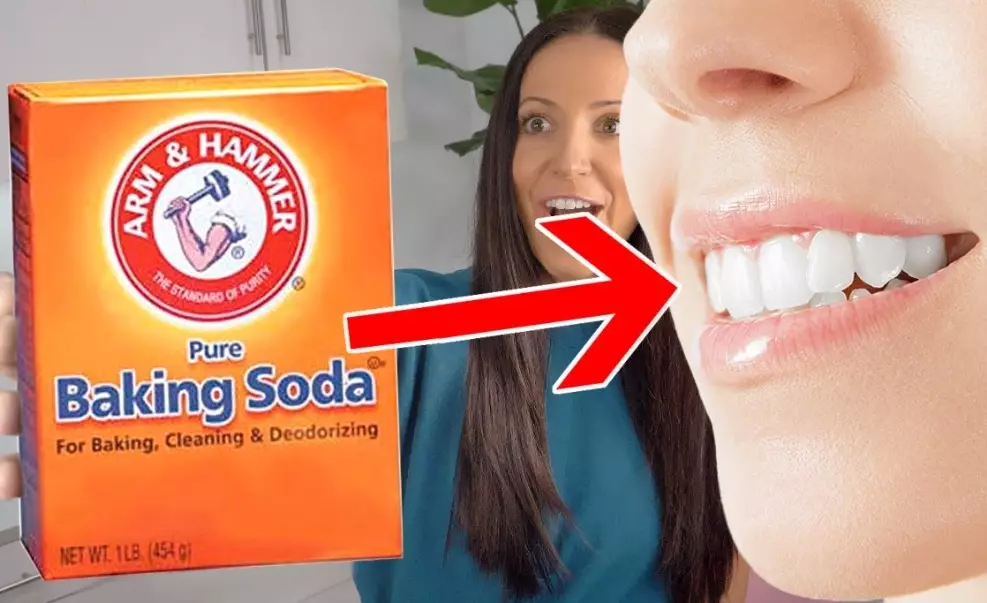
2. The Strawberry & Salt Scrub (The Gentle Abrasive)
Strawberries contain malic acid, a natural astringent that can help break down surface stains. Combined with a tiny pinch of fine sea salt, it creates a much gentler paste than baking soda. The key is the tiny pinch of salt—just enough for texture.
Mash one ripe strawberry, mix in the smallest pinch of salt, apply to teeth with a soft brush or finger, leave for 5 minutes, then rinse thoroughly. Follow with fluoride toothpaste to re-mineralize. Limit this to once a week.
3. Activated Charcoal: Handle With Care
This is controversial. Activated charcoal is highly absorbent and can bind to surface stains. However, it's also abrasive. If you choose to try it, use a high-quality, food-grade powder. Wet your toothbrush, dip the very tips of the bristles into the powder (you need less than you think), brush gently for 2 minutes max, and rinse extensively. Do this no more than once a month. It's not for daily use and can be messy.
4. Banana Peel: The Potassium Boost
This sounds weird, but it's incredibly gentle. The inside of a banana peel is rich in minerals like potassium, magnesium, and manganese, which some believe can help absorb into surface enamel, making it appear smoother and more reflective to light. Rub the inner white part of a fresh peel on your teeth for about 2 minutes daily. It won't bleach, but it may help reduce superficial stains with zero abrasion. Perfect for sensitive teeth.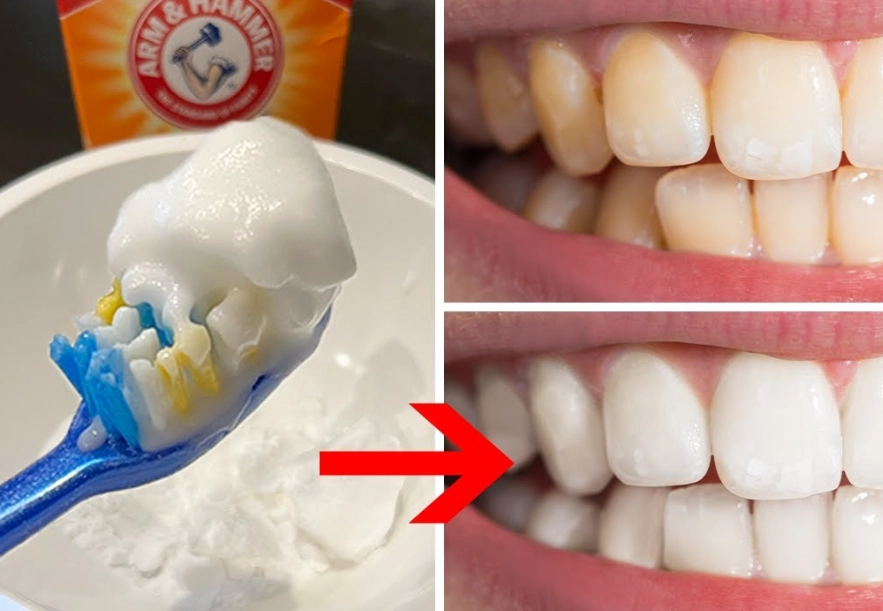
5. Dietary Power Plays
What you eat cleans as you chew. Crunchy, water-rich fruits and vegetables like apples, celery, carrots, and cauliflower act like natural toothbrushes, stimulating saliva (nature's mouthwash) and scrubbing away plaque. Eating them at the end of a meal can help clear debris.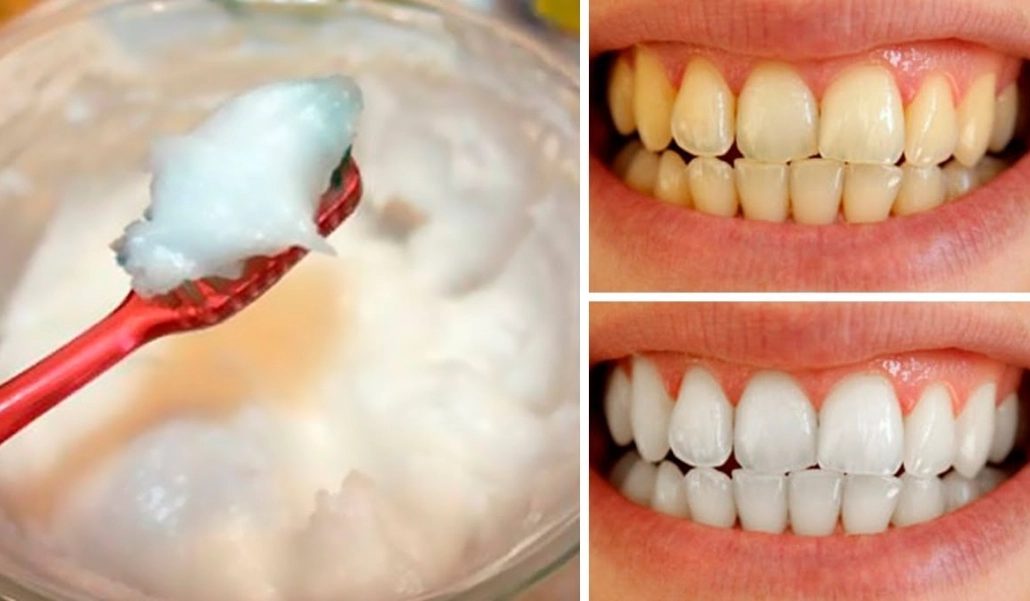
Here’s a quick comparison of these core methods:
| Method | Primary Action | Frequency | Best For | Realistic Expectation |
|---|---|---|---|---|
| Oil Pulling | Reduces plaque/bacteria | 3-4x/week | Long-term oral health & subtle brightening | Cleaner feel, slightly brighter smile over 1+ month |
| Strawberry & Salt | Gentle stain removal | 1x/week | Targeting recent surface stains (coffee/wine) | Mild brightening after a few uses |
| Activated Charcoal | Adsorbs surface stains | 1x/month max | Occasional deep clean (non-sensitive teeth) | Immediate but temporary polish effect |
| Banana Peel | Polishes enamel surface | Daily | Extremely sensitive teeth, maintenance | Very subtle shine, no dramatic whitening |
| Crunchy Veggies | Mechanical cleaning, saliva boost | With meals | Everyone, as a preventive habit | Prevents new stains from setting |
Daily Habits for a Whiter Smile
The real magic happens in your daily routine. No weekly treatment can outpace poor daily habits.
Your Toothpaste Matters: Use a fluoride toothpaste with a gentle whitening agent like hydrated silica. Look for the ADA Seal of Acceptance. Fluoride strengthens enamel, making it more resistant to stains and acid.
Brushing Technique is Everything: A soft-bristled brush, held at a 45-degree angle to your gums, using short, gentle strokes. Brushing too hard is a major cause of enamel wear and gum recession. Electric toothbrushes with pressure sensors are great for this.
Don't Skip the Tongue: A coated tongue harbors bacteria that transfer back to teeth. Brush or scrape your tongue daily.
Rinse After Staining Foods/Drinks: Swish with water immediately after coffee, red wine, or berries. Wait 30 minutes before brushing to let softened enamel re-harden.
Consider a Whitening Mouthwash: An over-the-counter whitening mouthwash used daily can help maintain results by fighting stain-causing bacteria. It's a slow but steady aid.
Common Mistakes & What to Avoid Completely
I've seen people ruin their enamel with good intentions. Here's the hard truth.
Overdoing Any Method: More is not better. Even gentle methods can cause harm if used excessively. Stick to the recommended frequencies.
Ignoring the Cause of Stains: If your stains are deep (tetracycline antibiotics, fluorosis) or from within the tooth, no surface method will work. You need professional consultation for internal bleaching or veneers.
Expecting Overnight Miracles: Natural methods are gradual. Expect changes over weeks, not days. Consistency beats intensity.