Quick Navigation
Let's talk about lemon water. It's everywhere. Your friend swears by it for digestion, that wellness influencer can't start their day without it, and you've probably tried it yourself, tempted by promises of vitamin C and a "cleanse." But then you hear a whisper, a nagging doubt – could this tangy, healthy-seeming habit be secretly attacking your teeth?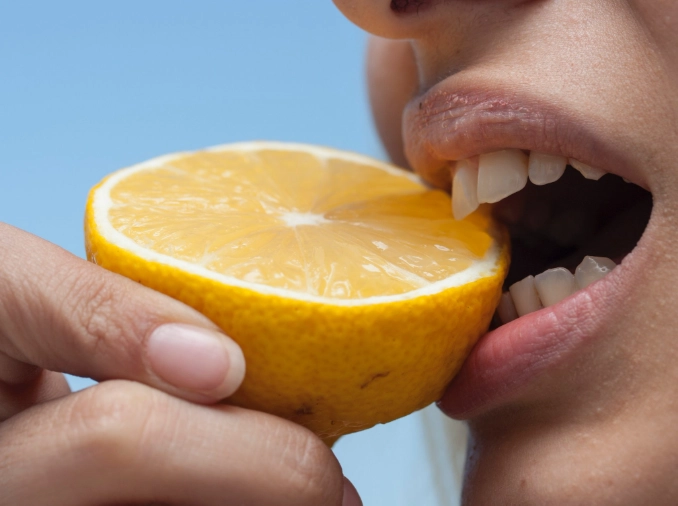
I was right there with you. I jumped on the lemon water bandwagon a few years back, squeezing a full half lemon into my warm morning glass. It felt virtuous. Until about three months in, I noticed a strange, almost translucent thinness near the tips of my front teeth and a new, sharp zing when I sipped anything cold. My dentist took one look and asked, "Are you drinking a lot of lemon juice?" That's when my deep dive into the question, how much lemon is bad for your teeth, truly began.
The short, frustrating answer is: it's complicated. There's no universal "one glass a day is fine" rule. It's less about a single magic number and more about understanding a chemical process, your own oral environment, and a bunch of little habits that add up. This isn't about fear-mongering and telling you to never touch a lemon again. It's about smart, informed enjoyment so you can get the benefits without the dental bills.
Why Lemon Juice is a Dental Double-Agent
To figure out how much lemon is bad for your teeth, you first need to know what you're up against. The damage comes from two main fronts, and they often work together.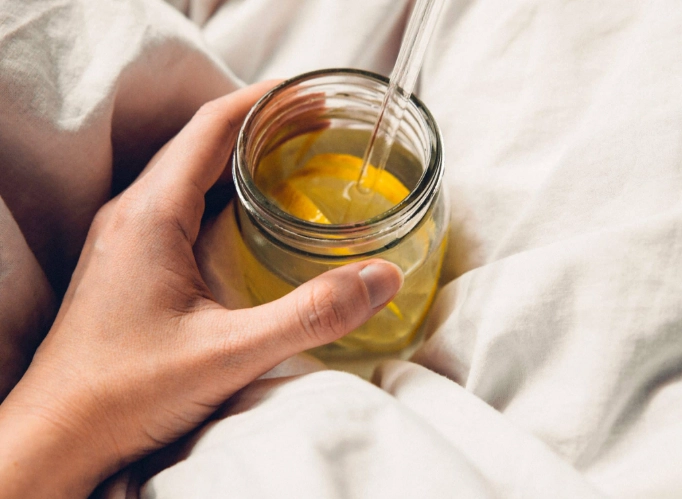
The Acid Attack (Erosion)
This is the big one. Your tooth enamel is the hardest substance in your body, but its kryptonite is acid. Citric acid, the primary acid in lemons, softens the enamel surface. Think of it like pouring a mild acid on a seashell – it doesn't dissolve it instantly, but it makes it softer, more porous, and more vulnerable.
When enamel erodes, teeth can look yellower (because the darker dentin underneath shows through), become sensitive (as the protective layer thins), and get those rough, translucent edges I experienced. The American Dental Association lists acidic foods and drinks as a primary cause of dental erosion. A study published through the National Institutes of Health's library, NCBI, details how citric acid solutions can significantly reduce enamel surface hardness. This isn't speculation; it's well-documented chemistry.
The Sugar Sidekick (Cavities)
People forget lemons contain sugar. Not a lot, but enough. A wedge of lemon has about 0.2-0.3 grams of sugar. While the acid is directly softening the enamel, oral bacteria (like *Streptococcus mutans*) feast on any available sugar, producing *more* acid as a waste product. So you get a double acid whammy – direct from the lemon, and secondary from the bacteria. If you're adding honey or sugar to your lemon water, you're dramatically escalating this risk.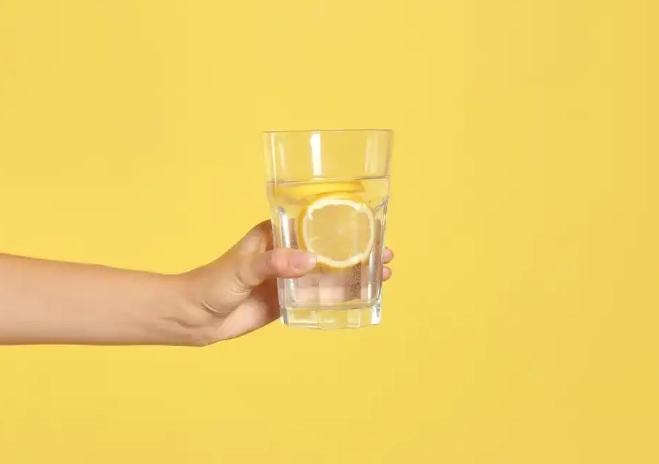
So, the real question morphs. It's not just "how much lemon," but "how much acid exposure under what conditions?"
The "How Much" Factors: It's Not Just the Lemon
Here’s where we get into the nitty-gritty. A single drop of lemon juice won't doom your smile. A daily habit of poorly managed consumption might. These variables determine where your personal line is.
- Concentration & Form: Straight lemon juice vs. a diluted splash in a large pitcher of water? Huge difference. Lemon in hot water (which can slightly increase acid reactivity) vs. cold? Matters. Lemon candies or powders that sit on teeth are far worse than a diluted drink.
- Frequency & "Sipping Time": This is arguably more important than sheer volume. Nursing one acidic drink all morning is a disaster. Your mouth's pH stays low for hours, never giving saliva a chance to neutralize and remineralize. One glass finished in 10 minutes is much less harmful than sipping for 90.
- Oral Hygiene Timing: Brushing your teeth immediately after lemon exposure is one of the worst things you can do. You're scrubbing acid into softened enamel, acting like sandpaper on wet wood. Wait at least 30-60 minutes.
- Individual Susceptibility: Some people naturally have thicker enamel or more robust saliva (nature's best defense, which buffers acid and carries minerals back to teeth). If you already have sensitivity, recession, or dry mouth, your tolerance is much lower.
See? Asking how much lemon is bad for your teeth is like asking how much sun is bad for your skin. For someone with fair skin at noon, not much. For someone with protection in the morning, more is okay. Context is king.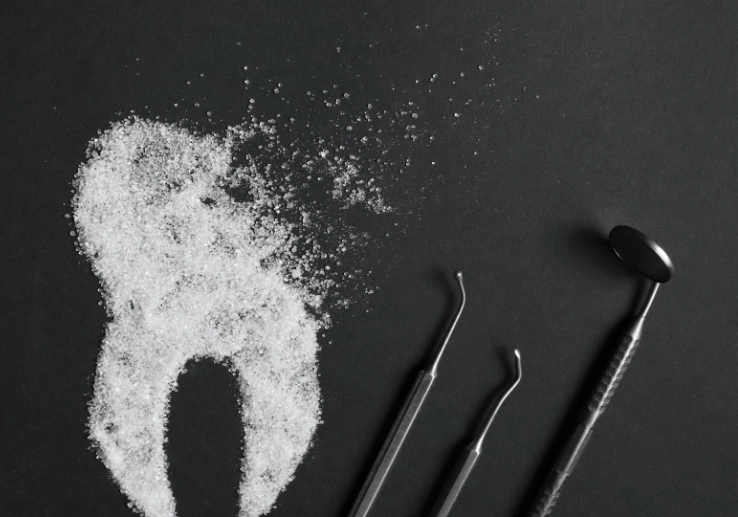
A Practical Guide: Safe(r) Consumption & Damage Control
Okay, so you love lemon water and don't want to give it up. I don't blame you. Here’s how to enjoy it intelligently. Think of these as harm-reduction strategies.
- Dilute, Dilute, Dilute: Use a small wedge or a few drops in a large glass (12+ oz) of water. The more diluted, the better.
- Use a Straw: A simple, game-changing tip. A reusable straw directs the liquid past your front teeth, minimizing contact with enamel surfaces.
- Drink It Quickly: Don't savor it for an hour. Finish your glass within a 15-20 minute window to limit acid exposure time.
- Follow with Plain Water: Swish with and drink some plain water immediately after. This helps rinse away acid and sugars, helping to normalize your mouth's pH faster.
- Timing is Everything: Have it with a meal. The food helps neutralize acid and stimulates protective saliva flow. Avoid it as a last drink before bed.
- Wait to Brush: Seriously, wait at least 30 minutes after consumption before brushing your teeth.
Now, let's put some of this in a table to compare risk levels. This isn't exhaustive, but it gives you a visual on the spectrum.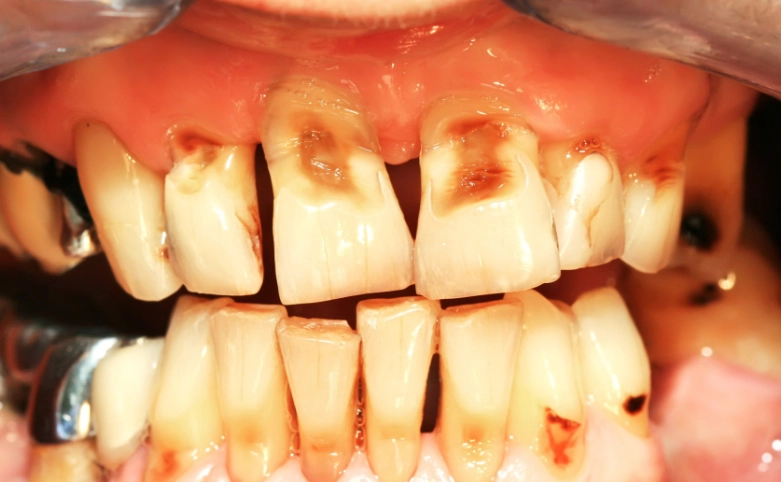
| Lemon Habit | Relative Risk to Teeth | Why & Key Factor |
|---|---|---|
| Sucking on lemon wedges | Very High | Prolonged, concentrated acid bath directly on teeth. The worst offender. |
| Daily undiluted lemon "shot" | High | High concentration, though brief. Frequent exposure adds up. |
| Lemon juice in hot water, sipped slowly each morning | High | Heat, concentration, and long sipping time create a perfect erosion storm. |
| Diluted lemon water (1 wedge in 16oz), drunk quickly with a straw, with meals | Low to Moderate | Dilution, reduced contact time, and meal buffers significantly lower risk. |
| Occasional lemon garnish on food or in a large pitcher of water | Very Low | Minimal concentration and infrequent exposure pose negligible risk for most. |
Looking at that table, you can start to answer how much lemon is bad for your teeth for your own routine. It's about moving your habits from the red zone to the green zone.
Your Dental Defense Toolkit: Beyond Just Avoiding Lemon
If you're going to occasionally cross into the "moderate risk" zone, you need to actively support your enamel. It's not just about defense; it's about active repair through remineralization.
Saliva is Your Best Friend. Chewing sugar-free gum (with xylitol) after an acidic drink stimulates saliva flow, which is nature's way of washing away acid and delivering calcium and phosphate back to your enamel.
Fluoride is Non-Negotiable. Use a fluoride toothpaste. Fluoride integrates into the enamel structure, making it more resistant to acid attacks. Consider an occasional fluoride mouthwash (used at a different time than brushing, not right after lemon). The U.S. Centers for Disease Control and Prevention (CDC) hails community water fluoridation as a major public health achievement for preventing tooth decay.
Calcium and Phosphate. Some toothpastes and mouth rinses contain these minerals (like calcium phosphate or NovaMin) that can directly aid the remineralization process. Having a bit of cheese or milk after an acidic exposure can also help, as they are rich in calcium and phosphate and are basic, helping to neutralize acid.
Answering Your Burning Questions (FAQs)


The Bottom Line: A Realistic, Un-Hysterical Take
After all this research and my own dental scare, here's my personal, non-professional but well-researched conclusion.
For most people with healthy teeth, moderate, intelligent consumption of lemon water is unlikely to cause catastrophic damage. The problem arises when it becomes a daily, concentrated, prolonged ritual done with no protective measures. That's where you cross the line from a benign habit into a significant risk factor for enamel erosion.
The question how much lemon is bad for your teeth is best answered with another question: "What's your overall routine?" A single strong glass once a week is probably fine. A weak, daily glass guzzled quickly with a straw is probably okay for many. A strong, hot, slowly-sipped daily morning drink? That's the recipe for trouble.
Listen to your teeth. Sensitivity is a warning sign. Translucency is a warning sign. Don't ignore them like I did. And for heaven's sake, tell your dentist about your dietary habits. They can look for early signs of erosion and give you personalized advice, which is always better than generic internet advice (yes, even this article!).
You don't have to live in fear of lemons. Just respect the chemistry. Enjoy the flavor, but don't let a trend undermine the foundation of your smile. Be smart, be informed, and you can likely have your lemon water and drink it too.