You're up at 2 AM with a throbbing toothache. The dentist's office is closed. In your desperate search for relief, you stumble upon something called the "3-3-3 rule for toothache." It sounds simple, almost too good to be true. As someone who's seen countless patients in dental distress, let me break down what this rule actually is, when it might offer a sliver of comfort, and—more importantly—when it's a dangerous distraction from the real problem.
What You'll Find in This Guide
- The 3-3-3 Rule Explained: A Step-by-Step Breakdown
- Does It Work? The Science (and Limitations) Behind the Rule
- The One Mistake Everyone Makes with the 3-3-3 Rule
- Beyond 3-3-3: More Reliable Home Remedies for Tooth Pain
- Red Flags: When to Ditch the Home Remedies and Call the Dentist
- Your Toothache Questions, Answered
The 3-3-3 Rule Explained: A Step-by-Step Breakdown
Let's get straight to the point. The 3-3-3 rule is a viral home remedy sequence designed for temporary toothache management. It's not a cure. Think of it as a structured first-aid protocol you can try while figuring out your next move.
The rule prescribes three specific actions, each lasting three minutes, with a three-minute rest in between. Here’s the exact sequence:
- First 3 Minutes: Salt Water Rinse. Mix about half a teaspoon of table salt into a cup of warm (not hot) water. Swish this solution vigorously around the painful tooth and the surrounding gums for a full three minutes. The goal is to dislodge any trapped food particles and reduce superficial inflammation.
- 3-Minute Rest. Spit out the salt water and do nothing for three minutes. Just wait. This pause is meant to let the initial effects settle.
- Second 3 Minutes: Cold Compress. Apply an ice pack or a bag of frozen peas wrapped in a thin cloth to the cheek area nearest the painful tooth. Hold it there for three minutes. This aims to constrict blood vessels, reducing swelling and numbing the nerve signals temporarily.
- 3-Minute Rest. Remove the compress and take another three-minute break.
- Third 3 Minutes: Clove Oil Application. This is the most specific step. Dip a cotton swab or a small piece of cotton ball into clove oil (eugenol). Gently dab it directly onto the sore gum around the tooth, avoiding the tongue and other tissues. Hold it in place for three minutes. Clove oil contains eugenol, a natural anesthetic and antiseptic.
The entire process takes about 15 minutes. Proponents claim it can "reset" the pain signals or provide significant relief for several hours.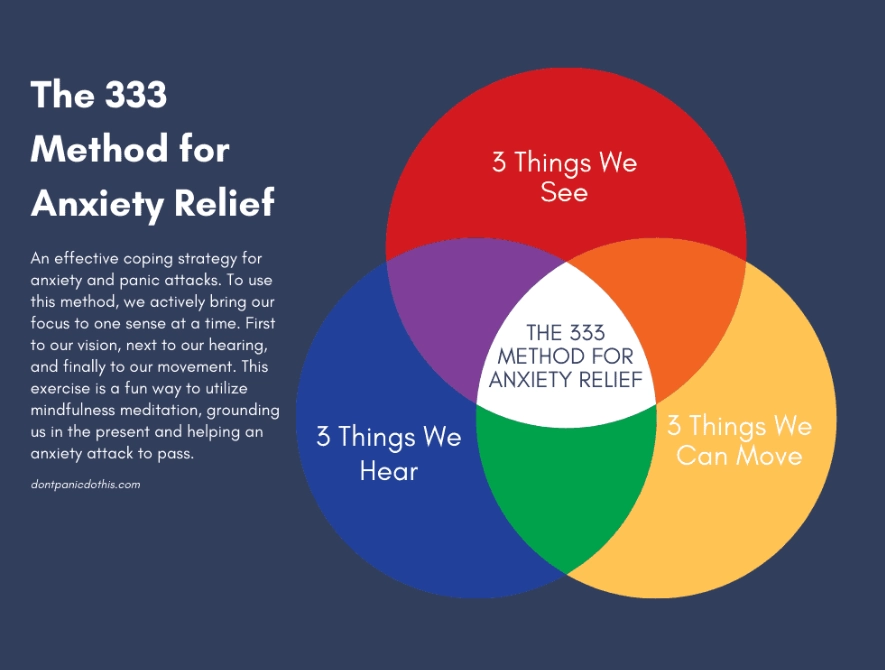
1. 3-min Salt Water Rinse → 2. 3-min Rest → 3. 3-min Cold Compress → 4. 3-min Rest → 5. 3-min Clove Oil Application
Does It Work? The Science (and Limitations) Behind the Rule
Honestly, the first time I heard about this, I was skeptical. It sounds like a TikTok hack. But when you look at each component individually, there's some legitimate, though modest, science behind them. The American Dental Association (ADA) acknowledges saltwater rinses as a gentle, effective way to soothe inflamed gums. The Mayo Clinic lists cold compresses as a standard recommendation for swelling. And the National Center for Complementary and Integrative Health notes that eugenol in clove oil has been used in dentistry for its analgesic properties.
So, the individual steps aren't nonsense. The real question is about the rigid 3-minute structure and the combined claim.
Here’s my professional assessment of what the 3-3-3 rule might help with:
- Minor gum irritation from food impaction or a minor injury.
- Early-stage gingivitis flare-up causing soreness.
- Temporary post-procedure sensitivity (like after a cleaning).
- The psychological benefit of taking structured action, which can reduce anxiety and perceived pain.
And here’s what it absolutely will not fix:
- A deep cavity that has reached the nerve (pulpitis).
- A dental abscess or infection.
- A cracked tooth.
- An exposed tooth root from gum recession.
- Impacted wisdom teeth.
For these serious issues, the 3-3-3 rule is like using a band-aid on a broken leg. It might cover the surface, but the underlying damage is raging.
The One Mistake Everyone Makes with the 3-3-3 Rule
This is the subtle error I see both online and in the clinic. People treat the 3-3-3 rule as a diagnostic tool. They think, "If the pain goes away after doing this, it must not be serious." That's dangerously wrong.
Inflammation and pain are nonlinear. A severe toothache can sometimes subside temporarily due to the nerve becoming fatigued or the cold compress numbing the area. This creates a false sense of security. You might wake up the next day thinking you're in the clear, only for the infection to have spread deeper overnight, leading to a more complex and expensive root canal or extraction.
The rule should never delay a dental visit. Its only valid use is as a temporary pain management technique while you are actively arranging to see a dentist.
Beyond 3-3-3: More Reliable Home Remedies for Tooth Pain
If you're in a pinch, the 3-3-3 rule is one option. But it's not the only one, and sometimes a simpler approach is better. Here’s a comparison of common home strategies, including their best-use scenarios.
| Remedy | How to Use It | Best For | Key Limitation |
|---|---|---|---|
| Over-the-Counter Pain Relievers | Ibuprofen (Advil) or Acetaminophen (Tylenol) as directed on label. | Systemic pain and inflammation reduction. Often more effective than topical methods for deep pain. | Does not treat the cause. Potential for stomach upset or interactions with other meds. |
| Salt Water Rinse (from the 3-3-3 rule) | 1/2 tsp salt in warm water, swish for 30-60 sec, repeat every few hours. | Cleansing minor wounds, soothing gum irritation, loosening debris. | Very mild effect. Won't touch nerve pain. |
| Cold Compress (from the 3-3-3 rule) | Ice pack on cheek for 15-min on, 15-min off. | Reducing swelling and numbing superficial pain after injury or procedure. | Only treats symptoms externally. |
| Clove Oil (from the 3-3-3 rule) | Dilute with carrier oil (like olive oil), apply with cotton ball to gum for a few minutes. | Topical numbing for localized gum pain or tooth surface sensitivity. | Can irritate gums if used undiluted or too frequently. Taste is strong. |
| Elevation | Sleep with your head propped up on an extra pillow. | Reducing blood pressure and throbbing sensation in the tooth, especially at night. | A supportive measure, not a treatment. |
My go-to recommendation for sudden, unexplained toothache is usually this: take the appropriate OTC pain reliever, do a thorough saltwater rinse to clean the area, and apply a cold compress if there's visible swelling. Then, call the dentist in the morning. The 3-3-3 rule bundles some of these ideas but adds a time complexity that isn't always necessary.
Red Flags: When to Ditch the Home Remedies and Call the Dentist
Let's be clear. Home remedies have their place, but they are a holding pattern, not a solution. According to the American Association of Endodontists, you should seek professional care immediately if you experience any of the following, regardless of whether the 3-3-3 rule provided temporary relief:
- Severe, throbbing pain that prevents sleep or concentration.
- Pain that lasts longer than 1-2 days.
- Fever, headache, or earache accompanying the tooth pain.
- Swelling in your cheek, jaw, or gums. (Pressing on a swollen gum and seeing an indentation is a major sign of infection).
- Pain when biting down or significant sensitivity to hot/cold that lingers for more than a few seconds.
- A bad taste in your mouth or pus drainage near the tooth.
I once had a patient who used clove oil and cold compresses for a week to manage what he thought was a "minor" toothache. By the time he came in, the infection had destroyed so much bone that the tooth was unsalvageable. The cost and complexity of treatment were far higher than if he had come in on day two or three. Don't let that be you.
Your Toothache Questions, Answered
 Is clove oil safe to use directly on my gum?
The bottom line? The 3-3-3 rule for toothache is a structured folk remedy with elements of legitimate, mild dental first aid. It's not a magic cure, but it can be a focused 15-minute protocol to try when panic sets in at midnight. Its greatest value might be in giving you a sense of control. However, its greatest danger is fostering complacency. Use it as a temporary bridge, not a destination. Your long-term dental health—and your wallet—depend on getting a professional diagnosis and treatment for the root cause of your pain.