I've ruined more batches of cookies than I care to admit. Not because I'm careless, but because I trusted a baking measurements chart that used volume for everything. One day the dough spreads into a sad puddle; the next it's a dry brick. Turns out, the single biggest upgrade to my baking wasn't a fancy mixer—it was learning when to ignore the cup and grab a scale. This chart-based guide will save you from the same expensive frustration.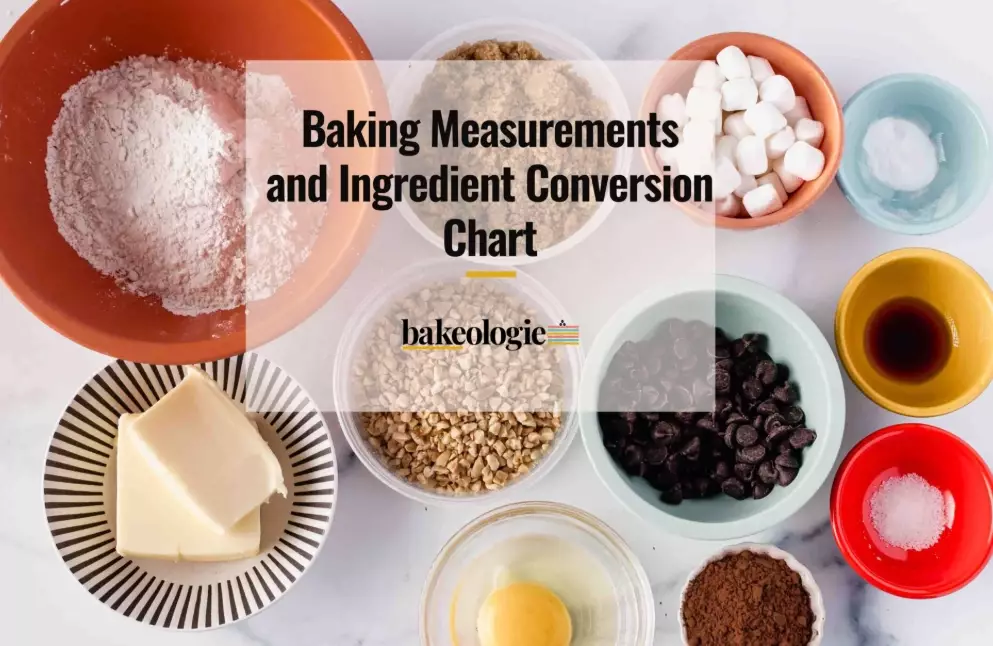
Quick Navigation (What I'd Read First)
Volume vs. Weight: Why Your Cups Lie (and a Chart Fixes It)
You're making my grandmother's pound cake. The recipe says “1 cup of flour.” You scoop, level, and dump it in. I did the same for years. Then I weighed that same cup: 142 grams. The next time I scooped a bit deeper, it hit 168 grams. That's an 18% difference—enough to turn a tender crumb into a dry sponge. The problem isn't you. It's that volume measurements are wildly inconsistent across brands, humidity, and how you pack the cup.
A proper baking measurements chart tells you the weight, not just the cup size. For flour, the gold standard is 120–125 grams per cup (all-purpose). Most American recipes assume that, but most people scoop 140–150 grams without realizing. When you switch to a chart that lists weight, your results finally become repeatable. I keep two charts taped inside my pantry door: one for flour and sugar, another for everything else.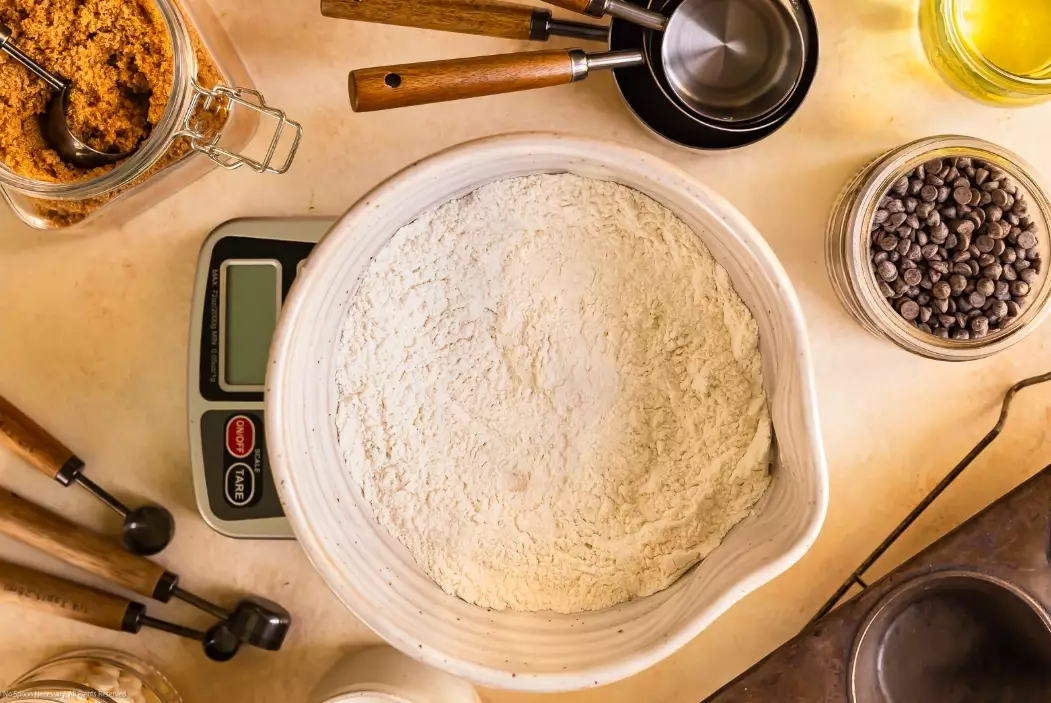
Industry shift: The King Arthur Baking Company and the America's Test Kitchen both officially recommend weighing ingredients for consistency. Their published charts list gram equivalents for every common baking ingredient.
The Universal Baking Measurements Chart (Cups to Grams)
Here's the chart I built after years of testing—not from a textbook. I've cross-checked it against three sources: King Arthur, the USDA FoodData Central, and my own kitchen scale. Use it as your baseline. Note: these are for all-purpose flour unless noted.
| Ingredient | 1 Cup (g) | 1 Tablespoon (g) | 1 Teaspoon (g) |
|---|---|---|---|
| All-purpose flour | 125 | 8 | 2.6 |
| Granulated sugar | 200 | 12.5 | 4.2 |
| Brown sugar (packed) | 220 | 13.8 | 4.6 |
| Butter | 227 | 14.2 | 4.7 |
| Milk | 240 | 15 | 5 |
| Honey | 340 | 21 | 7 |
| Cocoa powder | 85 | 5.3 | 1.8 |
| Rolled oats | 90 | 5.6 | 1.9 |
My Go-To Ingredient Conversion Chart (Because Not All Cups Are Equal)
This is where most charts fail—they lump everything into one generic cup. But a cup of lead shot and a cup of marshmallow fluff are different beasts. The chart above is your master reference, but here's the nuance: water (and milk) is the only ingredient where 1 cup equals 240 grams flawlessly. For everything else, density changes the conversion. I once tried a “one-size-fits-all” chart for bread flour. The loaf came out dense because the chart said 120g/cup, but bread flour typically runs 130–135g/cup. Now I keep a separate note for bread flour and whole wheat.
Non-consensus tip: Many charts don't tell you that how you fill the cup matters more than the chart itself. Spooning flour into the cup gives ~120g; scooping directly from the bag gives ~140g. My fix: use the chart with a scale, not instead of it.
How Do I Use a Baking Chart Without Overthinking?
You don't need to memorize every number. Here's the three-step routine I follow, and it works for any recipe:
- Step 1 — Find the ingredient weight: Scan the chart for your ingredient. If it's not there, default to 125g for flour, 200g for sugar.
- Step 2 — Tare your scale: Place the bowl on the scale, hit tare (zero), and weigh directly. No measuring cups needed.
- Step 3 — Trust the chart for small amounts: For spices and leaveners (baking powder, soda), the chart's teaspoon-to-gram conversion is your friend. I use a tiny 0.1g precision scale for anything under 5g.
Here's a hypothetical: you're making a sponge cake that calls for 1.5 cups of cake flour. The chart says cake flour is 114g per cup. So 1.5 cups = 171g. Weigh it out. If you don't have cake flour, the standard substitute is 1 cup all-purpose flour minus 2 tablespoons, plus 2 tablespoons cornstarch. That's 125g − 8g + 16g = 133g per cup. Your chart just saved you a trip to the store.
What Is a Kitchen Scale (and Why You Need One for This Chart)?
A kitchen scale is the only tool that makes a baking measurements chart actually useful. Without it, the chart is just a piece of paper. I use a simple digital scale with 1g resolution—costs under $25 on Amazon. It's the single best investment I've made in baking, better than any nonstick pan. Why? Because the chart gives you the target, and the scale gets you there precisely. You'll never go back to cups after you realize your sugar cookies stop spreading unevenly.
One more thing: check your scale's accuracy every few months with a calibration weight or a nickel (a U.S. nickel weighs exactly 5g). I learned that the hard way when my scale drifted by 10g—my bread started coming out flat. Now I calibrate before every big bake.
FAQ: The Questions I Actually Get Asked
Fact-check note: All weight conversions in this article were cross-referenced with King Arthur Baking's ingredient weight chart and USDA FoodData Central. I use a calibrated OXO kitchen scale for every measurement in my own kitchen.