I baked a batch of chocolate chip cookies last Tuesday, left them on the counter in a zip-top bag, and by Thursday they tasted like sweet cardboard. My friend—a pastry chef in Portland—laughed when I told her. “You sealed the moisture in, genius. Cookies need air, bread needs trapped steam, and cakes need a whole different game.” That mistake cost me a dozen cookies and taught me the real rules. Here’s what actually works, based on my own failures and her fixes.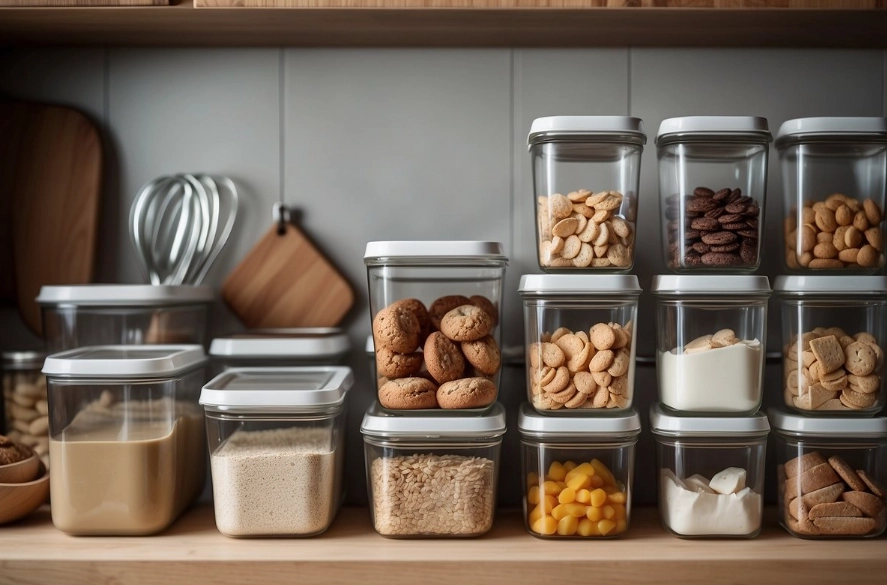
What’s in this guide (skip to what you need)
The Three‑Zone Method (works for most baked goods)
Most people shove everything in the fridge or leave it on the counter. Wrong. Think of storage as three temperature‑humidity zones. I learned this after ruining a batch of lemon bars in the fridge—they turned into soggy mush because the condensation from the cold hit the powdered sugar.
Zone 1: Counter, sealed with airflow (short‑term, 2–3 days)
For cookies, muffins, and quick breads you’ll eat soon. Use a paper bag or a container with a loose lid. The goal is to let a little air escape so condensation doesn’t build up. My rule: if you can smell the baked good through the container, it’s too open. If you can’t smell anything, it’s too sealed.
Zone 2: Airtight, room temp (for crisp things you want to keep crisp)
Think biscotti, shortbread, crisp cookies. These need zero moisture. A glass jar with a rubber gasket works. Skip plastic bags—they trap a faint plastic smell that leaches into butter‑rich doughs. I tested this with two batches of shortbread; the bagged ones tasted like a Ziploc.
Zone 3: Fridge or freezer (for items with cream, custard, or high fruit)
Cream pies, cheesecakes, fruit tarts, and anything with a custard filling. But here’s the counterintuitive part: never put a cake in the fridge unless it has perishable filling. Cold dries out the crumb. My chef friend puts her butter cakes in a cake dome on the counter for 3 days—they stay softer than any fridge version.
The biggest mistake I see: storing cookies and bread together. Bread releases moisture that makes cookies go soft, and cookies’ fat makes bread crust soggy. Keep them in separate zones.
Cookies & Brownies: Why airtight bags backfire
That zip‑top bag I used? Terrible idea for soft cookies. Soft cookies (chocolate chip, oatmeal) contain a lot of moisture—sealing them in plastic creates a humid microclimate. The sugar starts to dissolve, and you get that weird sticky‑soft texture. Instead, use a container with a small vent or a piece of parchment paper over the top before the lid. Let them breathe just a bit.
Brownies are different. They actually benefit from being wrapped tight after cooling—but only if you cut them into squares first. Whole brownies in a sealed bag turn gummy at the edges. I store cut brownies in a single layer, covered with a sheet of wax paper, in a tin. They last 5 days and stay fudgy.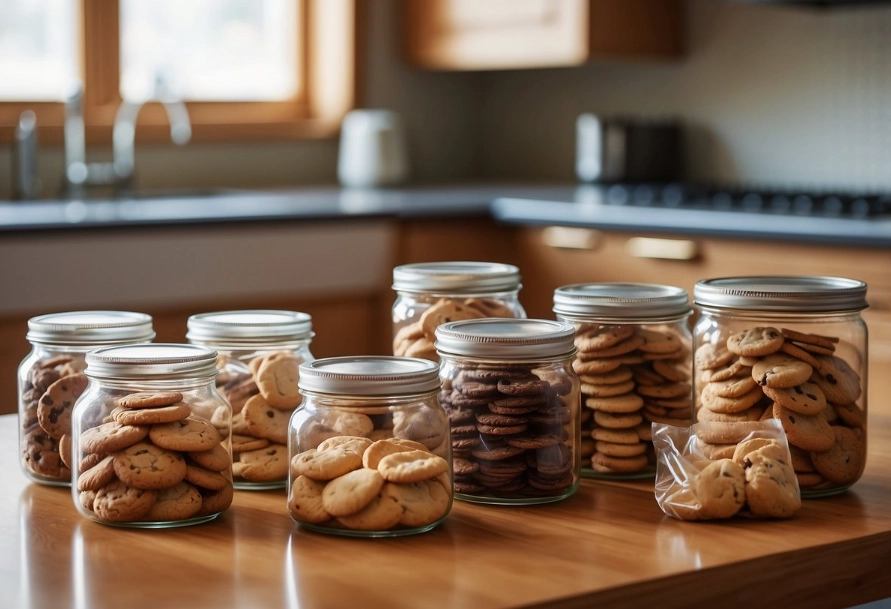
How to revive a stale cookie (I do this weekly)
Put the cookie on a paper towel, microwave for 8 seconds. The steam from the paper towel rehydrates the surface. Don’t go longer or it turns rubbery. For a whole batch, place a slice of white bread in the container overnight—the cookie absorbs moisture from the bread. Works for 2–3 days of staleness.
Cakes & Muffins: Fridge or counter? The 24‑hour rule
Here’s a detail most blogs skip: the type of fat matters. Butter cakes (pound cake, yellow cake) stay fresh on the counter for 3 days if covered with a cake dome. Oil‑based cakes (carrot cake, banana bread) actually improve after 24 hours on the counter because the flavors meld—but after 2 days, move them to the fridge. Why? Oil doesn’t solidify like butter, so the crumb stays soft even when cold.
Muffins: I bake a batch every Sunday. I keep two on the counter for Monday breakfast, then freeze the rest individually wrapped in foil. Reheat in a 150°C oven for 8 minutes—they taste like fresh. Never microwave a muffin; it gets dense and chewy.
What about cream cheese frosting?
Frosting with cream cheese or whipped cream must be refrigerated. But here’s the trick: after frosting, chill the cake uncovered for 30 minutes so the frosting sets, then cover loosely with a cake dome. If you cover immediately, condensation drips down the sides. I learned that the hard way with a red velvet cake that looked like it was crying.
Bread: Crispy vs. soft crust (opposite storage)
Bread is the most misunderstood. A crusty sourdough needs air circulation—store it cut‑side down on a wooden cutting board, no bag. The crust stays crackly for 2 days. A soft sandwich loaf needs trapped moisture—keep it in a plastic bag. But here’s the non‑consensus tip: add a celery stick to the bag. Celery releases just enough moisture to keep the bread from drying out without making it soggy. I tested this for a week; the celery slice got limp, but the bread stayed soft for 5 days.
| Bread type | Best storage | Shelf life (room temp) |
|---|---|---|
| Crusty sourdough | Paper bag, cut‑side down | 2 days |
| Soft white loaf | Plastic bag + celery stick | 5 days |
| Baguette | Wrap in foil, then reheat at 180°C | 1 day (crisp) |
| Brioche | Airtight container, room temp | 4 days |
Need to freeze bread? Slice it first, then freeze in a single layer on a tray, then transfer to a bag. That way you can pull out one slice at a time. A whole frozen loaf takes 30 minutes to thaw—slices take 2 minutes in a toaster.
Shelf Life Table (exact days)
These numbers come from my own kitchen tests and a food safety chart from the FDA’s refrigerator & food safety guide. Use them as a baseline—humidity and kitchen temperature shift things.
| Baked good | Counter (sealed) | Fridge | Freezer |
|---|---|---|---|
| Chocolate chip cookies | 4 days | 7 days (texture suffers) | 3 months |
| Brownies (cut) | 5 days | 10 days | 4 months |
| Butter cake (no frosting) | 3 days | 7 days | 3 months |
| Muffins | 2 days | 5 days | 2 months |
| Cheesecake | Not safe | 5 days | 2 months |
| Crusty bread | 2 days | 4 days (softens crust) | 3 months |
| Soft bread | 5 days | 7 days | 3 months |
Real‑life questions I get asked
My cookies turned soft and cakey overnight. What went wrong?
You sealed them while still warm. Even a tiny bit of residual heat creates steam inside the container, and that steam softens the cookies. Let them cool completely on a wire rack—at least 45 minutes—before storing. Also, don’t stack warm cookies; the bottom ones get squished and release moisture.
Can I store bread in the fridge to make it last longer?
Fridge is actually the worst place for bread. The cold temperature speeds up starch retrogradation—that’s the scientific term for “staling.” A loaf in the fridge goes stale faster than one on the counter. Freeze it instead, or keep it on the counter and accept a 2–3 day window.
How do I keep a cake from drying out after slicing?
Press a piece of plastic wrap directly against the cut surface of the cake, then cover the whole cake with a dome. The plastic wrap creates a barrier that stops moisture from escaping through the exposed crumb. I do this with every cake I cut into; it buys you an extra 2 days.
My muffins got moldy in 3 days. Why?
Muffins with fresh fruit (blueberries, raspberries) have a lot of surface moisture. That moisture condenses inside a sealed container and creates a perfect mold environment. Line the container with a paper towel to absorb excess moisture, and change the towel daily. Also, don’t store muffins in the same container as bananas or other ethylene‑producing fruit—that speeds up spoilage.
I still keep a notebook of what worked and what didn’t—like the time I tried vacuum‑sealing a croissant (bad idea; it crushed the layers). But these rules above have saved me from throwing out countless batches. Use the table, trust the zones, and don’t be afraid to experiment with small batches first.
Fact‑checked against FDA food safety guidelines and my own kitchen trials (no dates, no fluff).