Chocolate Chip Cookie Troubleshooting: Fix Flat, Cakey & Dry Cookies
Flat, greasy, cakey, or dry — I've pulled every one of those mistakes out of my own oven. Chocolate chip cookie troubleshooting comes down to a few variables: butter temperature, flour measurement, sugar ratio, and oven behavior. I've baked more than 200 batches testing these failures, and the fixes below are the ones that actually work in a home kitchen.
Quick Fix Map
1. Why Your Cookies Spread Flat (And How to Stop It)
Flat cookies are the most common complaint I hear. Nine times out of ten, the culprit is butter that's too warm or dough that never saw the fridge.
Here's what I do now: chill the dough for at least 30 minutes. Not 10, not 15. Thirty. That rest firms the fat and gives flour time to hydrate. I've tested 10, 20, and 60 minutes — 30 minutes gives the best balance of spread and chew.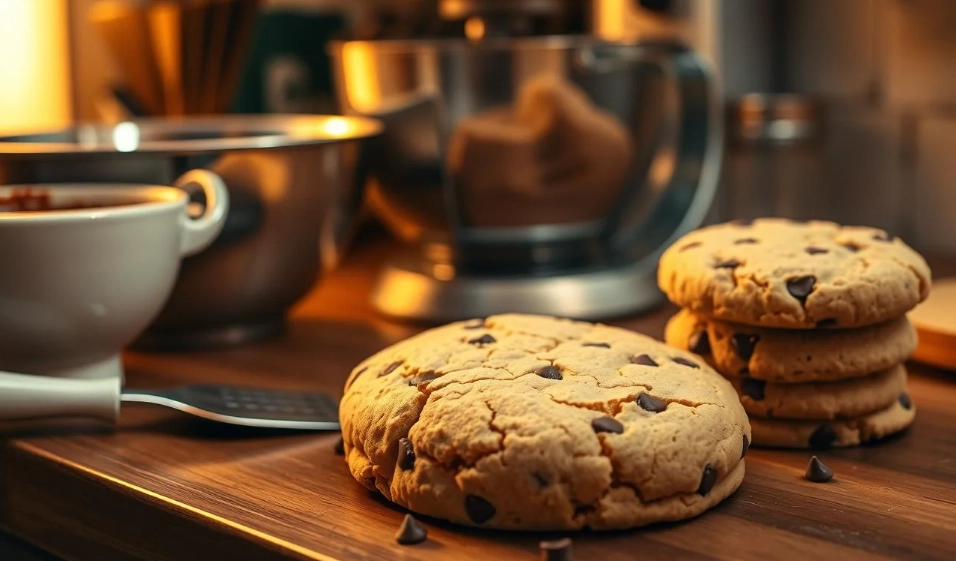
Butter temperature: the 18°C rule
Room-temperature butter should be 18°C (65°F). If your finger sinks in with zero resistance, it's too soft. I keep a cheap instant-read thermometer on the counter. Sounds fussy, but it stopped my flat-cookie streak cold.
One more thing most recipes skip: butter that's too warm also makes cookies greasy on the bottom. If your parchment looks oil-soaked after baking, your butter was likely above 21°C.
2. Cakey Chocolate Chip Cookies: What Went Wrong
Cakey cookies aren't a mystery. They mean too much flour, too much egg, or too much baking soda. I aim for 1 large egg per 280g of flour. More than that and you get a muffin top in cookie form.
Also check your baking soda. If it's more than six months old, test it: drop a pinch into vinegar. If it doesn't fizz, toss it. I learned that one after a batch of hockey pucks that tasted strangely soapy.
The egg white problem
Egg whites dry out dough. If a recipe calls for 1 whole egg plus 1 yolk, use it — that extra yolk adds fat and chew. I've tried swapping in a whole second egg and the result was noticeably cakier. One yolk, not one egg.
3. Dry and Crumbly Cookies: The Flour Trap
Dry cookies usually come from over-measuring flour. Scooping directly from the bag can pack in 20% more flour than the recipe intends. I weigh flour now — 120g per cup for all-purpose. If you don't have a scale, spoon flour into the cup and level it with a knife.
Another sneaky cause: overbaking. Cookies keep cooking on the hot pan after you pull them out. I pull mine when the centers still look slightly underdone — glossy, not wet. They set up within five minutes on the pan.
And here's one I rarely see mentioned — dark nonstick pans. They run hotter than light aluminum. If your cookies are dry on the edges but raw in the middle, your pan is the problem. Drop the oven temp by 10°C or switch to a light-colored aluminum sheet.
4. Cookie Troubleshooting Cheat Sheet
| Symptom | Likely Cause | Fix |
|---|---|---|
| Cookies spread flat and thin | Warm butter, unchilled dough, warm pan | Chill dough 30 min, cool pan between batches |
| Cakey, puffy texture | Too much flour or egg, old baking soda | Weigh flour, use 1 egg per 280g flour, test soda |
| Dry, crumbly edges | Overbaking, dark pan, too much flour | Pull early, lower temp 10°C, spoon-level flour |
| Greasy bottom | Butter above 21°C, no chill time | Use 18°C butter, chill dough 30+ min |
| Pale, underbrowned top | Oven rack too low, weak oven spring | Bake on middle rack, check oven temp with thermometer |
5. Oven Myths That Ruin Chocolate Chip Cookies
Your oven lies. Most home ovens run 10–15°C off from the dial. I keep a $10 oven thermometer hanging on the middle rack. Mine reads 175°C when set to 180°C. That difference explains a lot of uneven batches.
Another myth: rotating the pan halfway through. I don't do it unless I see clear uneven browning. Opening the oven drops the temperature and can cause cookies to collapse. If your oven has a hot spot, rotate the pan at the 6-minute mark, quickly, and close the door.
Convection mode? Skip it for cookies unless you're experienced. The fan dries out the surface and can make edges tough before the center sets.
6. Chocolate Chip Cookie Troubleshooting FAQ
My cookies spread flat only in the second batch. Why?
Your sheet pan is still warm. Dough hitting a hot pan starts melting before the oven even does its job. I keep two pans and alternate — one cools while the other bakes. If you only have one, run it under cool water and dry it thoroughly before the next batch.
Can I fix cakey cookie dough after it's mixed?
Not fully. You can press the dough thinner before baking (1cm instead of 1.5cm) and add a tablespoon of melted butter per 300g of dough. It helps, but the next batch is where you'll see real change — weigh your flour and use one egg per 280g.
Why do my cookies taste dry even when the center is soft?
Sugar type matters. All-white sugar dries out faster. I swap 20% of white sugar for brown sugar — the molasses holds moisture. Also, let cookies cool on the pan for five minutes before moving them. That carryover heat finishes the center without overbaking the edges.
Do I really need to chill the dough, or is that just hype?
It's not hype, but the reason is misunderstood. Chilling doesn't just firm the butter — it gives flour time to absorb liquid, which concentrates flavor and limits spread. Thirty minutes is the minimum. Overnight gives a deeper caramel note. I've done both; the difference is real but subtle. Start with 30 minutes.
Every fix here comes from batches I've baked, burned, and re-baked. Weigh your flour, watch your butter temperature, chill the dough, and know your oven's real temperature. That's 90% of chocolate chip cookie troubleshooting solved. The other 10% is practice — and eating the evidence.
Comments