How to Cream Butter and Sugar: Fix Grainy or Curdled Mixes
The first time I watched a baker cream butter and sugar, I thought I understood the drill: throw both in a bowl, turn the mixer on high, wait. Five minutes later I had a greasy, grainy paste and a batch of cookies that spread into sad little puddles. That was ten years ago. I've since creamed more pounds of butter than I care to admit, and I can tell you this—the how to cream butter and sugar question isn't about speed. It's about temperature discipline and reading the visual cues most recipes skip.
Quick Jump: What I'll Cover
What Creaming Butter and Sugar Actually Does
Most people think creaming is just mixing. It's not. You're forcing air into butterfat while sugar crystals act like tiny chisels, punching microscopic air pockets into the mixture. Those pockets expand in the oven and give cakes their lift, cookies their chew.
Here's what gets glossed over: creaming creates an emulsion. Butter is water-in-oil. Egg is oil-in-water. When you cream butter and sugar, you're prepping the fat to accept the egg without breaking. Skip proper creaming and you'll watch your batter curdle the second the egg hits the bowl—and once it curdles, no amount of flour fixes it.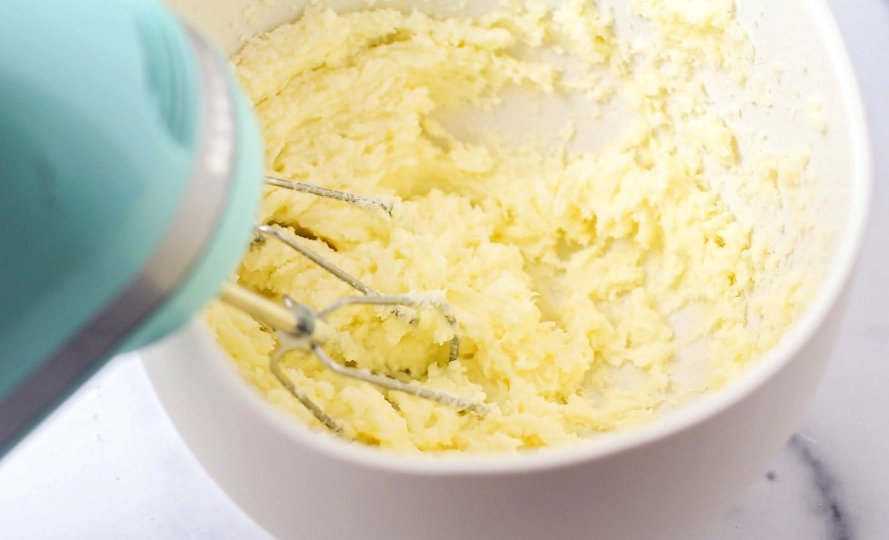
The Butter Temperature Test That Saves Your Bake
Recipes say "room temperature butter" and leave you guessing. Room temperature in a Florida kitchen is not room temperature in a Minnesota winter kitchen. Your butter should be 65°F to 68°F (18°C to 20°C). Here's how I test it without a thermometer: press your finger into the block. It should leave a dent but not squish through to your knuckle. If it's shiny or greasy, it's too warm. If your finger slides off, it's too cold.
Cold butter won't trap air—the sugar just slides around. Warm butter won't hold air—the structure collapses before you even add flour. Both give you a dense, flat result and neither is the recipe's fault.
Step-by-Step: How to Cream Butter and Sugar Properly
Total time: 3 to 4 minutes on medium speed with a stand mixer. Hand mixers need 4 to 5 minutes. Don't set a timer and walk away—color and texture tell you more than any clock.
Why Your Mix Looks Grainy or Curdled (And Fixes)
Grainy texture after 5 minutes
Your butter is too cold. Sugar can't dissolve into cold fat. Fix: wrap a warm (not hot) towel around the bowl for 2 minutes, then continue on medium speed. Don't microwave the bowl—you'll melt the edges and create hot spots that break the emulsion.
Curdled or separated after adding eggs
The butter-sugar mix was too warm or too cold before the egg went in. If it looks like cottage cheese, your emulsion broke. Fix: add 2 tablespoons of the measured flour to the curdled mix and beat on low until it smooths out. Then add the remaining flour as the recipe directs. This works because flour acts as a stabilizer between the fat and water phases.
Greasy, shiny mixture that never lightens
Over-creaming. The butterfat has released its water and the structure is gone. I've never successfully rescued an over-creamed batch—start over. It's a painful lesson but cheaper than baking a brick.
Creaming Time Cheat Sheet by Butter Type
| Butter Type | Ideal Temp | Time on Medium Speed | Visual Cue |
|---|---|---|---|
| European-style (higher fat, 82%+) | 64°F–66°F | 3–4 minutes | Pale ivory, holds soft peaks |
| Standard unsalted (80% fat) | 65°F–68°F | 3–4 minutes | Light yellow, slightly fluffy |
| Plant-based butter block | 58°F–62°F | 2–3 minutes | Grainy but evenly mixed |
| Clarified butter (ghee) | 60°F–65°F | 5–6 minutes | Thick, glossy, no volume increase |
| Cold butter straight from fridge | 40°F | Not recommended | Crumbs, no fluffiness |
I once tested plant-based butter on a friend's suggestion. It never turned pale or increased volume—it just got smooth and a little shiny. The cookies still worked, but they spread more. Know what your butter can and can't do before you blame your technique.
Creaming Questions Bakers Actually Ask
I still remember the batch of snickerdoodles that finally made all of this click. The butter was 66°F, the sugar was standard granulated, and I stopped creaming the second the mixture turned pale ivory. Those cookies rose higher than any batch I'd made before. No secret ingredient—just paying attention to the two things that matter: temperature and visual cues. Everything else is noise.
Comments