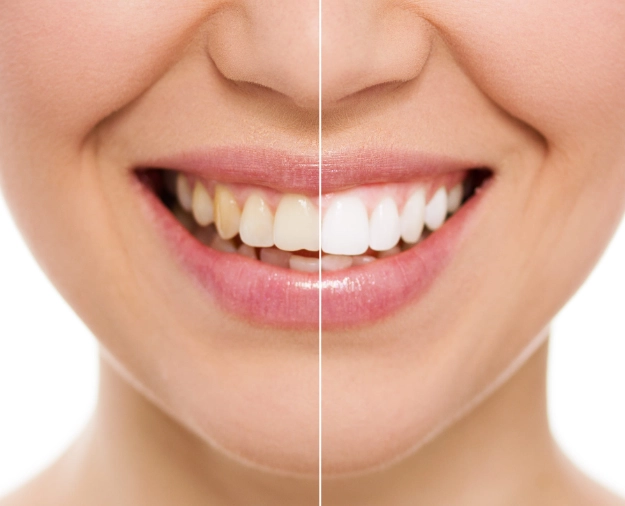
You slapped on those whitening strips for the full treatment period, followed the instructions to a T, and now your smile is noticeably brighter. Mission accomplished, right? Well, not exactly. The question that inevitably pops up a few months later is a simple one: are these results permanent?
Here’s the blunt truth you won’t find in the flashy marketing: No, teeth whitening strips do not provide permanent results. Not a single method of tooth whitening – strips, trays, in-office treatments – offers a lifelong guarantee. Anyone who tells you otherwise is selling something. The effects will fade. The real conversation we need to have isn't about permanence, but about longevity. How long can you expect your brighter smile to last, and what can you do to extend that period as much as possible? That’s where the real value lies.
What You'll Learn in This Guide
Why Whitening Strip Results Aren't Built to Last Forever
Think of your tooth enamel like a sponge. It’s not solid; it’s made up of microscopic rods. Over time, pigments from coffee, tea, red wine, berries, and smoking seep into these tiny spaces, causing stains. Whitening strips use peroxide-based gels (hydrogen peroxide or carbamide peroxide) that penetrate this enamel and break apart those stain molecules through an oxidation reaction, making them colorless or less concentrated.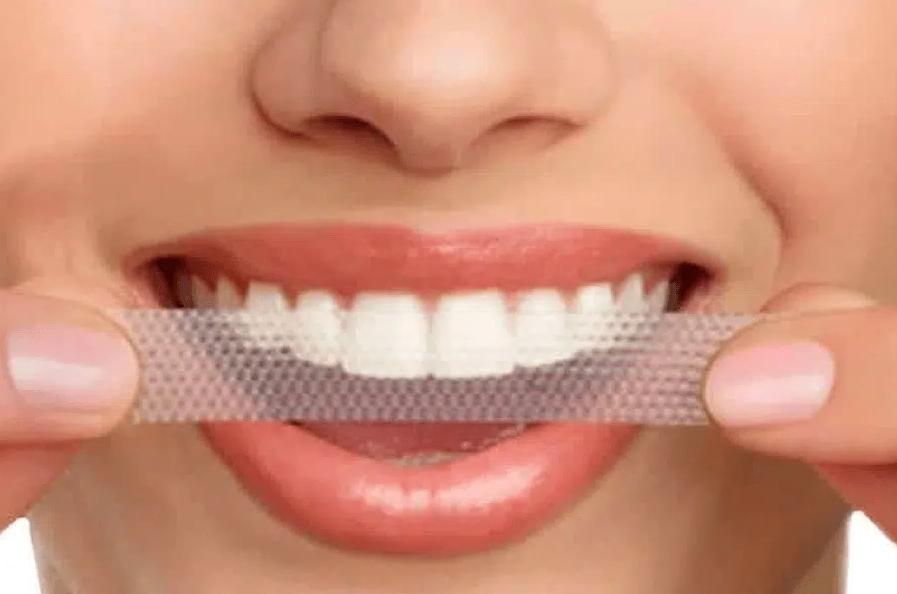
The catch? Your teeth are living in a staining environment every single day. That morning coffee, the afternoon tea, the glass of merlot with dinner – it’s a constant cycle. Whitening strips don’t change the fundamental porosity of your enamel or create a magical stain-proof shield. They simply reset the stain level. From the moment you finish your treatment, new stains begin to accumulate. It’s not that the whitening "wears off"; it’s that new discoloration is layering on top.
Key Takeaway: Whitening is a process of stain removal, not stain prevention. The results are temporary by nature because the causes of staining are ongoing.
What Really Determines How Long Your White Smile Lasts?
You might see claims like "results last up to 6 months." That’s a best-case scenario for a very specific type of person. For most, it’s a range. How long your personal results last depends entirely on a mix of factors, some within your control and some not.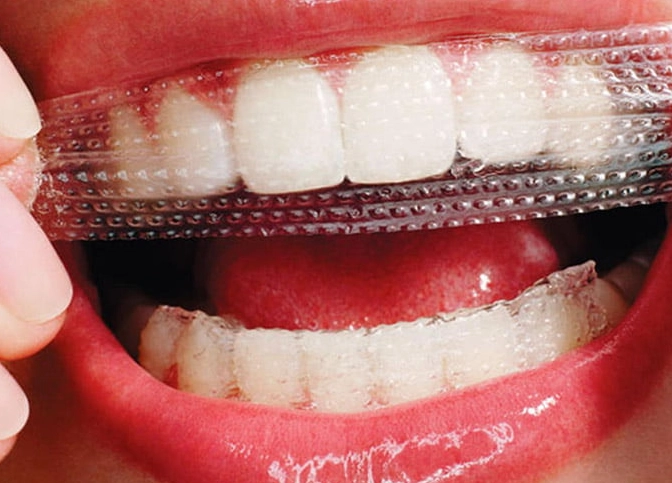
Factors You Can Control (The Lifestyle Stuff)
This is the big one. Your daily habits are the single greatest predictor of longevity.
- Diet & Beverages: This is the main event. Dark liquids are the prime suspects. Coffee, black tea, cola, red wine, and sports drinks are top contributors. Foods with intense colorants like soy sauce, berries, tomato sauce, and curry also play a role.
- Smoking or Vaping: Tobacco and nicotine are notorious for causing deep, stubborn yellow and brown stains. This habit will shorten your results dramatically.
- Oral Hygiene: Brushing twice daily and flossing removes plaque, a sticky film that can attract and hold stains against your teeth. If your hygiene slips, stains set in faster and deeper.
- "Maintenance" or "Touch-up" Treatments: Many brands sell lower-strength strips for occasional use. Strategically using one every few months can combat new stains before they build up.
Factors You Can't Fully Control
- Natural Tooth Color & Genetics: Some people naturally have thicker, more opaque enamel that shows stains less and may hold a whiter shade longer. Others have thinner, more translucent enamel where the naturally yellowish dentin underneath shows through more, making the "whitened" effect fade visually faster.
- Type of Stains: Surface stains from food/drink (extrinsic stains) are what strips are best at removing. Stains that come from within the tooth (intrinsic stains), like those caused by certain medications (tetracycline), trauma, or excessive fluoride as a child, are much harder to shift with strips and may not respond well at all.
- Age: As we age, enamel naturally wears thinner, and dentin can become darker. This can make maintaining a bright white smile more challenging over time.
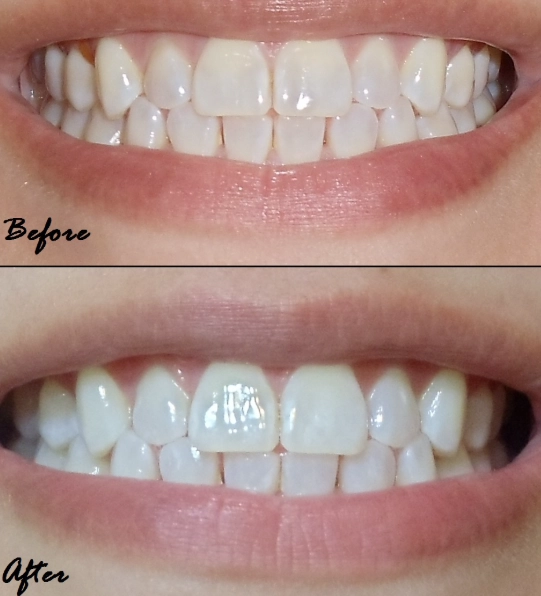
Your Action Plan: How to Extend Whitening Strip Results
Want to keep your smile brighter for longer? It’s about a smart, consistent strategy, not a one-time effort. Here’s a practical, step-by-step approach I’ve seen work for my patients who use at-home products.
| Strategy | What To Do | Why It Works |
|---|---|---|
| The Rinse & Sip Method | After consuming a staining drink, swish with water immediately. Better yet, use a straw for cold drinks to bypass your front teeth. | Physically dilutes and washes away pigments before they have time to settle into enamel. |
| Strategic Brushing Timing | Wait at least 30-60 minutes after consuming acidic foods/drinks (soda, citrus, wine) before brushing. | Acid softens enamel. Brushing immediately can cause abrasion. Waiting allows saliva to remineralize and harden the surface. |
| Whitening Toothpaste (Used Correctly) | Use a gentle whitening toothpaste with mild abrasives or blue covarine (a optical brightener) once a day, not twice. Use a regular fluoride paste for your other brushing. | Provides gentle stain removal without excessive abrasion that can damage enamel over time. Daily aggressive use is a common mistake. |
| Touch-Up Schedule | Plan a single "touch-up" strip session every 3-4 months, or at the first sign of noticeable fading. Don’t overdo it. | Prevents deep stain accumulation, making maintenance easier and less frequent than starting from scratch. |
| Professional Cleanings | Stick to your regular dental cleanings (every 6 months). | Removes hardened tartar (calculus) that you can’t brush off, which is highly stain-prone and makes teeth look dull. |
A quick story: A friend of mine, let's call him Mark, was furious his strip results "vanished" in two months. Turns out, he finished his treatment and celebrated with a double espresso every morning, no water chaser, and a nightly glass of Cabernet. He was essentially re-staining his teeth on a daily production schedule. We adjusted his habits (straw for coffee, water rinse, spacing out wine nights), and his next round of results lasted over five months. The strips worked the same; his aftercare didn't.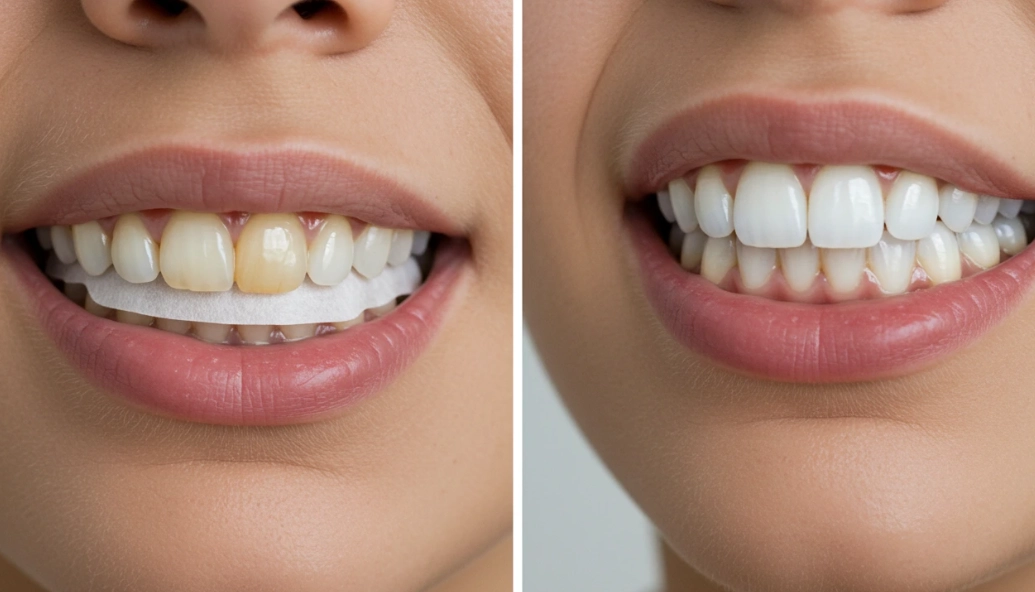
Whitening Strips vs. Professional Treatments: Comparing Longevity
People often assume that because in-office whitening is more expensive and powerful, the results must be permanent. That's not the case. The longevity fundamentals are the same. However, there are differences in the starting point and degree of whitening, which can affect how long the results appear to last.
- Professional (In-Office) Whitening: Uses much higher concentrations of peroxide (often 25-40%) under professional supervision, sometimes with light activation. It can achieve a more dramatic shade change in one session. Because you start from a much whiter baseline, it takes more new stain accumulation for you to notice a significant difference. You might feel the results "last longer" because the visual drop from, say, shade A1 to A3 is less jarring than the drop from a strip-achieved B1 back to your original B3.
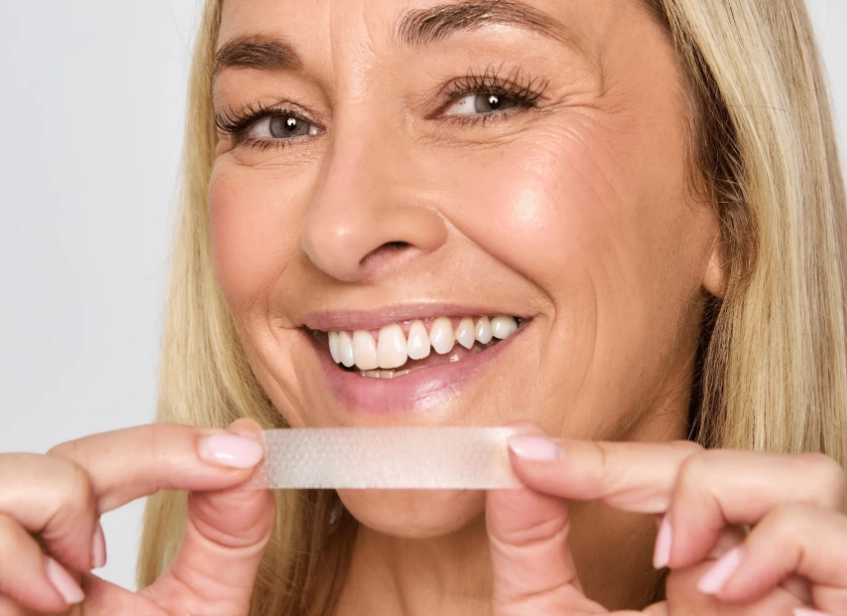
- Take-Home Professional Trays: Your dentist makes custom-fitted trays and provides professional-grade gel. The fit is better than strips, ensuring even gel contact and less gum irritation. The gel concentration is typically higher than OTC strips but lower than in-office. Longevity is still subject to lifestyle factors, but the superior application can lead to more uniform and sometimes slightly longer-lasting initial results.
- Over-the-Counter Strips: As discussed, these are effective for mild to moderate staining. They are the most accessible and affordable entry point. Their longevity is most sensitive to post-whitening habits because the initial change, while noticeable, is often more modest.
The American Dental Association (ADA) states that regardless of method, teeth whitening is not permanent. They emphasize that avoiding stain-causing substances is key to maintaining results.