Let's cut to the chase. The single best sleep position for your teeth, jaw, and overall oral health is sleeping on your back—what we call the supine position. I've been a dental sleep medicine consultant for over a decade, and I can't tell you how many patients come in with worn-down teeth, chronic jaw pain, or morning headaches, completely unaware that their favorite sleeping position is the root cause. This isn't just about comfort; it's about preventing long-term damage. Your sleep posture creates hours of sustained pressure and alignment that your mouth has to endure, night after night.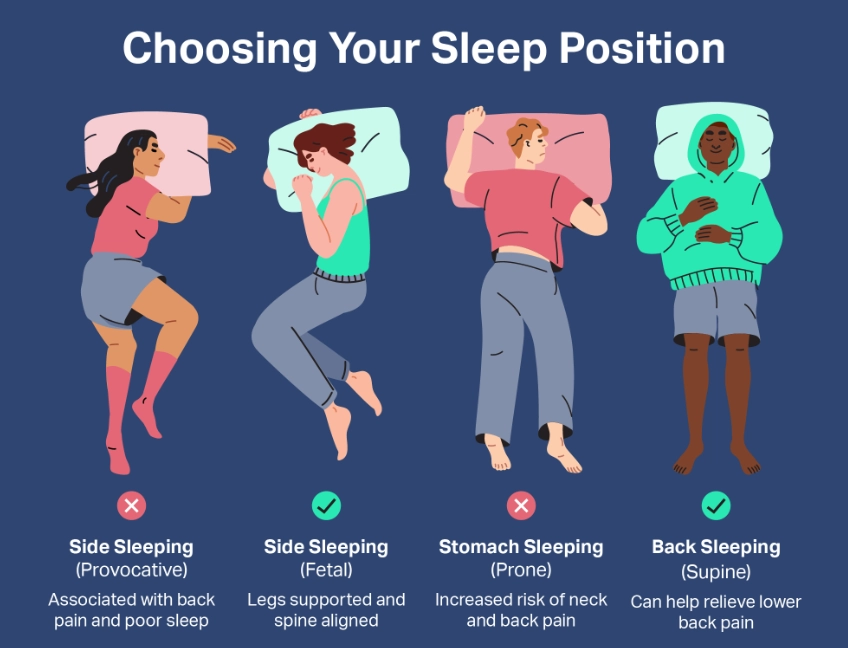
What You'll Learn in This Guide
Why Your Sleep Posture Matters for Your Mouth
Think of your jaw joint (the temporomandibular joint or TMJ) as a delicate hinge. When you sleep on your side or stomach, gravity pulls your jaw to one side or forces it into an awkward, rotated position. This puts uneven strain on the joint, the muscles that control your jaw (the masseters and temporalis), and the ligaments. Over time, this strain can manifest as:
- Bruxism (Teeth Grinding & Clenching): Your body's subconscious attempt to find a stable bite in an unstable position. The pressure is immense—far beyond what you use for chewing.
- TMJ Disorder: Clicking, popping, pain in front of your ears, or even locking of the jaw.
- Accelerated Tooth Wear: Grinding literally sands down the enamel on the chewing surfaces of your teeth, leading to sensitivity, cracks, and the need for extensive dental work.
- Asymmetry and Jaw Tension: Chronic side sleeping can lead to tighter muscles on one side of your face, contributing to tension headaches and even a slightly asymmetrical appearance over many years.
A common misconception I fight daily is that a nightguard is the ultimate solution. While it protects tooth surfaces, it doesn't stop the clenching force or correct the postural root cause. It's like putting a helmet on before repeatedly banging your head against a wall—protective, but not addressing the real problem.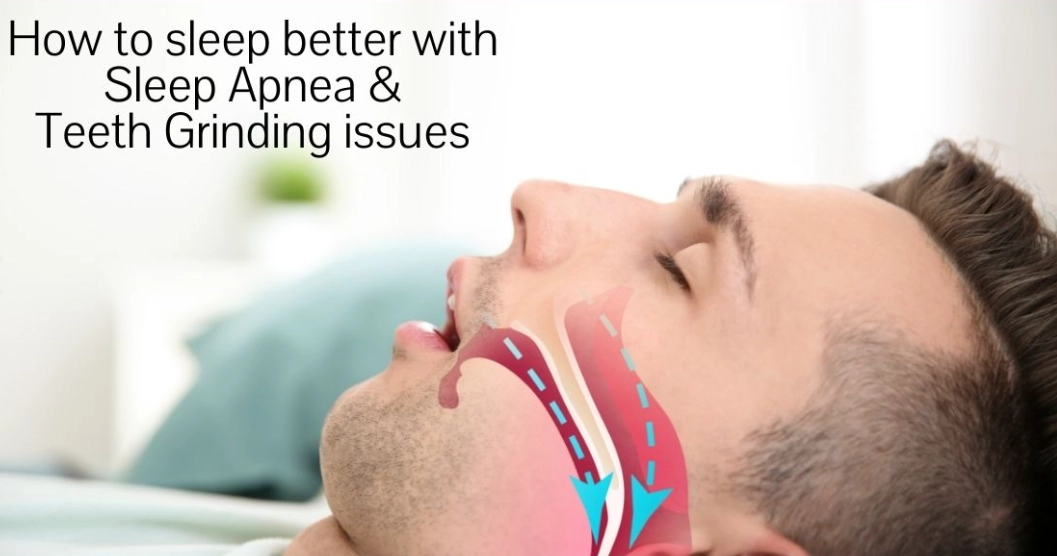
The #1 Best Position: Sleeping on Your Back
Sleeping supine is the gold standard for oral health. Here’s why, broken down into specifics you can implement tonight.
Optimal Back Sleeping Setup
It's not just about lying flat. The details matter.
- Head and Neck Support: Use a pillow that supports the natural curve of your neck, keeping your head in line with your spine. Your chin should not be tucked into your chest. A cervical pillow or a medium-loft pillow often works best.
- The "Mouth Zone": Your lips should be gently closed, but your teeth should not be touching. There should be a small space between your upper and lower molars. If you tend to mouth breathe, this is a separate issue to address (often related to nasal congestion), as dry mouth from mouth breathing increases cavity risk.
- Shoulder and Body Alignment: Avoid stacking multiple high pillows that crank your neck forward. Your whole spine should feel supported and straight. A small pillow under your knees can relieve lower back pressure and help you maintain the position.
I had a patient, Mark, a 45-year-old with severe morning jaw pain. He was a dedicated side sleeper. We worked on transitioning him to back sleeping over six weeks. Within a month, his reported pain score dropped by 70%. The change wasn't instant, but his body adapted. The key was using a strategically placed body pillow to make the position feel secure, which I'll explain later.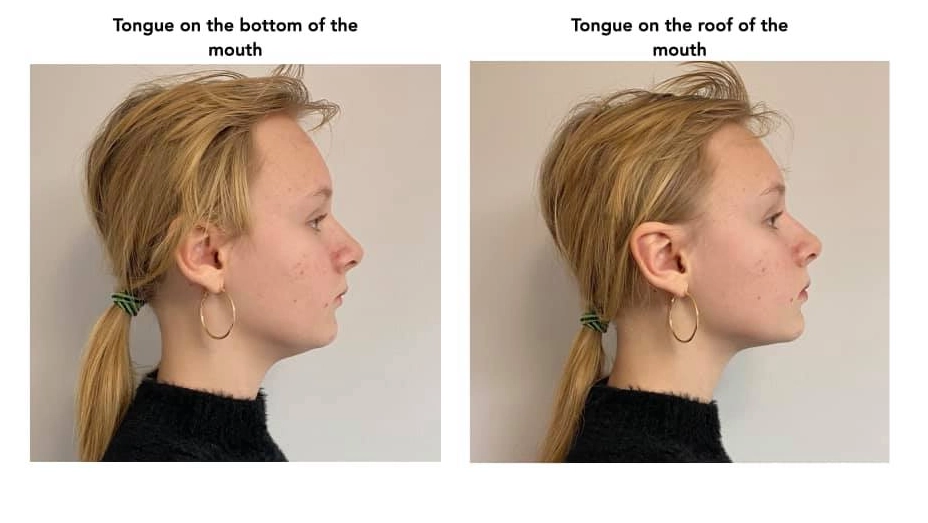
Side Sleeping and Stomach Sleeping: The Trade-Offs
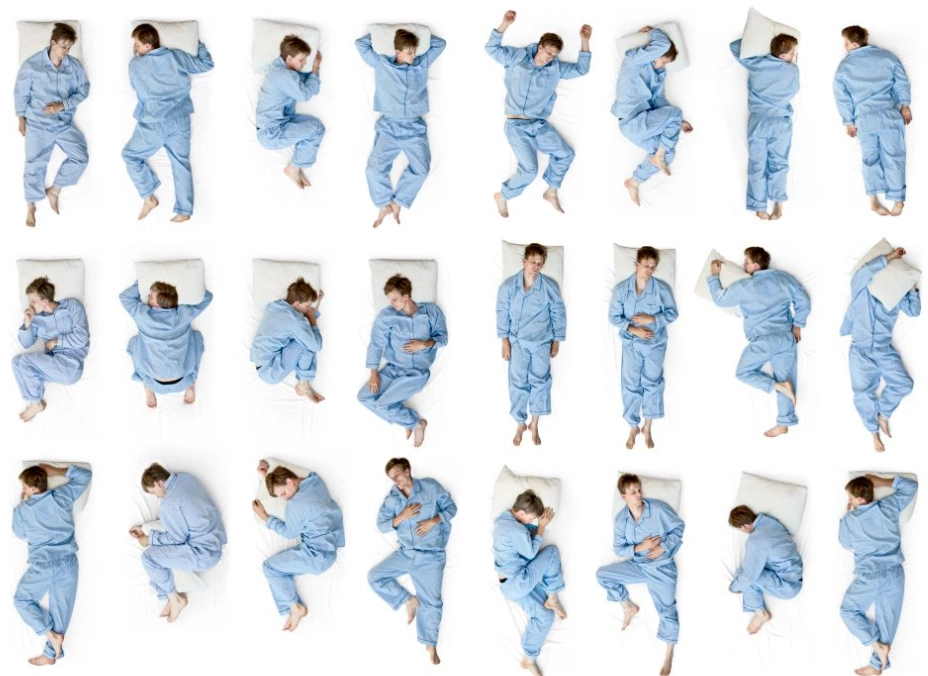
Let's be realistic. Most people don't sleep exclusively on their backs. Here’s a clear breakdown of the other positions and how to mitigate their damage if you can't give them up.
| Sleep Position | Impact on Teeth & Jaw | Mitigation Strategy (If You Must) |
|---|---|---|
| Side Sleeping (Lateral) | Puts direct pressure on the jaw joint of the side you're lying on. Can force the lower jaw sideways, creating a shearing force on teeth and straining the opposite-side muscles. A major contributor to asymmetrical clenching. | Use a very supportive, high-loft pillow to keep your head and neck in line with your spine, preventing your head from sinking and angling your jaw. Consider a contoured pillow with a dent for your shoulder. Switch sides frequently to avoid always loading the same joint. |
| Stomach Sleeping (Prone) | The worst position. Forces you to rotate your head sharply to breathe, twisting your neck and jaw to an extreme degree. Creates immense strain on the TMJ and neck muscles. Often leads to the most aggressive grinding. | This is the hardest habit to justify. The only mitigation is to gradually train yourself out of it. Start by using a very thin pillow or no pillow under your head, and place a firm pillow under your hips and stomach to make the position slightly less comfortable, encouraging a roll to the side. |
| Fetal Position | A curled-up side position. Often leads to a forward head posture and chin tucking, which compresses the jaw joint from the front and increases clenching likelihood. | Try to straighten your posture slightly—less of a tight curl. Use a pillow between your knees to align your hips and reduce the pull on your spine and neck. |
The data from sleep studies, like those referenced by the American Academy of Dental Sleep Medicine, consistently shows a correlation between non-supine sleep and increased sleep bruxism events. Your position sets the stage for what your jaw does all night.
How to Actually Transition to a Better Sleep Position
Telling someone to "just sleep on your back" is useless. Your body seeks familiar, "safe" positions. Here’s a practical, step-by-step method I use with my patients.
Week 1-2: The Setup & Awareness Phase
Don't try to change yet. Just observe. Go to sleep as normal. When you wake up in the middle of the night or in the morning, note your position. Is your jaw clenched? Which side are you on? This builds mindfulness.
Week 3-4: The Support Phase
Invest in your sleep environment.
- Pillow Fortress Method: This works wonders for side sleepers wanting to try back sleeping. Place a standard pillow on either side of you, tucked slightly under your torso. Place a thinner pillow across your chest or under your knees. This creates a gentle, supportive "cradle" that makes rolling over feel less natural and makes the back position feel more secure and enclosed.
- The Specialized Pillow: Consider a wedge pillow or an adjustable bed frame to elevate your upper body slightly. This can reduce snoring and acid reflux, making back sleeping more appealing.
Week 5-6: The Habit-Forming Phase
Start every night on your back. Set an intention. When you catch yourself rolling over in the night, gently roll back. Don't get frustrated; it's a process. Consistency here is more important than perfection.
For chronic stomach sleepers, the transition is tougher. Try the "half-side" position first. Lie on your side but angle your top leg forward with a pillow for support, almost as if you're starting to roll onto your stomach. This satisfies some of the frontal pressure craving while reducing the severe neck twist.
Your Questions Answered
I’m a lifelong side sleeper. Is it really worth trying to change for my teeth?
What if I can only fall asleep on my stomach?
Does the type of mattress affect jaw clenching?
 I wear a nightguard. Do I still need to worry about sleep position?
Can a good sleep position fix my TMJ disorder?