Quick Guide
- Where Did This "Slimmer Face" Myth Even Come From?
- The Real Science: Why Your Face Shape Stays (Mostly) The Same
- But Wait, I Felt Different! What's Actually Going On?
- What Actually CAN Change Your Facial Structure (Spoiler: It's Not Simple)
- So, Should You Still Get Your Wisdom Teeth Out?
- Your Practical Guide: Before, During, and After
- Frequently Asked Questions (The Stuff You're Actually Searching For)
- Final Word: Health Over Hype
So you're thinking about getting your wisdom teeth out. Maybe they're causing pain, maybe your dentist recommended it, or maybe – just maybe – you've heard that rumour floating around the internet and your friend group. You know the one. The whisper that getting your wisdom teeth extracted can slim your face, define your jawline, and give you a whole new look.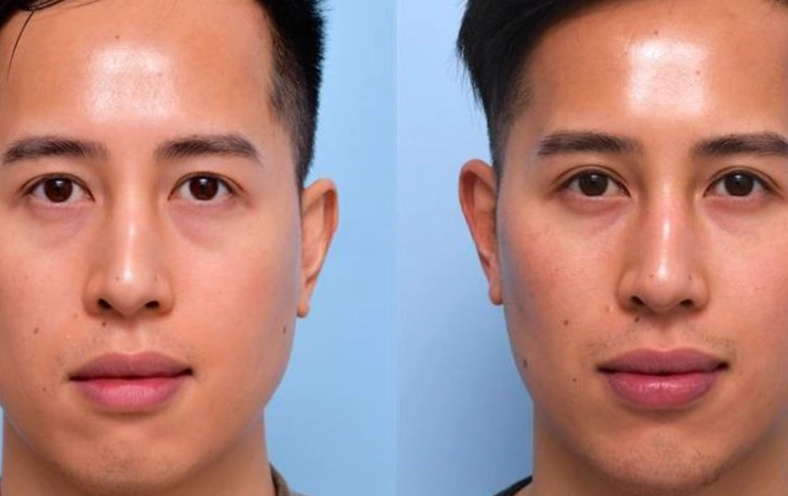
I remember my friend Sarah being convinced of this before her surgery. She was almost excited about the pain because she had this image in her head of a more sculpted, V-shaped face afterwards. A few weeks post-op, swollen like a chipmunk, she was asking me in a panic if her face would stay that way. It didn't, of course. But it got me digging into the real story.
The short, no-nonsense answer to the burning question does removing wisdom teeth change face shape in a permanent, structural way is: No, it does not.
Let me say that again for the people in the back.
Permanently altering your bone structure? Slimming your jaw? That's not how it works. But why is this myth so persistent, and what actually happens to your face? That's where things get interesting, and where a lot of the confusion – and sometimes disappointment – comes from.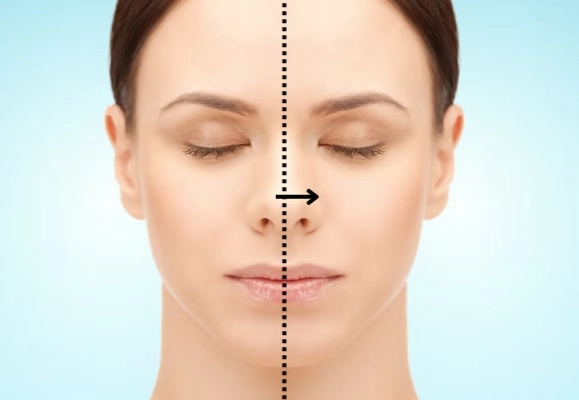
Where Did This "Slimmer Face" Myth Even Come From?
Okay, let's be detectives for a second. This idea didn't just pop out of nowhere. I think it's a cocktail of a few things people see and feel, all mixed together into a convincing, but wrong, conclusion.
First, there's the massive, temporary swelling. After surgery, your cheeks puff up. It's normal, it's expected, and it looks pretty dramatic. When that swelling goes down over the next week or two, your face looks slimmer compared to its swollen state. It's like after a bad allergy attack – your face goes back to normal, and normal feels leaner. People mistake this return to baseline for a new, improved baseline.
Then, there's the weight loss. Let's be honest, you're not exactly feasting on steak and apples after oral surgery. A diet of yogurt, mashed potatoes, and soup for several days can lead to a few lost pounds. Less body fat, especially combined with reduced swelling, can make your face appear a bit leaner. But that's a diet effect, not a surgery effect.
Finally, I blame pop culture and anecdotal stories. A celebrity gets their wisdom teeth out, lays low for a week, and emerges looking fabulous. The tabloids link the two events. Or your cousin swears her jawline got better. Confirmation bias kicks in, and a myth is born.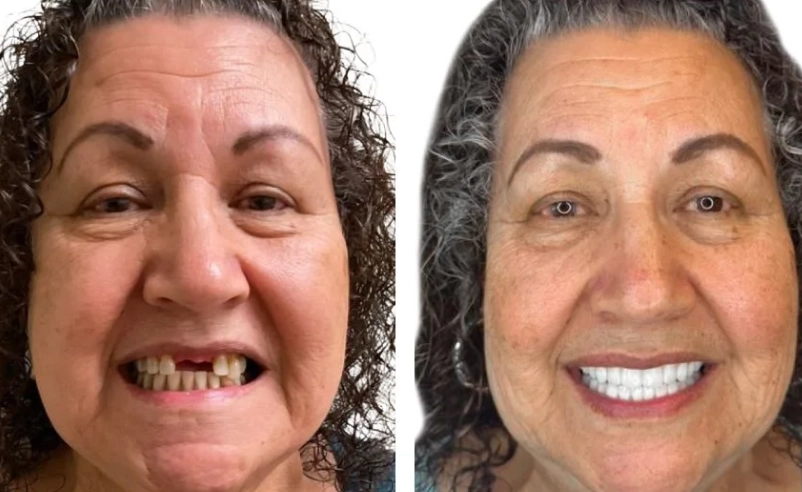
| The Common Myth (What People Think Happens) | The Biological Truth (What Actually Happens) |
|---|---|
| Permanent slimming of the jawline because the jawbone shrinks or reshapes after the teeth are removed. | The jawbone does undergo a process called "remodeling" in the empty socket, filling it in with bone over months. This is a very localized change inside the jaw, not on its outer contours. It doesn't reduce the width or length of your jawbone. |
| Cheekbones become more prominent due to the removal of underlying teeth. | Your cheekbones (zygomatic bones) are located higher up and are completely separate from your wisdom teeth. Their shape and prominence are genetically determined and unrelated to dental procedures in the lower jaw. |
| The face gets a "V-shape" or more defined angle from the extraction. | The angle of your jaw is set by your mandible's anatomy. Removing teeth from the very back does not alter this angle. Any perceived definition is usually from reduced swelling or muscle changes from a soft food diet. |
| Wisdom teeth "push" other teeth, making the front teeth crowded and the arch wider. Removing them relieves this pressure. | This is a debated topic in dentistry. While wisdom teeth can be a contributing factor to crowding, the primary driver is often natural growth and tongue/pressure habits. Removing them does not automatically cause front teeth to straighten or the arch to narrow noticeably. |
The Real Science: Why Your Face Shape Stays (Mostly) The Same
To understand why wisdom teeth removal doesn't change facial structure, you need to know what actually determines your face shape. It's not your back molars.
The Four Pillars of Your Face
Your facial appearance rests on four main components:
- Bone Structure: This is the foundation. Your skull, jawbone (mandible), and cheekbones. This is genetic and changes significantly only with major growth during youth or surgical intervention like orthognathic surgery. Removing a tooth doesn't reshape this foundation.
- Muscles: The masseter muscles (your main chewing muscles) on the sides of your jaw. If you eat a very soft diet for weeks, these muscles can temporarily atrophy (shrink) slightly, which might make the lower face appear less broad. But they bounce back once you resume normal chewing.
- Fat & Soft Tissue: Subcutaneous fat and skin elasticity. This changes with age, weight fluctuation, and genetics.
- Teeth & Dental Arches: Teeth support the lips and cheeks. Losing many teeth, especially in the front, can cause lips to sink in. But losing one or two molars in the very back? The impact on facial support is minimal to none.
A wisdom tooth sits embedded in your jawbone. When it's removed, the surgeon takes out the tooth and sometimes a tiny bit of surrounding bone. The body then heals the socket. There's no mechanism by which this procedure shaves down the outer, visible edge of your jawbone or pulls your cheeks inward.
So, does extracting wisdom teeth change face shape permanently? Scientifically, it's a dead end.
But Wait, I Felt Different! What's Actually Going On?
This is the crucial part. Just because the bone doesn't change doesn't mean you won't feel or see temporary differences. Let's break down the real, tangible effects you might experience.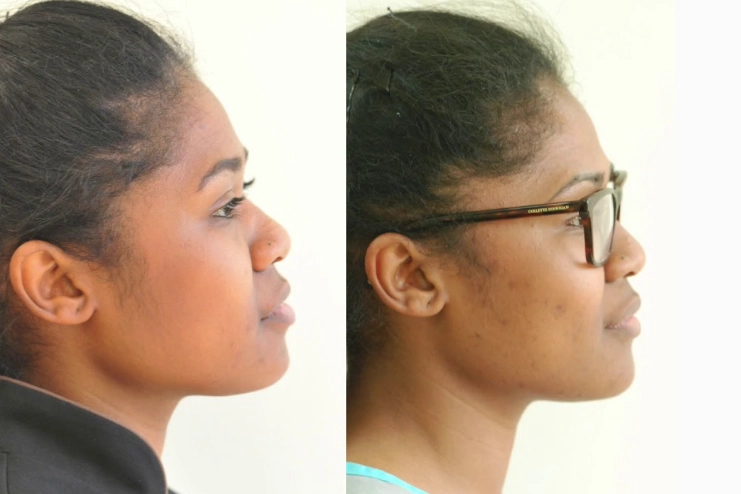
The Swelling Saga (The Biggest Illusion)
This is the main actor in our drama. Post-operative swelling peaks around 48-72 hours after surgery. It can be significant, making your face look round and full. According to patient resources from the American Association of Oral and Maxillofacial Surgeons (AAOMS), swelling is a normal inflammatory response. As it subsides over 7-14 days, your face returns to its pre-surgery dimensions. The contrast makes you think you've achieved a slimmer look, but you're just getting back to normal.
Muscle Matters: The "Masseter Vacation"
You'll be on a soft diet. No tough meats, nuts, or chewy bread for a while. Your powerful masseter muscles, used to hard work, get a break. Like any muscle that isn't used, they can lose a tiny bit of bulk. This might lead to a slight reduction in the width of your lower face. But it's temporary. Once you're back to eating normally, the muscles tone up again. Some people even clench or grind more after surgery due to stress, which can make the muscles bigger!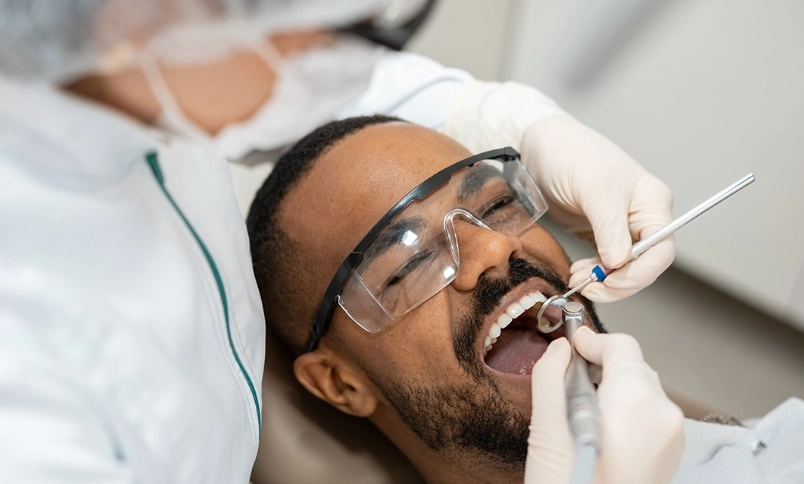
Persistent Swelling and Subtle Changes
Here's a nuance most articles miss. Sometimes, a small amount of swelling, especially deep in the tissues, can linger for weeks or even a few months. It's not the dramatic chipmunk look, but a subtle fullness. When this finally resolves completely, you might notice your face looks a tad more defined. Again, this is just the final exit of inflammation, not a structural change. Also, if your wisdom teeth were partially erupted or causing low-grade infections, their removal eliminates that constant source of irritation and minor swelling, allowing your face to settle into its true, healthy state.
What Actually CAN Change Your Facial Structure (Spoiler: It's Not Simple)
If you're genuinely concerned about your facial shape or jawline, it helps to know what factors are actually in the driver's seat. This puts the wisdom teeth question into perspective.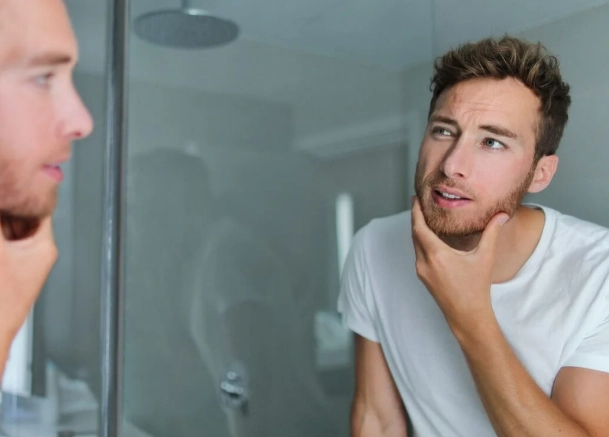
Here’s a quick list of what truly influences the shape of your face:
- Genetics: The blueprint. You can't fight this one.
- Age: Bone density decreases, fat pads shift, skin loses elasticity. This changes the face profoundly over decades.
- Weight Fluctuations: Gaining or losing body fat significantly alters facial fullness.
- Major Dental/Orthodontic Work: Procedures like orthognathic (jaw) surgery literally reposition the jawbones. Comprehensive orthodontics with extractions (like premolars) and braces can change the dental arch and lip support, affecting profile.
- Habits: Chronic mouth breathing, tongue posture, and prolonged thumb-sucking (in youth) can influence facial development.
- Medical Conditions: Certain endocrine disorders or conditions like bruxism (severe teeth grinding) can alter muscle size and bone.
See? Removing third molars isn't on that list. It's a health procedure, not a cosmetic one.
So, Should You Still Get Your Wisdom Teeth Out?
Absolutely, if there's a valid dental reason! The decision should never be based on the hope of a slimmer face. You'll be disappointed, and that's a bad reason to go through surgery.
The real, evidence-based reasons for extraction are what you should discuss with your dentist or oral surgeon. The Mayo Clinic lists common issues like impaction (teeth trapped in the jaw), crowding of other teeth, pain, cysts, gum disease, and tooth decay. That's the real value of the procedure: preventing pain, infection, and damage to your other teeth.
Going in with realistic expectations about does wisdom tooth extraction alter facial structure will make your recovery a lot less stressful. You won't be anxiously measuring your jawline in the mirror every day.
Your Practical Guide: Before, During, and After
Before Surgery: Setting Realistic Expectations
Talk to your surgeon. Ask them point-blank: "Will this change the shape of my face?" A good surgeon will tell you the truth about swelling and the lack of permanent change. Use this time to prepare: get your soft foods, ice packs, and pain meds ready. Mentally prepare for swelling, not for a new face.
Managing Swelling and Discomfort
This is key to a comfortable recovery and to understanding the process.
- Ice is Your Best Friend: Apply ice packs to your cheeks (20 minutes on, 20 minutes off) for the first 48 hours to minimize swelling.
- Keep Your Head Elevated: Sleep propped up with extra pillows for the first few nights. Gravity is not your enemy here.
- Follow Medication Instructions: Take prescribed anti-inflammatories to help control the swelling response.
- Soft Diet: Stick to it. It prevents irritation and gives the sites time to heal.
The Recovery Timeline: What to Expect in the Mirror
Let's map out the typical visual journey, so you're not surprised.
Days 1-3: Peak swelling. Your face will look its fullest and potentially asymmetrical.
Days 4-7: Swelling begins to subside noticeably. Bruising may appear and then fade (yellowish hues).
Week 2: Majority of swelling is gone. You probably look pretty much like your old self. Any lingering "fullness" is likely minor residual swelling.
Weeks 3-6: Healing continues beneath the gums. Your face should be visually back to normal. Any final subtle resolution of swelling happens here.
Months 3-6+: Bone healing in the sockets is complete. Your face shape is exactly as it was before the procedure, minus the problematic teeth.
Frequently Asked Questions (The Stuff You're Actually Searching For)
Let's tackle some related questions that pop up when people dig into this topic. These are the real queries I had and have seen everywhere.
Can wisdom teeth removal cause sunken cheeks?
Extremely unlikely from wisdom teeth alone. Sunken cheeks (loss of buccal fat) are typically due to aging, significant weight loss, or the removal of many teeth, especially premolars and molars closer to the front that support the cheek. The wisdom teeth are too far back to provide that kind of structural support for the mid-face.
I've seen "before and after" photos online that show a difference. How?
Be very skeptical. Lighting, angles, makeup, weight loss, time of day, and facial expression can drastically alter photos. A true before/after would need to be taken under identical conditions, months apart, with no other lifestyle changes. Most of what you see is either the swelling subsiding or photographic manipulation (intentional or not).
Does age matter? Would it change a teenager's face more?
No, not in terms of permanent bone structure change. However, a younger person (late teens/early 20s) generally has more elastic skin and tissues, so they might heal faster and swelling may resolve more completely and quickly. Their bone is also more vascular and may heal the socket faster. But the fundamental answer to does removing wisdom teeth change face shape permanently remains the same at any age: no.
What about the roots? My roots are really long/big—surely that matters?
Even large roots are housed within the jawbone. Their removal doesn't alter the external contour of the bone. It's like removing a deep fence post from the ground—the hole gets filled in, but the shape of the yard's border doesn't change.
Could it change my smile or profile?
Directly, no. Your smile is determined by your front teeth and lips. Wisdom teeth are not visible when you smile. Your profile is determined by your jaw position, chin, nose, and lip support. Since wisdom teeth don't affect those, your profile won't change from their removal.
My face feels narrower after surgery. Is it in my head?
Probably not entirely! It could be the combination of reduced long-term inflammation (if the teeth were problematic) and temporary masseter muscle relaxation from the soft diet. This can create a genuine sensation and appearance of slight narrowing. The key is to recognize it as a temporary or minor soft-tissue change, not a permanent skeletal one.
Final Word: Health Over Hype
Look, I get it. The idea of a two-for-one deal—fix a dental problem and get a cosmetic upgrade—is incredibly appealing. Who wouldn't want that? But in medicine and dentistry, things are rarely that simple.
The question of does removing wisdom teeth change face shape has a very clear, science-backed answer. It's a myth born from misunderstanding temporary post-surgical effects. The real benefits of wisdom tooth removal are about oral health: relieving pain, preventing infection, avoiding damage to other teeth, and stopping cysts from forming.
Go into your consultation armed with this knowledge.
Ask about the real risks and benefits. Focus on the health of your mouth. And you can completely let go of the anxiety about your face changing permanently. What you'll see in the mirror after the healing journey is you—the same you, just without the hassle of those pesky third molars. And that, in my opinion, is the best outcome of all.
Leave a Reply