You’re standing in the oral care aisle, and your eye catches a tube labeled “natural” and “fluoride-free.” Maybe you’ve heard concerns about fluoride, or you’re looking for a cleaner ingredient list. The choice seems straightforward, but is it? As someone who’s tried more tubes of toothpaste than I care to admit—from mainstream gels to gritty charcoal mixes—I can tell you the switch isn’t as simple as grabbing the first green-labeled box. Going fluoride-free is a conscious decision that changes the fundamental chemistry of your oral care routine. Let’s cut through the marketing and look at what these products really do, who they’re for, and how to pick one that won’t leave your dentist frowning.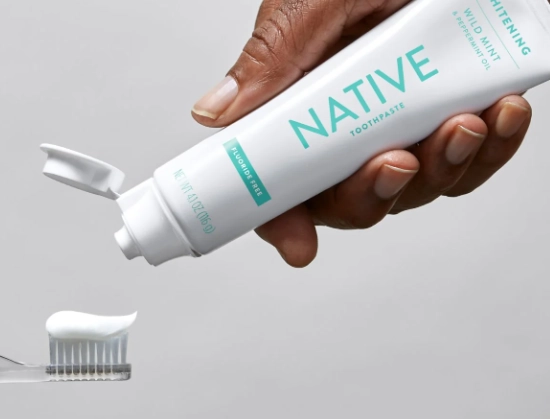
What's Inside This Guide
Why People Are Choosing Fluoride-Free Toothpaste
It’s not just a trend. People have specific reasons for ditching fluoride, and understanding them helps you decide if your reason is among them.
Health and Toxicity Concerns: This is the big one. The fear stems from fluoride’s potential toxicity in high doses (fluorosis). While the fluoride concentration in toothpaste is regulated for safety, the “what if” lingers, especially for parents of small children who swallow more than they spit. The National Institutes of Health libraries contain studies on fluoride exposure, which fuel this debate. For individuals with thyroid conditions, some alternative health practitioners suggest avoiding fluoride due to its potential to interfere with iodine uptake, though mainstream consensus is still evolving.
Allergies or Sensitivities: It’s rare, but some people experience contact dermatitis or mouth sores (stomatitis) from fluoride or, more commonly, from the foaming agent SLS often paired with it in conventional pastes. Going fluoride-free often means entering the realm of “cleaner” formulas that also eliminate SLS, artificial flavors, and sweeteners.
Philosophical or Dietary Preferences: If you follow a strict natural or holistic lifestyle, you might prefer products that source minerals and cleaners from earth-derived ingredients like clay, calcium carbonate, or silica, rather than a synthetically produced compound like fluoride.
The Other Side of the Coin: Let’s be clear. The American Dental Association and most dentists globally firmly endorse fluoride as a safe and effective cavity fighter. Decades of public health data link fluoridated water and toothpaste to a significant drop in tooth decay. Choosing to go without fluoride means taking on more personal responsibility for your cavity prevention strategy. It’s not a decision to make lightly because you liked the packaging.
A Breakdown of Key Fluoride-Free Ingredients
Without fluoride, other ingredients must step up. Here’s what to look for on the label.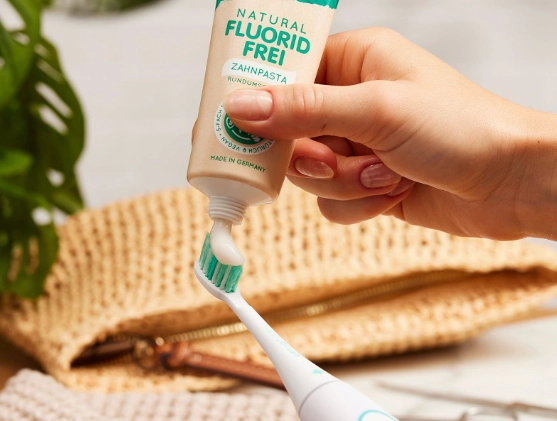
The Cleaners (Abrasives)
These physically scrub away plaque and stains. Not all are created equal.
- Calcium Carbonate: A common, gentle abrasive from chalk or limestone. It’s effective and mild, great for daily use.
- Hydrated Silica: A purified sand derivative. It’s excellent for polishing teeth and is often found in whitening pastes. Look for it in a fine, smooth form.
- Baking Soda (Sodium Bicarbonate): Mildly abrasive, but its real benefit is raising the pH in your mouth, creating an environment where bad bacteria struggle. It’s a good team player.
- Be Wary of: Some “natural whitening” pastes use activated charcoal or large-particle clays. These can be too abrasive (high RDA) for daily use, potentially wearing down enamel over time. Use them sparingly, if at all.
The Cavity Fighters (Remineralizing Agents)
This is the critical category. Fluoride works by forming a new, stronger mineral layer (fluorapatite). Non-fluoride options use different pathways.
| Ingredient | How It Works | Best For |
|---|---|---|
| Hydroxyapatite (nHAP or mHAP) | It’s the primary mineral that makes up your tooth enamel. Nano or micro-sized particles fill in microscopic grooves and demineralized areas, rebuilding enamel from the inside out. Research in the Journal of Clinical Dentistry shows it’s highly effective. | Anyone seeking a direct fluoride alternative for remineralization; people with sensitivity. |
| Xylitol | This sugar alcohol doesn’t kill bacteria, but it starves the harmful ones (S. mutans) that cause cavities. They can’t metabolize it, so their acid production plummets. It also stimulates saliva flow. | Great as a supporting ingredient, especially in pastes for kids or high-cavity-risk individuals. Look for it high on the list. |
| Calcium Phosphates (e.g., CCP-ACP) | These compounds deliver calcium and phosphate ions—the building blocks of hydroxyapatite—to the tooth surface, promoting natural remineralization. | Supporting enamel repair, often found alongside other active ingredients. |
The Soothers and Fighters
Aloe Vera, Coconut Oil, Tea Tree Oil: These provide anti-inflammatory and antimicrobial benefits. They can soothe gum irritation (gingivitis). Tea tree oil has strong evidence for fighting plaque-forming bacteria, but use it in diluted forms as in toothpaste—never pure.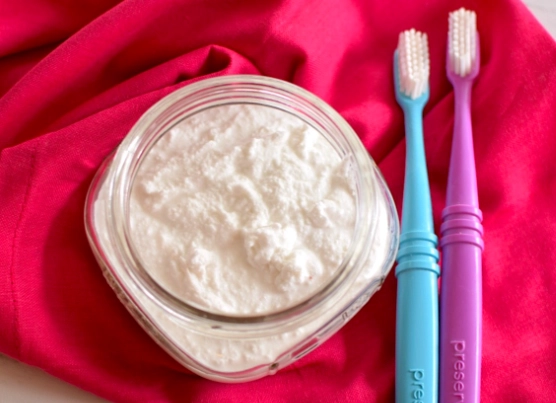
How to Choose the Right Fluoride-Free Toothpaste for You
Stop browsing by brand name. Start reading the “Active Ingredients” or “Purpose” section. Match the formula to your specific need.
Scenario 1: You’re cavity-prone and worried.
Priority: Max remineralization.
Look for: Hydroxyapatite as the first active ingredient. Xylitol should also be in the top five. Avoid pastes that are just herbal extracts and flavoring—they’re more of a breath freshener than a therapeutic paste.
Scenario 2: You have sensitive teeth.
Priority: Tubule occlusion and gentle cleaning.
Look for: Hydroxyapatite or arginine/calcium carbonate combinations. Ensure the abrasive is calcium carbonate or hydrated silica (not charcoal). Avoid whitening formulas initially.
Scenario 3: It’s for your toddler who swallows everything.
Priority: Safety and cavity prevention.
Look for: A kids’ formula with xylitol as the main active. The ingredient list should be short, recognizable, and free of SLS and artificial dyes. The flavor should be something they’ll actually tolerate (think mild fruit, not strong mint).
Scenario 4: You want a natural whitening effect.
Priority: Stain removal without damage.
Look for: Hydrated silica or fine calcium carbonate as the abrasive. Enzymes like papain can help. Steer clear of pastes that feel gritty or sandy between your fingers—that’s a sign of high abrasivity.
Common Mistakes to Avoid When Switching
I’ve made some of these myself. Learn from my wasted money and one regrettable charcoal episode.
Mistake 1: Assuming “Natural” = “Effective.” A paste with pretty pictures of plants might clean your teeth no better than water. Check for at least one proven active ingredient (xylitol, hydroxyapatite, etc.) with a specific purpose.
Mistake 2: Overlooking Abrasivity. That crunchy, “deep clean” feeling can be enamel erosion in disguise. If a paste leaves a lot of gritty residue in your sink, be skeptical.
Mistake 3: Not Adjusting Your Routine. Without fluoride’s protective residual film, consistency matters more. Brushing twice a day for two minutes is non-negotiable. Flossing becomes even more critical to disrupt plaque between teeth where your paste can’t reach.
Mistake 4: Expecting Identical Results. Your mouth might feel different. Some natural pastes don’t foam much (if they’re SLS-free). The flavors are often more subtle. Give it a two-week adjustment period before you judge.
Your Top Questions, Answered
Can fluoride-free toothpaste effectively prevent cavities?
Is fluoride-free toothpaste safe for young children who might swallow it?
My teeth feel sensitive. Will switching to a natural, fluoride-free toothpaste make it worse?
I want whiter teeth. Do any fluoride-free toothpastes work for whitening?
The final word? Fluoride-free toothpaste is a legitimate and often excellent choice for many people, but it’s not a one-size-fits-all solution. It requires you to become a more informed consumer. Read labels like you’re reading a map—the ingredients list tells you exactly where that tube will take your oral health. Pair your choice with diligent brushing, flossing, and regular dental checkups. Your dentist might raise an eyebrow at first, but if you can explain *why* you chose a specific hydroxyapatite or xylitol formula, you’re already having a more productive conversation about your health.
Leave a Reply