That minty-fresh burn feels like a clean slate for your mouth. You rinse, spit, and go about your day convinced you've just given your oral hygiene a gold star. But what if that daily ritual is doing more harm than good? As someone who's spent over a decade in dental health education, I've seen a troubling pattern. Patients rely on mouthwash as a magic bullet, often ignoring the nuanced picture. The truth is, for many people, the cons of mouthwash significantly outweigh the advertised benefits. It's not just about alcohol content anymore; it's about disrupting a delicate ecosystem and masking problems that need real solutions.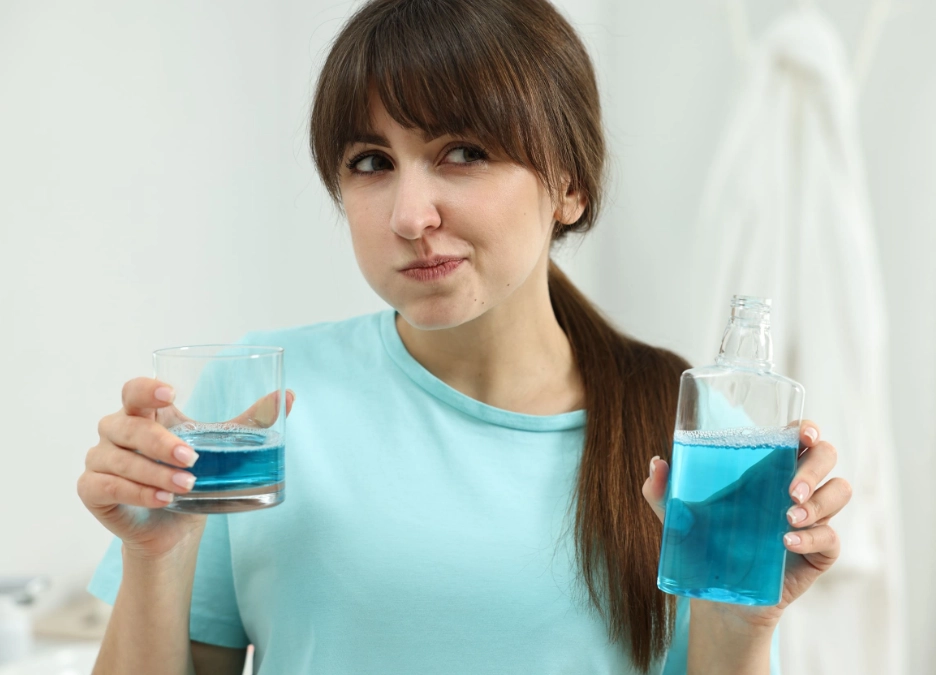
What You'll Learn in This Guide
The Big Problem: Mouthwash as a Symptom Mask, Not a Cure
Here's the core issue most ads don't mention: mouthwash is fantastic at covering up the smell of a problem, but terrible at fixing the cause. Chronic bad breath (halitosis) isn't a "mint deficiency." It's usually a signpost. That signpost could be pointing to gum disease, tonsil stones, post-nasal drip, digestive issues, or simply a dirty tongue. By blasting your mouth with chemicals that kill odor-causing bacteria for a few hours, you're silencing the alarm bell. You feel better temporarily, but the underlying condition—like gingivitis—continues to worsen unchecked. I've had patients come in with surprisingly "fresh" breath but advanced gum recession because they used mouthwash twice a day instead of flossing.
A Quick Reality Check
Think of your mouth like a garden. Good bacteria (the beneficial insects and worms) and bad bacteria (the pests) exist in a balance. Most mass-market mouthwashes are like spraying a broad-spectrum pesticide. They wipe out everything—good and bad—disrupting the soil health and making the garden vulnerable to the next wave of pests, which might be worse.
The 7 Key Risks and Downsides of Mouthwash
Let's break down the specific, evidence-backed reasons why you might want to rethink that swish.
1. It Can Disrupt Your Oral Microbiome (The "Hot" Topic)
This is the most significant, yet least discussed, con. Your mouth hosts a complex community of over 700 species of bacteria. Many are essential for health—they aid in digestion, regulate pH, and even protect against pathogens. Antimicrobial mouthwashes (especially those with chlorhexidine or high alcohol) are indiscriminate killers. A landmark study in NPJ Biofilms and Microbiomes found that chlorhexidine mouthwash drastically reduces microbial diversity and increases the abundance of acid-producing species linked to caries. You're not just killing "bad guys"; you're decimating the friendly neighborhood watch, potentially leaving your mouth more susceptible to problems in the long run.
2. Alcohol-Based Washes Cause Dry Mouth
Alcohol is a desiccant—it dries things out. That intense, clean feeling? Part of that is the stripping away of saliva. Saliva isn't just water; it's your mouth's natural defense system. It washes away food particles, neutralizes acids produced by plaque bacteria, and contains minerals that help repair early tooth decay (remineralization). Chronic dry mouth (xerostomia) significantly increases your risk for cavities, gum disease, and oral infections. If you're using an alcohol-based rinse multiple times a day, you're actively working against one of your body's best protective mechanisms.
3. It May Increase Blood Pressure
This one surprises people. Research published in the journal Frontiers in Cellular and Infection Microbiology has explored the link between oral bacteria and nitric oxide, a molecule crucial for regulating blood pressure. Some beneficial oral bacteria help convert dietary nitrate (from leafy greens) into nitrite, which then becomes nitric oxide in the body. By wiping out these bacteria, certain mouthwashes may interfere with this pathway. A study in Free Radical Biology and Medicine observed a noticeable increase in blood pressure after participants used an antibacterial mouthwash twice daily for a week. If you have hypertension or are pre-hypertensive, this is a serious consideration.
4. Link to Oral Cancer Risk (The Controversy, Explained)
The link between alcohol-containing mouthwash and oral cancer is not definitive, but it's a persistent concern that warrants caution. The International Agency for Research on Cancer (IARC) classifies acetaldehyde (a metabolite of alcohol) as a Group 1 carcinogen. When you swish high-alcohol mouthwash, you're creating acetaldehyde right in your oral tissues. The risk is considered higher for people who also smoke or drink alcohol heavily, as the effects compound. While more research is needed, why take the chance when effective alcohol-free options exist? It's a risk-benefit analysis that, for daily use, often doesn't add up.
5. Tooth Staining and Altered Taste
Chlorhexidine gluconate, the gold-standard prescription rinse for severe gum disease, is notorious for causing brown stains on teeth and tooth-colored fillings. It binds to the pellicle layer on your teeth, and tannins from food and drink then stick to it. Many over-the-counter antiseptic washes can cause milder versions of this. Furthermore, both chlorhexidine and some cetylpyridinium chloride (CPC) rinses can temporarily—and sometimes permanently—alter your sense of taste, making food taste metallic or bland. Not exactly a fair trade for fresh breath.
6. Chemical Burns and Irritation
Have you ever felt a raw, peeling sensation on the inside of your cheeks or gums after using a strong mouthwash? That's a chemical irritation. High alcohol content, harsh detergents like sodium lauryl sulfate (SLS), and strong essential oils can damage the delicate mucosal lining of your mouth. This is especially problematic for people with conditions like canker sores, oral lichen planus, or those undergoing chemotherapy. The damaged tissue is more vulnerable to infection and discomfort.
7. Creating "Superbugs" and Yeast Overgrowth
Just like overusing antibiotics, the routine use of broad-spectrum antibacterial mouthwash can promote bacterial resistance. You might be selecting for tougher, more resistant strains of bacteria in your mouth. Additionally, by clearing the bacterial field, you can inadvertently create space for an overgrowth of yeast, leading to oral thrush (a white, cottage-cheese-like coating). I see this most often in elderly patients or denture-wearers who use mouthwash excessively.
Who Should Absolutely Avoid or Be Cautious with Mouthwash?
Based on the risks above, certain groups should be particularly wary.
- Children under 6: High risk of swallowing, and their oral microbiome is still developing.
- People with chronic dry mouth: Sjögren's syndrome, medication side effects, etc. Alcohol-based rinses will make it worse.
- Individuals with high blood pressure: Given the potential nitric oxide pathway disruption.
- Those with a history of oral cancer or high risk: Especially smokers and heavy drinkers.
- People with sensitive mouths or mucosal conditions: Canker sore sufferers, those with oral lichen planus.
- Anyone using it as a substitute for brushing and flossing: This is the most dangerous user of all.
What to Use Instead: Safer Paths to a Healthy Mouth
If you're ditching the harsh rinse, what actually works? Focus on mechanical cleaning and supporting your natural biology.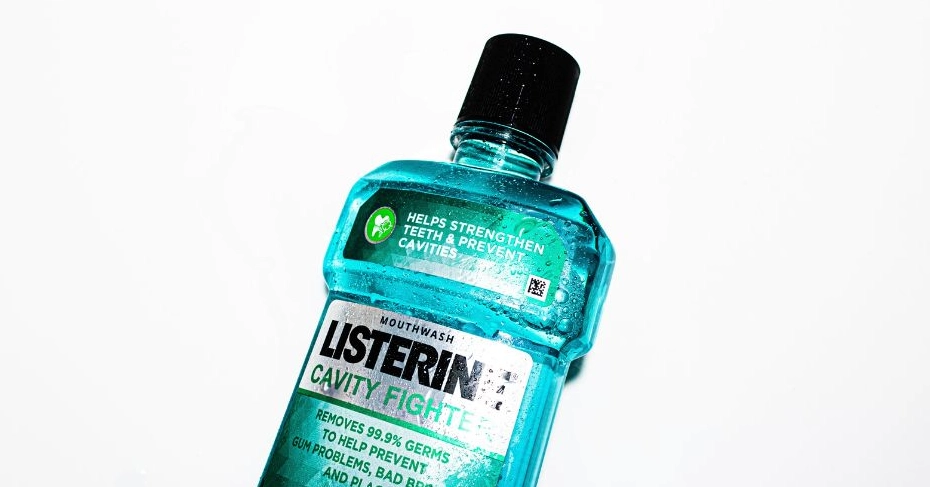
| Alternative Strategy | How It Works | Why It's Better |
|---|---|---|
| Proper Brushing & Flossing | Physically removes plaque biofilm from all tooth surfaces and under the gumline. | Addresses the root cause of decay and gum disease. No chemicals needed. |
| Tongue Scraping | Gently removes odor-causing bacteria and debris from the tongue's surface. | Directly targets a primary source of bad breath. Immediate results. |
| Xylitol Products | Xylitol (in gums, mints, or certain rinses) inhibits cavity-causing bacteria without killing them. | Disrupts bad bacteria's ability to stick to teeth, is saliva-stimulating. |
| Alcohol-Free, Fluoride Rinses | Provides a topical fluoride boost to strengthen enamel without drying tissues. | Addresses cavity prevention specifically, without the microbiome nuke. |
| Probiotic Lozenges | Introduces specific strains of beneficial bacteria to support a healthy oral balance. | Actively works to rebuild a protective microbiome. A proactive approach. |
| Hydration & Diet | Drinking water and eating crunchy, fibrous foods (apples, carrots) cleanses naturally. | Supports saliva flow and provides natural cleansing action. |
My personal go-to for patients complaining of bad breath is a three-step, chemical-free routine: 1) Brush thoroughly (don't forget the gumline), 2) Floss to remove the hidden plaque between teeth, and 3) Scrape the tongue from back to front. Try this for a week before you even consider a rinse. You'll be shocked at the difference.
Your Burning Questions Answered
 Can mouthwash actually cause cavities?
Final Thought
View mouthwash not as a foundational pillar of oral hygiene, but as a potential adjunct—and a problematic one at that. The bedrock of health will always be the mechanical removal of plaque through brushing and flossing. If you choose to use a rinse, be selective. Opt for alcohol-free, avoid daily use of antibacterial kinds, and never let it replace the real work. Your mouth is an ecosystem, not a sterile battlefield. Sometimes, the best way to care for it is to support its natural balance rather than launching a chemical warfare campaign every morning.