Let's be brutally honest right up front: if you have a true cavity—a physical hole in your tooth—you cannot heal it at home in 2 days. Anyone promising that is selling you fantasy, and following their advice could cost you your tooth. I learned this the hard way years ago, putting off a dentist visit for a "miracle" rinse I found online. The result was a root canal.
But here's the real, useful truth your search is leading you to: you can dramatically influence your oral health at home. You can stop a cavity from getting worse. You can relieve pain temporarily. And, if you catch decay at its earliest possible stage, you can support your body's natural ability to remineralize weakened enamel. That process, however, takes weeks or months, not days.
This guide cuts through the hype. We'll look at what's actually possible in a short timeframe, what science says works for long-term tooth health, and the clear signs that mean you must see a dentist, now.
What You'll Find in This Guide
Why the "Heal in 2 Days" Idea is a Myth
Tooth enamel is the hardest substance in your body, but it's not living tissue. Once it's gone, it's gone. A cavity is the result of a prolonged acid attack. Bacteria in plaque feast on sugars and starches, producing acid that dissolves minerals (calcium and phosphate) from the enamel. This is demineralization.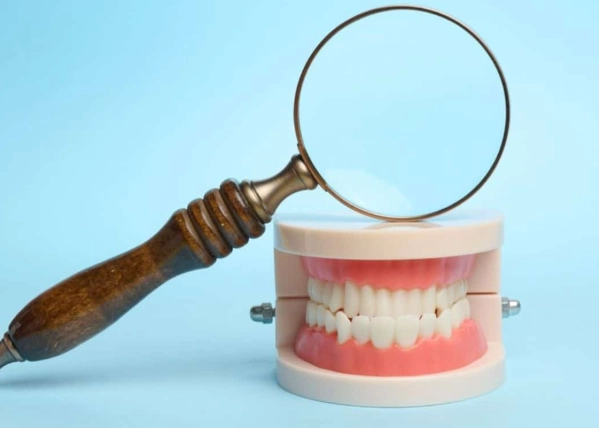
Think of it like a brick wall. Early decay is like the mortar between the bricks getting soft and crumbly. This stage, a "white spot lesion," is where remineralization can work. But a cavity is a hole—bricks have fallen out. You can't grow new bricks in two days. No diet, oil, or supplement can magically fabricate new enamel structure to fill that hole.
Early Demineralization vs. a Cavity
This is the crucial distinction most people miss.
- Early Demineralization (White Spot): The enamel is weakened but intact. It looks like a chalky white area. No hole. This is potentially reversible with dedicated care.
- Cavity (Caries): The enamel structure has collapsed, creating a pit or hole. It may look brown or black. This requires a dentist to clean out the decay and restore the tooth with a filling.
Your goal with home care is to catch and address the first stage, and to prevent the first stage from ever happening.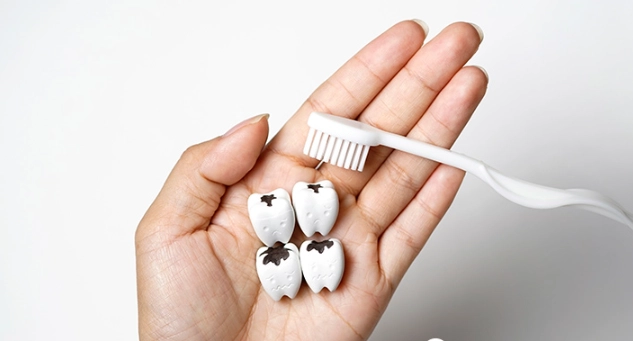
What You CAN Actually Do at Home (Starting Now)
So, if you can't fill a hole in 48 hours, what's the point? The point is to create an oral environment where your teeth can thrive and where early problems can stabilize. This is about damage control and long-term health.
1. Upgrade Your Cleaning Game
Brushing twice a day isn't enough if you have a cavity brewing.
Switch Your Toothpaste: Ditch ordinary paste. Use a fluoride toothpaste. Fluoride is a proven remineralizing agent—it helps attract minerals back into the enamel and forms a stronger structure. If you prefer fluoride-free, look for toothpaste with nano-hydroxyapatite, a biomimetic mineral that is the main component of your tooth enamel. Studies, like those cited by the National Institutes of Health, show it's effective for remineralization.
Floss, Every Single Day: The sides of your teeth where cavities often start are unreachable by a brush. Not flossing is like washing only 65% of your body.
Consider a Mouthwash: Not a cosmetic one. An alcohol-free fluoride or CPC (Cetylpyridinium Chloride) mouthwash can help reduce bacteria in hard-to-reach spots.
2. The Dietary Shift (This is Non-Negotiable)
You can't out-brush a bad diet. It's not just about sugar; it's about acid frequency.
Every time you eat or drink something sugary or acidic (soda, juice, candy, crackers, dried fruit, even wine), your mouth pH drops and stays acidic for 20-30 minutes. This is the demineralization window.
Increase foods rich in calcium, phosphate, and fat-soluble vitamins (A, D, K2). Think dairy, leafy greens, fatty fish, and eggs.
3. Evidence-Based Supporting Acts
These aren't magic cures, but they are powerful supports when used correctly.
- Xylitol: This sugar alcohol starves cavity-causing bacteria. Chewing xylitol gum after meals can help raise mouth pH. Look for gum where xylitol is the first ingredient.
- Oil Pulling: Swishing coconut or sesame oil for 15-20 minutes can reduce bacteria (the American Dental Association notes it may reduce plaque and gingivitis). It's a cleaning aid, not a cavity healer.
- Green Tea: Contains polyphenols that suppress bacteria.
| Home Practice | What It Does | Evidence Level | Realistic Expectation |
|---|---|---|---|
| Fluoride Toothpaste | Promotes remineralization, strengthens enamel | Very High (Decades of research) | Gold standard for prevention & early reversal |
| Nano-Hydroxyapatite Paste | Biomimetic mineral repair | High (Growing clinical data) | Effective alternative to fluoride |
| Daily Flossing | Removes interproximal plaque | Very High | Critical for preventing between-teeth cavities |
| Xylitol Gum | Reduces harmful bacteria, stimulates saliva | Moderate to High | Useful adjunct, especially after meals |
| Oil Pulling | Reduces oral bacteria, may improve gum health | Moderate (for gingivitis) | Supportive hygiene practice, not a cure |
| Diet Low in Sugar/Acid | Reduces demineralization attacks | Very High | The most important foundational change |
Immediate Cavity Pain Relief Strategies
Okay, your tooth hurts now. You need to get through the night or the weekend. Here's what can help temporarily.
Warm Salt Water Rinse: A classic for a reason. Mix half a teaspoon of salt in a glass of warm water. Swish vigorously for 30 seconds. It helps reduce inflammation and draws out fluid from infected tissues, providing temporary relief.
Cold Compress: If there's swelling or throbbing, apply an ice pack wrapped in a towel to the outside of your cheek for 15 minutes on, 15 minutes off.
Clove Oil: Eugenol, the active component, is a natural anesthetic. Dip a cotton swab in clove oil (dilute with a carrier oil if sensitive) and dab it directly on the painful tooth, avoiding the gums. The numbness is real but short-lived.
Over-the-Counter Pain Relievers: Ibuprofen or acetaminophen can take the edge off. Follow the label instructions.
Remember: Pain is a fire alarm. Silencing it doesn't put out the fire. These are triage measures.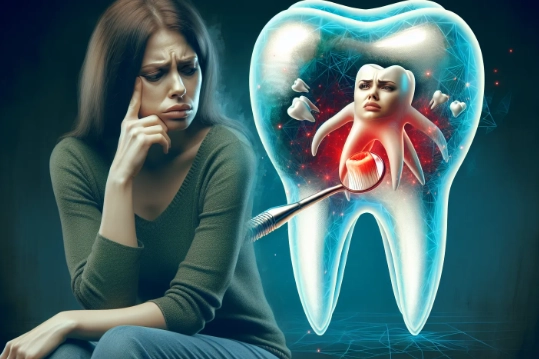
The Real Timeline for Remineralization
If your dentist has identified a white spot lesion (early decay), you have a fighting chance. Here's a realistic action plan.
Weeks 1-2: Aggressive hygiene. Brush with remineralizing toothpaste after meals, floss meticulously, use a fluoride mouthwash. Cut out all between-meal snacks and sugary drinks. You might see a reduction in sensitivity.
Months 1-3: Consistency is key. The white spot may become less noticeable, more shiny, and harder to the touch of a dental probe. Your dentist can monitor this progress.
Ongoing: This becomes your new normal dental hygiene routine. The goal is to arrest the decay and harden the area, preventing it from becoming a cavity.
5 Signs You Need a Dentist, Not a Home Remedy
Home care has its limits. Ignoring these signs is how you lose teeth. I've seen it happen.
- Visible Hole or Dark Spot: If you can see a pit, catch it with your tongue, or see a dark brown/black area, the structure is compromised. It needs professional cleaning and a filling.
- Pain That Wakes You Up at Night: Throbbing, constant pain, especially when lying down, often indicates the decay has reached the pulp (nerve) of the tooth. This is a dental emergency.
- Pain When Biting Down: This can signal an abscess or infection at the root tip.
- Lingering Sensitivity: A quick zap from cold is one thing. Pain that lingers for 10+ seconds after the stimulus is gone means the nerve is irritated, likely by advanced decay.
- Swelling in Your Gums or Face: This is a sign of infection that can spread. Don't wait.
Searching for "how to heal cavities in 2 days at home" comes from a place of fear—fear of pain, cost, or the dentist's chair. I get it. But the most empowering thing you can do is face the reality of the situation. Use the home strategies here to take control of your oral environment, relieve pain temporarily, and support your teeth every day. But respect the red flags. A small filling now is always cheaper, easier, and less painful than a root canal or extraction later.
Your Cavity Home Care Questions Answered
Can coconut oil really heal cavities?
Oil pulling with coconut oil is great for reducing harmful bacteria and improving gum health, but it cannot heal or reverse a formed cavity. Think of it as a powerful cleaning aid that supports the oral environment, making it harder for cavities to start or worsen. It's a fantastic maintenance tool, not a cure for existing structural damage.
What can I do for immediate cavity pain relief at home?
For temporary relief, rinse with warm salt water to reduce inflammation and bacteria. Applying a cold compress to the outside of your cheek can numb the area. Clove oil is a classic remedy; dab a tiny amount on a cotton ball and hold it against the painful tooth for a few minutes (avoid gums). Remember, these are pain management tricks. The pain is a signal the cavity has likely reached the dentin or pulp and needs professional care.
How long does it actually take to remineralize a small cavity?
If you catch decay in its earliest "white spot lesion" stage, it's possible to remineralize and strengthen the area over weeks to months of consistent effort. This isn't a 2-day fix. Success depends on flawless oral hygiene, using fluoride or nano-hydroxyapatite toothpaste, a diet low in sugar and acid, and sometimes prescription-strength products from your dentist. Once the enamel surface is physically broken (a true hole), remineralization cannot rebuild the lost structure.
Is it ever too late for home care and I must see a dentist?
Absolutely. You need a dentist immediately if you have: 1) Throbbing, constant, or severe pain, especially at night. 2) Visible holes or dark pits in your teeth. 3) Pain when you bite down. 4) Sensitivity to hot, cold, or sweet that lingers for more than a few seconds. 5) Swelling in your cheek or gums. These are signs of advanced decay or infection that will only get worse and can lead to tooth loss or systemic health issues. Home care at this point is like putting a band-aid on a broken arm.
Leave a Reply