Your Whitening Journey Map
Let's be honest, scrolling through social media and seeing those perfect, gleaming smiles can make you glance in the mirror and feel a bit... underwhelmed. Coffee, tea, red wine, aging – they all conspire against us, leaving our teeth looking dull and yellowed. So you start searching for solutions, and suddenly you're drowning in options. Strips, gels, pens, LED lights, professional treatments, charcoal powder... it's enough to make your head spin.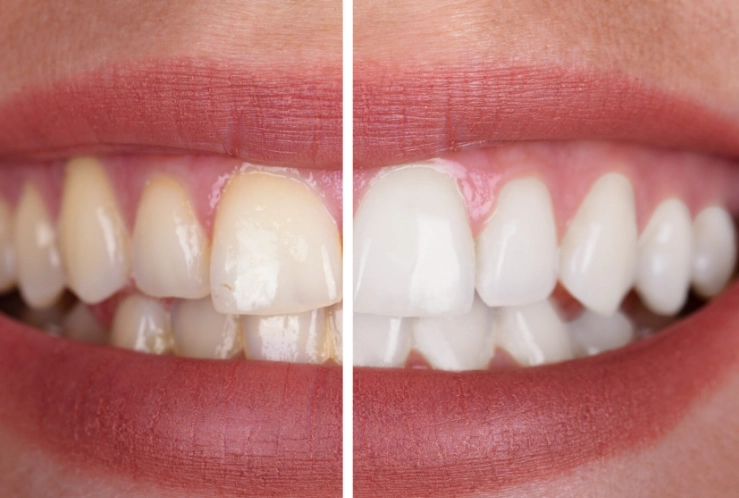
How do you find the most recommended teeth whitening method that's actually right for you? Not just the one with the flashiest ads, but the one that balances effectiveness, safety, and cost. That's the real question, isn't it?
I've been down this rabbit hole myself. I tried a popular over-the-counter kit a few years back, and let's just say the sensitivity that followed made drinking ice water a painful experience for a week. It taught me a valuable lesson: the most aggressive whitener isn't always the best. Since then, I've spent a ton of time researching, talking to dental professionals (and regular people like you and me), and sifting through countless reviews to make sense of it all.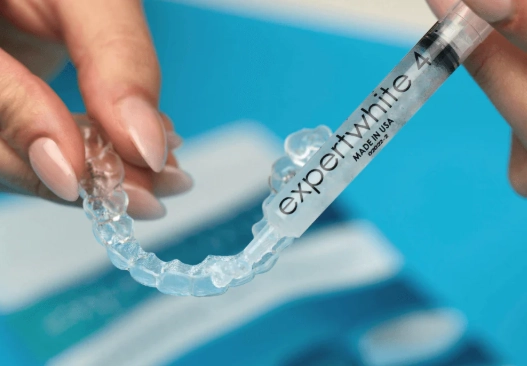
This guide isn't about pushing one miracle product. It's about giving you the clear, no-nonsense information you need to navigate the world of teeth whitening confidently. We'll look at what makes a method "most recommended," break down every major option, and talk about the stuff the ads often skip – like safety, sensitivity, and managing expectations.
What Does "Most Recommended" Actually Mean?
Think about it. A method can be "most recommended" for different reasons by different groups.
For dentists, the most recommended teeth whitening protocol is usually the one they perform in-office. Why? Control. They can protect your gums, use stronger whitening agents safely, and tailor the treatment to your specific needs. But that doesn't mean they dismiss all at-home options. Many dentists recommend specific take-home trays or products for maintenance or for patients with milder staining.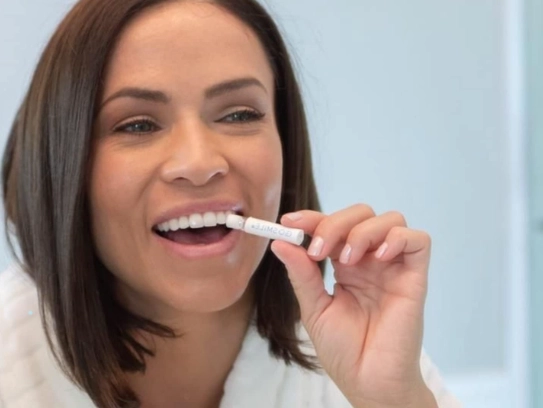
From a consumer review standpoint, the "most recommended" label goes to products that deliver visible results without major side effects, are easy to use, and offer good value. This is where you'll see certain brands of whitening strips or LED kits topping lists year after year, based on thousands of Amazon or retailer reviews.
Then there's the safety perspective. Organizations like the American Dental Association (ADA) grant their Seal of Acceptance to products that meet specific standards for safety and efficacy. A product with the ADA Seal is, by definition, professionally recommended from a safety standpoint.
So when we talk about the most recommended teeth whitening approaches, we have to look at this triangle: Professional Recommendation, User Approval, and Safety Validation.
A Deep Dive Into Your Whitening Options
Alright, let's get into the nitty-gritty. Here’s where we break down every major category. I’ve put together a comparison table to give you a bird's-eye view, but we’ll go deeper into each one right after.
| Method | How It Works | Typical Cost | Key Pro | Key Con / Consideration |
|---|---|---|---|---|
| In-Office Professional | High-concentration peroxide gel applied by dentist, often with light/heat. | Fastest, most dramatic results; supervised safety. | Most expensive option; can cause significant sensitivity. | |
| Dentist-Dispensed Take-Home Trays | Custom-fitted trays with professional-grade gel for home use. | Very effective; custom fit protects gums; dentist oversight. | Slower than in-office; cost higher than OTC. | |
| Over-the-Counter Whitening Strips | Thin, flexible strips coated with peroxide gel. | Inexpensive; widely available; easy to use. | Fit can be awkward; may not cover all teeth evenly. | |
| Whitening Toothpaste & Mouthwash | Contains mild abrasives & chemicals to remove surface stains. | Cheapest; integrates into daily routine. | Only removes surface stains; very gradual change. | |
| LED Whitening Kits | Peroxide gel applied via trays/mouthpiece, activated by blue LED light. | Mimics professional light treatment at home. | The benefit of the light is debated; can be messy. |
In-Office Professional Whitening
This is the gold standard, the heavyweight champion. You're in the chair for 60-90 minutes, and you walk out several shades lighter. Dentists use hydrogen peroxide or carbamide peroxide gels at concentrations much higher than anything you can buy over the counter (sometimes 25-40%).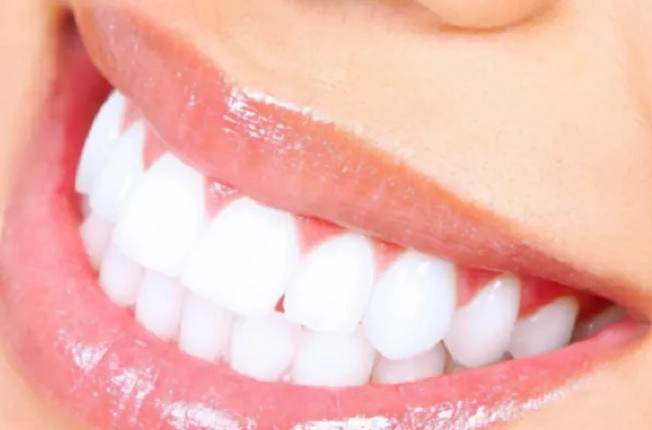
A protective barrier is painted on your gums to shield them. Then the gel is applied, and often a special light or laser is used. The idea is the light energy accelerates the breakdown of the peroxide, speeding up the oxidation process that breaks apart stain molecules.
My take? If you need dramatic results for a big event like a wedding and money isn't the primary concern, this is your best bet. The results are instant and impressive. But be prepared for the price tag and the potential for serious tooth sensitivity afterwards. It's not uncommon. Ask your dentist about using a desensitizing toothpaste for a couple of weeks before your appointment – it can really help.
Dentist-Dispensed Take-Home Trays
This is what I consider one of the smartest compromises. Your dentist takes impressions of your teeth and creates custom, soft plastic trays that fit you perfectly. You get tubes of professional-strength whitening gel (usually 10-20% carbamide peroxide) to use at home, wearing the trays for a specified time each day or night, over a couple of weeks.
Why is this so often part of the most recommended teeth whitening conversation?
First, the custom fit. It means the gel stays in contact with your teeth and doesn't leak onto your gums, which drastically reduces irritation. Second, you have a dentist in your corner. They can advise on concentration and frequency based on your sensitivity. Third, the results are typically just as good as in-office, just spread out over time. It's more gradual, gentler, and often more affordable than the single-session treatment.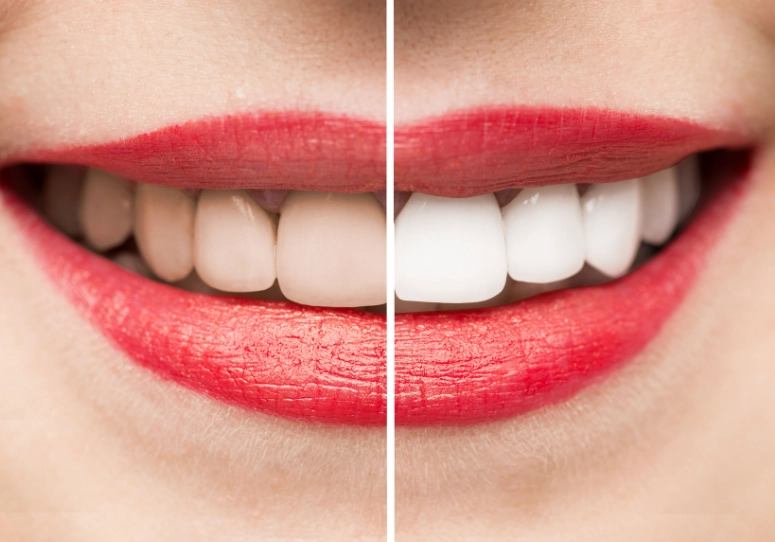
Over-the-Counter (OTC) Kits: Strips, Gels, and Pens
This is the wild west, where most people start their journey. The convenience and lower cost are huge draws.
Whitening Strips: The undisputed kings of the OTC world. Brands like Crest 3DWhitestrips have been the most recommended teeth whitening product by consumers for years. They're relatively cheap, easy to find, and they work. You stick them on for 30 minutes a day. The downside? They can be slippery, might not fully wrap around crooked teeth, and the one-size-fits-all approach means gum irritation is possible.
Whitening Pens: Super convenient for touch-ups or targeting specific teeth. You twist the bottom and brush the gel on. Great for on-the-go use after coffee. But the layer of gel is very thin, so for overall whitening, they're not as powerful as strips or trays.
OTC Tray Systems: These come with generic, boil-and-bite trays. You heat the tray in hot water, bite down to mold it, then fill it with gel. The fit is better than strips but not as good as custom. They can be messy, and if the tray doesn't fit well, gum irritation is common.
My personal experience with a boil-and-bite kit was mixed. The fit was okay, but not great. I saw results, but the sensitivity was real. It made me appreciate the value of a proper fit.
Whitening Toothpaste and Mouthwash
Let's manage expectations here. These are maintenance and prevention tools, not transformative whitening solutions. They work by using mild abrasives (like silica) to scrub off surface stains from coffee, tea, and smoking, and some contain low concentrations of peroxide or other agents like blue covarine (which coats the tooth to create an optical illusion of whiteness).
They're fantastic for keeping your smile bright after you've done a whitening treatment, or for preventing stains from building up in the first place. But if you have deep, intrinsic yellowing, brushing alone won't fix it. Don't fall for the dramatic "before and after" ads – those results usually come from a full whitening treatment, not just the toothpaste.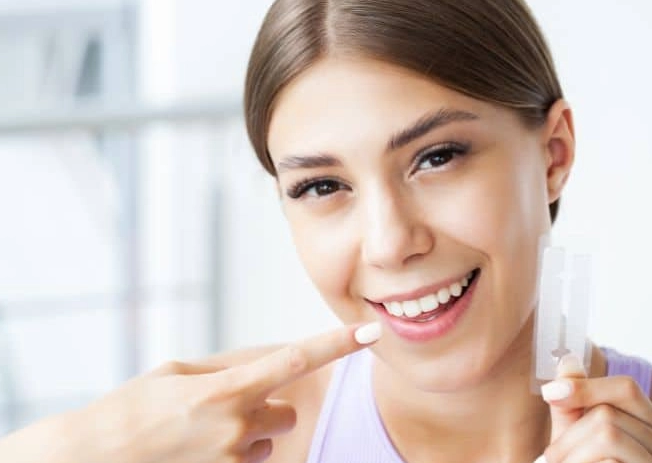
The Safety Conversation You Can't Ignore
This is the part that gets glossed over. Whitening isn't risk-free, and the most effective methods often carry the highest risk of side effects.
Tooth Sensitivity: This is the big one. Peroxide can temporarily inflame the nerve inside your tooth. It's usually temporary, but for some people, it's severe. Using products with potassium nitrate or fluoride can help block the pain signals. My dentist friend always says, "If it doesn't make your teeth a little sensitive, it's probably not working." There's some truth to that, but you don't want to be in agony.
Gum Irritation: This happens when the whitening gel touches your soft tissue. It looks like a white burn or causes redness and soreness. It heals quickly, but it's unpleasant. A custom tray or careful application of strips is the best prevention.
Enamel Damage? This is a common fear. The consensus from major dental organizations is that when used as directed, peroxide-based whiteners are safe for enamel. The Mayo Clinic notes that the most common side effects are temporary sensitivity and gum irritation, not permanent enamel loss. The real danger to enamel comes from excessive brushing with abrasive toothpastes or using whitening products too frequently against directions.
Who Should Be Extra Cautious? If you have untreated cavities, gum disease, extremely sensitive teeth, or restorations like crowns, veneers, or bonding on your front teeth, talk to a dentist before whitening. The bleach won't change the color of these man-made materials, leading to a mismatched smile. Also, whitening is not recommended for children or pregnant/nursing women due to a lack of safety data.
Answering Your Biggest Whitening Questions
This isn't permanent. Your teeth are constantly exposed to staining agents. Results typically last 6 months to 2 years. It depends entirely on your habits. If you go back to drinking two cups of black coffee a day and a glass of red wine every night, expect the stains to return much faster. Using a whitening toothpaste and rinsing with water after consuming dark liquids can extend your results.
It's trendy, but I'm skeptical. Charcoal is abrasive. It might scrub off some surface stains, giving a temporary feeling of cleanliness, but there's little evidence it bleaches teeth. In fact, the abrasiveness could potentially wear down enamel over time if used aggressively. The ADA has not accepted any charcoal toothpaste for whitening. I'd stick with proven peroxide chemistry or gentle abrasives in an ADA-accepted paste.
Short answer: No, not really. Baking soda is a mild abrasive, so it can help with surface stains (it's an ingredient in many whitening toothpastes). But using straight baking soda is too abrasive for daily use. Lemon juice is downright dangerous. It's extremely acidic and will erode your enamel, making teeth look yellower (as the darker dentin underneath shows through) and more susceptible to cavities. Avoid this DIY hack at all costs.
This is fascinating. Teeth are not opaque white; they're translucent. The outer enamel is semi-translucent, and underneath is the dentin, which is naturally yellowish. When you whiten, you're lightening the dentin and removing stains from the enamel. But factors like dehydration (which makes enamel drier and less reflective) or certain lighting can make the underlying dentin color more apparent. Staying hydrated actually helps your teeth look brighter.
Putting It All Together: How to Choose Your Path
So, with all this info, how do you decide on your most recommended teeth whitening path? Ask yourself these questions:
- What's my budget? If it's under $100, OTC strips or a kit are your realistic playground. If you can invest a few hundred, dentist take-home trays become a brilliant option.
- What's my timeline? Need whiter teeth for Saturday? Only in-office treatment will do. Have a month? Take-home trays or a 2-week strip regimen work great.
- What's my sensitivity history? If you already have sensitive teeth, jump straight to the gentlest options: low-concentration peroxide gels, products with built-in desensitizers, and definitely consult a dentist first.
- What kind of staining do I have? Surface stains from food/drink? Whitening toothpaste and OTC methods may suffice. Deep, lifelong yellowing or grayish tones? You'll likely need the professional-grade peroxide from a dentist.
The single best piece of advice, and the one that forms the core of any truly most recommended teeth whitening guide, is this: Start with a dental checkup. It's not sexy advice, but it's crucial. A dentist can identify the cause of your discoloration, check for cavities or gum issues that need treatment first, and give you personalized, safe recommendations. It might cost the price of a cleaning, but it can save you money and discomfort from using the wrong product later.
At the end of the day, the "best" whitening method is the one that gets you the results you want, safely, within your budget, and with a level of hassle you can tolerate. For some, that's the convenience of strips. For others, it's the guaranteed power of a professional treatment. There's no one-size-fits-all answer, but now you have the map to find your own perfect route to a brighter smile.
Remember, a healthy smile is always more attractive than a purely white one. Whiten to boost your confidence, but never at the expense of the long-term health of your teeth.
Leave a Reply