You brush, you floss, maybe you even use a tongue scraper. But your breath still feels off by mid-afternoon, or your gums get a bit puffy. Sound familiar? That's where the whole idea of probiotic toothpaste comes in. Forget the idea of toothpaste as just a minty cleaning paste. This stuff is different. It's less about nuking everything in your mouth and more about managing the neighborhood.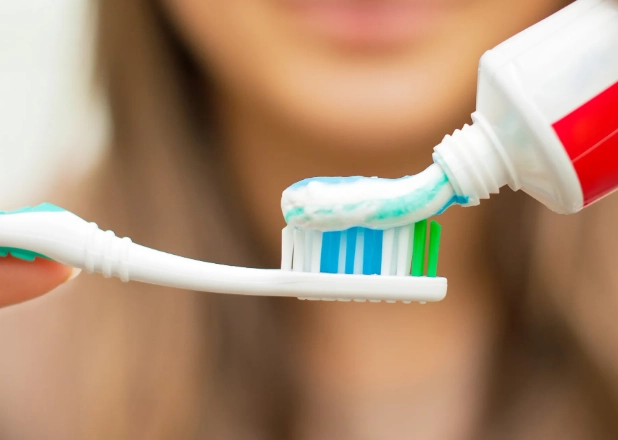
I've been down this rabbit hole for years, trying different brands, talking to dentists who are into functional medicine, and reading studies that aren't exactly headline news. Most articles just repeat the same basic points. I want to give you the stuff you won't find easily—the practical nuances, the mistakes I made, and how to actually tell if it's working for you.
What You'll Find Inside
How Probiotic Toothpaste Works: It's Not What You Think
First, let's ditch the "good vs. evil" bacteria cartoon. Your mouth is a complex ecosystem, a microbiome. According to research highlighted by the National Institutes of Health, it's home to over 700 species of bacteria. The goal isn't sterility; it's balance.
Traditional toothpastes, especially those labeled "antibacterial" or with strong detergents like SLS, take a scorched-earth approach. They reduce all bacterial load temporarily. But that can create a vacuum, and sometimes the harmful, fast-colonizing bacteria (like S. mutans for cavities or P. gingivalis for gum disease) rush back in first.
The Real Mechanism: Competitive Exclusion
Probiotic toothpaste introduces specific, beneficial bacterial strains. Their main job is competitive exclusion.
Think of your tooth surface and gum line as prime real estate. Harmful bacteria want to build houses (biofilm, aka plaque) there. Probiotic bacteria like Lactobacillus reuteri or Streptococcus salivarius K12 move in first. They take up the space, consume the available nutrients, and can even produce substances that make the neighborhood less appealing for the bad guys.
They don't "kill" pathogens in the classic sense. They outcompete them. This is a slower, more sustainable shift.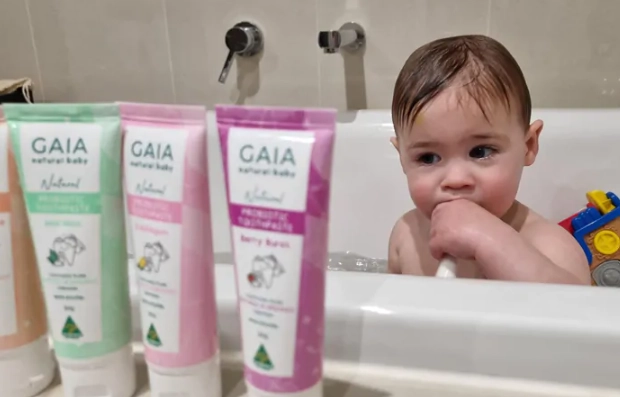
How to Choose a Probiotic Toothpaste That Actually Works
The market is getting crowded. Walking down the aisle (or scrolling online), you'll see lots of claims. Cutting through the noise comes down to a few key factors.
1. Look for the Specific Strain(s)
"Contains probiotics" is meaningless. You need to know which ones. Different strains have different researched benefits. Don't get hung up on CFU counts (Colony Forming Units)—survival in the toothpaste tube and efficacy in your mouth matter more than a huge number on the box.
Some of the most studied strains include:
- Lactobacillus reuteri: Shown in studies to reduce gum inflammation (gingivitis) and levels of cavity-causing strep mutans. This is a heavy hitter for overall balance.
- Streptococcus salivarius K12 & M18: These are superstar strains for throat and breath health. K12 is particularly noted for crowding out bacteria that cause halitosis. If bad breath is your main concern, look for this.
- Lactobacillus paracasei: Often researched for its ability to bind to and reduce strep mutans, directly targeting a primary cavity culprit.
A good product will name the strain on the packaging or ingredient list.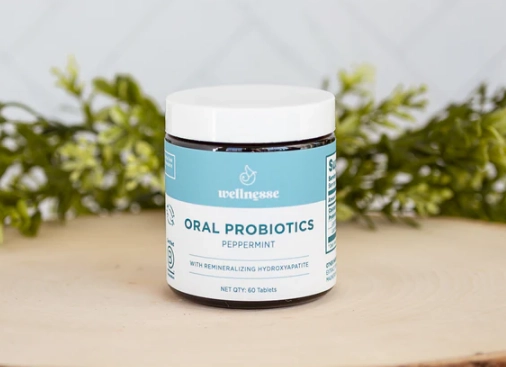
2. Check What Else Is In The Tube
This is critical. You don't want a product that adds probiotics but also contains ingredients that sabotage them or are overly harsh.
- Avoid SLS (Sodium Lauryl Sulfate): This harsh detergent creates the big foam. It can disrupt the oral microbiome and cause canker sores in some people. It's counterproductive in a probiotic paste. Many quality brands are SLS-free.
- Fluoride or No Fluoride? This is a personal choice. Fluoride is proven to remineralize enamel. There's no evidence it kills the probiotic strains. If you want cavity protection, a fluoride-plus-probiotic combo is a smart, synergistic choice. If you prefer natural, that's fine too—just be extra diligent with diet and hygiene.
- Sweeteners: Avoid pastes with sugar or glucose. Look for xylitol or erythritol. Xylitol is a bonus—it can't be metabolized by bad bacteria, so it helps starve them.
3. Consider Your Personal Priority
Are you battling chronic bad breath that mouthwash only masks for an hour? Look for S. salivarius K12. Is gum health and inflammation your worry? L. reuteri is your friend. Just want overall balance? A blend containing several strains might be best.
I made the mistake of buying a popular "breath-focused" paste when my issue was really gum sensitivity. It didn't help much. Once I switched to an L. reuteri-based paste, I noticed a difference in how my gums felt within a few weeks.
Using It Right: The Mistakes That Waste Your Money
You can buy the best probiotic toothpaste on the market and completely nullify its benefits with a simple, common habit.
The #1 Mistake: The Antiseptic Mouthwash Chaser
You brush beautifully with your new probiotic paste, introducing millions of beneficial bacteria to your oral terrain. Then you swish vigorously with an alcohol-based or cetylpyridinium chloride (CPC) mouthwash designed to "kill 99.9% of germs." Guess what's in that 99.9%? You just wiped out your expensive probiotic reinforcements. It's like planting seeds and then pouring herbicide on them.
What to do instead: If you use a therapeutic mouthwash, use it at a separate time of day. Maybe after lunch. Use your probiotic toothpaste at night, when the bacteria have a long, undisturbed period (while you sleep) to establish themselves. Or switch to an alcohol-free, non-antibacterial mouthwash if you must use one post-brush.
Give It Time and Don't Expect a Minty Blast
Probiotic toothpastes often have milder, sometimes unusual flavors (ginger, coconut, anise). They don't give that intense, burning "clean" sensation of a strong peppermint paste with SLS. That feeling is from irritation, not cleanliness. You need to adjust your expectation.
Results are not instant. You're not cleaning a countertop; you're gardening. For issues like breath, you might notice a change in 1-2 weeks. For gum health, give it 4-8 weeks of consistent use.
It's a Partner, Not a Replacement
Probiotic toothpaste is not a substitute for brushing, flossing, or professional cleanings. If you have active gum disease (periodontitis), you need a dentist. This is a maintenance and balancing tool, best for addressing chronic low-grade inflammation, halitosis, and creating a more resilient oral environment.
Your Probiotic Toothpaste Questions, Answered
Can probiotic toothpaste actually reduce plaque and cavities?
It works differently than traditional anti-cavity toothpaste. While fluoride physically strengthens enamel, specific probiotic strains like L. paracasei and L. reuteri compete with cavity-causing bacteria for space and resources. Think of it as crowd control for bad bugs. They don't replace fluoride's remineralizing action, but they can reduce the bacterial load that leads to acid attacks. For best defense, many dentists recommend using a fluoride-containing probiotic toothpaste or alternating with a fluoride rinse.
I use an antiseptic mouthwash daily. Will that kill the probiotics in my toothpaste?
This is a classic mistake that wastes money and effort. Most conventional mouthwashes with alcohol or chlorhexidine are designed to kill all bacteria, good and bad. Using one right after a probiotic toothpaste is counterproductive—you're essentially washing away the beneficial microbes you just introduced. If you must use a mouthwash, opt for an alcohol-free, non-antibacterial formula or, better yet, use it at a separate time of day, like after lunch, and use your probiotic toothpaste at night when the bacteria have a longer undisturbed period to colonize.
How long does it take to notice a difference when switching to a probiotic toothpaste?
Don't expect overnight miracles like with a strong minty paste. Changes in your oral microbiome are subtle and cumulative. For issues like mild, chronic bad breath (halitosis) not linked to decay or gum disease, some users report noticing fresher breath within 1-2 weeks. For balancing overall oral ecology and potentially reducing gum inflammation, it may take a consistent 4-8 weeks. The key is patience and consistency—you're gardening, not pressure-washing.
Are there any side effects or people who should avoid probiotic toothpaste?
For the vast majority, it's very safe. The strains used are generally recognized as safe (GRAS). However, individuals with severe immune system compromise should consult a doctor before introducing any new probiotic. A minor adjustment period where your mouth feels "different" (not necessarily bad) is possible as populations shift. The real risk is forgoing necessary medical treatment; probiotic toothpaste is a maintenance and balancing tool, not a cure for active, advanced periodontal disease, which requires professional intervention.
So, is probiotic toothpaste worth it? If you understand what it is—a daily biotic supplement for your mouth aimed at shifting the ecosystem—then absolutely. It won't single-handedly cure deep cavities or severe gum disease. But for that persistent feeling of imbalance, for breath that seems to come from nowhere, for gums that are always a bit tender, it can be a game-changer. Just choose wisely based on the strains, avoid sabotaging ingredients, and for heaven's sake, ditch the antibacterial mouthwash right after you brush.
The goal isn't a sterile mouth. It's a balanced, resilient one. And that requires more strategy than just brute force.
Leave a Reply